• KGS/USD = 0.01144 0%
  • KZT/USD = 0.00205 0%
  • TJS/USD = 0.10785 0.09%
  • UZS/USD = 0.00008 0%
  • TMT/USD = 0.28571 0.28%
  • KGS/USD = 0.01144 0%
  • KZT/USD = 0.00205 0%
  • TJS/USD = 0.10785 0.09%
  • UZS/USD = 0.00008 0%
  • TMT/USD = 0.28571 0.28%
  • KGS/USD = 0.01144 0%
  • KZT/USD = 0.00205 0%
  • TJS/USD = 0.10785 0.09%
  • UZS/USD = 0.00008 0%
  • TMT/USD = 0.28571 0.28%
  • KGS/USD = 0.01144 0%
  • KZT/USD = 0.00205 0%
  • TJS/USD = 0.10785 0.09%
  • UZS/USD = 0.00008 0%
  • TMT/USD = 0.28571 0.28%
  • KGS/USD = 0.01144 0%
  • KZT/USD = 0.00205 0%
  • TJS/USD = 0.10785 0.09%
  • UZS/USD = 0.00008 0%
  • TMT/USD = 0.28571 0.28%
  • KGS/USD = 0.01144 0%
  • KZT/USD = 0.00205 0%
  • TJS/USD = 0.10785 0.09%
  • UZS/USD = 0.00008 0%
  • TMT/USD = 0.28571 0.28%
  • KGS/USD = 0.01144 0%
  • KZT/USD = 0.00205 0%
  • TJS/USD = 0.10785 0.09%
  • UZS/USD = 0.00008 0%
  • TMT/USD = 0.28571 0.28%
  • KGS/USD = 0.01144 0%
  • KZT/USD = 0.00205 0%
  • TJS/USD = 0.10785 0.09%
  • UZS/USD = 0.00008 0%
  • TMT/USD = 0.28571 0.28%

Viewing results 1 - 6 of 255

Tajikistan: Report confirms significant Chinese security presence in Pamirs

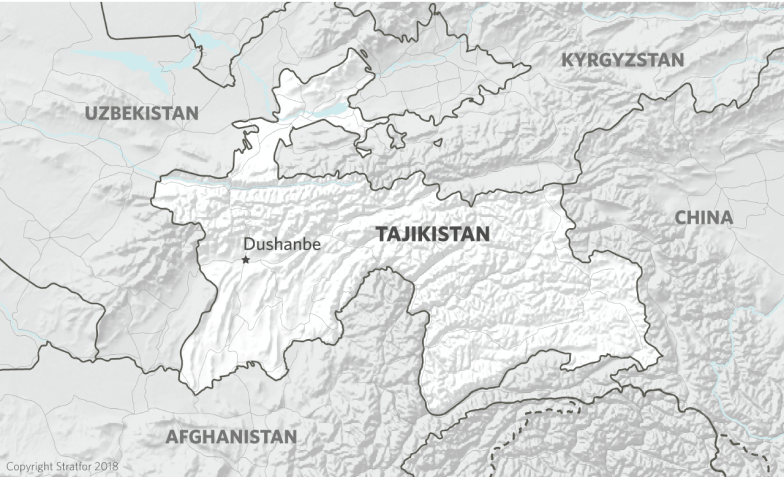
DUSHANBE (TCA) — China appears to have established its military presence in Tajikistan’s area bordering Afghanistan and China’s Xinjiang — the fact that would certainly irritate Russia. We are republishing the following article on the issue, originally published by Eurasianet: Continue reading

Russian warnings of Afghan threats bring decreasing dividends in Central Asia

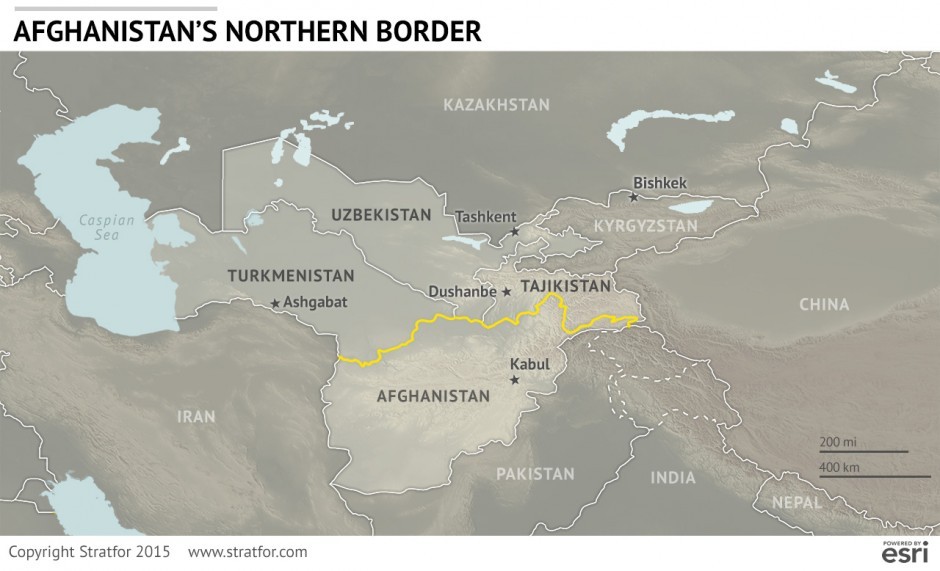
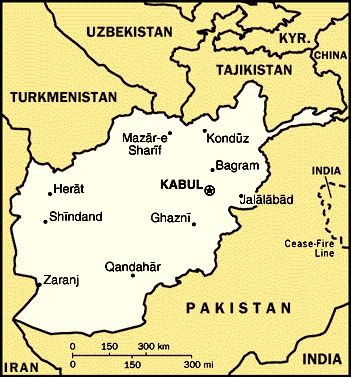
BISHKEK (TCA) — Russia has for years been exaggerating the threat coming from Afghanistan to Central Asia in an effort to maintain, and increase, its influence on countries of this region. We are republishing the following article on the issue, written by Paul Goble: Over the last month, Russian officials have suggested that militant groups in Afghanistan so threaten the countries of Central Asia that the latter should cooperate more closely with Russia in order to defend themselves. But in contrast to such campaigns in the past, Moscow is facing difficulties in convincing anyone. Russian commentators are questioning whether Russia’s new military efforts in Central Asia will be worth the cost—be it a new base in Kyrgyzstan, the expansion of Russia’s military presence in Tajikistan, or a new level of cooperation with Turkmenistan. Whereas, officials and experts in the region are openly challenging Moscow’s premise that their countries are so threatened by Afghan militants that they have no choice but to accept an expanded Russian presence. On February 5, Russian Foreign Minister Sergei Lavrov traveled to Tajikistan, where he offered additional “security assistance” to Dushanbe (TASS, News.tj, February 5). But several days prior to the top Russian diplomat’s visit, his deputy, Igor Zubov, warned, “ISIS [Islamic State—IS] militants [were] massing with helicopters” to advance to the border of Tajikistan, thus threatening that country, Central Asia as a whole and Russia itself (Sputnik News, January 28). Zubov and Lavrov’s apparently coordinated diplomacy was nothing new for Central Asians. Rather, it has been a longstanding element of Russian policy to seek to propagate local regional concerns about the ostensible threats coming out of neighboring Afghanistan (EurasiaNet, February 12). But this time, Central Asian reaction to these attempts was hardly what Moscow expected and wanted. Following Zubov’s remarks, the Border Guards Service of Tajikistan took the unusual step of directly contradicting the Russian official, saying that it did not have any information about the presence on its borders of any IS militants, that the border region remained under control, and that there was no need for any outside assistance (Avesta.tj, January 29). While Tajikistani officials apparently were more polite in their meetings with Lavrov, they too appeared to be less-than-fully persuaded by Russian suggestions that their country faced such a great threat from the south that it had no choice but to expand Moscow’s involvement there. Following the meeting, Komrod Khidoyatzoda, a Tajik who directs the Central Asian Experts Club, told Russia’s Regnum news agency that even in Tajikistan’s Gorno-Badakhshan Autonomous Oblast, where there have been internal security problems (see EDM, October 18, 2018), it is long past time to blame everything on Afghanistan. “The situation in the oblast, as far as security is concerned, remains stable,” he said, adding “the Tajik-Afghan border remains under the full control of Tajikistan’s border guards” (Regnum, February 12, 2019). Khidoyatzoda then suggested that Dushanbe was receiving all the international cooperation it needed […] from Uzbekistan, with which Tajikistan has conducted, “for the first time in many...

Russian military base in Tajikistan ‘important security factor’ — Lavrov

DUSHANBE (TCA) — During his visit to Tajikistan, Russian Foreign Minister Sergey Lavrov called Russia’s military base in the Central Asian country "an important factor for Tajikistan's security". Speaking to journalists in Dushanbe on February 5 after his talks with Tajik Foreign Minister Sirojiddin Muhriddin, Lavrov said that Moscow is ready to assist Tajikistan in the modernization of its armed forces and "strengthening the state border," taking into account "existing threats that continue to be imposed from the territory of Afghanistan," RFE/RL's Tajik Service reported. "I would like to stress the role of Russia’s 201st Military Base [in Tajikistan], which is an important factor of Tajikistan’s security," Lavrov said. About 7,000 troops from Russia’s 201st Motor Rifle Division are stationed at three facilities that are considered part of the Russian base in Tajikistan. The Russian foreign minister also noted a steady growth in Tajik-Russian trade, which rose by almost one-third last year, approaching $1 billion, the Russian Foreign Ministry reported on its website. “The Intergovernmental Commission for Economic Cooperation plays an important role in the development of our economic and investment ties. We agreed to continue working on creating a favourable environment for Russian economic operators in Tajikistan and Tajik companies in Russia,” Lavrov said. He also mentioned Tajik-Russian energy cooperation plans. “We reaffirmed Russia’s readiness to participate in other infrastructure projects, including in hydropower generation by supplying equipment for the construction and upgrade of power generation facilities in Tajikistan,” Lavrov said. Speaking about cultural and humanitarian ties, the Russian foreign minister said that the two countries “agreed to continue the practice started a couple of years ago of sending Russian teachers to work at schools in Tajikistan. We noted with satisfaction the completion of the preparation of documents that will allow us to begin the construction of five schools with instruction in Russian in this country. We are certainly pleased that the standards of Russian education enjoy high demand among undergraduate and graduate students in Tajikistan.” Lavrov said that this year, Russia provided 629 state grants from the Russian budget to citizens of Tajikistan. Overall, about 28,000 Tajik students are enrolled at Russian universities, including 8,000 in their own country – at the local branches of Moscow State University and other Russian universities.

No discussion of opening new Russian military base in Kyrgyzstan — Russian FM

BISHKEK (TCA) — Russian Foreign Minister Sergey Lavrov says that Bishkek and Moscow have not discussed opening of a second Russian military base in Kyrgyzstan. Continue reading

US donates $3.8 million in ground sensor radar equipment to Tajikistan

DUSHANBE (TCA) — United States Chargé d’Affaires Kevin Covert and General-Colonel Saimumin Yatimov, the Chairman of the State Committee of National Security of Tajikistan, on January 29 attended the handover ceremony of $3.8 million in security assistance equipment provided to the Border Guard Forces under the State Committee of National Security of the Republic of Tajikistan. The ground sensor radar system provides the Border Guard Forces with the capability to persistently monitor portions of their border that would otherwise remain unobserved by routine patrols. This capability is particularly advantageous in areas where long distances between outposts in harsh terrain make persistent patrolling challenging, the US Embassy in Dushanbe said in a press release. Continue reading

Afghanistan: Rights on the precipice as civilians increasingly under threat — HRW report

KABUL (TCA) — Civilians increasingly bore the brunt of Afghanistan’s widening armed conflict in 2018, Human Rights Watch said on January 17 in its World Report 2019. More than 10,000 civilians were killed or injured during the year, a third of them children. Continue reading