• KGS/USD = 0.01144 0%
  • KZT/USD = 0.00214 0%
  • TJS/USD = 0.10832 0.09%
  • UZS/USD = 0.00008 0%
  • TMT/USD = 0.28490 0%
  • KGS/USD = 0.01144 0%
  • KZT/USD = 0.00214 0%
  • TJS/USD = 0.10832 0.09%
  • UZS/USD = 0.00008 0%
  • TMT/USD = 0.28490 0%
  • KGS/USD = 0.01144 0%
  • KZT/USD = 0.00214 0%
  • TJS/USD = 0.10832 0.09%
  • UZS/USD = 0.00008 0%
  • TMT/USD = 0.28490 0%
  • KGS/USD = 0.01144 0%
  • KZT/USD = 0.00214 0%
  • TJS/USD = 0.10832 0.09%
  • UZS/USD = 0.00008 0%
  • TMT/USD = 0.28490 0%
  • KGS/USD = 0.01144 0%
  • KZT/USD = 0.00214 0%
  • TJS/USD = 0.10832 0.09%
  • UZS/USD = 0.00008 0%
  • TMT/USD = 0.28490 0%
  • KGS/USD = 0.01144 0%
  • KZT/USD = 0.00214 0%
  • TJS/USD = 0.10832 0.09%
  • UZS/USD = 0.00008 0%
  • TMT/USD = 0.28490 0%
  • KGS/USD = 0.01144 0%
  • KZT/USD = 0.00214 0%
  • TJS/USD = 0.10832 0.09%
  • UZS/USD = 0.00008 0%
  • TMT/USD = 0.28490 0%
  • KGS/USD = 0.01144 0%
  • KZT/USD = 0.00214 0%
  • TJS/USD = 0.10832 0.09%
  • UZS/USD = 0.00008 0%
  • TMT/USD = 0.28490 0%

Viewing results 1 - 6 of 4

Twenty-Five Years Ago, Karimov and Powell Opened a Humanitarian Lifeline. Today, Global Support Wanes

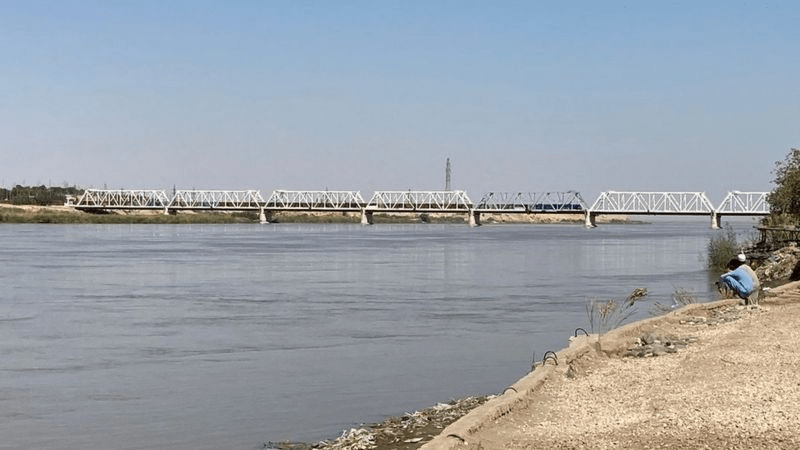
During the first week of June 2026, World Food Programme Afghanistan Country Director John Aylieff, Supply Chain Officer Shukhratmirzo Khodzhaev, and TCA’s Javier M Piedra visited the Termez–Hairatan border crossing and the Termez Free Economic Zone (TFEZ), a logistics hub between Uzbekistan and Afghanistan on the Amu Darya River. The trip was organized by the Institute for Strategic and Regional Studies (ISRS) in connection with Termez Dialogue 2026, a flagship Uzbekistan initiative designed to advance economic integration, trade, and cultural exchange across Central and South Asia. For 25 years, Uzbekistan has maintained the Termez crossing as a key humanitarian gateway, ensuring Afghanistan’s continued access to regional and global supply chains. [caption id="attachment_51321" align="aligncenter" width="850"] Geographical position of the Amu Darya; source: snipview.com/amudarya[/caption] A quarter-century on, the gateway that has saved millions of Afghans from famine remains open, but the funding that makes it so meaningful is on life support. While Central Asia has stepped up, its increased contributions only partially offset the huge shortfall left by wealthier countries. Termez, Uzbekistan Twenty-five years ago, with winter approaching, borders closed, logistics shattered, and five million Afghans in urgent need of food, WFP's Petar Bojilov and Tim Lavelle—on loan to USAID OFDA's DART from USUN Rome—took on an impossible mission: to open a lifeline and get emergency food aid across the Amu Darya River from Uzbekistan into Afghanistan. What began with one barge and a handful of hopelessly underequipped and understaffed personnel in 2001 has become one of the world's most consequential logistics hubs, through which WFP has delivered over 220,000 metric tons of food into Afghanistan in recent years. In 2026, the Bridge of Friendship Marks its 25th Anniversary Once a barely functional border crossing, Termez is now a Free Economic Zone (AIRITOM) with multimodal connectivity and extensive storage, providing WFP with what John Aylieff calls unmatched operational flexibility. “What makes the Termez hub today so strategically important is its reliability and versatility,” says Aylieff. “It offers dependable transshipment through multiple Afghan corridors—a vital lifeline where speed matters – as well as loading and storage. Given current geopolitical tensions, from the closure of the Pakistan–Afghanistan border to the spillover of the Middle East crisis, its role has become even more essential for humanitarian operations.” [caption id="attachment_51320" align="aligncenter" width="761"] John Aylieff and Javier Piedra, Termez (June 7th, 2026). Image: TCA[/caption] Since February 2026, violence along Afghanistan's 2,400-kilometre border with Pakistan has escalated sharply, triggering the displacement of approximately 20,000 families. With heightened instability along the Afghan-Pakistan border and in Iran, forced returns of Afghan refugees have increased sharply; the Termez transit corridor has become all the more critical as a channel for humanitarian food aid. Termez's value extends well beyond WFP's own operations. "The hub not only serves WFP in Afghanistan but also supports numerous humanitarian agencies in the country, including UNHCR, UNFPA, and UNICEF," says Aylieff. "It is the backbone of the northern corridor supply chain into Afghanistan, and more and more agencies are relying on WFP's logistics capabilities to bring their...

Tajikistan Warns of Mudslides as Central Asia Expands Flood Cooperation

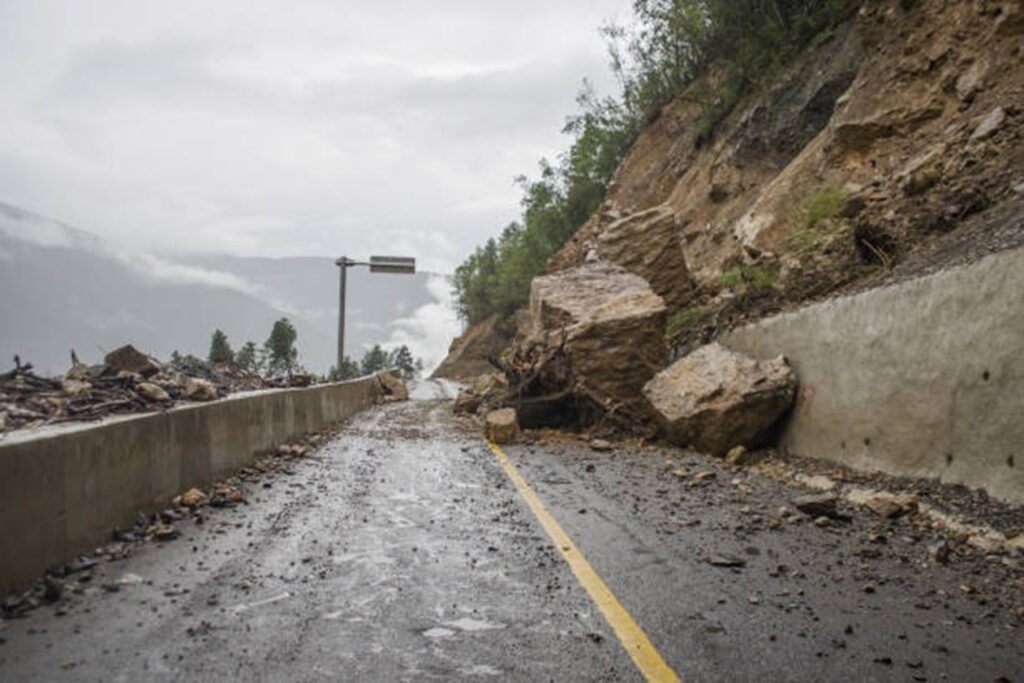
Authorities in Tajikistan say heavy rain could trigger mudslides in parts of the country in the coming days and have warned people to be extremely careful when traveling on roads near mountains and riverbanks. The warning was issued on Wednesday, days after government officials, scientists, and other delegates from across Central Asia met in Bishkek to discuss ways to address cross-border mudflows and floods. The three-day meeting, which ended on Friday, was organized by Kyrgyzstan’s Ministry of Emergency Situations and the Regional Environmental Center for Central Asia, a group that gets support from the World Bank and other international partners. Mudslides and flooding often hit parts of Central Asia in the spring and early summer, when rainfall, rising temperatures, snow and glacier melt, and increasing water levels threaten communities that scientists say are more vulnerable because of climate change. In the spring of 2024, flooding in Kazakhstan displaced thousands of people and damaged many homes and other buildings in what the government called the worst natural disaster in the country in 80 years. Central Asian governments are increasing cooperation on mitigation measures, including early warning systems, data sharing, and other projects to better protect their populations. As temperatures rise faster in Central Asia than the global average, Tajikistan is especially vulnerable because it is a mountainous country where glacier melt is a growing concern. Heavy rains and mudslides are possible through Friday, July 3, in mountainous and hilly areas across the country, as well as in Sughd Region in northwest Tajikistan, which borders Uzbekistan, and in Khatlon Region in the southwest, which borders Uzbekistan and Afghanistan, Tajikistan’s Ministry of Transport said. Citing meteorological experts, the ministry also warned of dust storms in Khatlon and the capital, Dushanbe, because of strong winds blowing from the south. “As a result of rising temperatures, glacier melt, and increasing water levels in the Panj, Vakhsh, Varzob, and Zeravshan rivers, there is a risk of mudflows in these areas,” the ministry said. It added that it had “instructed all road maintenance departments and institutions to monitor the condition of highways around the clock.” The possibility of flooding from glacier melt and rising river levels is not only a problem in mountainous areas in upstream countries such as Tajikistan and Kyrgyzstan, but also in downstream countries, including Kazakhstan, Uzbekistan and Turkmenistan, that rely on cross-border water supplies but are also vulnerable to natural disasters. Turkmenportal, an online news site, said the recent meeting in Kyrgyzstan on water cooperation in Central Asia was important to Turkmenistan because it “is located in the lower reaches of Central Asia's largest rivers and is directly dependent on the quality of transboundary cooperation in water management and flood risk reduction.”

Heavy Rain and Mudflows Kill Four in Tajikistan

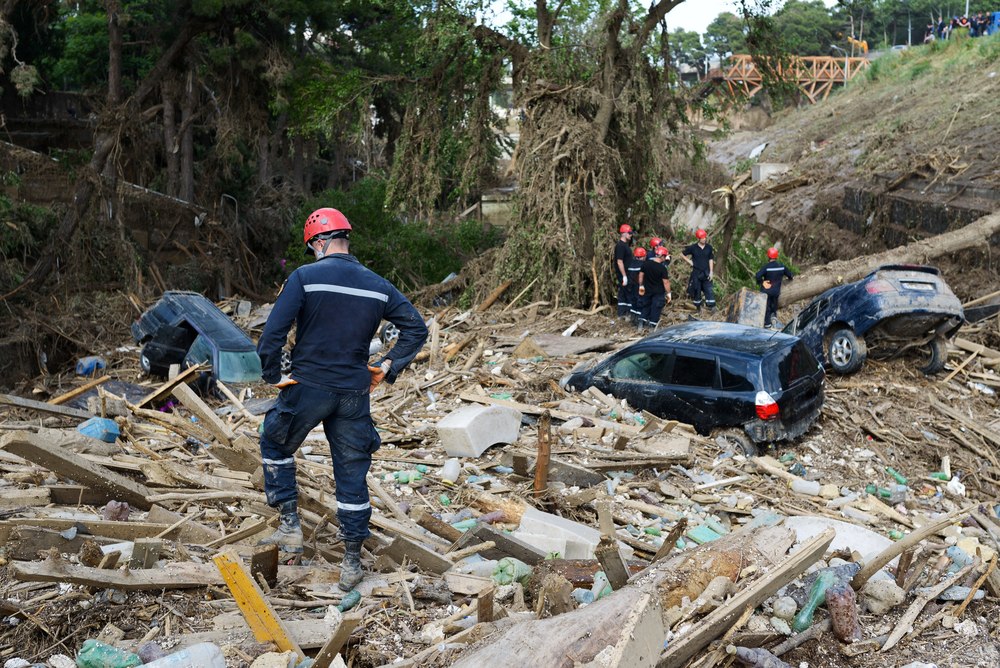
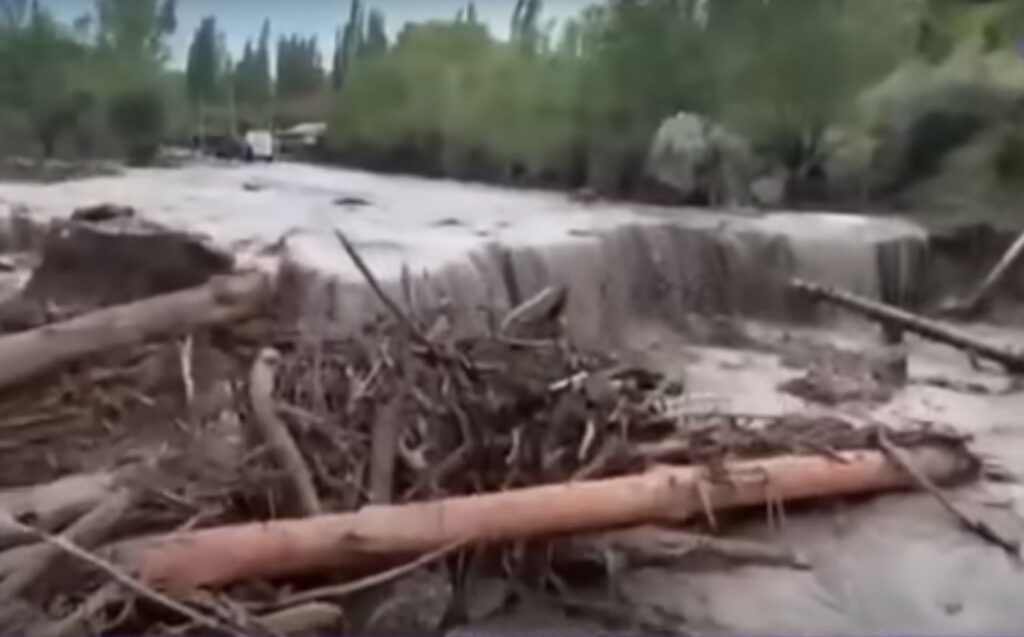
Heavy rain and landslides have swept parts of Tajikistan in recent days, killing at least four people and damaging dozens of homes, as well as roads and farmland. In one incident, a boat carrying students capsized in a river but all the passengers were rescued. Three people were killed and three others were hospitalized in the southern city of Kulob after an overnight deluge, the press office of Tajikistan’s presidency said on Saturday. President Emomali Rahmon expressed condolences and instructed top officials to go to the scene of the disaster and help affected families. Intense rainfall continued over the weekend. One person died and two others were seriously injured in a lightning strike in Kaduchi village on Sunday afternoon, according to Tajikistan’s Committee for Emergency Situations and Civil Defense. The victims were taken to a hospital in the western city of Tursunzoda. Mudflows damaged homes, roads, and other infrastructure in several villages and settlements. Some canals filled with mud, stones, and gravel before overflowing into nearby streets. Emergency workers brought in heavy machinery and pumps to clear debris and water. The boat that capsized on Sunday afternoon was carrying seven secondary school students and their class teacher on the Syr Darya River, which runs through the northern city of Khujand. The group had arrived at a cultural and entertainment park for the excursion. Boatmen and other people rescued the students, according to an official account.

Children Among Nine Killed in Mudflows in Kyrgyzstan

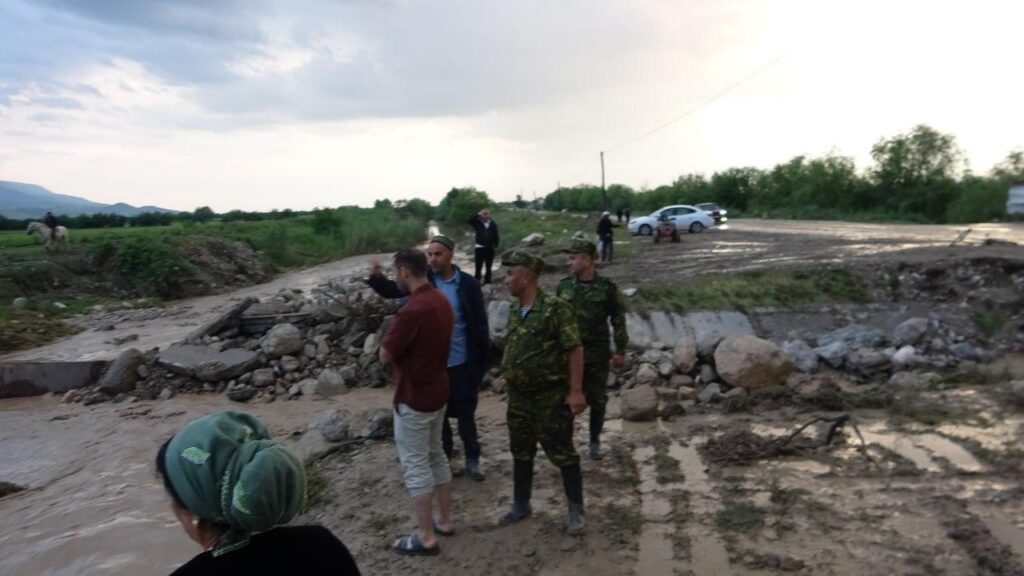
Mudflows caused by heavy rains have killed at least nine people, including four Kazakh children, in an area of southwestern Kyrgyzstan that is popular among tourists for its natural scenery. Search operations were continuing on Sunday. Kyrgyz authorities declared a state of emergency in the Nookat district of the Osh region after the downpours on Friday. Roads, bridges and power lines were damaged and several hundred emergency responders, including police and military personnel, were deployed to help with searches and evacuations. Photos and video posted on Telegram by Kyrgyzstan’s Ministry of Emergency Situations showed rescuers, some in military uniforms, escorting people alongside a fast-flowing river in a ravine. Some carried young children and held onto a rope fixed alongside the ravine wall as they walked. Citing Kyrgyz officials, Kazakhstan’s Ministry of Foreign Affairs said the bodies of four Kazakh children had been found and that its diplomats are helping relatives of the victims. The bodies of the children will be returned to Kazakhstan in “the near future,” the ministry said on Telegram. Akylbek Japarov, chairman of Kyrgyzstan´s Cabinet of Ministers, flew over Nookat district on Sunday to assess the damage and said the government will provide “all-round support” to help those affected, the official Kabar news agency reported. Nookat is popular among trekkers and hikers who enjoy its mountain and forest scenery, particularly in the summer months.