Containerization: A Game-Changer in Global Logistics
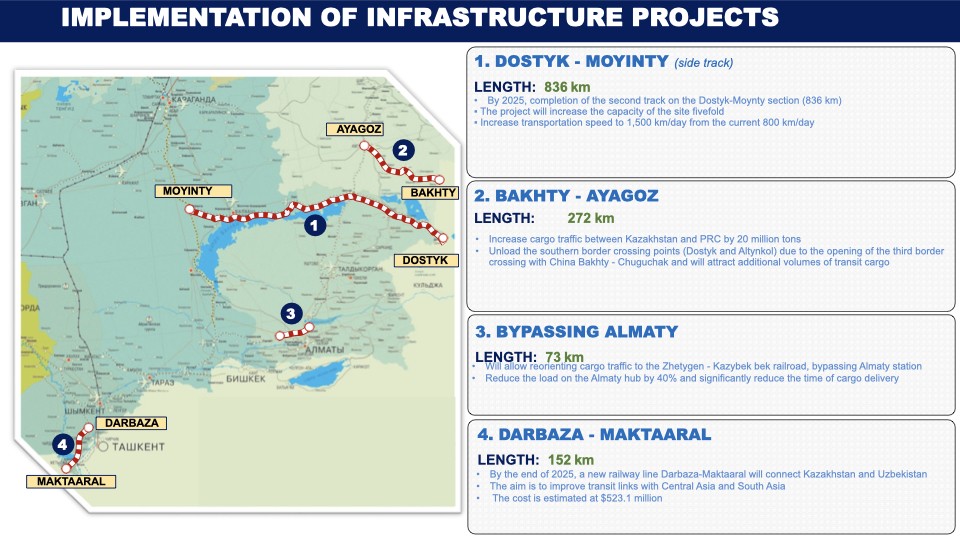
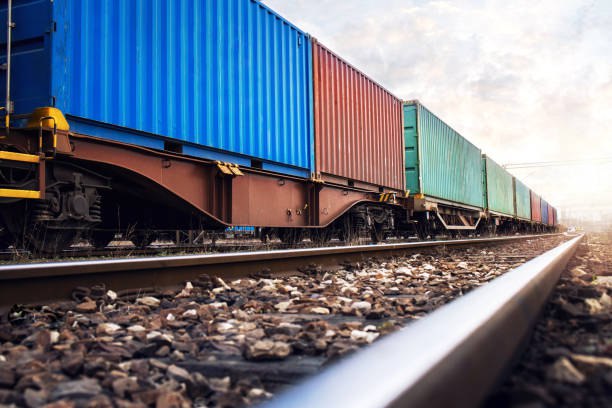
The current trajectory of freight transport highlights the growing scale of global containerization and its significant potential for expansion. Containerization could offer a more efficient solution for transporting bulk cargo for Kazakhstan, a major exporter of raw materials. However, to realize this potential, the country must address a range of internal and external challenges. Container shipping enables door-to-door delivery with minimal risk of damage and faster handling, making it a reliable mode of transport both domestically and internationally. Its advantages include increased transport efficiency, safety, and cost savings. As such, containerized cargo transport, or “containerization”, is becoming increasingly relevant both in Kazakhstan and around the world. Despite its global prominence, containerization in Kazakhstan remains underdeveloped. Satjan Ablaliyev, Deputy Minister of Transport of the Republic of Kazakhstan, said in an interview with The Times of Central Asia, containerized freight made up only 6.73% of the country’s total cargo turnover in 2024. Domestic container traffic was just 0.16%. Yet, container shipping significantly reduces the time and costs associated with loading and unloading across various transport modes, such as sea, rail, and road, while also protecting cargo from damage and theft, simplifying paperwork, and minimizing transport costs. This also helps avoid delays caused by shortages of freight wagons, which is particularly relevant in Kazakhstan during peak seasons such as meeting winter heating needs or harvest time. Global experience has shown that container transport is suitable even for bulk, liquid, and perishable goods. Several factors are currently hindering the development of containerization in Kazakhstan: Insufficient number of railway stations equipped to receive and handle container cargo; Higher tariffs for container transportation compared to traditional wagon-based freight; Limited and uneven access to infrastructure and resources for market participants. To address these issues, Kazakhstan needs to expand its transport infrastructure and reform its tariff and regulatory policies. Corridors of the future The bulk of Kazakhstan’s container traffic comes from transit. According to national rail operator Kazakhstan Temir Zholy (KTZ), the volume of transit cargo in 2024 reached 27.5 million tons, with container transit alone growing by 59%, hitting 1.4 million TEUs. Kazakhstan is betting on the development of overland multimodal transit across its territory. Recent global events such as the COVID-19 pandemic, disruptions in global supply chains due to geopolitical tensions, and increased attacks on shipping in the Red Sea have exposed the vulnerability of maritime trade routes (e.g., the Suez Canal, which handles about 30% of global container traffic). These challenges have prompted major container operators to rapidly reroute maritime shipping and explore alternative land-based transit corridors. As land routes gain importance, competition among transit countries is intensifying. Many are now investing in infrastructure along international transport corridors to facilitate multimodal logistics. Ablaliyev pointed out that these factors have made Kazakhstan an increasingly attractive route for containerized cargo. Between 2020 and 2024, Kazakhstan’s container traffic rose from 876,000 TEUs to 1.395 million TEUs. In the first five months of 2025 alone, the figure reached 565,400 TEUs. To further grow transit container flows, Kazakhstan is investing...