• KGS/USD = 0.01144 0%
  • KZT/USD = 0.00205 0%
  • TJS/USD = 0.10722 0%
  • UZS/USD = 0.00008 0%
  • TMT/USD = 0.28490 0%
  • KGS/USD = 0.01144 0%
  • KZT/USD = 0.00205 0%
  • TJS/USD = 0.10722 0%
  • UZS/USD = 0.00008 0%
  • TMT/USD = 0.28490 0%
  • KGS/USD = 0.01144 0%
  • KZT/USD = 0.00205 0%
  • TJS/USD = 0.10722 0%
  • UZS/USD = 0.00008 0%
  • TMT/USD = 0.28490 0%
  • KGS/USD = 0.01144 0%
  • KZT/USD = 0.00205 0%
  • TJS/USD = 0.10722 0%
  • UZS/USD = 0.00008 0%
  • TMT/USD = 0.28490 0%
  • KGS/USD = 0.01144 0%
  • KZT/USD = 0.00205 0%
  • TJS/USD = 0.10722 0%
  • UZS/USD = 0.00008 0%
  • TMT/USD = 0.28490 0%
  • KGS/USD = 0.01144 0%
  • KZT/USD = 0.00205 0%
  • TJS/USD = 0.10722 0%
  • UZS/USD = 0.00008 0%
  • TMT/USD = 0.28490 0%
  • KGS/USD = 0.01144 0%
  • KZT/USD = 0.00205 0%
  • TJS/USD = 0.10722 0%
  • UZS/USD = 0.00008 0%
  • TMT/USD = 0.28490 0%
  • KGS/USD = 0.01144 0%
  • KZT/USD = 0.00205 0%
  • TJS/USD = 0.10722 0%
  • UZS/USD = 0.00008 0%
  • TMT/USD = 0.28490 0%

Viewing results 1 - 6 of 9

Kazakhstan Offers the IAEA a Practical Option on Iran

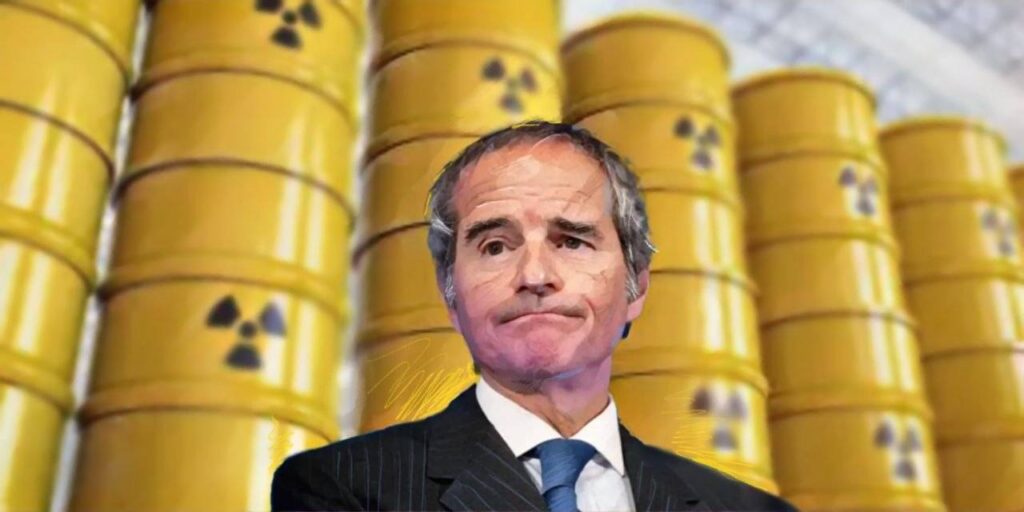
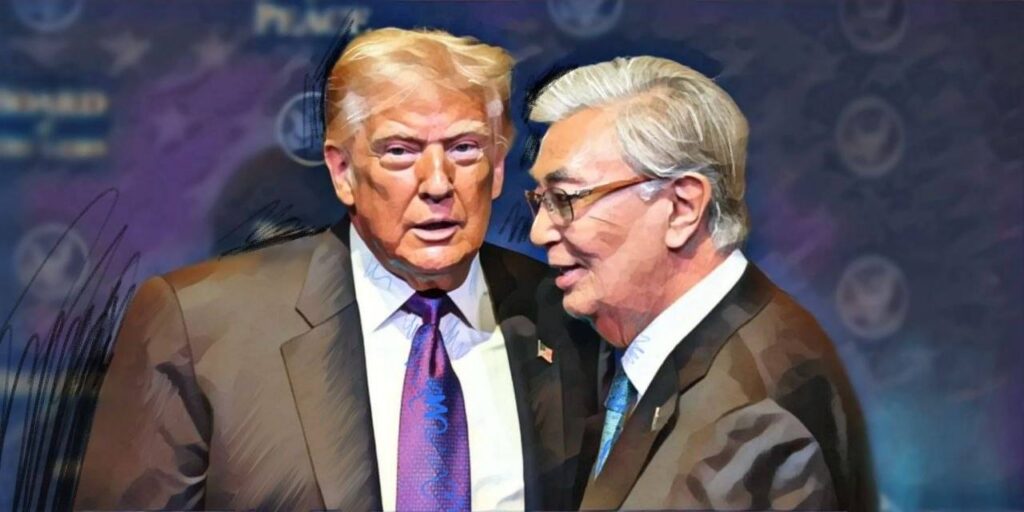
On May 26, President Kassym-Jomart Tokayev received IAEA Director General Rafael Grossi in Astana. The meeting pointed beyond bilateral nuclear cooperation toward Kazakhstan’s possible role in wider nuclear-security problems. Tokayev welcomed a roadmap for deepening Kazakhstan’s cooperation with the International Atomic Energy Agency through 2036, alongside documents on nuclear medicine and science. Grossi’s visit also followed Kazakhstan’s referendum on its first post-independence nuclear power plant, which has widened the civilian side of the country’s nuclear profile. Iran was not the subject around which the meeting was organized, but it is the issue that gives the meeting strategic weight. In particular, Kazakhstan’s established IAEA relationship could help give nuclear diplomacy a practical form if political agreement first creates a need for technical implementation. The potential is real, but it is narrow. Any political resolution of the Iran nuclear issue turns on decisions by Tehran, Washington, Israel, regional states, and the IAEA. The parties must first agree politically on an IAEA-led arrangement for Kazakhstan to enter the scene. Tokayev’s own formulation was appropriately limited: Kazakhstan’s assistance would be a gesture of good faith, and only if appropriate international agreements exist. Its involvement would come after the political bargain, not before it. Kazakhstan’s nuclear profile begins with the Soviet nuclear testing site at Semipalatinsk, which made nuclear policy a shared public memory before it became a diplomatic profile. Between 1949 and 1989, this site became one of the central locations of the Soviet nuclear-weapons program. The Nevada–Semipalatinsk movement, founded in 1989 by Olzhas Suleimenov, turned public opposition to testing into a political force before the site was closed in August 1991. Kazakhstan’s nuclear policy still expresses a public memory of Soviet testing and its public-health consequences. That memory does not make Kazakhstani society simply anti-nuclear, but it means that the country's nuclear policy carries a sensitive history. From the Soviet Union, Kazakhstan inherited on its territory one of the world’s largest nuclear arsenals. That arsenal included strategic nuclear warheads associated with intercontinental missiles and long-range bombers. Kazakhstan did not merely surrender an arsenal; it made renunciation part of its international profile. The country chose non-nuclear status, transferred the weapons to Russia, and joined the Treaty on the Non-Proliferation of Nuclear Weapons as a non-nuclear-weapon state. This renunciation gave political restraint an institutional form and gave Kazakhstan a special status in nuclear affairs. That standing has also appeared in earlier Iran-related diplomacy. Kazakhstan hosted two rounds of P5+1 nuclear talks with Iran in Almaty in 2013, and in 2015 Kazatomprom supplied Iran with 60 metric tons of natural uranium as part of the internationally coordinated implementation of the JCPOA. That standing now operates most clearly through Kazakhstan’s long cooperation with the IAEA. The Tokayev-Grossi meeting and the 2026–2036 cooperation roadmap make Kazakhstan’s nuclear development part of a continuing institutional relationship. Grossi’s visit also included agreements on nuclear science, healthcare delivery, and agricultural applications under IAEA programs. Tokayev and Grossi are not improvising a political solution to Iran; they are strengthening an institutional channel through...

Kazakhstan Signals Nuclear Diplomacy Role as Iran Uranium Dispute Intensifies

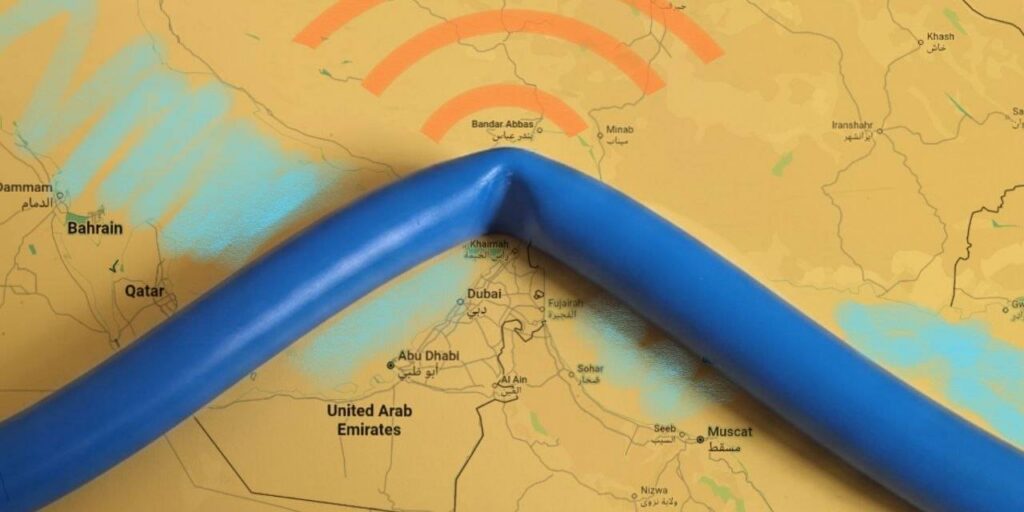
Kazakhstan is seeking a place in the next phase of the Iran nuclear dispute, not as a direct mediator between Washington and Tehran, but as a possible technical partner if talks turn to the handling of enriched uranium. President Kassym-Jomart Tokayev has said Kazakhstan is ready to assist if international agreements are reached. The offer reflects Astana’s long effort to turn its Soviet nuclear legacy, disarmament record, and nonproliferation infrastructure into diplomatic capital. The dispute has become more urgent as U.S.-Iran talks come under growing strain. According to Iran’s Fars News Agency, Washington has demanded the transfer of approximately 400 kilograms of enriched uranium and major restrictions on Iran’s nuclear infrastructure. Tehran, in turn, has insisted on sanctions relief, the unfreezing of foreign assets, compensation for wartime damage, and security guarantees. U.S. President Donald Trump has described Iran’s demands as “unacceptable.” He later said he had postponed a possible military strike on Iran following appeals from the leaders of Qatar, Saudi Arabia, and the United Arab Emirates, citing what he called ongoing “serious negotiations.” Against that backdrop, Tokayev said during a May 11 meeting with Brazilian Foreign Minister Mauro Vieira that Kazakhstan was ready, “as a gesture of goodwill,” to help resolve the Iranian nuclear issue. He said any such role would depend on relevant international agreements being reached and carried out in practice. According to Akorda, Tokayev also reiterated Kazakhstan’s commitment to the peaceful use of nuclear energy under International Atomic Energy Agency oversight. The statement did not amount to an offer to mediate directly between Washington and Tehran. It was narrower and more practical. Kazakhstan is presenting itself as a state with broad international trust, technical experience, and nuclear infrastructure to support a settlement should the main parties agree on one. Tokayev placed that argument directly into the Iran debate at the Antalya Diplomacy Forum in April. “The core issue is the proliferation of nuclear technologies and nuclear weapons. This must remain the central subject of negotiations in the context of the situation surrounding Iran,” he said. For Kazakhstan, that distinction is central to the way it presents itself internationally. The country has built much of its post-Soviet foreign policy identity around nuclear nonproliferation. The Times of Central Asia previously reported that Kazakhstan’s anti-nuclear stance is not only a diplomatic position, but part of the country’s modern national identity. The Soviet Union conducted 456 nuclear tests at the Semipalatinsk test site between 1949 and 1989, leaving long-term environmental and public health damage in eastern Kazakhstan. After independence, Kazakhstan transferred its inherited nuclear warheads to Russia and joined the Treaty on the Non-Proliferation of Nuclear Weapons as a non-nuclear-weapon state. Kazakhstan has direct technical experience with sensitive nuclear material. In 1994, under Operation Sapphire, roughly 600 kilograms of highly enriched uranium were removed from the Ulba Metallurgical Plant in Ust-Kamenogorsk and transferred to the United States. TCA previously reported that the operation remains one of the strongest examples of Kazakhstan’s role in practical nonproliferation work. Kazakhstan has been involved...

Kazakhstan’s Nuclear Diplomacy Offers Lessons for Iran Crisis

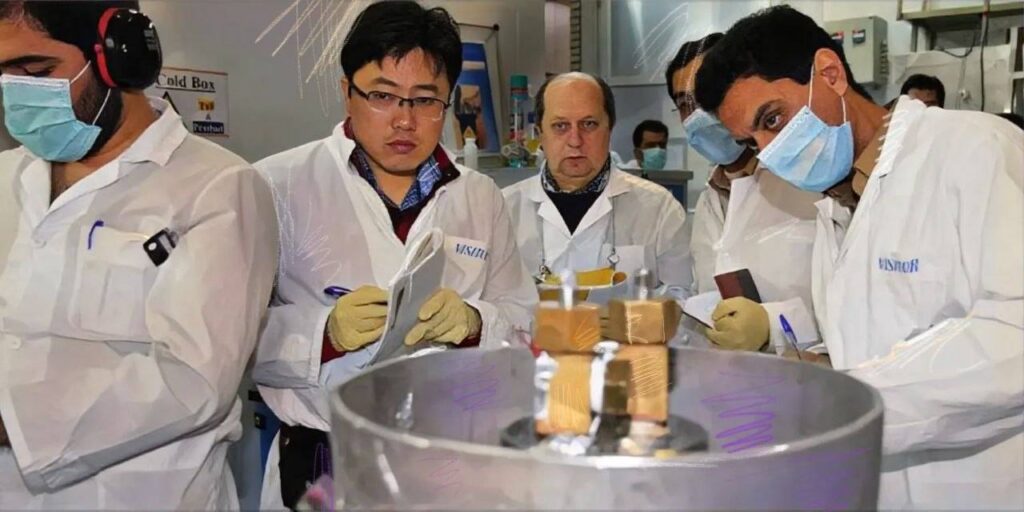
Ongoing negotiations between the United States and Iran have yet to resolve a key issue: what will happen to the enriched uranium currently held by a country engulfed in conflict. Beyond political considerations, there are also significant technical challenges, namely, how such material could be safely removed from Iran if an agreement is reached. Kazakhstan, however, has previously carried out a unique operation of this kind, later documented in detail through U.S. and Kazakh accounts, and has a long track record of constructive engagement in nuclear diplomacy. The Uranium Question The parties to the conflict, the United States, Israel, and Iran, remain deeply divided on core issues. Various countries, including Pakistan, have been involved as mediators. At the same time, the situation is complicated by broader military and economic tensions, including the U.S. naval blockade of Iranian oil exports and Iran’s continuing obstruction of shipping through the Strait of Hormuz. The ongoing crisis in the Strait of Hormuz dominates headlines, often diverting attention from the central issue: the fate of Iran’s uranium stockpile. Axios reported that U.S. and Iranian negotiators had discussed a possible arrangement involving the release of frozen Iranian funds, with a figure of $20 billion under discussion. One U.S. official described that figure as a U.S. proposal, while U.S. President Donald Trump later denied that any money would change hands. IAEA-linked figures put Iran’s stockpile at about 440 kilograms of uranium enriched to 60%, close to weapons-grade levels if further enriched. Trump has expressed confidence that Iran will agree to a deal and that the uranium can be removed. Iranian officials, however, have rejected this claim, stating that they do not intend to transfer enriched uranium to the United States or any other country. Tokayev’s Position On April 17, 2026, Kazakhstan’s President Kassym-Jomart Tokayev addressed the issue during a diplomatic forum in Antalya, warning that excessive focus on trade routes and the Strait of Hormuz risks overshadowing the core problem, the nuclear issue. “The essence of the problem lies in the proliferation of nuclear technologies and nuclear weapons. This must be the central topic of negotiations when it comes to the conflict around Iran,” Tokayev said. Experts have since highlighted the complexity of the task facing policymakers: not only negotiating terms but physically removing enriched uranium from Iran. This would involve dealing with potentially damaged facilities, ensuring security, deploying specialist teams, defining transport routes, establishing international oversight, and determining a final destination for the material. Against this backdrop, Tokayev’s remarks carry particular weight. While the United States is reported to be insisting not only on limiting future enrichment but also on transferring existing stockpiles, Iran is seeking to separate the nuclear issue from the broader regional crisis. Tokayev, by contrast, has emphasized that energy and shipping disruptions are symptoms of a deeper conflict, with the nuclear issue at its core. Operation Sapphire Following the collapse of the Soviet Union, Kazakhstan inherited the world’s fourth-largest nuclear arsenal, after Russia, the United States, and Ukraine. The country was also...