Ongoing negotiations between the United States and Iran have yet to resolve a key issue: what will happen to the enriched uranium currently held by a country engulfed in conflict. Beyond political considerations, there are also significant technical challenges, namely, how such material could be safely removed from Iran if an agreement is reached. Kazakhstan, however, has previously carried out a unique operation of this kind, later documented in detail through U.S. and Kazakh accounts, and has a long track record of constructive engagement in nuclear diplomacy.
The Uranium Question
The parties to the conflict, the United States, Israel, and Iran, remain deeply divided on core issues. Various countries, including Pakistan, have been involved as mediators. At the same time, the situation is complicated by broader military and economic tensions, including the U.S. naval blockade of Iranian oil exports and Iran’s continuing obstruction of shipping through the Strait of Hormuz.
The ongoing crisis in the Strait of Hormuz dominates headlines, often diverting attention from the central issue: the fate of Iran’s uranium stockpile.
Axios reported that U.S. and Iranian negotiators had discussed a possible arrangement involving the release of frozen Iranian funds, with a figure of $20 billion under discussion. One U.S. official described that figure as a U.S. proposal, while U.S. President Donald Trump later denied that any money would change hands. IAEA-linked figures put Iran’s stockpile at about 440 kilograms of uranium enriched to 60%, close to weapons-grade levels if further enriched.
Trump has expressed confidence that Iran will agree to a deal and that the uranium can be removed. Iranian officials, however, have rejected this claim, stating that they do not intend to transfer enriched uranium to the United States or any other country.
Tokayev’s Position
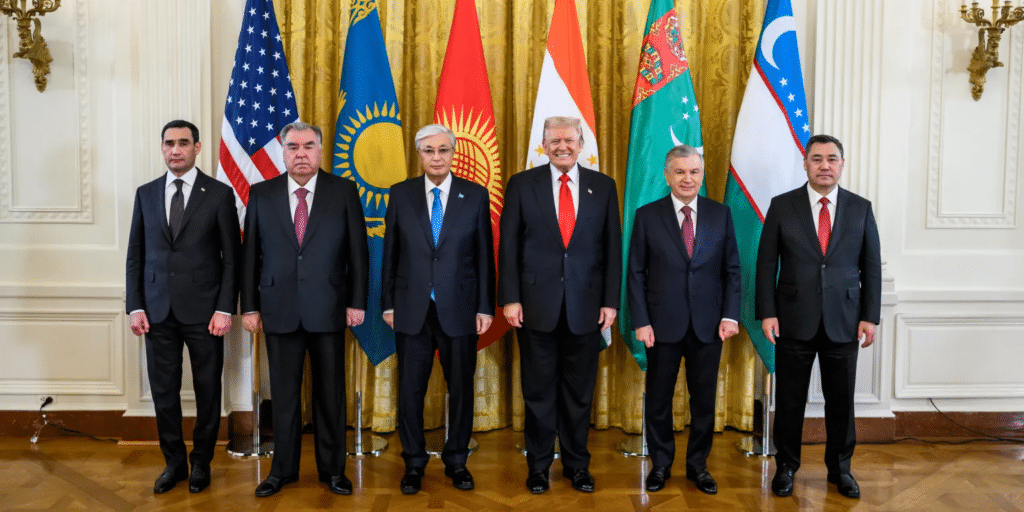
On April 17, 2026, Kazakhstan’s President Kassym-Jomart Tokayev addressed the issue during a diplomatic forum in Antalya, warning that excessive focus on trade routes and the Strait of Hormuz risks overshadowing the core problem, the nuclear issue.
“The essence of the problem lies in the proliferation of nuclear technologies and nuclear weapons. This must be the central topic of negotiations when it comes to the conflict around Iran,” Tokayev said.
Experts have since highlighted the complexity of the task facing policymakers: not only negotiating terms but physically removing enriched uranium from Iran. This would involve dealing with potentially damaged facilities, ensuring security, deploying specialist teams, defining transport routes, establishing international oversight, and determining a final destination for the material.
Against this backdrop, Tokayev’s remarks carry particular weight. While the United States is reported to be insisting not only on limiting future enrichment but also on transferring existing stockpiles, Iran is seeking to separate the nuclear issue from the broader regional crisis. Tokayev, by contrast, has emphasized that energy and shipping disruptions are symptoms of a deeper conflict, with the nuclear issue at its core.
Operation Sapphire
Following the collapse of the Soviet Union, Kazakhstan inherited the world’s fourth-largest nuclear arsenal, after Russia, the United States, and Ukraine. The country was also home to the Semipalatinsk nuclear test site, where the USSR carried out its first nuclear test in 1949. Over the next four decades, the USSR conducted 456 nuclear tests at the site.
The risks associated with uncontrolled nuclear proliferation have therefore had particular resonance in Kazakhstan. The test site was closed in 1991, after decades of environmental and human impact.
After gaining independence, Kazakhstan voluntarily renounced its nuclear arsenal. In 1994, it facilitated the removal of highly enriched uranium to the United States under a complex operation known as “Operation Sapphire,” details of which have since been published in U.S. and Kazakh accounts, including KNB-linked archive material released in 2021.
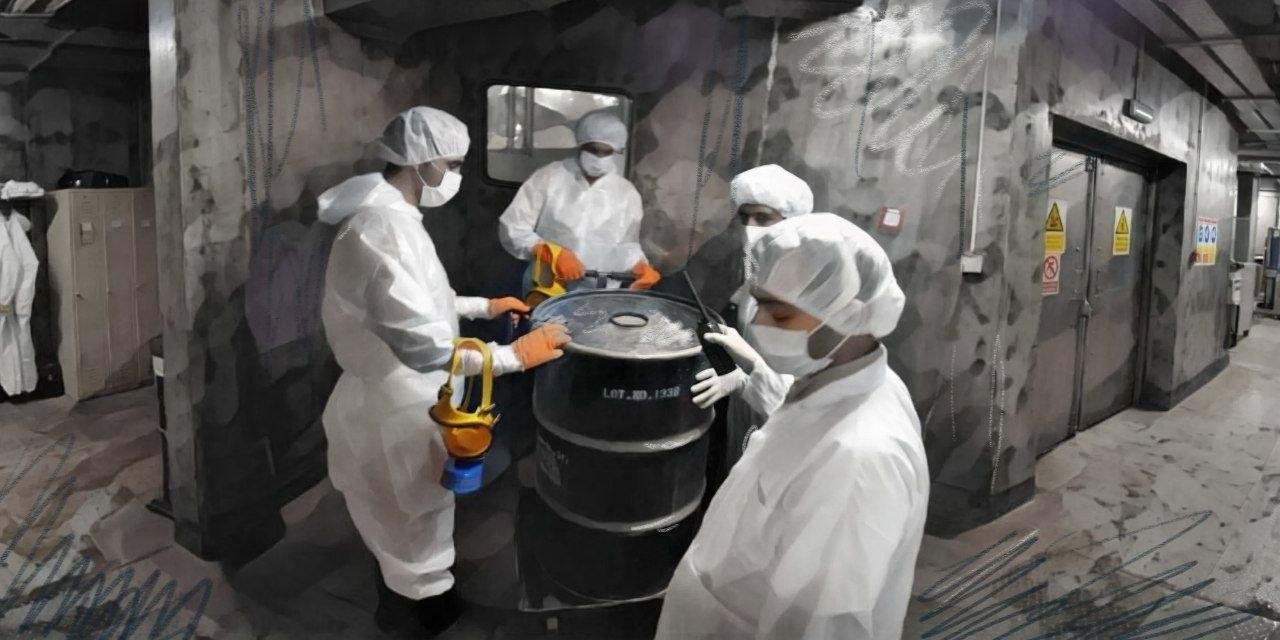
The operation involved the removal of approximately 600 kilograms of highly enriched uranium, reportedly enriched to about 90% U-235, from the Ulba Metallurgical Plant in Ust-Kamenogorsk. It required highly sophisticated technical and logistical planning and was conducted under strict secrecy to prevent leaks and deter interest from non-state actors, including terrorist groups.
A Legacy of Nuclear Diplomacy
Kazakhstan has also played a direct role in diplomatic efforts related to Iran’s nuclear program. In 2013, Almaty hosted two rounds of negotiations between Iran and the P5+1 group. While these talks did not produce a final agreement, they helped sustain the process that ultimately led to the 2015 Joint Comprehensive Plan of Action (JCPOA).
As part of the agreement’s implementation, Kazakhstan supplied Iran with 60 tons of natural uranium in exchange for the removal of low-enriched uranium from the country.
Although Kazakhstan did not play a leading role in the agreement, it served as a neutral platform and trusted partner. The country has built a strong international reputation for its commitment to nuclear non-proliferation. It maintains working relations with key stakeholders, including the United States, Iran, China, Russia, and Israel.
Lessons for Today
The situation in Iran is far more complex than Kazakhstan’s experience with Operation Sapphire, not least because Kazakhstan voluntarily relinquished its arsenal. The current Middle East crisis is broader in scope, involving multiple actors and potentially damaged or inaccessible nuclear facilities. For Iran, relinquishing nuclear materials would carry significant political costs.
Nevertheless, Kazakhstan’s experience offers a practical model for the safe removal of enriched uranium. Any future agreement with Iran will likely require either the removal or dilution of uranium while allowing the country to maintain access to peaceful nuclear energy.
The International Atomic Energy Agency would be expected to play a central role, and the involvement of a neutral country with a strong non-proliferation track record could help build trust. Notably, Kazakhstan hosts the IAEA Low Enriched Uranium Bank.
Tokayev’s remarks in Antalya serve as a reminder that discussions of trade routes or maritime disruptions must not overshadow the nuclear issue.
Any agreement will need to address practical questions: where the uranium will be stored, who will oversee the process, what Iran will receive in return, and which countries can serve as credible guarantors.
Kazakhstan may not be the only potential mediator, but its experience places it among the few nations that have successfully managed complex nuclear disarmament operations in practice. That experience could prove invaluable in de-escalating the current crisis.