• KGS/USD = 0.01144 0%
  • KZT/USD = 0.00211 0%
  • TJS/USD = 0.10678 0%
  • UZS/USD = 0.00008 0%
  • TMT/USD = 0.28490 0%
  • KGS/USD = 0.01144 0%
  • KZT/USD = 0.00211 0%
  • TJS/USD = 0.10678 0%
  • UZS/USD = 0.00008 0%
  • TMT/USD = 0.28490 0%
  • KGS/USD = 0.01144 0%
  • KZT/USD = 0.00211 0%
  • TJS/USD = 0.10678 0%
  • UZS/USD = 0.00008 0%
  • TMT/USD = 0.28490 0%
  • KGS/USD = 0.01144 0%
  • KZT/USD = 0.00211 0%
  • TJS/USD = 0.10678 0%
  • UZS/USD = 0.00008 0%
  • TMT/USD = 0.28490 0%
  • KGS/USD = 0.01144 0%
  • KZT/USD = 0.00211 0%
  • TJS/USD = 0.10678 0%
  • UZS/USD = 0.00008 0%
  • TMT/USD = 0.28490 0%
  • KGS/USD = 0.01144 0%
  • KZT/USD = 0.00211 0%
  • TJS/USD = 0.10678 0%
  • UZS/USD = 0.00008 0%
  • TMT/USD = 0.28490 0%
  • KGS/USD = 0.01144 0%
  • KZT/USD = 0.00211 0%
  • TJS/USD = 0.10678 0%
  • UZS/USD = 0.00008 0%
  • TMT/USD = 0.28490 0%
  • KGS/USD = 0.01144 0%
  • KZT/USD = 0.00211 0%
  • TJS/USD = 0.10678 0%
  • UZS/USD = 0.00008 0%
  • TMT/USD = 0.28490 0%

Viewing results 1 - 6 of 133

Opinion: The New Silk Road to the Sea – Connecting Central Asia to Karachi and Gwadar

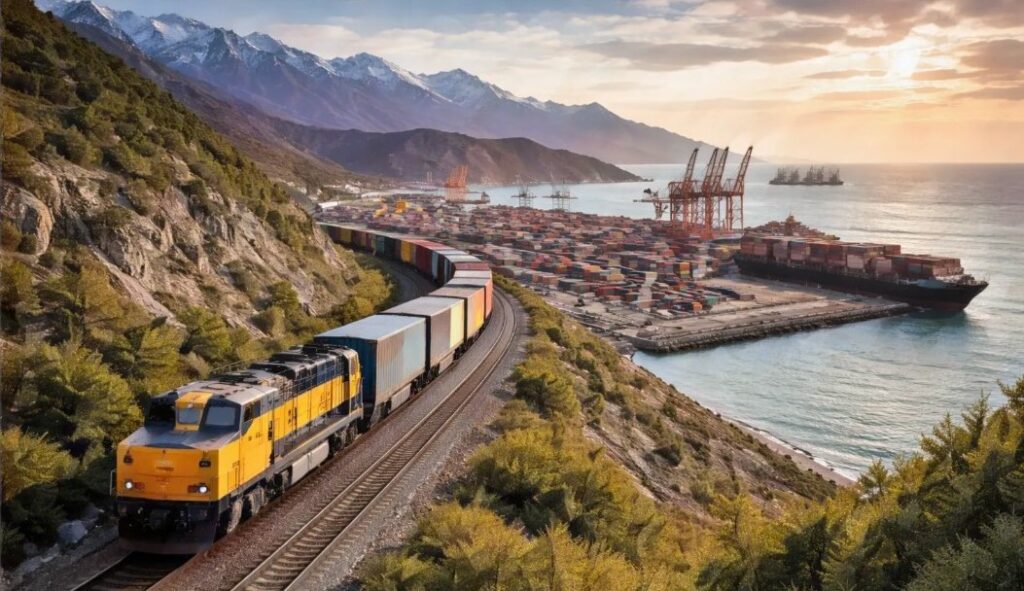
A historic shift is quietly but decisively reshaping the economic geography of Eurasia. On 5 February 2026, Pakistan and Kazakhstan agreed to elevate their bilateral relationship to a Strategic Partnership during the state visit of President Kassym-Jomart Tokayev to Pakistan— the first such visit by a Kazakh head of state in 23 years. This moment marked far more than a diplomatic renewal; it signaled a potential turning point in regional connectivity, one that could unlock long-suppressed economic potential across Central Asia and South Asia by overcoming longstanding geographical and logistical barriers. For decades, Central Asia’s landlocked status has imposed structural constraints on its economic growth. High transit costs, dependence on distant or politically sensitive routes, and extended distances to global markets have eroded competitiveness and limited diversification. These challenges were not the result of a lack of resources or ambition, but of geography itself. However, geography need no longer be destiny. Through strategic foresight—particularly under President Kassym-Jomart Tokayev—Kazakhstan and the wider Central Asian region have begun to convert constraint into opportunity by redefining connectivity. President Tokayev has consistently emphasized connectivity as the cornerstone of Kazakhstan’s long-term economic and strategic vision. During his engagements with Pakistan’s leadership, he demonstrated a clear understanding that sustainable prosperity for Central Asia depends on reliable, cost-effective access to warm-water ports. This conviction underpinned the decision to elevate Pakistan–Kazakhstan relations to a Strategic Partnership, recognizing Pakistan not merely as a bilateral partner, but as a gateway to global markets via the Arabian Sea. From a financial and logistical perspective, the implications are profound. Karachi and Gwadar are among the closest seaports to much of Central Asia, significantly closer than many traditional routes to global markets. Every additional kilometer of overland transit results in higher freight costs, longer delivery times, and reduced margins. By connecting Central Asia to Pakistani ports, Kazakhstan and its neighbors stand to substantially lower transportation costs, enhance export competitiveness, and attract greater foreign investment into manufacturing, mining, agriculture, and value-added industries. The most immediate and strategically sound connectivity model emerging from this partnership bypasses the troubled terrain of Afghanistan, long viewed as a chokepoint for regional trade. Under this framework, goods could move seamlessly from Karachi through Pakistan’s railway network to Haripur, then onward via the Karakoram Highway into China. From there, the cargo would seamlessly integrate with the China–Kazakhstan railway system through the established Dostyk–Alashankou corridor. This route is not theoretical; it builds on existing infrastructure, proven logistics, and political stability across all participating states. Financially, this corridor offers predictability—an essential ingredient for trade and investment. Reduced insurance premiums, fewer delays, and stable regulatory environments translate into lower transaction costs. For Central Asian exporters, particularly Kazakhstan, this means improved access to South Asian, Middle Eastern, and African markets. For Pakistan, it positions Karachi and Gwadar as indispensable nodes in Eurasian supply chains, generating port revenues, transit earnings, employment, and industrial growth. At the same time, Kazakhstan’s leadership has demonstrated pragmatic flexibility by supporting additional connectivity options. Regional discussions have included the possibility...

Uzbekistan, Pakistan Set $2 Billion Trade Target Following High-Level Talks in Islamabad

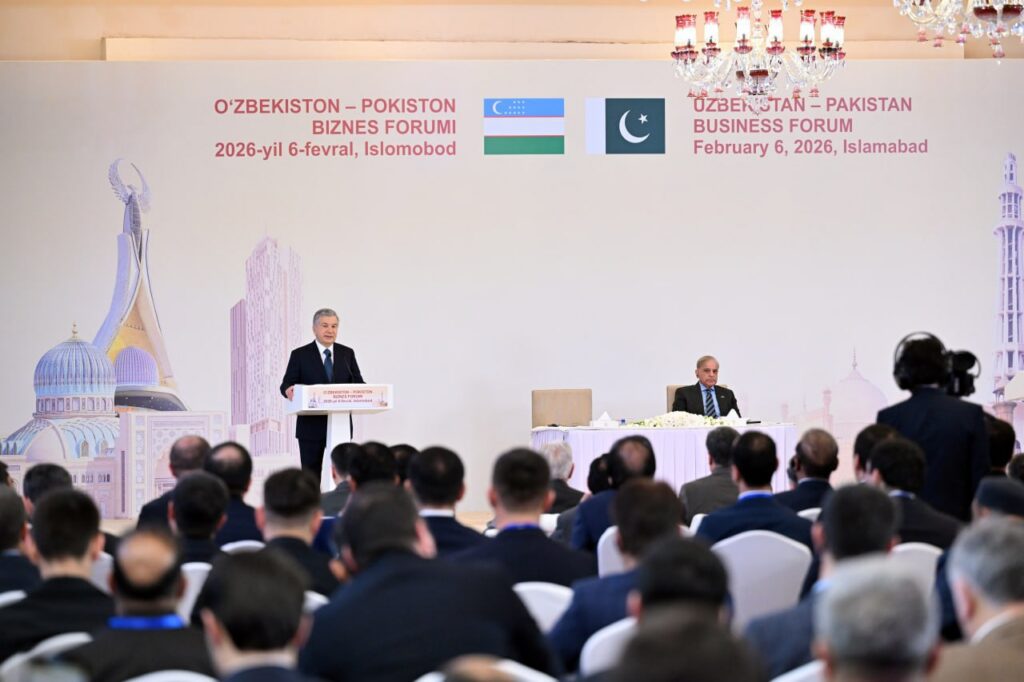
Uzbek President Shavkat Mirziyoyev arrived in Islamabad on a state visit on February 5, marking a new chapter in Uzbekistan-Pakistan relations. According to official sources, the Uzbek leader’s aircraft was escorted by Pakistan Air Force fighter jets upon entering the country’s airspace. At Nur Khan Airbase, Mirziyoyev was received by President Asif Ali Zardari, Prime Minister Shehbaz Sharif, and senior Pakistani officials. Shortly after his arrival, Mirziyoyev visited the headquarters of Global Industrial & Defence Solutions, where he met with Pakistan’s Chief of Army Staff, Field Marshal Asim Munir. The two sides discussed strengthening the strategic partnership, with an emphasis on military and military-technical cooperation. Areas of focus included deepening collaboration between defense industry enterprises, expanding training for military personnel, sharing operational experience, and organizing joint exercises. Both countries agreed to draft a roadmap for future defense cooperation. Later that day, Mirziyoyev held one-on-one talks with Prime Minister Sharif and chaired the inaugural meeting of the High-Level Strategic Cooperation Council. At the meeting’s outset, the Uzbek president extended greetings in advance of the holy month of Ramadan and Pakistan Day. Discussions centered on implementing existing agreements and expanding cooperation across political, economic, and humanitarian spheres. Trade and economic cooperation featured prominently. Bilateral trade reached nearly $500 million by the end of last year, and approximately 230 Pakistani-capital companies are currently operating in Uzbekistan. Air connectivity and banking ties between the two countries are also expanding. Ongoing joint ventures span textiles, pharmaceuticals, chemicals, agriculture, and other sectors. An exhibition of Uzbek industrial products is being held in Islamabad as part of the visit. The two leaders agreed to set a goal of raising bilateral trade turnover to $2 billion in the near future. Key measures include expanding the list of goods under the Preferential Trade Agreement, easing phytosanitary requirements for Uzbek agricultural exports, and increasing the use of Uzbekistan’s trade houses in Lahore and Karachi. A joint project portfolio valued at nearly $3.5 billion has already been developed. Transport and logistics were another central topic. Both sides emphasized the strategic importance of advancing the Trans-Afghan railway and supporting the Pakistan-China-Kyrgyzstan-Uzbekistan transport corridor. They also agreed to establish an Uzbek-Pakistani Forum of Regions, with the inaugural meeting scheduled to take place this year in Uzbekistan’s Khorezm region. Cultural cooperation was also addressed. Plans include hosting Uzbekistan Culture Weeks and Uzbek Cinema Days in Pakistan and exploring the creation of a joint cultural center in Lahore dedicated to the Baburid heritage. The visit concluded with the signing of a Joint Declaration and a series of agreements spanning diplomacy, trade, defense, transport, agriculture, digital technologies, culture, security, and regional cooperation. Mirziyoyev also extended an invitation to Prime Minister Sharif for a return visit to Uzbekistan.

Kazakhstan Bets on Pakistan for Central Asian Connectivity

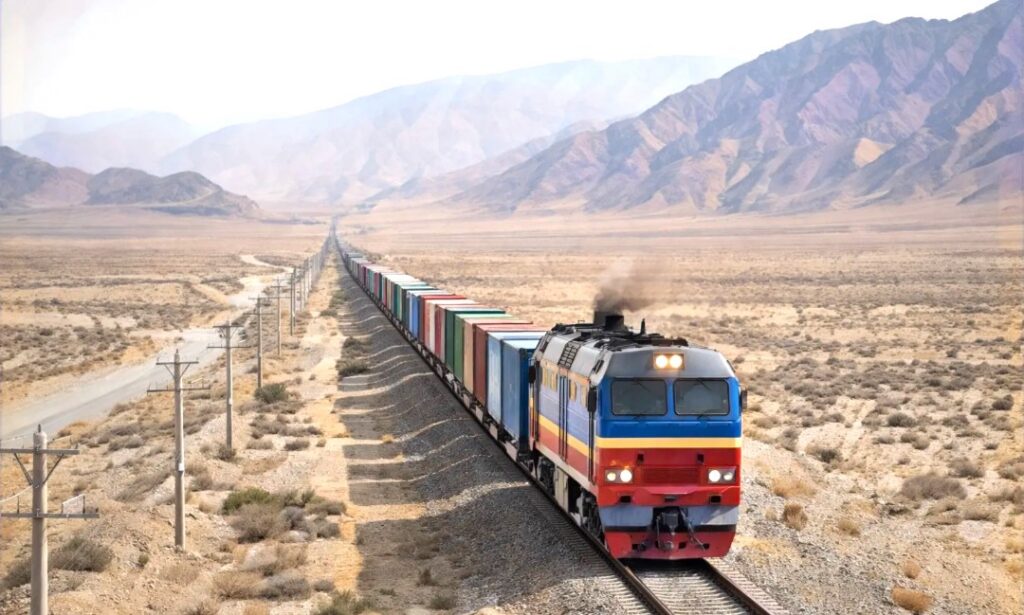
In early February, Kazakh President Kassym-Jomart Tokayev made a historic visit to Pakistan. The last such visit was a two-day trip in 2003 by then-President Nursultan Nazarbayev, during which he met with the Pakistani president at the time, General Pervez Musharraf. Kazakhstan’s outreach to Pakistan reflects a broader recalibration of its connectivity strategy, as Astana looks to secure more reliable southbound trade routes amid shifting geopolitical and logistical constraints across Eurasia. The topic of connectivity was already on the table in 2003, and it was also one of the most important issues during the latest visit, with Tokayev discussing the issue with Pakistani Prime Minister Shehbaz Sharif. The trip culminated in the signing of 37 agreements in various fields, including strategic sectors such as mining and, more generally, trade, with the aim of increasing trade from the current $250 million to $1 billion. Official statements indicate that both sides are aiming to reach that target within approximately the next two years. From a political point of view, the bilateral relationship has been elevated to the rank of Strategic Partnership. In an official statement released following the visit, great importance was placed upon the issue of connectivity and logistics between South and Central Asia. From this point of view, the Kazakhstan-Turkmenistan-Afghanistan-Pakistan railway took center stage. If completed, the project would connect Kazakhstan to the ports of Karachi and Gwadar and allow Pakistan to be included in the North–South International Transport Corridor and Trans-Caspian Middle Corridor logistics routes. Speaking to the Pakistani media in the days leading up to Tokayev's trip, the Kazakh ambassador to Pakistan, Yerzhan Kistafin, stated Astana's willingness to fully finance the construction of the infrastructure, at a total cost of around $7 billion. Kazakhstan's move represents an acceleration of a logistical competition in this arena involving various players, with some at the forefront, such as Pakistan and Iran, and others further behind, such as China and India. It has been talked about for some time, but the backbone of the Kazakhstan-Turkmenistan-Afghanistan-Pakistan railway has only recently begun to take shape, as confirmed to The Times of Central Asia by Dr. Nargiza Umarova, Head of the Center for Strategic Connectivity at the Institute for Advanced International Studies (IAIS), Uzbekistan: “In 2024, Kazakhstan joined the project to construct a railway through Afghanistan, also known as the western trans-Afghan route. The Turkmenistan-Afghanistan-Pakistan (TAP) railway corridor is designed to integrate the transport systems of Central and South Asia, which will stimulate trade and economic ties between the two regions. The TAP railway, which runs through western Afghanistan to the border with Pakistan, could be extended to Pakistani ports on the Indian Ocean. This would provide Central Asian countries with an alternative route to the open seas in addition to the southern ports of Iran.” Pakistan's importance as the destination for Kazakhstan's logistics ambitions was confirmed by Dr. Marriyam Siddique, Assistant Professor at the Pakistan Navy War College in Lahore: “Pakistan serves as the primary maritime gateway for Kazakhstan’s 'land-linked' strategy, offering the shortest...

Kazakhstan’s Falcon EuroBus to Supply 600 Electric Buses to Pakistan

Falcon EuroBus, founded in 2018 in Almaty, has signed an agreement with Pakistan to supply 600 electric buses. The deal is one of the largest export contracts for Kazakhstan’s engineering industry in the public transport sector. Falcon EuroBus produces a range of buses that meet European quality standards. The company’s current production capacity stands at 1,500 buses per year, with plans to expand it to 3,000 units. Uzbekistan and Mongolia have already expressed interest in its products, and Pakistan has now joined that list. A memorandum on the supply of electric buses was signed between Falcon EuroBus and Pakistani carrier OGCC International at the Kazakhstan–Pakistan business forum in Islamabad, held during the state visit of President Kassym-Jomart Tokayev. The first deliveries are scheduled to begin in April. The contract covers 600 electric buses and is valued at $108 million. By 2027–2028, the company plans to increase exports to Pakistan to 2,000 buses, including vehicles designed for transporting schoolchildren. “We carry out the full production cycle for buses. For us, this is an entry into a large market. In addition to the current contract, agreements have been reached on the prospects of supplying 2,000 school buses,” said Murat Adilkhanov, chairman of the board of directors of Falcon EuroBus. Kazakhstan’s Ministry of Trade and Integration described the agreement as strategically important for promoting the Made in Kazakhstan brand and expanding exports of high-tech products. A total of 32 commercial documents were signed at the forum. Samruk-Kazyna JSC and Pakistan’s Fauji Group agreed to establish a joint investment platform. Kazakhstan Temir Zholy and Pakistan’s National Logistics Corporation reached an agreement on cooperation in multimodal transport. Kazposhta signed memoranda with Pakistan Post and TCS Private Limited. The Aktau Seaport and the Port of Karachi also agreed to expand cooperation. The Times of Central Asia previously reported that more than 171,000 vehicles were produced in Kazakhstan in 2025, a record for the industry. Output of commercial vehicles, including buses, reached 12,200 units, up 8% year on year.

Pakistani Developer Proposes “New Uzbekistan” Complex in Islamabad

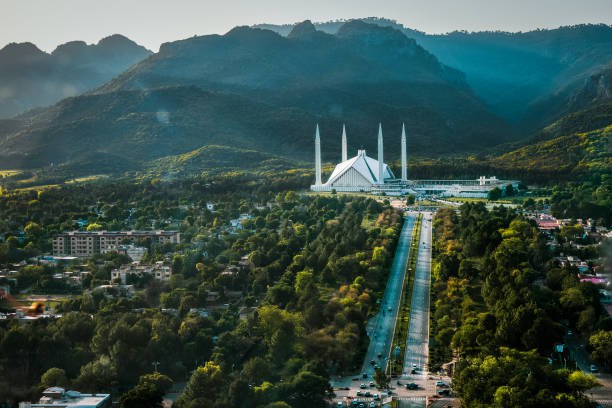
Uzbekistan and Pakistan are exploring new avenues for cooperation in urban development, with discussions underway to construct a “New Uzbekistan” residential complex and park in Pakistan's capital Islamabad. The talks were reported by the Dunyo news agency following a meeting between Uzbekistan’s Ambassador to Pakistan Alisher Tukhtaev and representatives of Pakistani developer Habib Rafiq Pvt. Ltd. According to Dunyo, both sides discussed launching joint initiatives and strengthening long-term partnerships. Tukhtaev briefed the company’s leadership on Uzbekistan’s investment climate, including the role of free economic zones, the nationwide construction of New Uzbekistan residential areas, and the ongoing New Tashkent city project. He also highlighted the tax and customs incentives available to foreign investors, administrative support for large-scale developments, and Uzbekistan’s strategic location along key Eurasian transport corridors. Habib Rafiq’s General Manager, Aslam Malik, praised Uzbekistan’s reform efforts, stating that they offer “very favorable conditions for foreign investors, especially in construction and infrastructure.” He noted that simplified procedures and expanded business guarantees are already yielding results. “We are well aware of the changes taking place in Uzbekistan’s construction sector,” Malik said. “In recent years, the country has gained substantial experience in infrastructure development, modern housing, and new urban planning. We are interested in studying this experience and participating in future projects.” The Pakistani side also showcased its flagship Capital Smart City development, a large-scale project near Islamabad covering 2,800 hectares. The complex already features residential buildings, schools, kindergartens, sports facilities, and modern recreational parks. Construction is also underway on Silicon Village, envisioned as a local version of Silicon Valley. Malik proposed establishing a New Uzbekistan residential area and park within Capital Smart City, contributing to projects in New Tashkent, and organizing leadership visits to Uzbekistan. He also invited leading Uzbek construction companies to participate in projects in Pakistan. Abid Kabir Chima, CEO of Silicon Village, expressed interest in expanding cooperation with Uzbekistan’s technopark.

Icy Relations Between Pakistan and Afghanistan Threaten Central Asian Trade Plans

On November 25, the Afghan authorities accused Pakistan of a new round of airstrikes in eastern Afghanistan. The bombing killed nine children and a woman, injuring several others. The attacks are the latest escalation in rapidly worsening tensions between Islamabad and the Taliban-led government in Kabul, with key border crossings currently closed, and Afghan refugees being expelled from Pakistan. At the heart of the crisis is Pakistan’s claim that Kabul is providing support to the Tehrik-e-Taliban Pakistan (Pakistani Taliban, or TPP), a militant group seeking to topple Pakistan’s government and impose its strict interpretation of Islamic law. The fallout may ripple beyond bilateral relations, with significant consequences for Central Asian trade, particularly the Pakistan-Afghanistan-Uzbekistan plan for a Trans-Afghan railway. The planned 647-kilometer line is set to connect the northern Afghan city of Mazar-e-Sharif with Peshawar in Pakistan. When combined with existing infrastructure, this will mean that trains can travel from southern Uzbekistan all the way to the Pakistani ports of Gwadar and Karachi, granting landlocked Uzbekistan and Afghanistan a long-sought gateway to the Indian Ocean. But mounting instability, along with Islamabad’s willingness to shut borders as leverage, may now place the project in serious jeopardy. “The moment a state weaponizes geography, every financier in Tashkent, Moscow, or Beijing prices in risk, delays commitments, and quietly explores alternative alignments,” Anant Mishra, Marie Skłodowska-Curie Research Fellow at the International Centre for Policing and Security at the University of South Wales, told The Times of Central Asia. So, what are the prospects for salvaging the Trans-Afghan railway? How can Pakistan and Afghanistan de-escalate? And what does this turmoil mean for Central Asia’s wider economic ambitions? A sudden frost On July 17, Uzbekistan’s Transport Minister Ilkhom Makhkamov, Pakistan’s Railway Minister Muhammad Hanif Abbasi, and Afghanistan’s acting Public Works Minister Mohammad Esa Thani signed an agreement to conduct a feasibility study for the proposed railway. Many hoped the railway would presage a new era of fraternal relations between Central and South Asia. “Civil society, the intelligentsia, media, and business community of Pakistan have been loudly calling for intimate trade relations with the Central Asian Republics,” Khadim Hussain, Research Director at the Centre for Regional Policy and Dialogue (CRPD), Islamabad, told TCA. For Uzbekistan, which has aggressively pursued diversification of trade routes to reduce reliance on transit through Iran and Kazakhstan, the project promised a cheaper, faster corridor to global markets. According to Nargiza Umarova, Head of the Center for Strategic Connectivity at the Institute for Advanced International Studies, University of World Economy and Diplomacy in Tashkent, the trans-Afghan is one of two high-priority transport projects, along with the China-Kyrgyzstan-Uzbekistan railway – work on which began in April 2025. But the ink had barely dried on the July accord when tensions between Afghanistan’s Taliban government and Islamabad began escalating, throwing the ambitious railway into doubt. [caption id="attachment_40211" align="aligncenter" width="1600"] Uzbek passenger and freight trains parked in Andijan; image: TCA, Joe Luc Barnes[/caption] In early October, Pakistan launched an airstrike in Kabul targeting the leader of the...