• KGS/USD = 0.01143 0%
  • KZT/USD = 0.00205 0%
  • TJS/USD = 0.10433 0.1%
  • UZS/USD = 0.00008 0%
  • TMT/USD = 0.28577 0%
  • KGS/USD = 0.01143 0%
  • KZT/USD = 0.00205 0%
  • TJS/USD = 0.10433 0.1%
  • UZS/USD = 0.00008 0%
  • TMT/USD = 0.28577 0%
  • KGS/USD = 0.01143 0%
  • KZT/USD = 0.00205 0%
  • TJS/USD = 0.10433 0.1%
  • UZS/USD = 0.00008 0%
  • TMT/USD = 0.28577 0%
  • KGS/USD = 0.01143 0%
  • KZT/USD = 0.00205 0%
  • TJS/USD = 0.10433 0.1%
  • UZS/USD = 0.00008 0%
  • TMT/USD = 0.28577 0%
  • KGS/USD = 0.01143 0%
  • KZT/USD = 0.00205 0%
  • TJS/USD = 0.10433 0.1%
  • UZS/USD = 0.00008 0%
  • TMT/USD = 0.28577 0%
  • KGS/USD = 0.01143 0%
  • KZT/USD = 0.00205 0%
  • TJS/USD = 0.10433 0.1%
  • UZS/USD = 0.00008 0%
  • TMT/USD = 0.28577 0%
  • KGS/USD = 0.01143 0%
  • KZT/USD = 0.00205 0%
  • TJS/USD = 0.10433 0.1%
  • UZS/USD = 0.00008 0%
  • TMT/USD = 0.28577 0%
  • KGS/USD = 0.01143 0%
  • KZT/USD = 0.00205 0%
  • TJS/USD = 0.10433 0.1%
  • UZS/USD = 0.00008 0%
  • TMT/USD = 0.28577 0%

Viewing results 1 - 6 of 13

UK Expands Strategic Engagement in Central Asia Amid Growing Global Competition

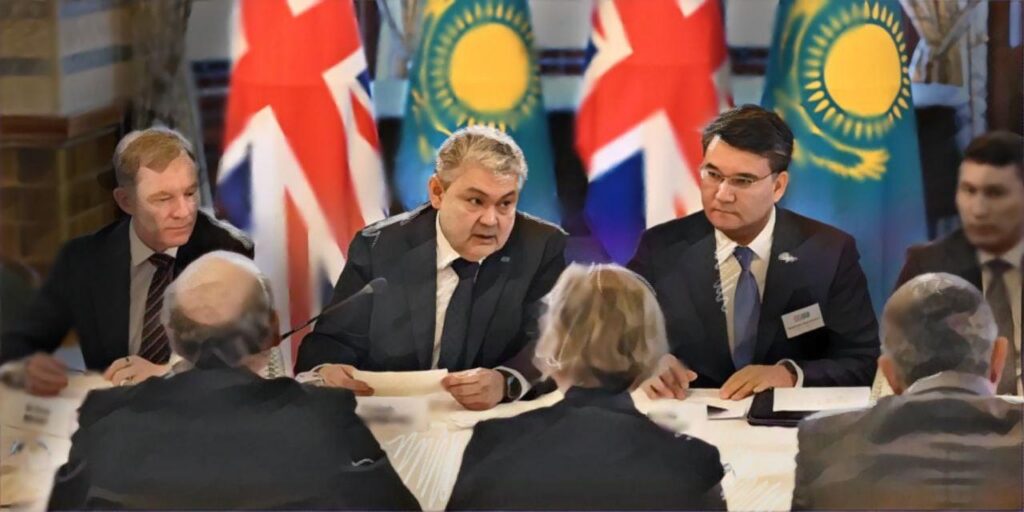
The world’s largest economies have recently increased their focus on Central Asia. The United Kingdom, alongside the U.S., the European Union, and China, is seeking to strengthen partnerships in a region that was previously not among its top foreign policy priorities. Britain Replicates an Established Format Throughout the years of independence, Kazakhstan and its regional neighbors were often perceived as operating within Russia’s sphere of influence. The war in Ukraine and broader geopolitical shifts have altered international attitudes toward Central Asia. Major powers are now intensifying dialogue with the region, with particular emphasis on economic cooperation. At the end of February, foreign ministers met in London under the Central Asia-UK (CA5+1) format. Although this was the first meeting of its kind in the British capital, the format mirrors similar mechanisms already used by the U.S., the European Union, Russia, China, and Japan. Participants noted that the CA5+1 format has proven to be an effective mechanism for structured and substantive engagement with external partners. The regional agenda is addressed comprehensively, reflecting Central Asian priorities while creating additional opportunities to advance economic initiatives and implement joint projects. Particular attention has been paid to trade diversification, industrial cooperation, sustainable infrastructure development, and unlocking Central Asia’s potential in critical minerals and renewable energy. The meeting also covered economic growth prospects, key challenges facing Central Asian economies, and the expansion of trade and investment. Logistics was a central topic, including the development of the Trans-Caspian International Transport Route, widely known as the Middle Corridor. British Foreign Secretary Yvette Cooper emphasized the strategic importance of Central Asia as a dynamically developing region characterized by sustained economic growth, expanding regional cooperation, and a growing role in international affairs. According to the British participants, the region’s countries are pursuing a pragmatic approach, strengthening connectivity and expanding their participation in shaping a modern architecture of economic and political cooperation. Education and Finance Interest in British education continues to grow across all five Central Asian countries. Four branches of British universities are operating in Kazakhstan, and nearly 6,000 students have earned British degrees through the Bolashak international scholarship program. Uzbekistan and Kyrgyzstan have announced plans to establish international financial centers modeled on the Astana International Financial Centre in Kazakhstan. British Ambassador to Uzbekistan Timothy Smart said that work is underway to create an international financial center in Tashkent based on international arbitration standards. Like the Astana model, the new center will operate under English common law. British Ambassador to Kyrgyzstan Nicholas Bowler highlighted London’s role in assisting with legislation for the International Dispute Resolution Center, which will operate under English law and be located in the Issyk-Kul region. Greater participation by Central Asian companies on the London Stock Exchange is also anticipated. Logistics and Resources British diplomats have placed particular emphasis on cooperation in critical minerals, a priority within the United Kingdom’s global strategy. Projects are underway across the region, accompanied by new agreements and industrial partnerships. Agreements have reportedly been reached between the Kazakh producer Zhezkazganredmet and the British...
Uzbekistan’s Ambassador to Kazakhstan on Regional Integration and a Shifting Global Order

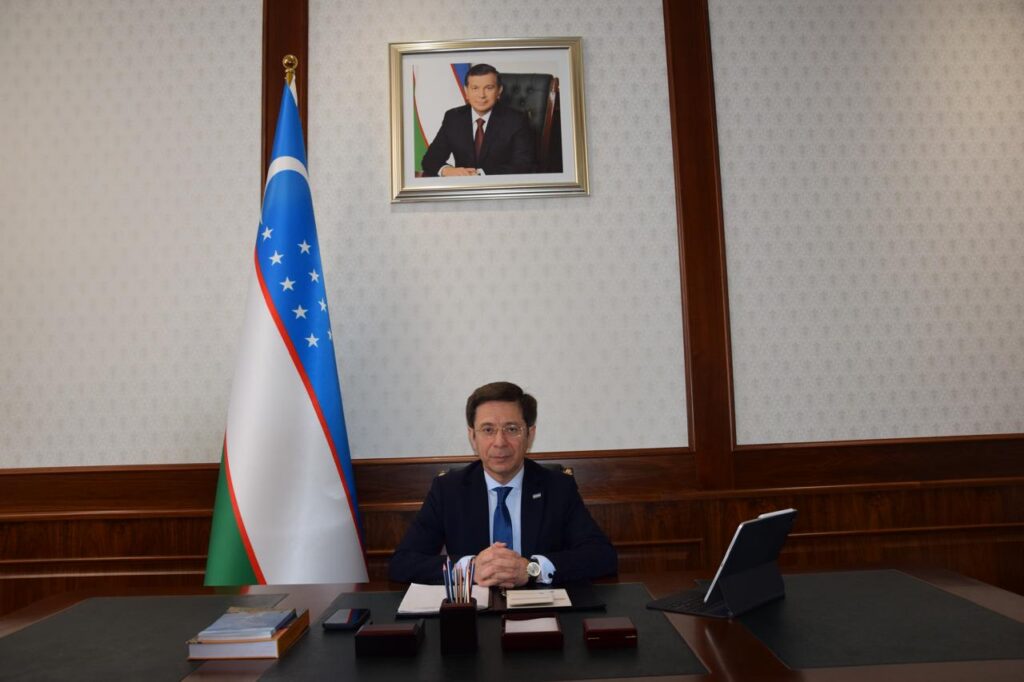
Amid shifting regional dynamics and an evolving global order, Uzbekistan has emerged as one of Central Asia’s most proactive diplomatic and economic actors. Since 2016, Tashkent has pursued an ambitious reform agenda at home while expanding cooperation with its neighbors and major global powers. In a wide-ranging interview with TCA, His Excellency Bakhtiyor Ibragimov, Ambassador Extraordinary and Plenipotentiary of the Republic of Uzbekistan to Kazakhstan, discusses regional integration, strategic partnerships, Afghanistan, China, and the future of economic diplomacy in Central Asia. TCA: Mr. Ambassador, Uzbekistan has demonstrated significant economic progress in recent years. What do you see as the key drivers behind this success? Ambassador Ibragimov: First of all, welcome to the Embassy of the Republic of Uzbekistan in Astana. We are familiar with your publication. We read it often, follow it, and analyze it. I would start with President Shavkat Mirziyoyev taking office at the end of 2016. It is no secret that until 2016, the Republic of Uzbekistan, despite its potential, was a fairly closed country. Our president always asks us, his representatives abroad, to speak openly about this. You cannot rewrite history or hide it. Relations with our neighbors were, frankly, at a very low level, and with some, there were no relations at all. The end of 2016 was a turning point, when reforms were not only declared but implemented and are now yielding results. One of President Mirziyoyev’s first foreign-policy priorities was normalization, and I want to emphasize this: normalization and then improving relations with neighbors. There is a saying in Uzbekistan: "If your neighbor is doing well, then you will also do well." Today, nearly a decade later, we can see that this policy is yielding results. Please note: this is not my personal assessment, but the assessment of international experts who recognize that the President has managed to achieve what once seemed impossible. I am speaking about regional integration with our neighbors. For example, a key issue for Central Asia is water. Many analysts warn that competition for water resources could, in the future, become a potential source of conflict. Two main rivers feed the region. Unfortunately, due to climate change, water volumes are not increasing year by year, while consumption is rising. We have managed to resolve almost all issues to date. In particular, based on the level of accumulation in the autumn-winter period in the upper reaches of the Amu Darya and Syr Darya rivers, and taking into account irrigation needs during the growing season, our water specialists jointly agree on and ensure the necessary water discharge within an agreed time frame. Uzbekistan, as you know, is located in the very center of Central Asia, bordering all Central Asian states, as well as Afghanistan. Today, border issues have largely been resolved. The final chord was struck on March 31, 2025, when the leaders of Uzbekistan, Tajikistan, and Kyrgyzstan signed an agreement on the border junction point, confirming the point of convergence of the three countries’ state borders. It should also be...

UK-Based Really English Partners with Tajikistan’s Education Ministry

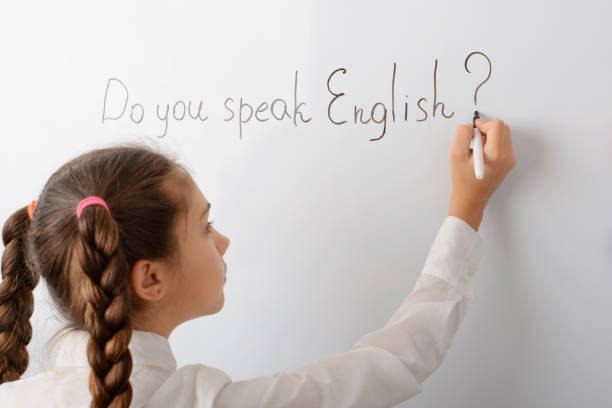
Tajikistan is deepening its educational cooperation with the United Kingdom through a new agreement between the Ministry of Education and Science and British digital learning firm Really English. The partnership aims to roll out English language and digital education programs across Tajikistan’s universities. First Deputy Minister of Education and Science, Homid Khoshimzoda, held talks in Dushanbe with Nigel Killick, head of Really English, to define the cooperation framework. The two sides explored ways to broaden English instruction, adopt modern pedagogical methods, and deploy innovative digital learning tools. Khoshimzoda welcomed the British initiative, saying that English proficiency remains a top priority in Tajikistan’s educational policy as it broadens students’ access to global academic and professional opportunities. Killick thanked the ministry for its support and affirmed Really English’s commitment to designing interactive English courses, boosting teacher training, and building university partnerships in Tajikistan. Founded in London in 1999, Really English creates digital tools for learning English—from foundational courses to test preparation. The company works with more than 1,000 corporate clients and over 300 educational institutions worldwide, offering academic, business, and conversational English courses, as well as tailored university programs. Advancing Tajik-British Educational Cooperation The agreement marks another milestone in Tajikistan’s broader push to internationalize its education system. In recent years, Dushanbe has actively built academic partnerships with British institutions. On May 31, representatives of the State Agency “Center for International Programs” met with officials from the University of Greenwich to discuss Tajik students’ access to international programs, scholarships, and internships, particularly in economics, finance, and management. British university representatives reaffirmed their support for joint initiatives and expressed readiness to expand academic exchanges and scholarship offerings for Tajik students. British Support for Innovation and Teacher Development The UK has increased its educational engagement across Central Asia in recent years. In 2022, the British Council resumed operations in Tajikistan with a focus on improving teacher training and English language instruction. Joint initiatives with the Ministry of Education and Science have helped modernize curricula and expand STEM and digital education. With UK support, robotics and programming courses have been introduced for schoolchildren, and Tajik universities, including the Tajik National University (TNU), have launched partnerships with British institutions such as the University of Central Lancashire. The UK is also strengthening educational cooperation in other Central Asian states. In Turkmenistan, British experts are working on teacher training and curriculum development, and Chevening Scholarships continue to be available to Turkmen students. In May 2025, Turkmenistan participated in the World Education Forum in London, where global education trends were discussed.

USAID Launches Green Solutions in Kyrgyzstan

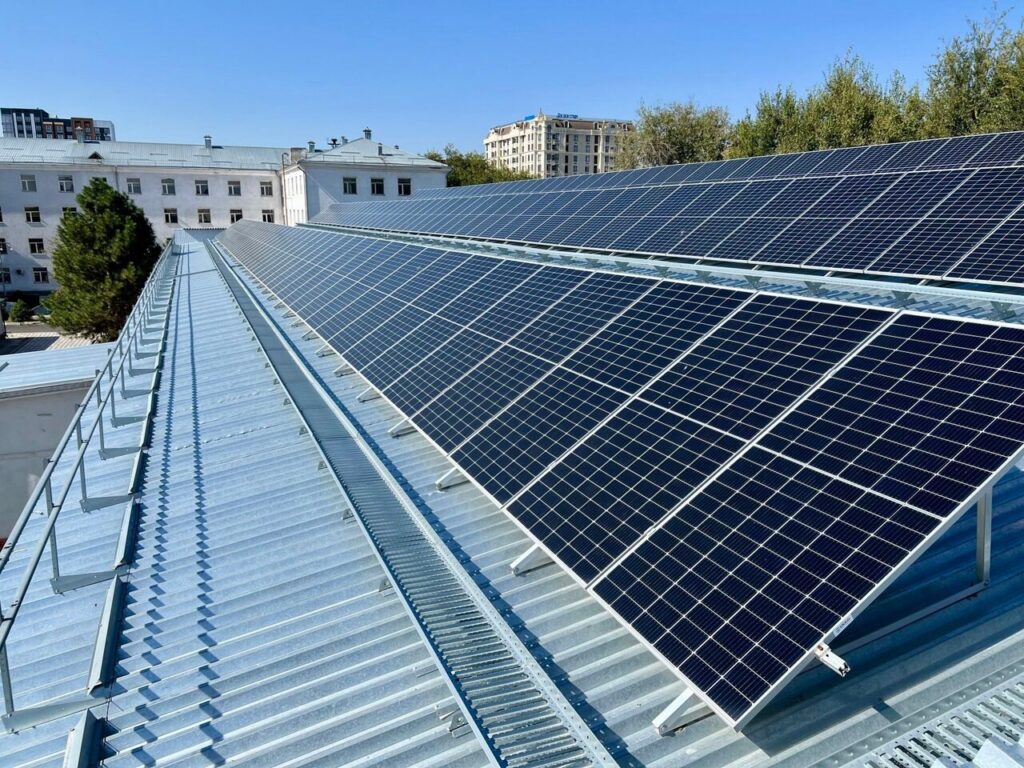
The United States Agency for International Development (USAID) has announced a new U.S. government-sponsored Green Solutions Activity. This five-year initiative backed by a $24 million investment aims to empower small and medium enterprises in Kyrgyzstan to adopt innovative green solutions, enhance energy efficiency, and increase the supply of renewable energy, the U.S. Embassy in Bishkek reported. “This investment marks a pivotal moment in the U.S. government’s commitment to building a greener future in close partnership with the Government of the Kyrgyz Republic. USAID will partner with local businesses and offer grants to adopt green solutions and technologies. Importantly, we will also work with local banks and financial institutions to advance green finance initiatives,” USAID Deputy Assistant Administrator Änjali Kaur stated at the launch event in Bishkek. The launch event occurred at Kyrgyzstan’s first rooftop grid-connected photovoltaic solar plant at the Kyrgyz State Technical University. Developed with USAID support and officially inaugurated in December 2023, the 80-kilowatt solar power installation can generate 143,037 kilowatt hours annually. It not only powers the university but also enables it to sell excess electricity back to the grid, effectively helping to offset operational costs and modeling a more sustainable energy future for the region. USAID is supporting the Kyrgyz government’s green economy initiative to diversify its energy sources into various clean energy forms. The regional Power Central Asia activity focuses on energy sector connectivity and decarbonization, energy security and resilience, and expanded cross-border electricity trade. Additionally, the USAID Future Growth Initiative and USAID Agro Trade Activity promote green production.

Kazakhstan and Tajikistan to Cooperate Over Rare-Earth Metals

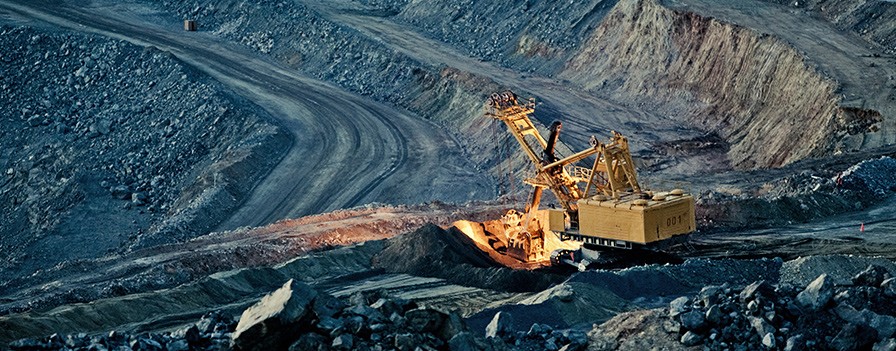
Kazakhstan’s national atomic company, Kazatomprom, the world's largest producer of uranium, has announced a new strategic partnership with Tajikistan’s TajRedMet (Tajik Rare Metals) in the mining and processing of uranium and rare and rare-earth metals. According to the parties' agreement, the companies will collaborate in exploring, mining, and processing uranium and other rare and rare-earth metals, conducting research and development work, introducing innovative technologies, and training personnel. Meirzhan Yussupov, CEO of Kazatomprom, commented: “This step is of great importance for strengthening the partnership between our companies. Although it is too early to talk about specific results, we are focused on promising joint projects in the uranium industry and rare and rare-earth metals, which can significantly benefit Kazakhstan and Tajikistan.” As part of the agreement, TajRedMet representatives will soon visit Kazakhstan to inspect Kazatomprom's production facilities and assess the potential for further cooperation in more detail. According to an IAEA research paper, Tajikistan has significant mineral resources awaiting development, including rare metals, earth elements, and uranium. Several countries have expressed interest in the development of Tajikistan’s uranium resources. Russia was considering assisting Tajikistan in developing its uranium resources, as well as assisting in geological prospecting, with the aim of involvement in the subsequent extraction and possible processing of uranium. China’s Guangdong Corporation has also expressed an interest in participating in projects to develop Tajik uranium deposits. The Tajik government has also agreed to allow Indian companies to explore for uranium mineralization. In his address to parliament in December 2023, Tajik President Emomali Rahmon ordered the government to focus on mining lithium, tungsten, nickel, and antimony, and develop a program for processing these metals domestically into finished products.

ADB New Partnership Strategy for Uzbekistan Focuses on Transition to Green Economy

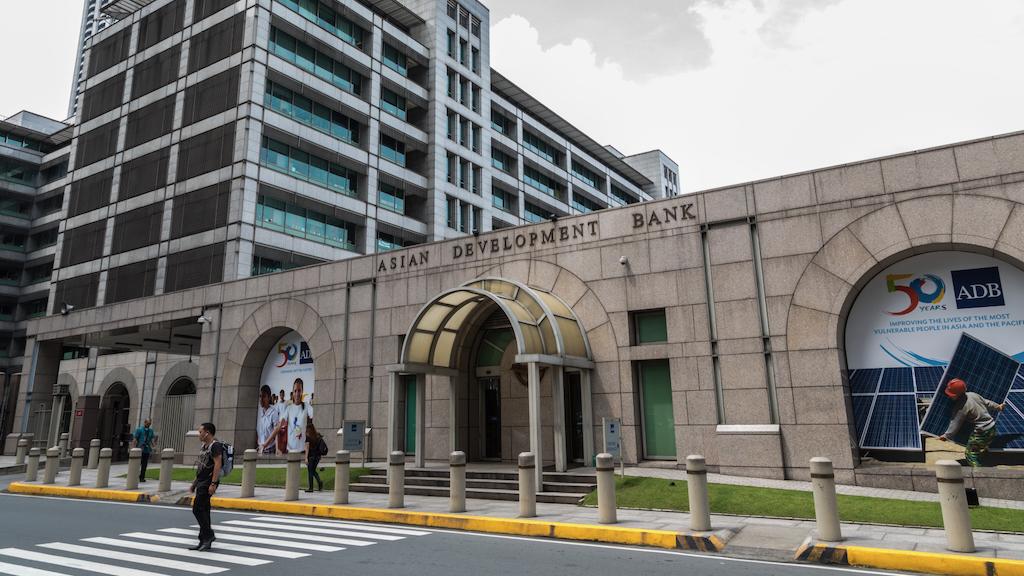
On August 27, the Asian Development Bank (ADB) announced the launch of a five-year country partnership strategy for Uzbekistan from 2024 to 2028. The strategy will support the country’s reforms to transform into a green and inclusive economy. Aligned with the government’s priorities in its long-term development plan, known as “Uzbekistan-2030,” the ADB strategy will assist the Uzbek government in facilitating the country’s transition to a green economy, supporting private sector development and competitiveness, and promoting investments in human capital. ADB's Director General for Central and West Asia, Eugene Zhukov, commented: “ADB’s new partnership strategy for Uzbekistan will support the country in achieving its strategic goals in transitioning to a green economy by 2030. As a long-term trusted partner of Uzbekistan, ADB remains committed to helping the country sustain its robust economic expansion and reduce poverty even amid external global and regional shocks.” The new strategy provides ADB interventions in various sectors, including energy, public sector management and governance, finance, transport, agriculture and natural resource management, and urban development. The bank will also support development in education and social protection. ADB will strengthen macroeconomic and fiscal reforms, as well as the transformation and preparation of state-owned enterprises for privatization. The bank will support private sector engagement in economic development, including improvements to the domestic financial markets and infrastructure investments. ADB support will focus on improving the quality and inclusivity of education and skills development in Uzbekistan, enhancing access to health and social services, and encouraging greater private sector participation. ADB will also continue its partnerships with Uzbek civil society organizations to combat climate change, invest in people, advocate for gender equality, and support vulnerable groups. Since 1995, ADB has provided Uzbekistan $12.5 billion worth of loans, grants, and technical assistance.