
• KZT/USD = 0.00217
  • TJS/USD = 0.10800
  • UZS/USD = 0.00009
  • TMT/USD = 0.29850
  • KZT/USD = 0.00217
  • TJS/USD = 0.10800
  • UZS/USD = 0.00009
  • TMT/USD = 0.29850
  • KZT/USD = 0.00217
  • TJS/USD = 0.10800
  • UZS/USD = 0.00009
  • TMT/USD = 0.29850
  • KZT/USD = 0.00217
  • TJS/USD = 0.10800
  • UZS/USD = 0.00009
  • TMT/USD = 0.29850
  • KZT/USD = 0.00217
  • TJS/USD = 0.10800
  • UZS/USD = 0.00009
  • TMT/USD = 0.29850
  • KZT/USD = 0.00217
  • TJS/USD = 0.10800
  • UZS/USD = 0.00009
  • TMT/USD = 0.29850
  • KZT/USD = 0.00217
  • TJS/USD = 0.10800
  • UZS/USD = 0.00009
  • TMT/USD = 0.29850
  • KZT/USD = 0.00217
  • TJS/USD = 0.10800
  • UZS/USD = 0.00009
  • TMT/USD = 0.29850
20 August 2026

Viewing results 1 - 6 of 167

China’s plan for railway to Uzbekistan is transforming Central Asian geopolitics

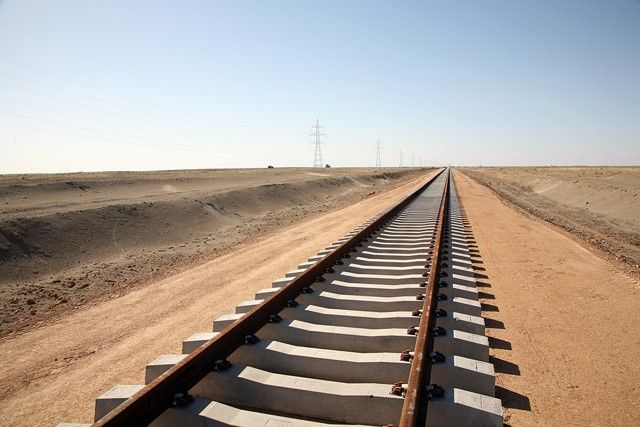
TASHKENT (TCA) — China is competing with Russia for greater influence on Central Asia countries, using infrastructure and transport investment and projects to achieve that goal. We are republishing the following article on the issue, written by Paul Goble: Chinese plans to construct a railway from Xinjiang through Kyrgyzstan to Uzbekistan and onward to Turkmenistan will, if realized, transform the geopolitical situation in the region. This rail corridor promises to open up new possibilities for regional countries to bypass Russia in pursuit of foreign markets. And if completed, this railway will accelerate China’s gradual displacement of Russia as the dominant power in post-Soviet Central Asia, particularly given that Beijing has already demonstrated its willingness to use its economic might to extract political concessions from governments there. Finally, this railway will reduce Chinese dependence on routes passing through Russia, thus increasing Beijing’s freedom of action. At the same time, however, Beijing’s plans have the potential to promote instability in Kyrgyzstan, where the proposed route will pass through the predominantly ethnic-Uzbek south of the country. Southern Kyrgyzstan still does not have any rail links with the north or the capital, Bishkek. Consequently, some Kyrgyzstanis worry that the planned Chinese project could eventually threaten the territorial integrity of their country. To that end, Bishkek is seeking to invite Russian involvement into the project. But Moscow is reluctant to do so both because of the project’s enormous direct costs and because such a Chinese line would significantly reduce Russian influence in the countries along its route, effectively ending Russia’s ability to dominate the region. At present, most existing transit corridors to and from Central Asia must pass through Russia given that other routes, through unstable Afghanistan or politically isolated Iran, are anything but attractive. Consequently, Moscow is seeking to block or at least slow the Chinese project by playing up the fears in Kyrgyzstan and promoting the development of a north-south route that would keep the Kyrgyz Republic firmly rooted in the Russian camp. Yet, at present, Moscow lacks the funds required to build it—in striking contrast to Beijing, which is reportedly prepared to spend $1 trillion on transport corridors like this new east-west railway, as part of its Belt and Road Initiative (Poistine.org, Accessed: March 20. Ongoing discussions of the possibility that China might build a rail line connecting it with Uzbekistan and the West date back to the 1990s; and in 2006, expert commissions in Beijing and Bishkek even agreed on a specific route. But beyond talk, there has been little movement until now. At the beginning of March, TASS reported that Kyrgyzstan was encouraging Russia to become involved lest the project result in growing Chinese dominance (TASS, March 1). Kyrgyzstani, but not Russian, news outlets have been reporting that Moscow is interested (Ehokg.org, March 1). That Russia has still not officially confirmed its willingness to take part in this effort reflects both the enormous cost of the proposed rail line—now estimated at $7 billion—as well as Russian convictions that the route,...
Afghanistan to start exports through rail link to China soon

KABUL (TCA) — Officials from the Afghan government, private sector and Embassy of China at a ceremony in Kabul last week said that problems around the “Sino-Afghan Special Railway Transportation” had been resolved and exports along the trade route will start in the near future, Afghan broadcaster TOLOnews reported. Continue reading

Kyrgyzstan: Government proposes to corporatize the state railways enterprise

BISHKEK (TCA) — The Kyrgyz Government proposed to corporatize the Kyrgyz Temir Jolu State Enterprise (Kyrgyz Railways). The issue was discussed on February 5 at a meeting of the Parliamentary Committee on Transport, Communications, Architecture and Construction. “At the initial stage, we propose to create a joint venture with a potential investor in freight forwarding. We believe that this will allow us to attract additional financial resources for the development of the railway industry. It is also planned to introduce a mechanism of state and private participation in financing the railway transport modernization,” said Kyrgyz Temir Jolu General Director Kanatbek Abdykerimov, who was appointed to head the company three months ago. Former CEO Almazbek Nogoibaev was dismissed after being accused of corruption by MPs. Some deputies are skeptical about the idea of the enterprise’s transformation into a joint stock company. The Kyrgyz Temir Jolu had already been renamed into the national company, but it has not brought any results. In is necessary to develop the railway network and connect the north and south of the country by the railways, the MPs said. Timber, metal building materials from Russia and other cargoes that pass along the Bishkek—Osh highway have put this motor road in poor condition, MPs said. It is necessary to transport such cargoes through railways only, the MPs believe. They asked the Transport Ministry to make every effort to remedy the situation. The Kyrgyz Temir Jolu is now negotiating with banks on buying of new passenger and freight cars this year. The shortage of freight cars hinders the development of the country’s coal industry and creates difficulties for entrepreneurs, the MPs added. The purchase of freight cars in the near future would allow increasing the exports of goods from the southern regions of the country. Following the discussion, the parliamentary committee members suggested the Government to reduce by 50% the company’s net profit payment to the national budget and to allocate the released funds for modernization of the track infrastructure. Background The Kyrgyz Temir Jolu was established in 2005 as a successor to the Kyrgyz Railways, which, in turn, inherited the functions of the Frunze branch of the Alma-Ata Railways in 1992. The length of Kyrgyzstan’s railways was 470 kilometers in 2006, and it is 426 kilometers now. The track network is fragmented, and the rolling stock including coaches, locomotives and freight wagons, is outdated. Rail transport accounts for only 3% of the cargo turnover in the country. 4,812 people are now working in the state-owned enterprise. Rolling stock Over the 27 years of independence, Kyrgyzstan has bought only six locomotives. The rest have been exploited for 40 years, despite the expired usage period, Kyrgyz Temir Jolu General Director Abdykerimov said. More than 52.5% of freight cars and 51.6% of coaches are inoperative. From 2020, 94 coaches will be sent for scrap. To restore the freight car fleet and fully meet the needs of business entities until 2022, it is necessary to purchase 200 freight cars annually for more...

Central Asia: ADB grant to help develop railways in CAREC countries

DUSHANBE (TCA) — The Asian Development Bank (ADB) has approved a $2 million regional technical assistance grant to support the development of railways in Central Asia Regional Economic Cooperation (CAREC) countries, ADB’s country office in Tajikistan said on January 25. Continue reading

Uzbekistan steps up railway diplomacy

TASHKENT (TCA) — Uzbekistan aims to become a regional transport hub, and for this purpose, Tashkent has suggested several trans-Afghanistan railway projects. We are republishing this article on the issue, written by Fozil Mashrab: Continue reading

Trans-Caspian International Transport Route boosts container traffic

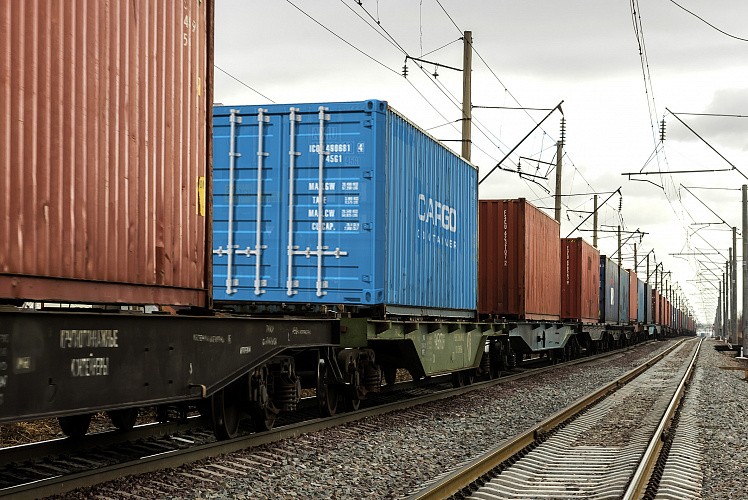
ASTANA (TCA) — Container traffic along the Trans-Caspian International Transport Route (TITR) increased by 60% in the first 9 months of 2018 compared to the same period in 2017. It was said at a meeting of the Board and the General Meeting of the Trans-Caspian International Transport Route held on October 22 in Azerbaijan’s capital Baku, the press service of Kazakhstan’s national railways company Kazakhstan Temir Zholy (KTZ) reported. Continue reading
