• KGS/USD = 0.01143 0%
  • KZT/USD = 0.00206 0%
  • TJS/USD = 0.10811 -0.09%
  • UZS/USD = 0.00008 0%
  • TMT/USD = 0.28571 0%
  • KGS/USD = 0.01143 0%
  • KZT/USD = 0.00206 0%
  • TJS/USD = 0.10811 -0.09%
  • UZS/USD = 0.00008 0%
  • TMT/USD = 0.28571 0%
  • KGS/USD = 0.01143 0%
  • KZT/USD = 0.00206 0%
  • TJS/USD = 0.10811 -0.09%
  • UZS/USD = 0.00008 0%
  • TMT/USD = 0.28571 0%
  • KGS/USD = 0.01143 0%
  • KZT/USD = 0.00206 0%
  • TJS/USD = 0.10811 -0.09%
  • UZS/USD = 0.00008 0%
  • TMT/USD = 0.28571 0%
  • KGS/USD = 0.01143 0%
  • KZT/USD = 0.00206 0%
  • TJS/USD = 0.10811 -0.09%
  • UZS/USD = 0.00008 0%
  • TMT/USD = 0.28571 0%
  • KGS/USD = 0.01143 0%
  • KZT/USD = 0.00206 0%
  • TJS/USD = 0.10811 -0.09%
  • UZS/USD = 0.00008 0%
  • TMT/USD = 0.28571 0%
  • KGS/USD = 0.01143 0%
  • KZT/USD = 0.00206 0%
  • TJS/USD = 0.10811 -0.09%
  • UZS/USD = 0.00008 0%
  • TMT/USD = 0.28571 0%
  • KGS/USD = 0.01143 0%
  • KZT/USD = 0.00206 0%
  • TJS/USD = 0.10811 -0.09%
  • UZS/USD = 0.00008 0%
  • TMT/USD = 0.28571 0%

Viewing results 1 - 6 of 116

COP29: Tajikistan Goes for Green as Pollution, Climate Change Take Toll

Tajikistan’s longtime president has said his country plans to switch entirely to renewable sources of energy by 2032, though a recent World Bank report warns that climate change is already threatening Tajikistan’s energy and water security, which are key to development.  At the United Nations climate conference in Azerbaijan, President Emomali Rahmon said on Tuesday that Tajikistan’s goal was to become a “green” country by 2037, a reference to low carbon and resource efficiency goals.  “Today, 98% of our electricity is produced by hydropower, and Tajikistan's share in the amount of greenhouse gas emissions is small” compared to many other countries, said Rahmon, who has been in power since 1994. “However, achieving the above goals requires a lot of effort and money from us.” He told delegates at the COP29 meeting in Baku that Tajikistan is cooperating with development partners, “especially global financial institutions.” In a report released last week, the World Bank cautioned that Tajikistan’s growth model has “reached its limits” despite robust economic development and poverty reduction in the last two decades. It said domestic institutions are weak, the private sector is underdeveloped and Tajikistan’s economic aspirations will be on hold unless it implements structural reforms.  “Degraded agricultural land, along with risks of increasing water scarcity, raises major risks to the productivity of crop and livestock sectors, critical to the livelihoods of the majority of Tajiks. Air pollution is rife, with Dushanbe’s measure of particulate matter far exceeding regional averages and other cities affected,” it said.  The World Bank acknowledged Tajikistan’s plan to improve infrastructure for hydropower development, clean energy, and water storage to address the challenges of climate change. But it said the effects of global warming, including glacier melting and extended droughts, could undermine development goals and drive an increase in poverty.  Tajikistan’s big hope is that the Rogun hydropower plant, which has been under construction since 2007 and is partly operating, can play a transformative role in electricity generation in Tajikistan but also as a clean energy exporter to other countries in Central Asia. The project has faced delays, cost overruns and criticism from environmental and rights groups.  The World Bank, one of the international backers of the project, said the success of the Rogun plant, which will have a total generation capacity of 3,780 megawatts, will depend on “enhanced governance and transparency, dedicated supervision support, and a sustainable macroeconomic framework.”

USAID Launches Green Solutions in Kyrgyzstan

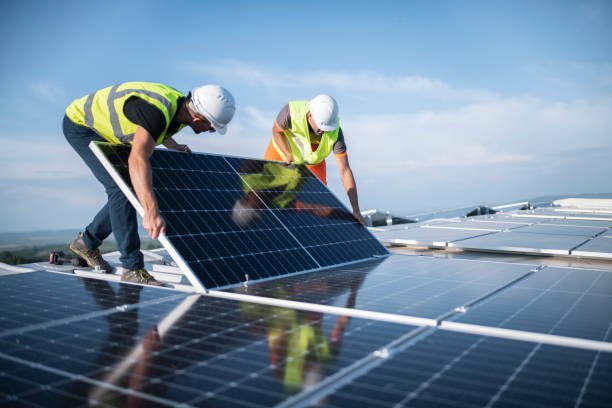
The United States Agency for International Development (USAID) has announced a new U.S. government-sponsored Green Solutions Activity. This five-year initiative backed by a $24 million investment aims to empower small and medium enterprises in Kyrgyzstan to adopt innovative green solutions, enhance energy efficiency, and increase the supply of renewable energy, the U.S. Embassy in Bishkek reported. “This investment marks a pivotal moment in the U.S. government’s commitment to building a greener future in close partnership with the Government of the Kyrgyz Republic. USAID will partner with local businesses and offer grants to adopt green solutions and technologies. Importantly, we will also work with local banks and financial institutions to advance green finance initiatives,” USAID Deputy Assistant Administrator Änjali Kaur stated at the launch event in Bishkek. The launch event occurred at Kyrgyzstan’s first rooftop grid-connected photovoltaic solar plant at the Kyrgyz State Technical University. Developed with USAID support and officially inaugurated in December 2023, the 80-kilowatt solar power installation can generate 143,037 kilowatt hours annually. It not only powers the university but also enables it to sell excess electricity back to the grid, effectively helping to offset operational costs and modeling a more sustainable energy future for the region. USAID is supporting the Kyrgyz government’s green economy initiative to diversify its energy sources into various clean energy forms. The regional Power Central Asia activity focuses on energy sector connectivity and decarbonization, energy security and resilience, and expanded cross-border electricity trade. Additionally, the USAID Future Growth Initiative and USAID Agro Trade Activity promote green production.

Kyrgyzstan Seeks Crude Oil Supplies from Azerbaijan

At a meeting with Azerbaijan’s Energy Minister Parviz Shahbazov, his counterpart from Kyrgyzstan, Taalaibek Ibrayev, proposed signing a long-term contract to supply Azeri crude oil to Kyrgyzstan. The bilateral meeting took place on September 16 in Bishkek, on the sidelines of the 4th meeting of energy ministers of the Organization of Turkic States (Azerbaijan, Kazakhstan, Kyrgyzstan, Turkey, and Uzbekistan). Representatives of Turkmenistan and Hungary attended as observers. The Azeri Energy Minister expressed its readiness for cooperation, and proposed establishing a special working group to organize oil supplies. Ibrayev also proposed that Azerbaijan participate in hydropower and renewable energy projects in Kyrgyzstan, and consider preferential financing of $2 million from the Azerbaijan-Kyrgyzstan Development Fund for the purchase and installation of charging devices for electric vehicles in Kyrgyzstan. Today, Kyrgyzstan’s local capacity for refining crude oil and producing motor fuel covers about 5% of domestic demand, with the rest imported from Russia. During Kyrgyz President Sadyr Japarov’s visit to oil-rich Azerbaijan earlier this year, negotiations were held with the Azeri state oil company, SOCAR, on Azerbaijani oil supplies to Kyrgyzstan’s Junda refinery. Energy Minister Ibrayev commented that the Junda oil refinery requires more than 1 million tons of crude oil annually for refining. On August 30, the refinery reopened in the town of Kara-Balta, about 100 kilometers west of Bishkek. Late in March, the refinery completed a significant overhaul and plans to reach its total annual capacity of processing 800,000 tons of crude oil by the end of this year.

Chinese Power Plant for Western Kazakhstan

On July 2, Kazakhstan’s MAEK LLP and China Huadian Corporation Ltd., represented by Huadian Kazakhstan Energy, signed an agreement for the joint construction of a combined-cycle gas plant in Aktau. The plant, aimed to meet the growing demand for electricity in Western Kazakhstan, is scheduled for commission in December 2026. As reported by Kazakh Invest, the Chinese State Bank has pledged finance for the project for up to 15-25 years at a rate below 5%. China Huadian Corporation is currently implementing the build of a combined-cycle gas plant in the Mangystau region of Kazakhstan. The $190 million project, which has the potential to integrate renewable energy sources,  will serve as the primary supplier of power and help regulate peak loads at a local level.    

Malaysian and Chinese Companies to Aid Development of Green Energy in Uzbekistan

A cooperation agreement has been signed between Uzbekistan’s Yashil Energy, Malaysia’s Fabulous Sunview, and China’s Huawei Tech. Investment Tashkent. According to a report by  the Uzbek Ministry of Energy, the agreement provides for the joint development of green energy in Uzbekistan and construction of small solar photovoltaic stations with a capacity of 50 MW on the roofs of social facilities, government agencies, and other organizations. The document was signed during the 17th International Conference and Exhibition on “Electricity Production Using Solar Photovoltaic Stations and Smart Energy” held in Shanghai from 13-15 June.    

Renewable Energy “Key” for Uzbekistan: Interview with IFC Regional Manager

Neil McKain, the IFC regional manager for Uzbekistan and Turkmenistan, says renewable energy sources are helping Uzbekistan reduce natural gas consumption. The country can become a regional leader in renewable energy sources, he told The Times of Central Asia in an interview.   ТСА: To begin, could you give us an overview of the current state of renewable energy in Uzbekistan? Neil McKain: Uzbekistan has significant renewable energy potential — primarily solar and wind — and is well equipped to fulfill its growing energy needs and transition to a clean energy economy. Renewable energy can help diversify the energy mix and reduce the country’s heavy reliance on natural gas. The government is focused on increasing the share of renewables in power production by up to 25 GW, or 40% of the country’s overall electricity consumption, by 2030. These efforts support the country's clean energy transition and address the increasing demand for energy in Uzbekistan’s economy and among its citizens. In this context, the World Bank Group is helping Uzbekistan develop 1,000 MW of solar and 500 MW of wind energy by attracting private sector investments.   ТСА: With these developments, what challenges does Uzbekistan face in transitioning to renewable energy? McKain: Like many countries, Uzbekistan faces many challenges as it transitions. The government has substantial natural gas reserves, and the economy relies heavily on fossil fuels. Transitioning away from these energy sources can be economically and politically challenging. It requires building public support and raising awareness of the many benefits of renewable energy. In addition, building the necessary infrastructure, such as solar farms, wind turbines, and an updated electrical grid, requires significant investment, time, and technical expertise. As renewable energy sources are intermittent, developing efficient energy storage solutions will be vital to ensuring a stable energy supply. Also, securing the required capital can take time, as it often involves enormous upfront costs and long-term investment before seeing returns. Addressing these multifaceted challenges will require coordinated efforts from the government, private sector, and international partners.   ТСА: What is the IFC's involvement in renewable energy projects in Uzbekistan? McKain: The IFC is deeply committed to supporting renewable energy in emerging markets, and Uzbekistan is a key country. We've been involved in several initiatives, including advising on and financing solar power projects. One of our first projects is a solar plant in the Navoi region, which provides electricity to 31,000 homes. This project was established through a public-private partnership (PPP) between the Uzbek government and Masdar, the United Arab Emirates’ flagship renewable energy company. IFC assisted the government as a transaction adviser in designing and tendering the PPP under its Scaling Solar Program. It is now a significant milestone in the country's renewable energy journey. In collaborationwith other lenders, IFC also provided a financing package to support the construction of a 500-megawatt wind farm in the Navoi region, which Masdar is also building. Capable of powering 500,000 homes, it will be the largest facility in Central Asia—and, incidentally, the largest wind farm IFC has ever sponsored. Together with our state and...