
• KZT/USD = 0.00213
  • TJS/USD = 0.10810
  • UZS/USD = 0.00008
  • TMT/USD = 0.29850
  • KZT/USD = 0.00213
  • TJS/USD = 0.10810
  • UZS/USD = 0.00008
  • TMT/USD = 0.29850
  • KZT/USD = 0.00213
  • TJS/USD = 0.10810
  • UZS/USD = 0.00008
  • TMT/USD = 0.29850
  • KZT/USD = 0.00213
  • TJS/USD = 0.10810
  • UZS/USD = 0.00008
  • TMT/USD = 0.29850
  • KZT/USD = 0.00213
  • TJS/USD = 0.10810
  • UZS/USD = 0.00008
  • TMT/USD = 0.29850
  • KZT/USD = 0.00213
  • TJS/USD = 0.10810
  • UZS/USD = 0.00008
  • TMT/USD = 0.29850
  • KZT/USD = 0.00213
  • TJS/USD = 0.10810
  • UZS/USD = 0.00008
  • TMT/USD = 0.29850
  • KZT/USD = 0.00213
  • TJS/USD = 0.10810
  • UZS/USD = 0.00008
  • TMT/USD = 0.29850

Viewing results 1 - 6 of 3

Nearly Half of Young Women in Tajikistan Are Not Working or Studying, Survey Finds

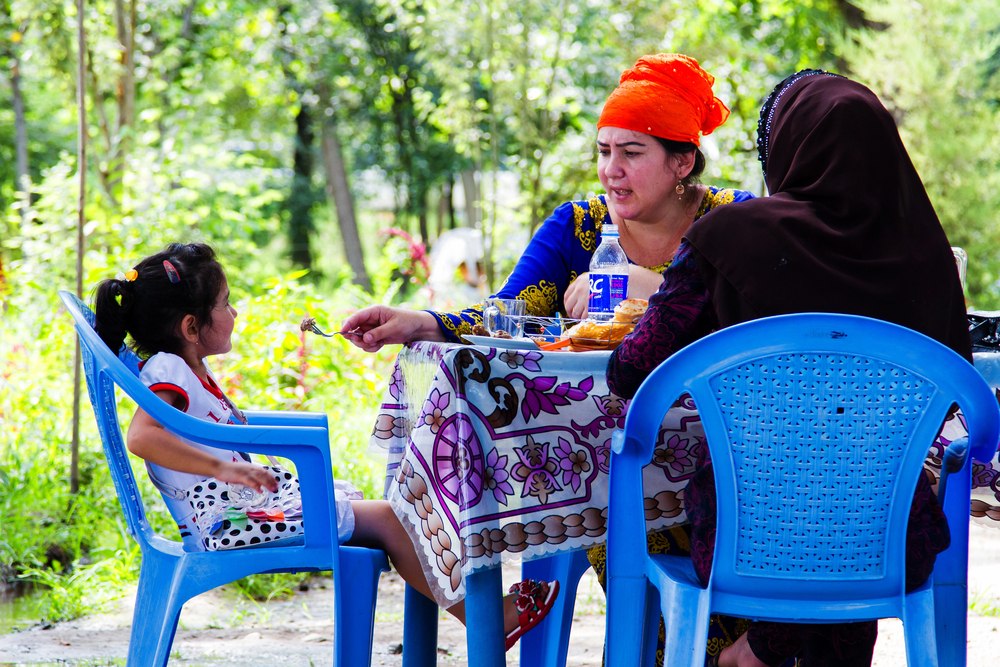
New results from Tajikistan’s 2025 Labor Force Survey point to persistent structural weaknesses in the country’s labor market. Although the official unemployment rate remains relatively low, labor force participation is limited, particularly among women and young people. Of the country’s 6.87 million people aged 15–75, 3.02 million are in the labor force, producing a participation rate of 43.9%. The rate is 57.1% among men and 30.9% among women, a gap of 26.2 percentage points. The World Bank previously described Tajikistan’s labor force participation rate as the lowest in Central Asia. The official unemployment rate is 6.3%, but the survey’s expanded measure of labor underutilization presents a less favorable picture. This measure includes unemployed people and the potential labor force, as well as those experiencing time-related underemployment. On this basis, the rate rises to 11.7%. Among women, it approaches 14%. The survey also shows a gradual shift in where employed people live. The urban share of employment increased from 20% in 2004 to 28.4% in 2025, but 71.6% of employed people still live in rural areas. That figure demonstrates the rural concentration of employment, although it does not by itself show how many people work in agriculture. Separately, the World Bank estimates that agriculture employs more than 40% of Tajikistan’s labor force. The findings on young people are particularly stark. Among those aged 15–24, nearly 27% are not in education, employment or training (NEET). The rate is 40.1% among young women, compared with 13.2% among young men. The gender divide is even wider among those aged 15–29. In this group, 45% of women are neither employed nor pursuing education or training, compared with 12.4% of men. The figures suggest that Tajikistan’s main labor-market challenge is not fully captured by the conventional unemployment rate. People who are not working but are neither actively seeking employment nor immediately available to start work are generally not counted as unemployed. Low participation and high NEET rates therefore reveal pressures that the headline unemployment figure does not. Women and young people account for much of this unused labor potential. Expanding their access to employment will be especially important as the country’s working-age population grows. The World Bank estimates that about 600,000 young people will enter Tajikistan’s labor force over the coming decade and that the economy will need to generate approximately 1.4 million jobs during that period. It also describes the country’s economy as heavily dependent on the export of low-skilled labor and the remittances those workers send home. These concerns are reflected in the World Bank Group’s Country Partnership Framework for Tajikistan for fiscal years 2026–2032. The strategy prioritizes a better-skilled and healthier workforce, along with increased private investment. It also seeks to create more and better jobs and calls for measures to raise labor force participation, particularly among women and young people. In May, the World Bank approved the Tajikistan Women’s Economic Empowerment Project. The initiative is expected to create 3,450 jobs and help 850 women-owned or women-led businesses gain access to financial services. It...
Tajikistan Develops Gender Equality Strategy and Expands Support for Women

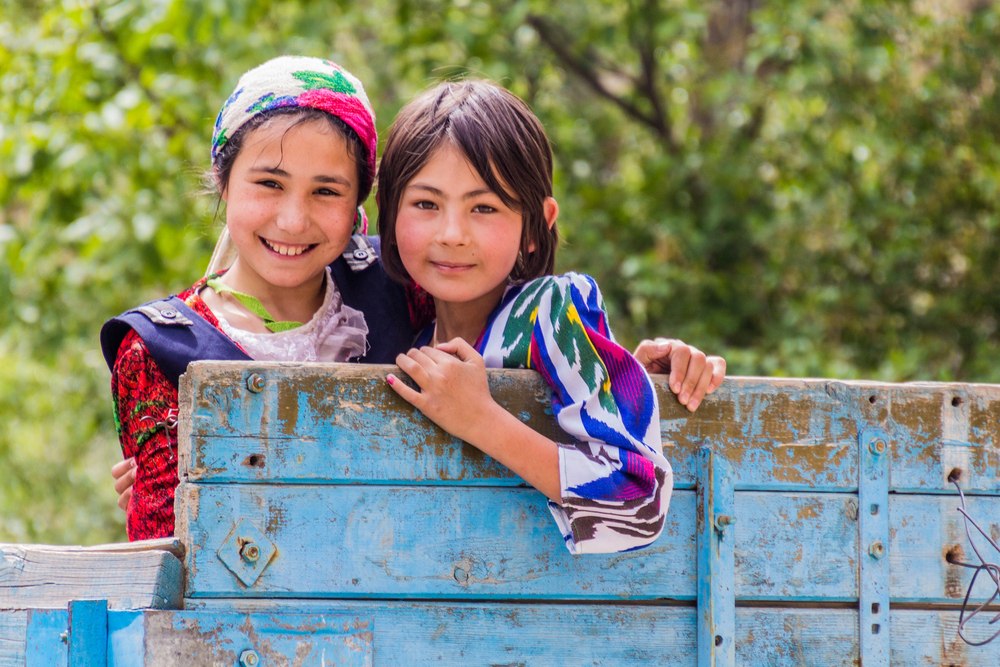
Tajikistan is developing a new strategy to address gender-related social norms for 2027–2036 while expanding programs aimed at increasing women’s economic participation and cooperation with international organizations. The draft strategy was presented at a meeting organized jointly by the Committee for Women and Family Affairs under the Government of Tajikistan and the United Nations Children’s Fund (UNICEF). Representatives of 46 international organizations, development partners, and civil society groups took part in the discussions, the committee said in its review of activities for the first half of 2026. According to the committee, the strategy is intended to serve as the country’s main policy framework on gender equality over the next decade. It aims to address social norms that limit opportunities for women, promote greater participation in economic, political, and public life, and increase support for families. UNICEF is providing technical assistance in developing the document. The initiative builds on Tajikistan’s National Strategy for Enhancing the Role of Women through 2030, adopted in 2021. Under its 2026–2030 implementation plan, the government plans to further increase women’s participation in public administration, business, education, and civic life. It will also continue presidential quota and grant programs that support women’s education and entrepreneurship. One of the government's flagship initiatives is a presidential grant program for women entrepreneurs. This year, authorities received 945 project applications, which are currently under review. The program provides financial support for businesses in manufacturing, agriculture, handicrafts, and services, with the stated goals of creating jobs, increasing household incomes, and expanding opportunities for women-led enterprises. In 2026, Tajikistan was elected to the U.N. Commission on the Status of Women for the 2027–2031 term, a development that authorities say reflects growing international recognition of the country’s work on gender equality. Despite these initiatives, violence against women remains a significant challenge. According to the U.N., more than 2,500 criminal cases involving violence against women have been opened in Tajikistan over the past five years. A national survey also found that 23% of women reported experiencing physical violence at least once, with most incidents occurring within the family.

Tajik Women Unite to Urge Rahmon to Grant Leniency for Journalist Rukhshona Khakimova

A group of 130 women in Tajikistan have appealed to President Emomali Rahmon, requesting leniency for journalist Rukhshona Khakimova, who was sentenced to eight years in prison. A Plea for Mercy In their appeal, the women expressed deep concern over the fate of Khakimova’s two young daughters, one of whom is an infant still in need of breastfeeding. “This verdict has shaken us to the core, but most of all, it has shattered the lives of her two tiny daughters, Shakhnura and Shukrona, who overnight lost the most precious thing a child has, a mother's love, warmth, and care. Ten-month-old Shukrona was deprived not only of her mother’s hands but also of her mother’s milk, which is not just nourishment but the very essence of the mother-child bond. We cannot imagine the pain of these children, who cannot yet speak but already feel the cruel emptiness that nothing and no one can fill,” the letter reads. The signatories emphasized that they were not calling for the sentence to be overturned but rather for clemency. They urged the government to apply legal mechanisms that would allow Khakimova to serve an alternative sentence while remaining with her children. “We believe there are lawful ways to take her motherhood into account and ensure that two young children are not left without maternal care,” the appeal stated. A Controversial Conviction Khakimova was charged with high treason under Article 305 of Tajikistan’s Criminal Code, with the case initiated by the General Prosecutor’s Office in June 2024. According to sources familiar with the investigation, her prosecution is linked to a survey on China’s influence in Tajikistan. She was sentenced on February 5 during a closed trial at the Dushanbe detention center, alongside other defendants in the so-called “coup d’état case”. Before the verdict, she had been allowed to remain free, albeit with restricted movement, due to her responsibilities as a mother. However, her documents had been confiscated, preventing her from traveling. Following the court ruling, she was taken into custody immediately. International Outcry International human rights organizations have condemned the sentence. The International Coalition for the Protection of Human Rights Defenders (The Observatory for the Protection of Human Rights Defenders) has called for Khakimova’s immediate release. Similar statements have been issued by Human Rights Watch (HRW) and Reporters Without Borders (RSF), both of which have criticized the court’s decision.
