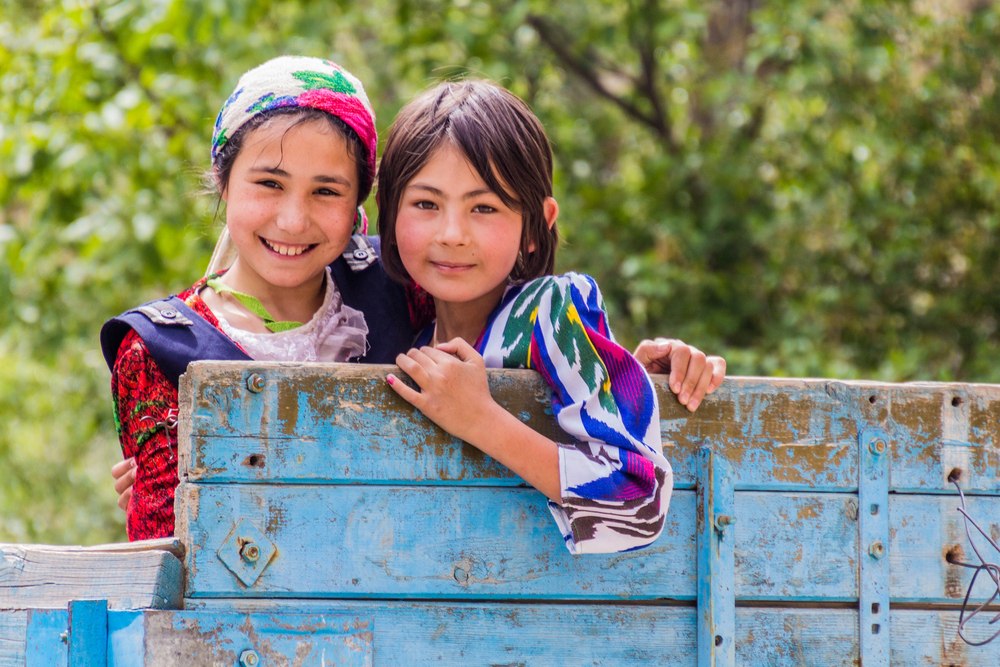
Tajikistan is developing a new strategy to address gender-related social norms for 2027–2036 while expanding programs aimed at increasing women’s economic participation and cooperation with international organizations.
The draft strategy was presented at a meeting organized jointly by the Committee for Women and Family Affairs under the Government of Tajikistan and the United Nations Children’s Fund (UNICEF). Representatives of 46 international organizations, development partners, and civil society groups took part in the discussions, the committee said in its review of activities for the first half of 2026.
According to the committee, the strategy is intended to serve as the country’s main policy framework on gender equality over the next decade. It aims to address social norms that limit opportunities for women, promote greater participation in economic, political, and public life, and increase support for families. UNICEF is providing technical assistance in developing the document.
The initiative builds on Tajikistan’s National Strategy for Enhancing the Role of Women through 2030, adopted in 2021. Under its 2026–2030 implementation plan, the government plans to further increase women’s participation in public administration, business, education, and civic life. It will also continue presidential quota and grant programs that support women’s education and entrepreneurship.
One of the government’s flagship initiatives is a presidential grant program for women entrepreneurs. This year, authorities received 945 project applications, which are currently under review.
The program provides financial support for businesses in manufacturing, agriculture, handicrafts, and services, with the stated goals of creating jobs, increasing household incomes, and expanding opportunities for women-led enterprises.
In 2026, Tajikistan was elected to the U.N. Commission on the Status of Women for the 2027–2031 term, a development that authorities say reflects growing international recognition of the country’s work on gender equality.
Despite these initiatives, violence against women remains a significant challenge. According to the U.N., more than 2,500 criminal cases involving violence against women have been opened in Tajikistan over the past five years. A national survey also found that 23% of women reported experiencing physical violence at least once, with most incidents occurring within the family.