• KZT/USD = 0.00212
  • TJS/USD = 0.10810
  • UZS/USD = 0.00008
  • TMT/USD = 0.29760
  • KZT/USD = 0.00212
  • TJS/USD = 0.10810
  • UZS/USD = 0.00008
  • TMT/USD = 0.29760
  • KZT/USD = 0.00212
  • TJS/USD = 0.10810
  • UZS/USD = 0.00008
  • TMT/USD = 0.29760
  • KZT/USD = 0.00212
  • TJS/USD = 0.10810
  • UZS/USD = 0.00008
  • TMT/USD = 0.29760
  • KZT/USD = 0.00212
  • TJS/USD = 0.10810
  • UZS/USD = 0.00008
  • TMT/USD = 0.29760
  • KZT/USD = 0.00212
  • TJS/USD = 0.10810
  • UZS/USD = 0.00008
  • TMT/USD = 0.29760
  • KZT/USD = 0.00212
  • TJS/USD = 0.10810
  • UZS/USD = 0.00008
  • TMT/USD = 0.29760
  • KZT/USD = 0.00212
  • TJS/USD = 0.10810
  • UZS/USD = 0.00008
  • TMT/USD = 0.29760

Viewing results 1 - 6 of 2

Pakistani Airstrikes in Afghanistan Kill at Least 28 Civilians, UN Says

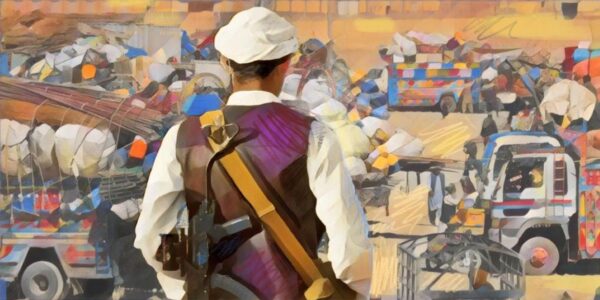
The United Nations says at least 28 civilians were killed and 49 injured in Pakistani airstrikes in several provinces in Afghanistan, as violence continues in the border region following ceasefire efforts that have repeatedly broken down. Women and children were among the casualties in the airstrikes in Paktia, Paktika, and Kunar provinces on Sunday night, the United Nations Assistance Mission in Afghanistan (UNAMA) said on Monday. UNAMA said the figures were preliminary and that the toll could increase as hospitals treat the injured. Hamdullah Fitrat, a spokesman for the ruling Taliban in Afghanistan, announced a higher casualty toll than the UN. At least 36 civilians were killed and 163 others were injured, Fitrat said on X. Pakistan’s Information Minister Attaullah Tarar said the airstrikes hit militant hideouts and strongholds on the Afghan side of the border, killing at least two dozen militants in retaliation for attacks on targets in Pakistan. Pakistan accuses Afghanistan of providing sanctuary to militants who carry out attacks against Pakistani security forces, an allegation that the Taliban in Afghanistan denies. Besides humanitarian concerns, the ongoing violence is also a concern for Central Asian governments and business groups that are working to develop trade corridors and infrastructure projects linking their region with South Asia. Those projects, which would require close collaboration between Afghanistan and Pakistan, include the Trans-Afghan Railway, the TAPI natural gas pipeline, and the CASA-1000 electricity project.

Afghanistan Aims to Increase Trade with Central Asia to $10 Billion

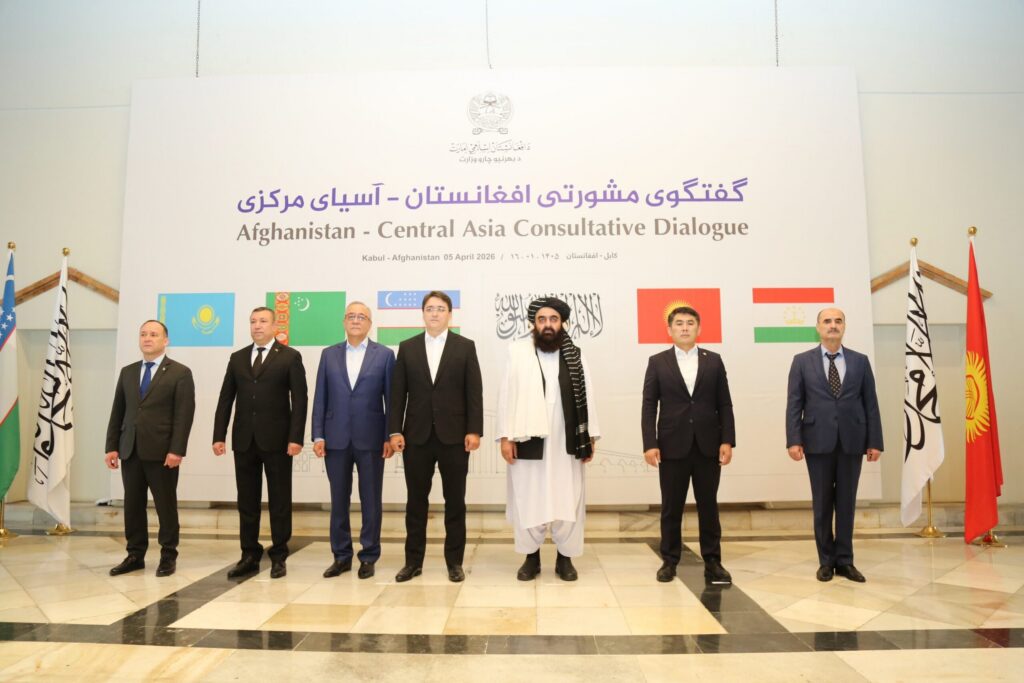
Afghanistan aims to increase trade with Central Asian countries to $10 billion over the next three to four years, Foreign Minister Amir Khan Muttaqi said at a meeting in Kabul. According to Muttaqi, Afghanistan’s trade turnover with countries in the region reached approximately $2.7 billion in 2025, marking a significant increase compared to previous years. The statement was made during a consultative dialogue involving representatives from Kazakhstan, Uzbekistan, Kyrgyzstan, Tajikistan, and Turkmenistan, focused on regional cooperation, trade, and the development of transit routes. Muttaqi said Afghanistan intends to leverage its geoeconomic position to connect Central Asia with markets in South and West Asia. Among key projects, he highlighted the TAPI gas pipeline, which is currently under construction. Afghan authorities are seeking to expand economic ties despite ongoing international sanctions affecting the banking sector, which continue to constrain investment inflows. At the same time, Russia remains the only country to have officially recognized the Taliban government that came to power in 2021. Several countries, including China, India, Turkey, and the United Arab Emirates, maintain a diplomatic presence in Kabul. Landlocked Central Asian countries view southern routes through Afghanistan as an alternative to northern corridors via Russia, which have been complicated by sanctions. Afghanistan shares a border of more than 2,300 km with Tajikistan, Uzbekistan, and Turkmenistan, and continues to face security challenges, including threats from extremist groups, drug trafficking, and irregular migration. However, Muttaqi said the situation along the borders remains generally stable. Earlier reports indicated that Kazakhstan is exploring the possibility of investing in rare earth metal mining in Afghanistan. The national company Tau-Ken Samruk is conducting laboratory analysis of samples collected in Afghanistan and Rwanda.