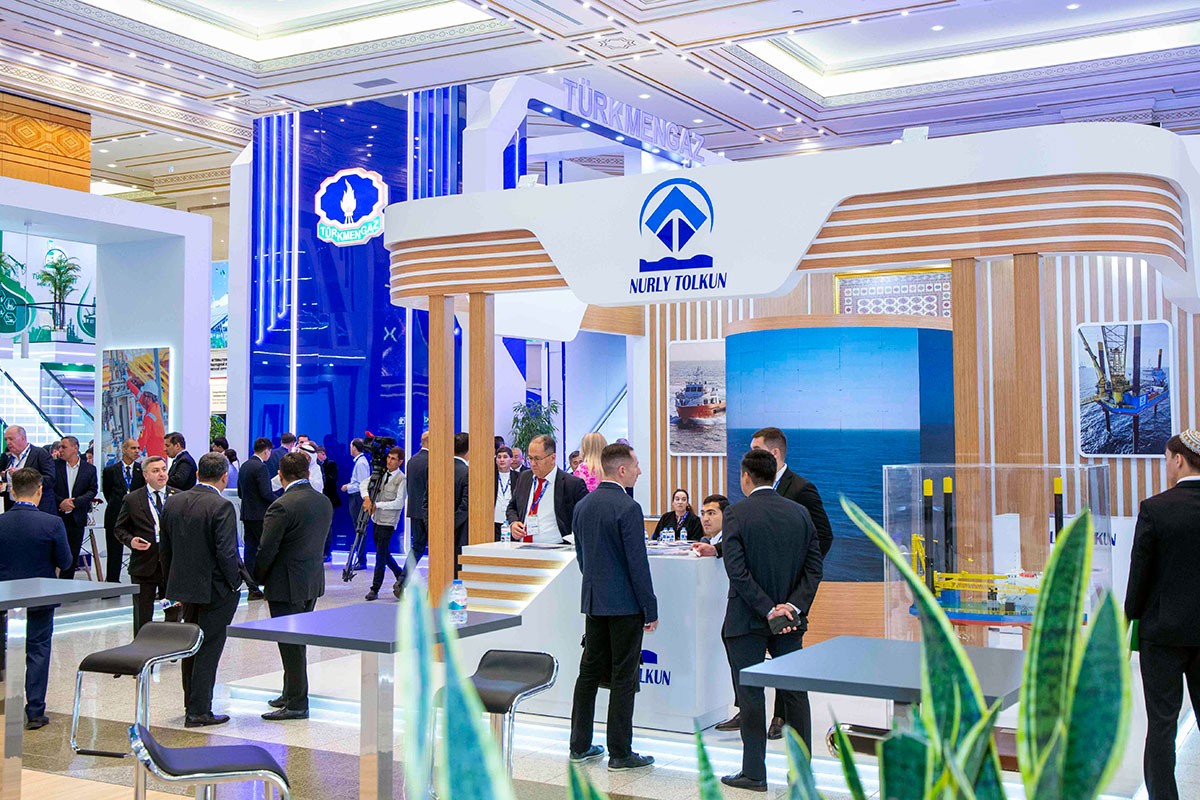
About 700 foreign participants attended an annual oil and gas conference in Turkmenistan, a 40% increase over the previous year, according to one of the organizers. Chinese and Malaysian firms had an especially strong presence.
The three-day conference, titled Oil and Gas of Turkmenistan 2026, ended on Friday. It came as the global energy industry faced volatility and supply disruptions linked to conflict in the Middle East and the effective closure of the Strait of Hormuz, a key transit corridor for international energy markets.
The number of foreign participants at the conference in Ashgabat was a “record,” according to Nazar Atajanov, director of the Turkmen Energy Forum, which organizes events for the country’s oil and gas sector. State institutions Turkmengaz, Turkmennebit, and Turkmengeologiya helped organize the event, according to the Turkmenportal news outlet.
Atajanov said artificial intelligence was among the discussion topics because oil and gas companies are increasingly using AI, the outlet reported.
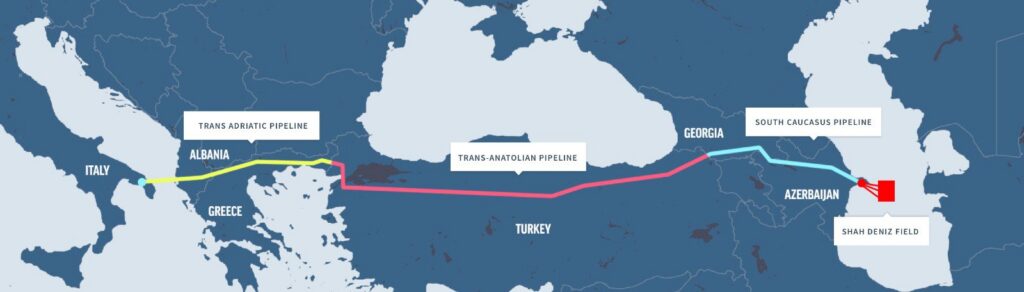
Separately, Turkmenistan supports the Trans-Caspian Gas Pipeline project and stands ready to supply it with gas, said Maksat Babayev, chairman of Turkmengaz.
“He noted that the country is interested not only in the gas pipeline itself, but also in the Trans-Caspian corridor as a whole — including the laying of cables, logistics routes, and port infrastructure,” Turkmenportal reported. Babayev said supplying the route would require further development at the Galkynysh gas field.
Turkmenistan’s interest in the project, which has been in the planning stages for many years, reflects its efforts to diversify energy exports at a time of upheaval in traditional transit corridors, including in the Middle East as well as Russia, whose war with Ukraine has reshaped regional energy trade. Turkmenistan has the fourth-largest natural gas reserves in the world. While the country mainly exports to China, it has been stepping up efforts to develop alternative routes and expand its customer base.
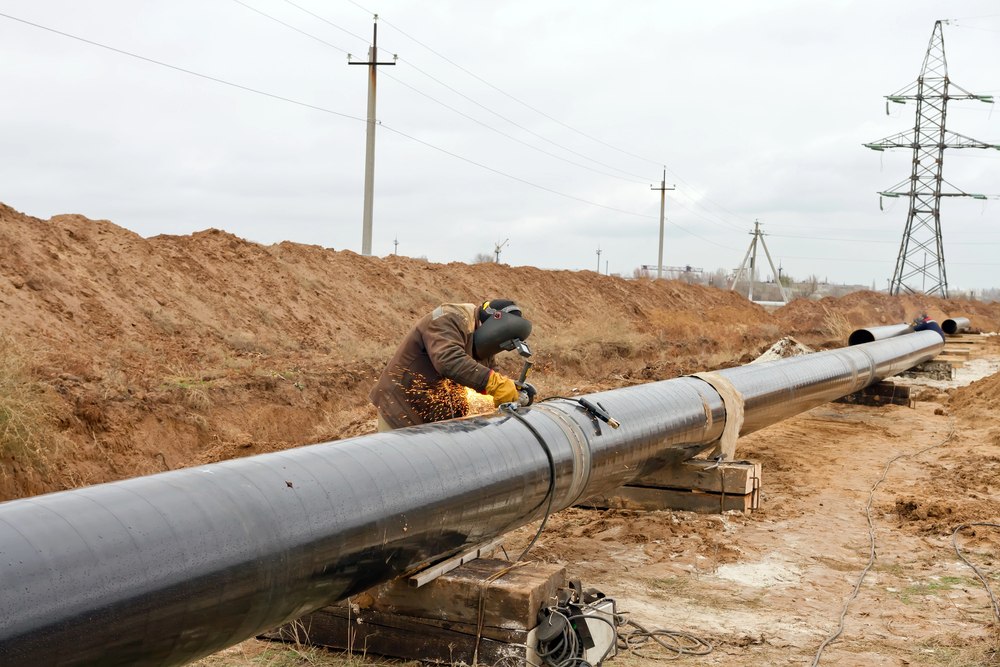
Turkmenistan “places great importance on expanding natural gas export routes,” President Serdar Berdimuhamedov said in a message to conference participants. As an example, he mentioned the construction of the Turkmenistan–Afghanistan–Pakistan–India gas pipeline (TAPI), saying there had been progress in laying the pipeline in Afghanistan’s Herat province.
The TAPI project, however, has faced years of delays and challenges in its implementation.
As the conference in Ashgabat was continuing, Turkmenistan’s representative to the European Union met François-Régis Mouton de Lostalot, managing director of the European division of the International Association of Oil and Gas Producers. Turkmen Ambassador Sapar Palvanov spoke about collaboration between his country and European energy interests, according to Turkmenistan’s embassy in Brussels, Belgium.
“Particular attention was paid to prospects for transporting Turkmen natural gas to the European market, including the development of energy infrastructure in the Caspian region,” the embassy said.