• KGS/USD = 0.01144 0%
  • KZT/USD = 0.00213 0%
  • TJS/USD = 0.10562 0%
  • UZS/USD = 0.00008 0%
  • TMT/USD = 0.28530 0%
  • KGS/USD = 0.01144 0%
  • KZT/USD = 0.00213 0%
  • TJS/USD = 0.10562 0%
  • UZS/USD = 0.00008 0%
  • TMT/USD = 0.28530 0%
  • KGS/USD = 0.01144 0%
  • KZT/USD = 0.00213 0%
  • TJS/USD = 0.10562 0%
  • UZS/USD = 0.00008 0%
  • TMT/USD = 0.28530 0%
  • KGS/USD = 0.01144 0%
  • KZT/USD = 0.00213 0%
  • TJS/USD = 0.10562 0%
  • UZS/USD = 0.00008 0%
  • TMT/USD = 0.28530 0%
  • KGS/USD = 0.01144 0%
  • KZT/USD = 0.00213 0%
  • TJS/USD = 0.10562 0%
  • UZS/USD = 0.00008 0%
  • TMT/USD = 0.28530 0%
  • KGS/USD = 0.01144 0%
  • KZT/USD = 0.00213 0%
  • TJS/USD = 0.10562 0%
  • UZS/USD = 0.00008 0%
  • TMT/USD = 0.28530 0%
  • KGS/USD = 0.01144 0%
  • KZT/USD = 0.00213 0%
  • TJS/USD = 0.10562 0%
  • UZS/USD = 0.00008 0%
  • TMT/USD = 0.28530 0%
  • KGS/USD = 0.01144 0%
  • KZT/USD = 0.00213 0%
  • TJS/USD = 0.10562 0%
  • UZS/USD = 0.00008 0%
  • TMT/USD = 0.28530 0%

Viewing results 1 - 6 of 46

What Turkmenistan president’s visit to Gulf means for TAPI pipeline project

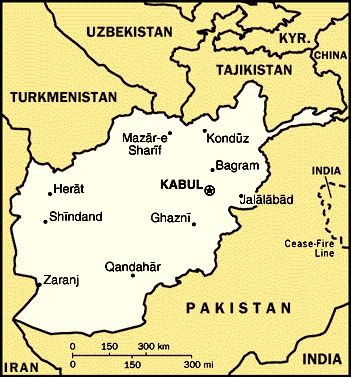
BISHKEK (TCA) — Turkmenistan is pushing the implementation of the Turkmenistan–Afghanistan–Pakistan–India (TAPI) gas pipeline project, which, if completed, will diversify the country’s gas exports. The project’s funding, however, remains a serious impediment to its implementation. We are republishing this article on the issue by Rauf Mammadov, originally published by The Jamestown Foundation: Turkmenistan’s President Gurbanguly Berdimuhamedov visited the United Arab Emirates and Kuwait in mid-March as part of a campaign to revive a long-stalled natural gas pipeline from his country to Pakistan and India (Neftegaz.ru, March 16). The visit occurred three weeks after a February 23 groundbreaking ceremony marking the latest effort to put the Turkmenistan–Afghanistan–Pakistan–India (TAPI) pipeline back on track. The ceremony, held on the Turkmenistan-Afghanistan border to initiate the second stage of the pipeline—which will run through Afghanistan—was a high-profile affair. In attendance were Berdimuhamedov, Afghan President Ashraf Ghani, Pakistani Prime Minister Shahid Khaquan Abbasi and India’s Minister of State for External Affairs Mobashar Jawed Akbar (RBK, February 23). The event was another milestone for the project, first conceived 20 years ago. Turkmenistan had finished its section of the pipeline in 2017, thanks to financing from the Saudi Fund for Development (Trend, January 30). Although the start of the second segment has raised hopes the pipeline will be completed by 2019, a number of crosswinds buffet the project. Not least of these is opposition from Russia, which sees TAPI as a threat to its attempts to maintain a stranglehold on oil and gas in the region. Although Turkmenistan has the world’s sixth-largest gas reserves, it is using only one of its three existing export pipelines at the moment—sending 30 bcm per year to China (Eia.gov, accessed March 28). It has stopped shipping gas through a pipeline to Russia over a price disagreement and through a pipeline to Iran over a payments dispute (Vedomosti, August 13, 2017). Because natural gas exports account for most of Turkmenistan’s revenue, it desperately needs to diversify its customer base, and TAPI would play a key role in that. If completed, the $10 billion pipeline will deliver 33 billion cubic meters (bcm) of gas per year from Turkmenistan’s Galkynish field, the world’s second-largest, to energy-hungry Pakistan and India. It will run along the Kandahar–Herat highway, in Afghanistan, to Quetta and Multan, in Pakistan, and on to Fazilka, India (Adb.org, accessed March 28). The pipeline will pass through Afghanistan’s Herat Province, which the Taliban controls. However, the Taliban has pledged to support the pipeline’s construction, provided no companies or development agencies from the United States are involved (Lenta.ru, March 5). Turkmenistan’s state-owned Turkmengaz is the leader of the consortium that will operate TAPI, with 85 percent ownership. ISGS of Pakistan, Afghan Gas Enterprise, and India’s GAIL will each have a 5 percent stake. The Asian Development Bank, which has been involved in TAPI since its inception in the mid-1990s, is the project’s key financial advisor. On November 8, 2017, the Islamic Development Bank agreed to loan Turkmenistan $700 million to complete its section of TAPI....

Afghanistan: Taliban group in Herat ready to join peace process, guard TAPI project

KABUL (TCA) — A group of 70 Taliban militants are ready to join the peace process in support of the Turkmenistan-Afghanistan-Pakistan-India (TAPI) natural-gas pipeline project in Afghanistan, TOLOnews reported on March 4 citing local officials. Continue reading

Afghanistan: Taliban says will help ensure security of TAPI gas pipeline

KABUL (TCA) — The government of Afghanistan says it has taken enhanced security measures to protect the Turkmenistan-Afghanistan-Pakistan-India (TAPI) natural-gas pipeline project, construction of whose Afghan section was inaugurated by leaders and senior officials from Afghanistan, Turkmenistan, Pakistan, and India on February 23. Continue reading

Work starts on Afghan part of Turkmenistan-Afghanistan-Pakistan-India pipeline

KABUL (TCA) — Leaders of Afghanistan, Turkmenistan, Pakistan, and India have inaugurated the start of work on the Afghan section of a multibillion-dollar natural-gas pipeline project aimed to diversify Turkmenistan’s gas-export routes, help Afghanistan earn by gas transit, and meet the energy needs of South Asian nations. The Afghan and Turkmen presidents, Ashraf Ghani and Gurbanguly Berdymukhammedov, were joined by Pakistani Prime Minister Shahid Khaqan Abbasi and India's Minister of State for External Affairs M.J. Akbar on February 23 in Afghanistan's western city of Herat for the groundbreaking ceremony for the Afghan section of the TAPI (Turkmenistan-Afghanistan-Pakistan-India) natural-gas pipeline, RFE/RL's Radio Free Afghanistan reported. "Galkynysh, the world's second-biggest gas field, will feed the TAPI pipeline," Berdymukhamedov told reporters gathered in a town near the Turkmen-Afghan border via a video link from Herat. Turkmenistan holds the world's fourth-largest natural gas reserves but has been heavily dependent on gas exports to China after Russia cut back on gas imports in the last few years. The planned 1,800-kilometer pipeline connecting Central Asia with South Asia is to carry 33 billion cubic meters of Turkmen natural gas annually for 30 years. The total cost of the project, which is expected to take two years to complete, is estimated at $10 billion. "A new chapter of economic growth and regional connectivity starts right here in the economic and cultural hub of #Afghanistan," Ghani wrote on Twitter after arriving in Herat on February 22. Heavy security will guard the pipeline construction through Afghanistan, said Jelani Farhad, a spokesman for the Herat provincial governor's office, on February 23. "It's a golden day for Afghanistan today. It will help our economy and create thousands of jobs," Farhad said. Backers of the TAPI pipeline say it will ease energy deficits in South Asia and help reduce tensions in the divided region. Afghan officials say Kabul should earn some $500 million annually in transit duties and that the project should help create thousands of jobs. The planned underground pipeline is intended to carry 33 billion cubic meters of gas annually alongside Afghanistan's Herat-Kandahar highway, then through Quetta and Multan in Pakistan and ending up at the India-Pakistan border town of Fazilka. It would start from the Galkynysh Gas Field near the town of Yoloten in Turkmenistan's eastern province of Mary. Officials say 5 billion cubic meters would go to Afghanistan and India, and Pakistan would buy around 14 billion. The pipeline would mostly run through parts of Afghanistan where the Taliban have a strong presence. However, the main Taliban organization in the country has declared its support for TAPI, calling it an "important project" for the country.

TAPI enters Afghan phase with little cash and many problems

BISHKEK (TCA) — For Turkmenistan, the TAPI gas pipeline project to Pakistan and India is vitally important for diversification of gas-export routes. However, the project is facing problems with funding as well as security concerns with regard to its Afghan section. We are republishing this article on the issue, originally published by Eurasianet: Continue reading

Turkmenistan: Saudi Arabia invests in TAPI gas pipeline

ASHGABAT (TCA) — Saudi Arabia would make considerable investments in the construction of the Turkmenistan-Afghanistan-Pakistan-India (TAPI) gas pipeline, Maksat Babayev, Turkmen Deputy Prime Minister in charge of the fuel and energy sector, said at the Cabinet session on January 19, the Chronicles of Turkmenistan reported. Continue reading