Cyprus as a Mirror of Turkish Geopolitics: How Ankara Uses Northern Cyprus to Project Influence in Central Asia
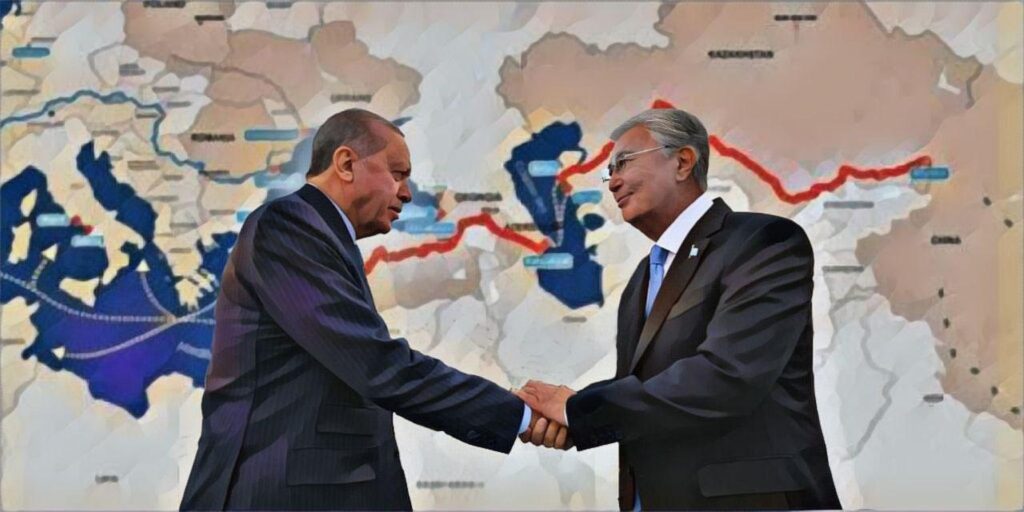
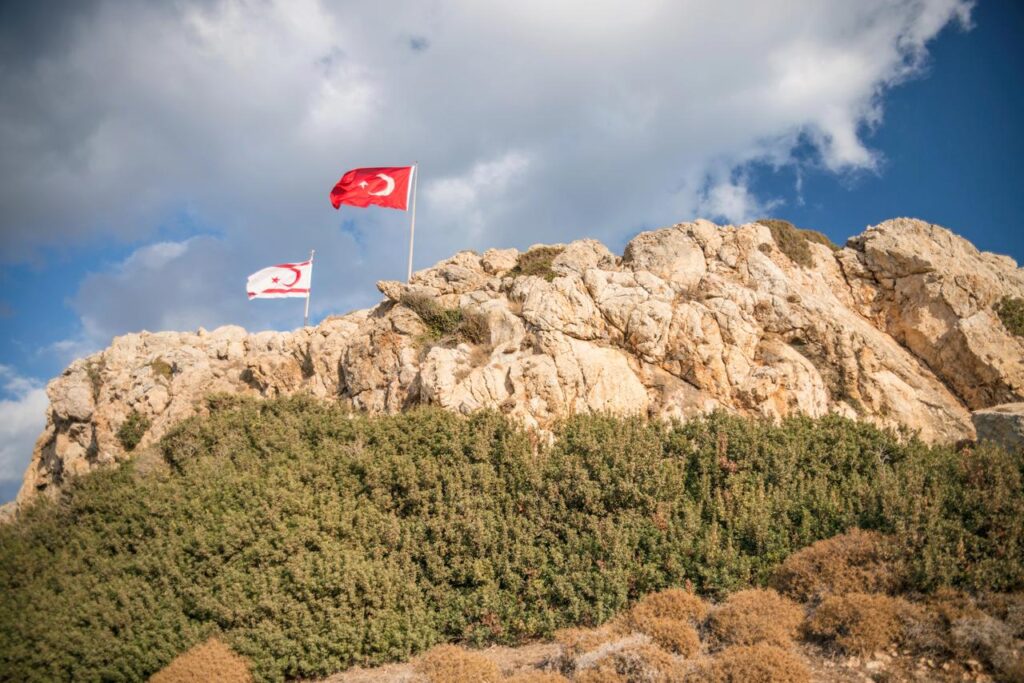
Northern Cyprus has become a microcosm of Turkish foreign policy, a space where Ankara combines military presence, the ideology of “Turkic brotherhood,” and economic leverage. For Turkey, this territory is not merely a long-standing geopolitical dispute but a laboratory for a new diplomatic model centered on the vision of a “great Turkic world.” As noted by Stratfor, despite the decisive victory of Republican Turkish Party leader Tufan Erhürman in the October 19, 2025, presidential elections in the self-declared Turkish Republic of Northern Cyprus (TRNC), a candidate who supports renewed negotiations with the Republic of Cyprus and advocates for a federal model, Ankara has shown no intention of revising its entrenched two-state doctrine. Analysts suggest Turkey may apply economic pressure and diplomatic isolation, including suspension of subsidies and credit lines, should Erhürman attempt to implement a federal solution. Concurrently, Turkey is lobbying for the TRNC’s recognition within the Organization of Turkic States (OTS), aiming to set a symbolic precedent: if Turkic-speaking nations will not support each other, who will? For Central Asia, this initiative reflects Ankara’s commitment to unifying the Turkic world under its political leadership, extending far beyond cultural solidarity. Political Implications for Central Asia Turkey’s push to incorporate the TRNC into the OTS shifts the organization from a cultural bloc to a geopolitical instrument. Should Northern Cyprus gain observer status, Ankara will likely expect symbolic support from its Turkic partners. This poses a significant dilemma for Central Asian states. Aligning with Turkey could be perceived by Western actors as a breach of international law, while maintaining neutrality might be viewed as a rejection of Turkic unity. Kazakhstan, Uzbekistan, and Turkmenistan have so far emphasized adherence to international law and sovereignty. At the April 2025 EU-Central Asia summit in Samarkand, these states jointly reaffirmed UN Security Council resolutions from the early 1980s, which declared the TRNC’s independence and all related separatist actions legally invalid. Kyrgyzstan may face a more delicate challenge due to its deep humanitarian and educational ties with Turkey. Northern Cyprus thus serves as a litmus test for Turkic integration: how closely can nations align without compromising their political autonomy? Economic and Energy Dimensions Cyprus plays a strategic role in Turkey’s energy policy, linking the Caspian region, the Caucasus, and the Eastern Mediterranean. Turkish control over Northern Cyprus bolsters its influence over maritime logistics, offshore gas development, and export corridors. This holds direct relevance for Central Asia. A stronger Turkish position in the Mediterranean enhances its leverage over energy transit routes from the Caspian to Europe, particularly in relation to the Trans-Caspian pipeline and the Middle Corridor. Over time, Ankara is expected to use energy infrastructure as a tool for political engagement, promoting an “economy of Turkic solidarity”, offering mutual benefits, but often tied to strategic conditions. Security and Military Presence The TRNC functions as a prototype for Turkey’s military protectorate model, a way to retain control while presenting itself as a guarantor of stability. This model is echoed across the Turkic region through Turkey’s expanding military partnerships...