• KZT/USD = 0.00213
  • TJS/USD = 0.10800
  • UZS/USD = 0.00008
  • TMT/USD = 0.29850
  • KZT/USD = 0.00213
  • TJS/USD = 0.10800
  • UZS/USD = 0.00008
  • TMT/USD = 0.29850
  • KZT/USD = 0.00213
  • TJS/USD = 0.10800
  • UZS/USD = 0.00008
  • TMT/USD = 0.29850
  • KZT/USD = 0.00213
  • TJS/USD = 0.10800
  • UZS/USD = 0.00008
  • TMT/USD = 0.29850
  • KZT/USD = 0.00213
  • TJS/USD = 0.10800
  • UZS/USD = 0.00008
  • TMT/USD = 0.29850
  • KZT/USD = 0.00213
  • TJS/USD = 0.10800
  • UZS/USD = 0.00008
  • TMT/USD = 0.29850
  • KZT/USD = 0.00213
  • TJS/USD = 0.10800
  • UZS/USD = 0.00008
  • TMT/USD = 0.29850
  • KZT/USD = 0.00213
  • TJS/USD = 0.10800
  • UZS/USD = 0.00008
  • TMT/USD = 0.29850

Viewing results 1 - 6 of 190

New Fighting in Syria Throws Astana Talks Off Track

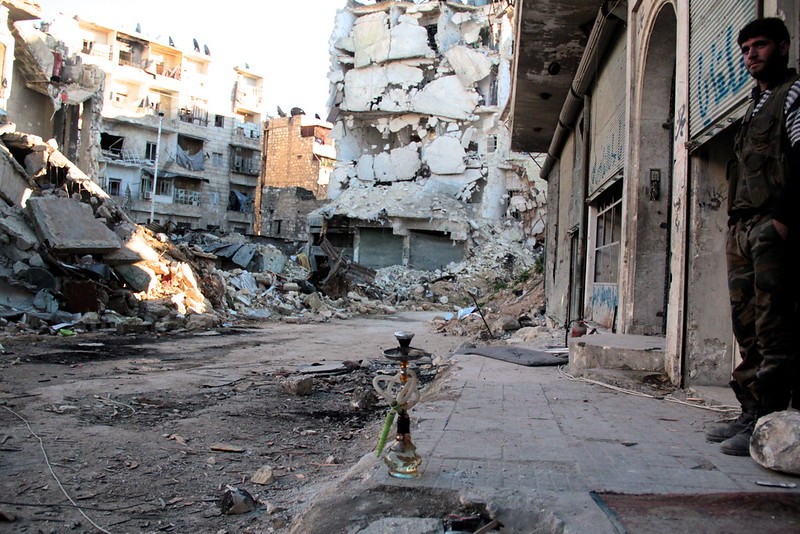
It’s called the Astana process: a long-running series of talks hosted by Kazakhstan whose stated aim is to deliver peace to conflict-torn Syria. Some Syrian opposition figures and other critics, however, have said the “guarantor” countries of the process – Iran, Russia and Türkiye – use it to promote their own political and military interests in the region. The dialogue named after the Kazakh capital, which marked its 22nd round in Astana on Nov. 11-12, was undercut on Nov. 27 when Syrian rebels launched a surprise attack against government forces and seized most of Aleppo, Syria’s second largest city, within days. The stunning operation, which reignited the civil war that began in 2011, followed several years of relative quiet during which Syria was divided into areas of factional control and foreign influence. Iran, Russia and Türkiye are talking about the Astana process as a way out of the current chaos. Visiting Türkiye on Monday, Iranian Foreign Minister Abbas Araghchi said the negotiations format must be “preserved” and that the foreign ministers of the guarantor countries would meet soon to discuss Syria, according to Iranian state media. Multiple media reports say the meeting could take place not in Astana, but on the sidelines of a forum in Doha, Qatar on Dec. 7-8. “All agreed: NO ONE benefits from another war in Syria,” Araghchi said on the X platform. Russia, which along with Iran supports Syrian President Bashar Assad and uses its military presence there to project power in the region and beyond, has also referred to the Astana framework as a way to stabilize the situation. At the same time, Russian jets have conducted bombing runs in response to the rebel offensive, and Iran says it would consider any Syrian government request to send troops. Türkiye, on the other hand, has backed some Syrian rebel groups and blames the resurgence of fighting on Assad’s failure to engage with the opposition. Türkiye, which hosts several million Syrian refugees on its territory, has sent its own military into northern Syria and seeks to counter an autonomous Kurdish area in the northeast of the country. The talks in Astana, which is perceived as a neutral venue, started in 2017 and have included the Syrian government and some Syrian opposition groups. There is also United Nations representation. Jordan, Lebanon, and Iraq have participated as observers. The United States initially took part as an observer, but dropped out several years ago, favoring a U.N.-backed peace process in Geneva. The Astana track provided for so-called deescalation zones, though the Syrian government violated the agreement and seized some of those areas, squeezing rebels and civilians into a smaller area along the Turkish border. While important to reconciliation efforts, the Astana dialogue “has been heavily influenced by the interests and positions” of the sponsoring countries – Iran, Russia and Türkiye, author Zenonas Tziarras wrote in an analysis published in 2022 by the Peace Research Institute Oslo, a non-profit group. “As the scope of the process became wider, encompassing political and...
Turkmenistan Pays Tribute to the Founder of Modern Turkey in Ashgabat Ceremony

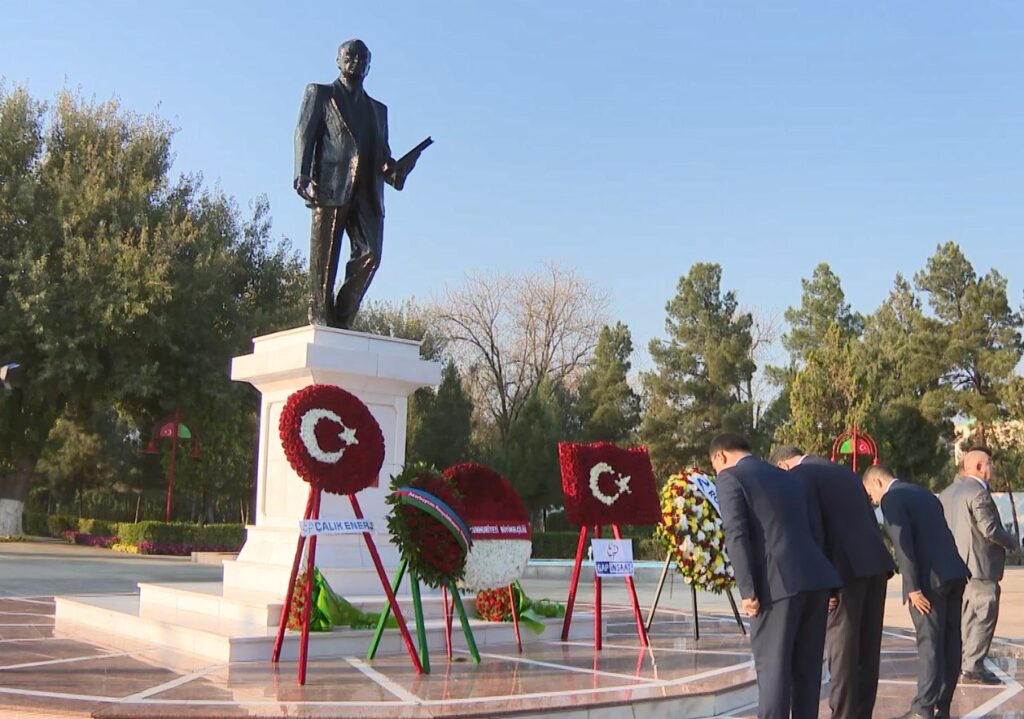
On November 10, Ashgabatex, Turkmenistan’s capital, hosted a memorial event to honor Mustafa Kemal Atatürk, the founder and first president of the Republic of Turkey. Held at the park named in his memory, the ceremony was attended by Turkish Ambassador to Ashgabat, Togan Oral; Deputy Head of the Ashgabat Municipality, Bayrammurat Gurbanov; teachers and students from the Turkmen-Turkish School; Turkish citizens residing in Turkmenistan; and members of the media. The Turkish diplomatic mission organized the event, beginning with a moment of silence and followed by the playing of the national anthems of Turkmenistan and Turkey. A wreath-laying ceremony at the Atatürk Monument provided an opportunity for diplomats and distinguished guests to pay tribute to Atatürk’s profound impact on modernizing Turkey. Mustafa Kemal Atatürk’s leadership led to the establishment of the Republic of Turkey in 1923. His sweeping reforms transformed key sectors of Turkish society, including education and the economy. November 10 marks the anniversary of his passing in 1938.

Turkey Ready to Buy Kazakh Meat at Twice the Price Offered by China

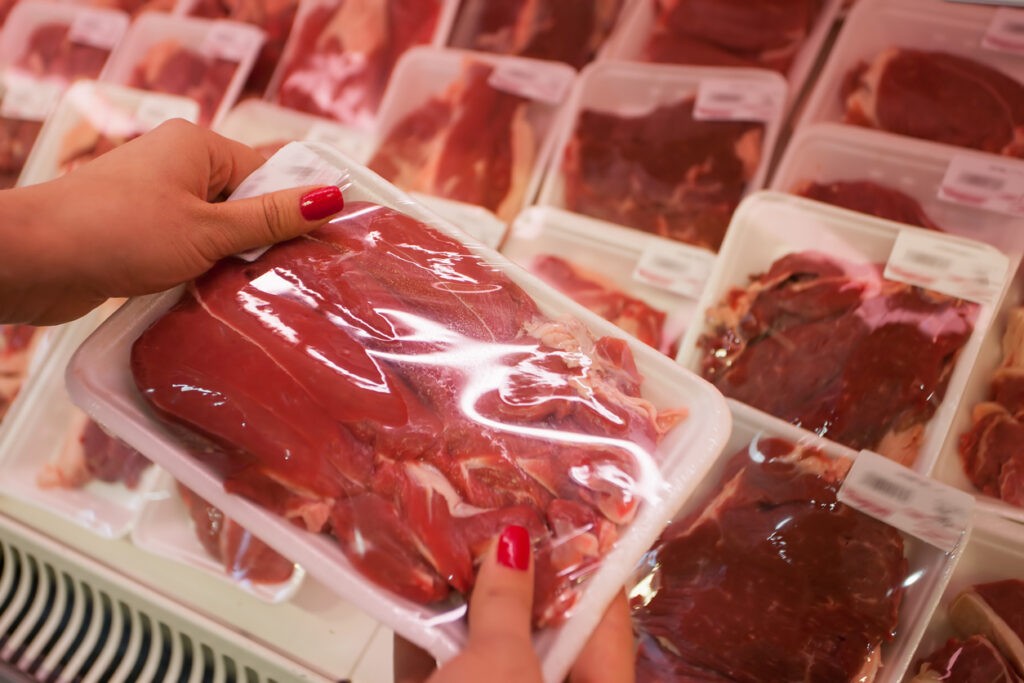
Kazakhstan's Ministry of Agriculture is actively working to open the Turkish market to Kazakh meat exports. Deputy Minister Amangaly Berdalin reported that Turkish partners are willing to pay twice as much for Kazakh beef as China. The Ministry of Agriculture has previously pursued access to the Chinese market for Kazakh livestock products. In February, Beijing lifted restrictions on Kazakh livestock imports, potentially enabling Kazakhstan’s southeastern regions to resume exports of frozen beef and pork to China. However, significant export volumes to China have yet to materialize. Maksut Baktibayev, head of the Meat Union of Kazakhstan, explained that the agreement between the countries only allows exports from four meat processing plants in Kazakhstan, with a combined capacity of 8,000 tons of frozen beef. According to Berdalin, Kazakh producers are not utilizing even this limited capacity due to uncompetitive pricing. Chinese buyers offer $5.5 per kilogram of Kazakh beef, which is comparable to prices in Kazakhstan’s domestic market, ranging from 2,700 to 3,000 tenge ($5.4 to $6.1) per kilogram. Given these figures, transporting Kazakh meat to China is economically unviable for producers. In contrast, Turkey is prepared to pay nearly double, or $11 per kilogram, for Kazakh beef. "Our ministry’s objective is to open as many markets as possible for our producers, particularly those offering attractive prices,” Berdalin stated at the Vet Astana 2024 International Exhibition on Feed and Veterinary in Astana. “That is why our inspectors are actively collaborating with Turkish officials to understand their export requirements.” Berdalin noted that while specific export volumes of Kazakh beef to Turkey are not yet determined, there is optimism following a recent diplomatic visit. In August, Kazakhstan’s Minister of Agriculture Aidarbek Saparov visited Ankara, where business representatives from both countries signed contracts to supply Kazakh meat to Turkey, valued at $80 million over the coming years, contingent on Kazakhstan’s successful completion of required veterinary and epidemiological procedures. The Turkish market has historically been closed to most Kazakh livestock products due to restrictions related to animal diseases, with some bans in place for approximately 20 years. Turkish authorities lifted these restrictions in June 2024. Kazakh producers are now navigating an extensive certification process to gain market access. Some required tests must be conducted in third countries, prompting Kazakhstan to rebuild its own laboratory capabilities. Berdalin shared that the Kazakh government has allocated 3.8 billion tenge ($7.7 million) this year to support veterinary laboratories. "To export to a country, we must meet all its import requirements. For instance, to export our honey, we need to conduct 43 specific tests. Currently, we handle 20 in-house, but the remaining 23 are outsourced to laboratories in Latvia and Georgia,” Berdalin explained. In addition to Turkey, the Ministry of Agriculture is working to open European markets for Kazakh meat. Last year, Kazakhstan exported over 53,000 tons of meat and meat products valued at $153 million. Poultry was the largest export category, at nearly 32,000 tons, followed by beef at 15,800 tons. Primary export destinations included Uzbekistan, the UAE, Kyrgyzstan, Iran,...

Kyrgyzstan Backs Turkish Arms Embargo Against Israel

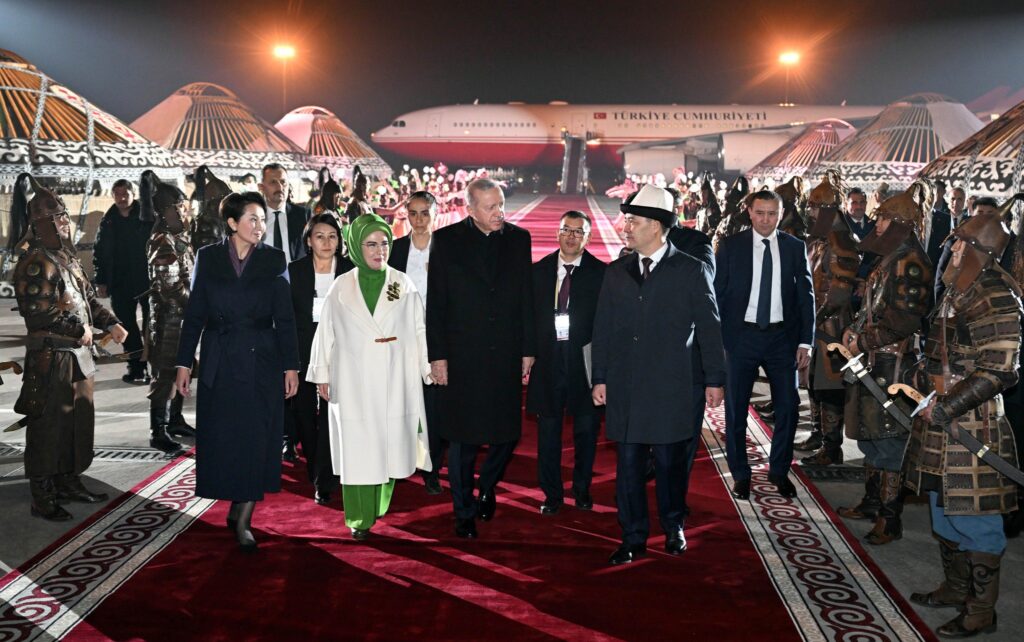
The Turkish authorities have sent a letter to the UN on behalf of 52 countries calling for an arms embargo against Israel in response to the ongoing war in Gaza and Lebanon, Turkish media has reported. In the letter, the Turkish authorities call the "staggering" civilian death toll "unconscionable and intolerable." In response to the letter, Turkish Ambassador to the UN, Danny Danon stated in uncompromising terms, "What else can be expected from a country whose actions are driven by malice in an attempt to create conflicts with the support of the 'Axis of Evil' countries?" Turkish President Recep Tayyip Erdogan arrived in Bishkek on November 4. During the visit, the Turkish leader will hold talks with the president of Kyrgyzstan and participate in the 11th Summit of the Council of Heads of State of the Organization of Turkic States. Following the summit, several bilateral documents will be signed to expand strategic cooperation between the countries. On the eve of Erdogan's visit, Kyrgyzstan backed the Turkish resolution in the UN. The authorities in Turkey have stated that with its military actions against Palestine and Lebanon, Israel has brought the entire region to the brink of a full-scale war. “This is necessary to end Israel's illegal occupation, to prevent further violations against civilians in the Gaza Strip and the rest of the occupied Palestinian territory, as well as in Lebanon, and to prevent further regional escalation,” Turkey's permanent representative to the UN, Ahmet Yildiz stated. The Turkish letter was signed by 52 states, including Russia, Kazakhstan, and China, whilst the Arab League, and the Organization of Islamic Cooperation are also signatories. Kyrgyzstan, along with other Central Asian states, usually adheres to strict diplomatic neutrality regarding the Middle East conflict.

How Central Asia Is Shifting From Russia Towards Turkey

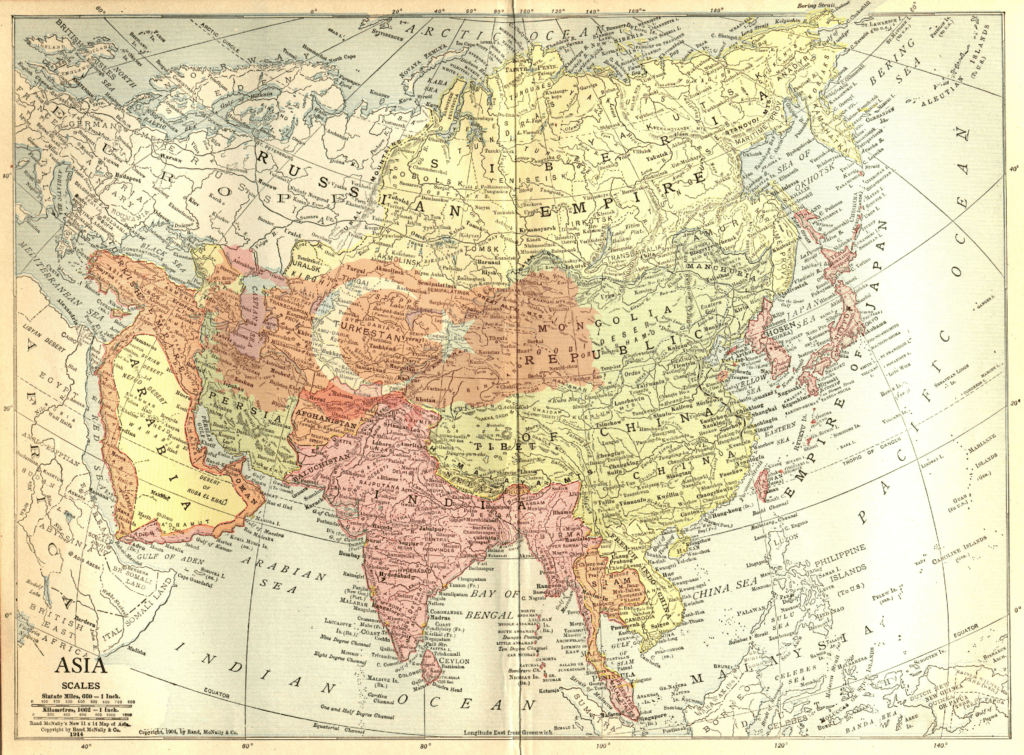
For Turkey, a NATO member and EU hopeful, the Organization of Turkic States (OTS) is an instrument that helps Ankara increase its presence in the strategically important region of Central Asia. For Kazakhstan, Kyrgyzstan, Uzbekistan, and Turkmenistan, the Turkish-dominated group seems to be a tool that allows them to achieve their economic goals, while also continuing to distance themselves from Russia. Although Moscow still has a relatively strong foothold in Central Asia, it does not seem able to prevent the growing role of the Organization of Turkic States in the post-Soviet space. This entity – whose members are Azerbaijan, Kazakhstan, Kyrgyzstan, Turkey, and Uzbekistan, while Turkmenistan, Hungary, and the self-proclaimed Turkish Republic of Northern Cyprus hold observer status – has the potential to eventually serve as a counterbalance not only to Russian, but also Chinese influence in the region. Since its foundation in 2009, the OTS has held ten summits of its leaders. Over this period, the intergovernmental organization’s working bodies have also convened dozens of times. On November 5-6 in the Kyrgyz capital Bishkek, the OTS heads of states will meet for the eleventh time to discuss the future of the Turkic world. Although the agenda has yet to be announced, it is believed that the OTS leaders will seek to strengthen economic cooperation between its members. Currently, their major trade partners are nations outside the bloc. For instance, Turkey’s largest trading partner is Germany, Azerbaijan’s is Italy, while China has recently become Kazakhstan’s biggest trade partner with bilateral trade hitting $31.5 billion. For neighboring Kyrgyzstan and Uzbekistan, China and Russia remain the most important economic partners. One of the group’s major problems is the fact that its members, excluding Turkey, are landlocked countries heavily-dependent on Russia and China geographically. Turkmenistan and Kazakhstan, as major energy exporters, rely on oil and gas pipelines traversing Russian territory to reach their customers in Europe. It is, therefore, no surprise that the Organization of Turkic States governments’ agreed in September to create a simplified customs corridor, aiming at reducing the number of documents required for customs operations and customs procedures between OTS member states. In other words, they plan to increase trade among themselves. According to Omer Kocaman, OTS Deputy Secretary-General, the Turkic nations are also looking to “continue cooperation to stimulate positive changes in their financial systems.” That is why the organization has recently launched the Turkic Investment Fund – the first joint financial institution for economic integration of the Turkic countries, with an initial capital of $500 million. Kyrgyzstan’s Chamber of Commerce and Industry announced on October 17 that, starting in January 2025, the Turkic Investment Fund will begin financing major joint projects in OTS nations. However, in July, Azerbaijani President Ilham Aliyev said that the current structure of the Organization of Turkic States does not meet its established goals, and that its budget is insufficient for their implementation. In order to change that, on October 19, ministers of economy and trade of the OTS nations met in Bishkek to...

Kazakhstan May Manufacture Turkish Bayraktar Drones

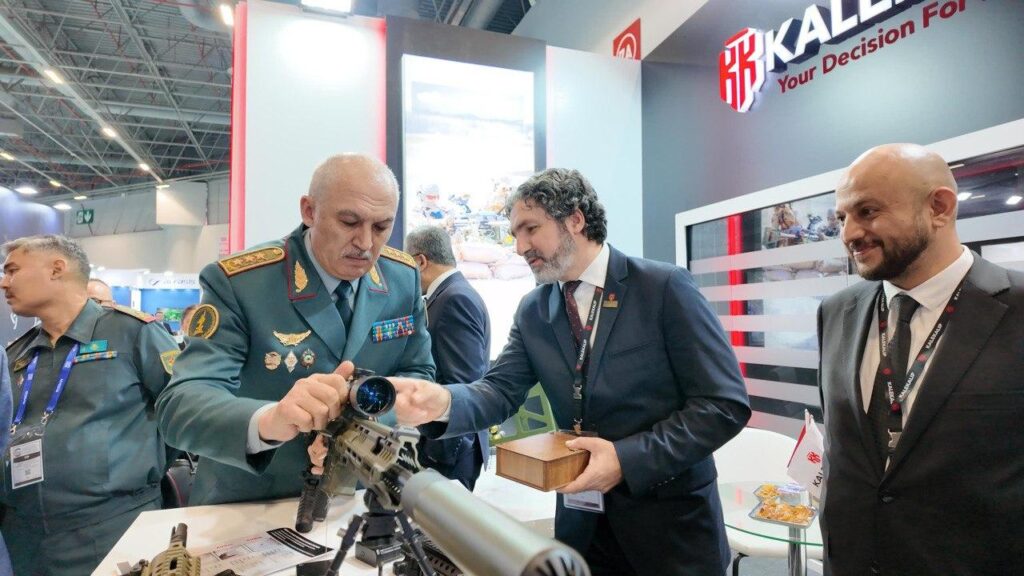
A delegation headed by Kazakhstan's Minister of Defense , Colonel General Ruslan Zhaksylykov, attended the IV International Exhibition of Defense and Aerospace Equipment SAHA EXPO-2024 opening ceremony in Istanbul. The event brought together leading representatives of the military-industrial complex of Europe, Asia, and the Middle East. It demonstrated the latest developments, including automatic troop and battle management systems, robotic systems, communications, air defense, radio reconnaissance, electronic warfare, radio countermeasures, unmanned aerial vehicles, and laser technologies. During the exhibition, Zhaksylykov held talks with Turkish Minister of National Defense Yaşar Güler and Chairman of the Defense Industry Agency Haluk Görgün. He also met with Mohammed bin Mubarak Fadel Al Mazroui, UAE Minister of State for Defense Affairs. Special attention was paid to the talks with Baykar Defense CEO Haluk Bayraktar. The parties agreed on developing a roadmap for the localization of the production of tactical unmanned aircraft systems and barrage munitions at the operational level in Kazakhstan. Kazakhstan is actively developing the production of unmanned aerial vehicles (UAVs) with the involvement of foreign partners. One of the significant projects is the joint production of Anka drones with Turkey, which will start in 2024. The agreement between Turkish Aerospace Industries (TAI) and Kazakhstan Engineering provides for technology transfer and the creation of an assembly line, allowing Kazakhstan to produce drones independently in the future. In addition to Turkey, Kazakhstan cooperates with South Korea and China on drones. In 2023, Petropavlovsk established local drone production using components from China. Such steps contribute to the development of Kazakhstan's defense industry and reduce dependence on imports.