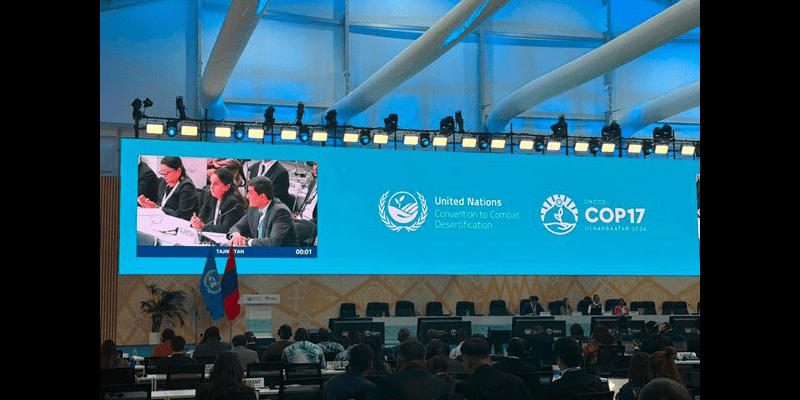
By 2080, climate change is expected to have a profound impact on the economies of Central Asian countries, with potential losses ranging from 20% to 130% of GDP. The most severe effects are projected for mountainous nations. These estimates were presented at a CAREC technology forum by Iskandar Abdullaev, a senior research fellow at the International Water Management Institute in Uzbekistan.
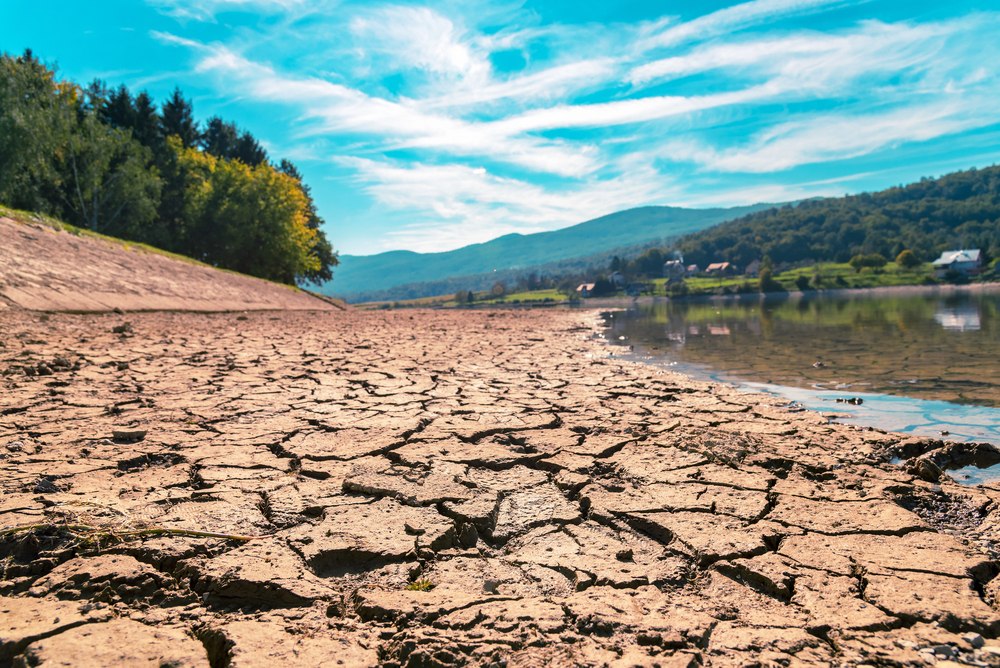
According to Abdullaev, climate change is no longer solely an environmental issue but an increasingly significant economic factor. Key risks include droughts and water scarcity, floods, heatwaves, and glacier melt.
The projected economic impact varies across the region. Tajikistan could face losses of between 80% and 130% of GDP, Kyrgyzstan 70% to 120%, Kazakhstan 40% to 80%, Uzbekistan 30% to 45%, and Turkmenistan 20% to 60%.
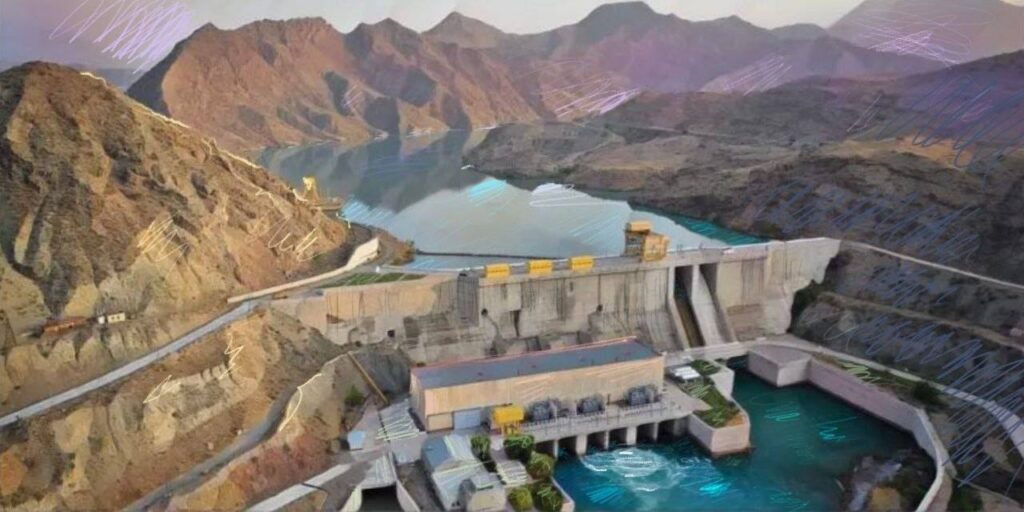
Abdullaev emphasized that mountainous countries – Tajikistan and Kyrgyzstan – are particularly vulnerable, as climate change directly affects water resources. Glacier melt reduces river flows, creating challenges for both energy production and water supply.
Droughts and extreme heat are already placing pressure on agriculture, with declining crop yields and reduced pasture productivity. Without adaptation measures, the region’s long-term sustainability could be at risk.
Experts stress that mitigation and adaptation efforts are essential to reduce these risks. These include modernizing irrigation systems, adopting climate-resilient agricultural technologies, and expanding renewable energy capacity.
This is not the only warning. According to the World Bank, natural disasters are already causing significant economic damage in Central Asia. Losses from extreme events, including floods and earthquakes, can reach up to 6% of GDP, with earthquakes alone accounting for up to $2 billion in damages.
At the same time, countries in the region face substantial financing gaps following major disasters. In Tajikistan, this gap could reach up to $1.5 billion. Experts warn that climate change is likely to intensify these risks, further increasing the economic burden on the region.