• KGS/USD = 0.01144 0%
  • KZT/USD = 0.00212 0%
  • TJS/USD = 0.10456 0.19%
  • UZS/USD = 0.00008 0%
  • TMT/USD = 0.28490 0%
  • KGS/USD = 0.01144 0%
  • KZT/USD = 0.00212 0%
  • TJS/USD = 0.10456 0.19%
  • UZS/USD = 0.00008 0%
  • TMT/USD = 0.28490 0%
  • KGS/USD = 0.01144 0%
  • KZT/USD = 0.00212 0%
  • TJS/USD = 0.10456 0.19%
  • UZS/USD = 0.00008 0%
  • TMT/USD = 0.28490 0%
  • KGS/USD = 0.01144 0%
  • KZT/USD = 0.00212 0%
  • TJS/USD = 0.10456 0.19%
  • UZS/USD = 0.00008 0%
  • TMT/USD = 0.28490 0%
  • KGS/USD = 0.01144 0%
  • KZT/USD = 0.00212 0%
  • TJS/USD = 0.10456 0.19%
  • UZS/USD = 0.00008 0%
  • TMT/USD = 0.28490 0%
  • KGS/USD = 0.01144 0%
  • KZT/USD = 0.00212 0%
  • TJS/USD = 0.10456 0.19%
  • UZS/USD = 0.00008 0%
  • TMT/USD = 0.28490 0%
  • KGS/USD = 0.01144 0%
  • KZT/USD = 0.00212 0%
  • TJS/USD = 0.10456 0.19%
  • UZS/USD = 0.00008 0%
  • TMT/USD = 0.28490 0%
  • KGS/USD = 0.01144 0%
  • KZT/USD = 0.00212 0%
  • TJS/USD = 0.10456 0.19%
  • UZS/USD = 0.00008 0%
  • TMT/USD = 0.28490 0%

Viewing results 1477 - 1482 of 3334

Uzbekistan Prepares for the Polls: Embracing a New Electoral System

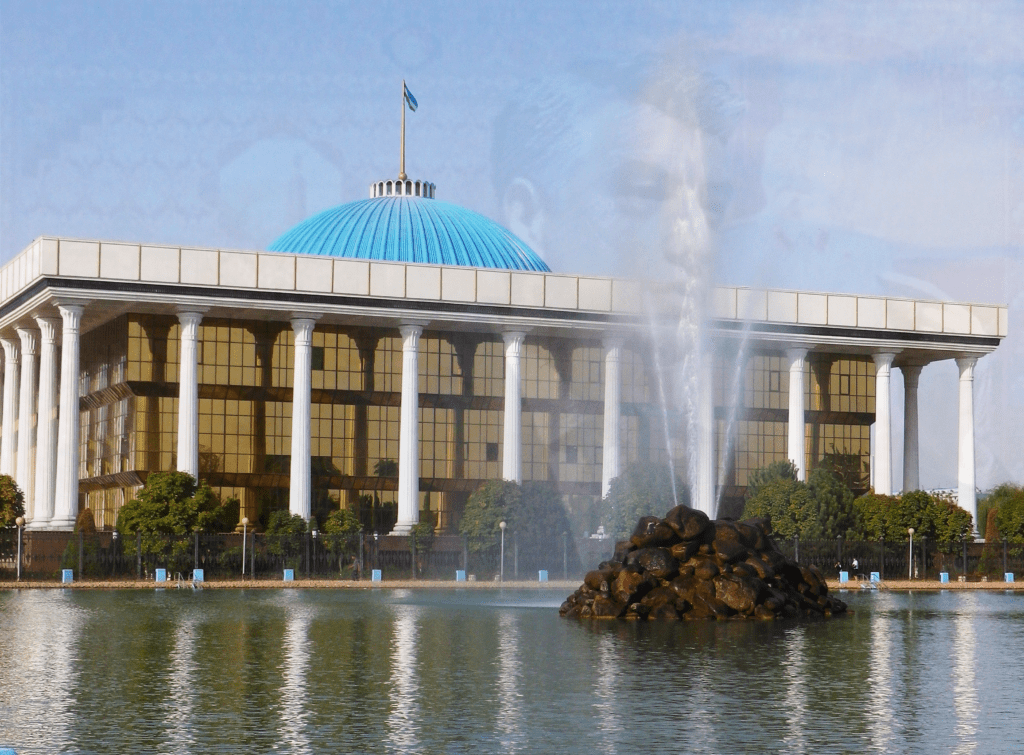
On October 27, citizens of Uzbekistan will cast their ballots under a new mixed electoral system for the 150-member Legislative Chamber of the Oliy Majlis (Lower House of Parliament) in elections billed as “My choice is my prospering Motherland.” Half of the candidates will be elected from single-member districts using a first-past-the-post system, whilst the other half will come from nationwide proportional representation which requires parties to surpass a 7% electoral threshold. If fewer than one-third of eligible voters participate, the election will be deemed invalid, and should no party meet the threshold for proportional seats, those elections will be considered void. By mandate, at least 40% of the candidates must be women, up from 30% in the elections held in 2019. Additionally, 56 members of the upper chamber, 65 deputies of the Jokargy Kenes of the Republic of Karakalpakstan, 12 regional and 208 district and city council seats are also being contested by approximately 30,000 candidates. At the invitation of the authorities in Uzbekistan, at the end of September, the OSCE’s Office for Democratic Institutions and Human Rights (ODIHR) dispatched a team of long-term observers. On October 5, Uzbekistan held a groundbreaking pre-election TV debate for party leaders which was broadcast live on multiple TV channels and social media platforms in Uzbek, Russian, English, and Karakalpak. Reportedly modeled on the BBC’s Question Time, the debate’s audience featured voices from the nation's youth, women, and ethnic minorities as part of a drive to engage with voters described by organizers as “innovate, creative [and] interactive. Five parties - the Liberal-Democratic Party of Uzbekistan, Milli Tiklanish (National Revival) Democratic Party, the Ecological Party of Uzbekistan, the People’s Democratic Party of Uzbekistan (PDP), and the Adolat (Justice) Social-Democratic Party – have been registered for the upcoming elections. However, others have faced a backlash for attempting to register. According to The Diplomat, all of the entities running “have always been perceived as mere extensions of the state.” Since the death of long-term despot, Islam Karimov, however, Uzbekistan’s “state apparatus [have] become more open,” as noted by an election observer in 2019, whilst the platforms of figures such as Alisher Qodirov have increasingly chimed with the public. Amidst reforms aimed at tackling endemic corruption, in recent years Uzbekistan has gained ground on Transparency International’s global corruption perception index, and recently partnered with the World Bank on “training, projects, and research to combat corruption.”
Migrants in the Crossfire: Russia’s Recruitment for Ukraine War Sparks Tensions

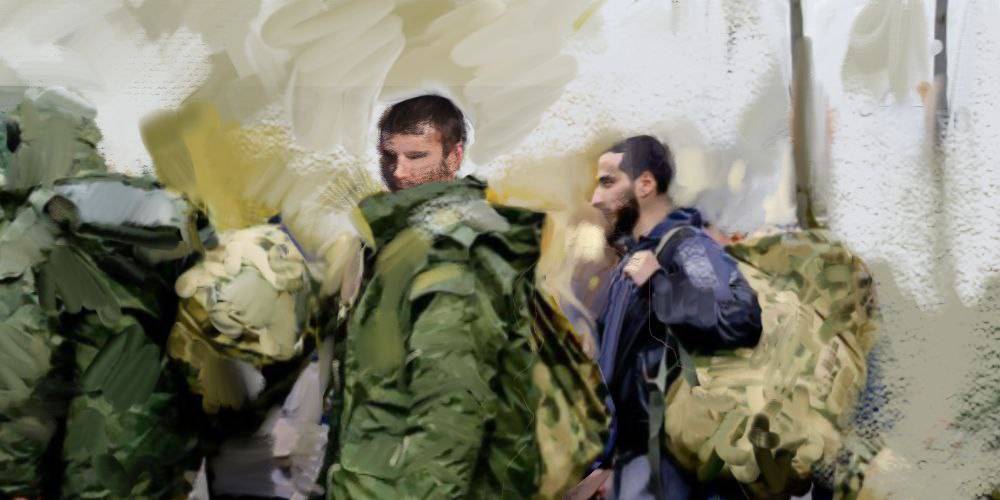
Russia’s ongoing “special military operation” in Ukraine has increased the demand for additional forces, and, in response, Russia is increasingly viewing the use of migrants as a good solution to the situation. As of September 1, 2024, official figures state that 3,985,000 citizens of Central Asian countries lived in Russia. Uzbekistan leads the way with over 1,792,000 migrants, followed by Tajikistan with more than 1,231,000, Kazakhstan with 606,900, Kyrgyzstan with 262,800, and Turkmenistan with 92,000. Some Central Asian migrants have signed contracts with the Russian Ministry of Defense to participate in the war, motivated mainly by financial incentives. However, economic reasons are not the only factor driving them to war. People from Central Asian countries who have received citizenship are also being threatened with imprisonment for failing to join the war effort. TCA has previously reported on efforts by officials to recruit young men detained at the Sakharovo immigration processing center to join the Russian army and fight in Ukraine. In addition, a decree issued by Vladimir Putin has simplified the process for foreigners who join the military to gain Russian citizenship. In contrast, Central Asian governments have looked to discourage their citizens from engaging in the conflict. For example, Uzbekistan has warned that any citizen involved in the Russia-Ukraine war will face legal consequences. In October 2023, an Uzbek citizen who fought in Ukraine for financial reasons was sentenced to three years in prison by a Uzbek court. The defendant had returned to Uzbekistan after being wounded in the conflict, and authorities discovered military documents and proof of his Russian citizenship during their investigation. By September 2024, a growing number of Central Asians had perished in the war, including 47 Uzbeks, 51 Tajiks, and 26 Kyrgyz nationals. In Kazakhstan, since 2014, following the start of the war in the Donetsk and Luhansk regions, criminal liability was been introduced for citizens who participate in armed conflicts abroad. A person who commits such an offense can be punished with imprisonment for up to 12 years, face the confiscation of property, and be deprived of their citizenship. For example, in November of last year, a 34-year-old man from Kazakhstan was imprisoned for six years and eight months for participating in the war in Ukraine. Kyrgyzstan and Tajikistan have also applied measures involving the deprivation of liberty their citizens who participate in the war. Tajikistan’s economy significantly depends on remittances from labor migrants in Russia, which account for approximately one-third of its GDP. Despite the war in Ukraine, over 1.7 million Tajik citizens sought work in Russia in the first half of 2022. However, reports indicate that many Tajik migrants are being sent to Ukraine against their will, raising concerns. The situation further deteriorated after a terrorist attack at Crocus City Hall in February 2024. Tajik nationals were among the primary suspects, leading to a shift in Russia’s attitude towards Central Asian migrants. Tajikistan’s Foreign Minister, Sirojiddin Muhriddin, expressed concerns over the violations of Tajik citizens’ rights in some CIS countries, calling for a...

Kyrgyz Economy Is on the Rise

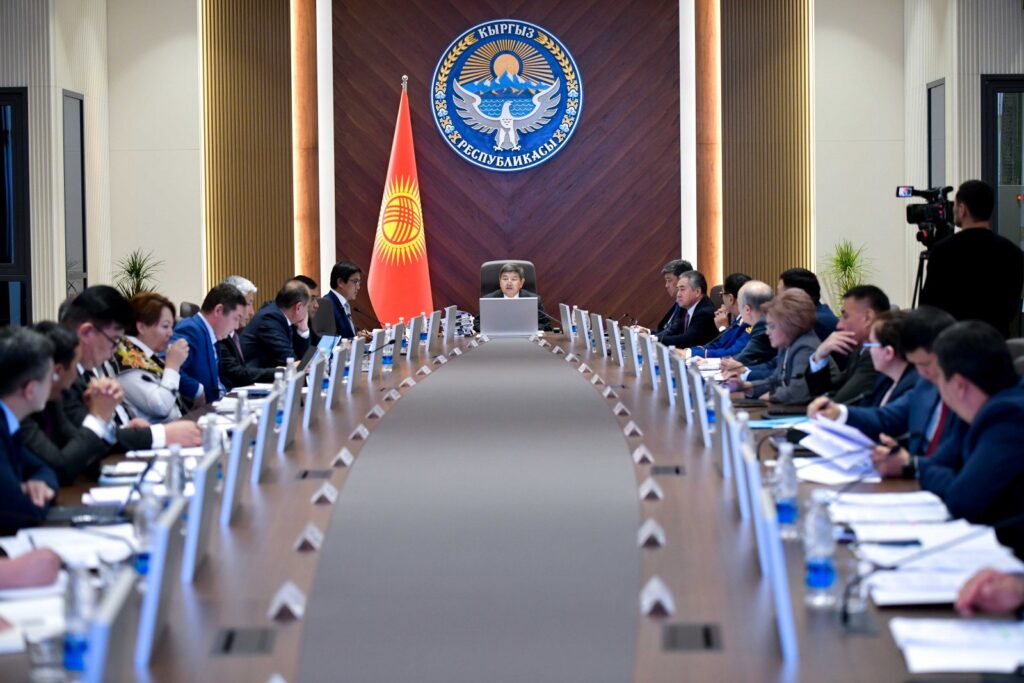
Government statistics and independent analysts note growth in almost all sectors of the Kyrgyz economy The most significant increase is recorded in the construction sector, which in turn, has positively impacted other sectors, such as industrial production, agriculture, and foreign trade. Speaking to The Times of Central Asia, macroeconomics expert Nasirdin Shamshiev remarked: “This year, due to favorable weather, twice as many beets, and one and a half times more barley and wheat were harvested. Due to the high rate of construction of small hydropower plants, the energy sector is also showing good growth. In addition, the production of construction materials has increased, and textile production is growing. Exports for the first eight months of 2024 increased by 13.5%, and imports by 8.1%." According to Shamshiev, the good economic dynamics were influenced by several factors: the strengthening of fiscal rules, fighting corruption and illegal financial flows, and a balanced monetary policy. Earlier, Kyrgyzstan' president Akylbek Japarov, held a meeting of the Cabinet of Ministers, during which the socio-economic development results for the first nine months of 2024 were summarized. According to Japarov, Kyrgyzstan's GDP grew by 8.4%. However, gold exports, traditionally the economy's leading revenue-generating sector, have declined  this year; a situation previously reported  by The Times of Central Asia with reference to a decline in production at  Kumtor, the country's largest gold mine. According to the Prime Minister's information, 37% of the growth in the construction sector provides an increase in industrial production in Kyrgyzstan. Data also shows that over the past year, following the launch of the Chinese oil refinery Junda near Bishkek, the production of refined petroleum products almost doubled. Hailing the success of recent ventures, Japarov stated: “The growth rate of our economy is nothing short of encouraging. We are now implementing the Leap of the Leopard program and approaching our set ambitious goals and objectives."

Central Asia: Working Together on Border Landscapes

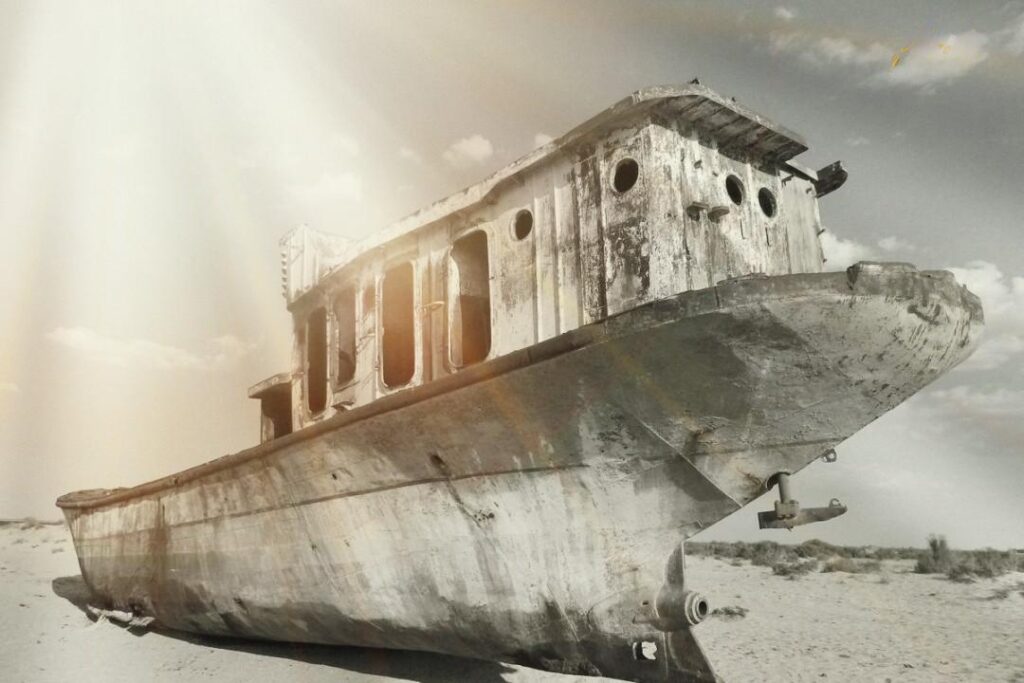
Talk of closer cooperation among Central Asian countries has ebbed and flowed as far back as the period after independence from Soviet rule in the early 1990s. The goal of a more unified region is a work in progress, though one promising area of collaboration is a plan to restore and protect damaged ecosystems in border regions. The first regional meeting on the topic, held this month in Tashkent, Uzbekistan’s capital, brought together government officials from the host nation as well as Kazakhstan, Kyrgyzstan, Tajikistan and Turkmenistan. The portfolios of the delegates were nature preservation, protected areas, emergencies, agriculture, and forestry. They talked about coordinating on wildfire alert systems in cross-border areas, erosion control, tree-planting and nature-oriented tourism in protected areas and other sites shared by Central Asia countries, according to the Regional Environmental Centre for Central Asia, a non-profit group based in Almaty, Kazakhstan that promotes regional dialogue on the environment. The group, which organized the Tashkent meeting, was created in 2001 by the five Central Asian states as well as the European Union and the United Nations Development Programme. The initiative is supported by a $256 million World Bank program to restore degraded landscapes in the region. The World Bank has noted big progress toward poverty alleviation and economic growth by Central Asian countries in the last decades. However, it has cautioned that oil and gas extraction in Kazakhstan, Uzbekistan, and Turkmenistan have taken a heavy environmental toll, while soil erosion and water scarcity have accompanied land development in Kyrgyzstan and Tajikistan. Arid conditions exacerbated by climate change and inefficient management threaten transboundary water resources, a problem that is becoming increasingly severe. “A key example of tragic impacts on livelihoods and health of communities in Kazakhstan and Uzbekistan and across the region are massive sand and salt storms originating from the land areas once covered by the Aral Sea,” the Regional Environmental Centre for Central Asia said. It cited an international disaster database as saying more than 10 million people in Central Asia have “suffered from land degradation-related disasters” since 1990, inflicting damages estimated at around $2.5 billion. Central Asian countries also seek to collaborate on early warning systems and other emergency precautions as they face a variety of natural hazards, including floods, landslides and droughts. Supported by United Nations agencies, the heads of the national emergency departments of Kyrgyzstan, Kazakhstan, Tajikistan and Uzbekistan convened in August at a lakeside resort town in northern Kyrgyzstan. There, they shared information and experiences.

Navigating Afghan-Pakistani Conflict: Central Asia’s Mediating Role in Regional Stability

Recently, there has been a significant increase in tensions between Afghanistan and Pakistan, with both sides regularly exchanging accusations. In addition to this, border conflicts have become more frequent, with border crossings periodically closed. According to Modern Diplomacy, both countries are in a state of quite severe political conflict, and distrust and hostility from the Afghan population towards Pakistan is growing even though the "victory of the Taliban and the reincarnation of the Islamic Emirate... should have been a victory for Pakistan and strengthened its position in the region.” The confrontation between the two neighbors in South Asia is a source of concern for other countries in the region, especially for the Central Asian republics, which are increasingly acquiring the status of independent players in their dealings with Afghanistan. Due to their proximity, these republics to varying degrees link their development with a stable Afghanistan designed to become a bridge to South Asia. Negative dynamics in Afghan-Pakistani relations are a cause of much wringing of hands. Pakistan was among the first states to recognize the independence of the former Soviet Central Asian republics and has dynamic ties with them. Pakistan's trade turnover with the region is roughly $500 million annually, most of which comes from imports to Pakistan. The nations are linked by the Quadrilateral Traffic in Transit Agreement (QTTA), the Turkmenistan-Afghanistan-Pakistan-India (TAPI) gas pipeline project, the CASA-1000 energy project, and the Uzbekistan–Afghanistan–Pakistan Railway Project. The majority of these projects use Afghanistan as a bridge between Central Asia and Pakistan. In this regard, the countries of Central Asia are interested in a political situation which excludes confrontational approaches; none of them are interested in further destabilization in Afghanistan. In the Central Asian republics, there is a well-established understanding of Pakistan's exceptional and particularly important role in Afghanistan’s stability. Pakistan has a defining influence on security in Afghanistan and has historically been the most integrated in Afghan issues at the level of political and multi-ethnic conflicts. Pakistan is linked to its neighbor by historical and socio-cultural ties. In reality, however, a different story is emerging. At both a global and regional level, active measures out of Islamabad set to discredit the de facto Taliban-led government of Afghanistan have been observed. Islamabad has undertaken a robust information campaign, which has put forward an entrenched narrative about Afghanistan being one of the world’s major sources of terrorism. In this information war, Islamabad, being a fully-fledged member of the international community, has clear advantages and has used all available tools, including access to global platforms. Islamabad also has access to specialized committees and departments of the UN, which regularly prepare reports on the situation in Afghanistan. Unsurprisingly, it has used these to include ideas favorable its' position on the world stage. Acting as a source of information, Islamabad has presented its point of view, which the international community has largely accepted as objective information. However, it does not provide specific data, such as the size of terrorist groups or the location of their training camps....

Secret Spots Favored by Tashkent’s City Dwellers

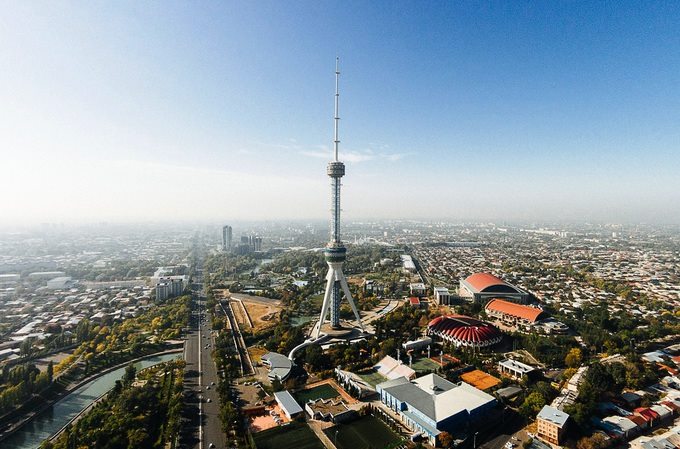
Tashkent, the capital of Uzbekistan, has a wealth of unique attractions, each with its own history and atmosphere. Residents, from students to entrepreneurs, have their favorite corners where they return again and again. Here some of a few recommended by locals to TCA.   [caption id="attachment_24632" align="aligncenter" width="1100"] photo: uzbekistan.travel Eco Park[/caption] Eco Park Located in the city center, the Eco Park is especially popular amongst students seeking somewhere to relax, take a break from their studies and immerse themselves in nature. “Here you can not only walk around, but also learn and be inspired by new ideas.” Saeed, 19, Programming student   [caption id="attachment_24625" align="aligncenter" width="900"] photo: www.tripadvisor -Seoul National Park[/caption] Seoul National Park Easily accessible by bus from the city center, Seoul National Park offers a taste of Korea in its landscaping and various pavilions. Passionate about Korean culture, Samira often visits the park to relax and socialise with friends. “This place has become my little world where I can enjoy nature and feel part of Korean culture.” Samira, 17, High school student   [caption id="attachment_24624" align="aligncenter" width="680"] photo: www.afisha -Patriki Coffee Shop[/caption] Patriki Coffee Shop For Dilshot, aside from its excellent coffee, the cozy atmosphere of Patriki is a perfect and inspirational spot in which to complete tasks on his computer. “There is always cool music here, and I can focus on my projects without being distracted by noise.” Dilshot, 22, Programmer   [caption id="attachment_24626" align="aligncenter" width="900"] photo: www.tripadvisor - Café 1991[/caption] Café 1991 Nasiba, prefers to chill in Cafe 1991; a venue renowned for its excellent menu and which she favors for its elegant and stylish atmosphere. “It is my place of rest. I like to relax here after work, enjoy delicious food and socialize with friends.” Nasiba, 30, Cafe Administrator   [caption id="attachment_24627" align="aligncenter" width="680"] photo: www.gazeta.uz - Chinorkent[/caption] Chinorkent Mountain Resort Lured by the great outdoors, Gafur likes to escape his daily routine and the hustle and bustle of the city by heading for the picturesque mountain resort of  Chinorkent. Located in Tashkent's  Bostanlyk district, 65 kilometers from the center, the resort has a cable car to transport visitors within ten minutes to an observation deck offering panoramic views. “The tranquil atmosphere makes it a perfect place to relax.” Gafur, 22, Entrepreneur