• KGS/USD = 0.01144 0%
  • KZT/USD = 0.00213 0%
  • TJS/USD = 0.10456 0.19%
  • UZS/USD = 0.00008 0%
  • TMT/USD = 0.28490 0%
  • KGS/USD = 0.01144 0%
  • KZT/USD = 0.00213 0%
  • TJS/USD = 0.10456 0.19%
  • UZS/USD = 0.00008 0%
  • TMT/USD = 0.28490 0%
  • KGS/USD = 0.01144 0%
  • KZT/USD = 0.00213 0%
  • TJS/USD = 0.10456 0.19%
  • UZS/USD = 0.00008 0%
  • TMT/USD = 0.28490 0%
  • KGS/USD = 0.01144 0%
  • KZT/USD = 0.00213 0%
  • TJS/USD = 0.10456 0.19%
  • UZS/USD = 0.00008 0%
  • TMT/USD = 0.28490 0%
  • KGS/USD = 0.01144 0%
  • KZT/USD = 0.00213 0%
  • TJS/USD = 0.10456 0.19%
  • UZS/USD = 0.00008 0%
  • TMT/USD = 0.28490 0%
  • KGS/USD = 0.01144 0%
  • KZT/USD = 0.00213 0%
  • TJS/USD = 0.10456 0.19%
  • UZS/USD = 0.00008 0%
  • TMT/USD = 0.28490 0%
  • KGS/USD = 0.01144 0%
  • KZT/USD = 0.00213 0%
  • TJS/USD = 0.10456 0.19%
  • UZS/USD = 0.00008 0%
  • TMT/USD = 0.28490 0%
  • KGS/USD = 0.01144 0%
  • KZT/USD = 0.00213 0%
  • TJS/USD = 0.10456 0.19%
  • UZS/USD = 0.00008 0%
  • TMT/USD = 0.28490 0%

Viewing results 1495 - 1500 of 3334

“A Punitive Decision To Scare Journalists”: Bolot Temirov Hits Back at Bishkek Court

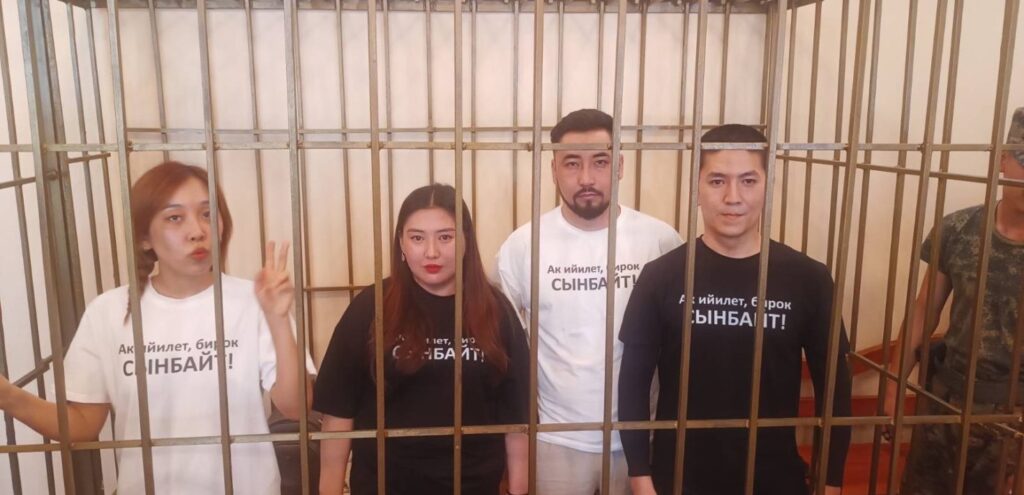
After almost a year of proceedings, the Lenin District Court in Bishkek has convicted journalists Makhabat Tazhibek Kyzy and Azamat Ishenbekov of the Temirov Live project. Both were sentenced for calling for "mass disorder;" a verdict which the media project founder, Bolot Temirov, considers revenge for their professional activities. According to the court ruling, Makhabat Tazhibek Kyzy (head of Temirov Live) was sentenced to six years in prison, and journalist Azamat Ishenbekov, to five years. Two journalists, Aktilek Kaparov and Ayka Beishenalieva, were sentenced to three years of probation, whilst the remaining seven project employees were acquitted. On January 16, 2024, law enforcers searched the office of Temirov Live and seized all editorial equipment in the interest of the investigation. Eleven employees of the publication were searched and detained. Later, the Kyrgyz Interior Ministry said they had studied Temirov Live and Ait Ait Dese's content on social networks and that results of the forensic examination had shown that the employees of the editions had called for mass riots. A criminal case was initiated under Article 278 of the Criminal Code of the Kyrgyz Republic, “Calls for active disobedience to the lawful demands of representatives and mass disorder.” Two months later, most of the participants in the trial were released under house arrest, leaving four  journalists in detention. In an interview with the state news agency Kabar, Kyrgyz President Sadyr Japarov said two of the eleven defendants were professional journalists but emphasized that the “others are said to have education only to an 11th-grade level. How can you deny they were paid some money to sit on social networks and spread false messages calling for unrest? Once again, false information calling for unrest is not freedom of speech." The detention of the journalists had been earlier criticized by the UN Human Rights Office and other international organizations. Bolot Temirov, husband of convicted journalist Makhabat Tazhibek Kyzy and founder of the Temirov Live project, whom Kyrgyz authorities expelled from the country in 2022 and stripped of his Kyrgyz citizenship, told The Times of Central Asia that he disagreed with the court's verdict. He claimed the decision was political and that his wife was convicted only to blackmail him: “This is a punitive decision to scare journalists and our citizens. I regard (the court's verdict) as revenge against me personally.... Why were some convicted and others not? I have no idea what's going on in their heads. Based on the law, there is no single offense. There was no call for mass riots, disobedience to the authorities, or any violence against citizens." Temirov said he was especially shocked by the harsh sentence served on his wife, and the court's refusal to grant a reprieve until his 12-year-old son came of age. The Bishkek Leninsky Court ruled that the child be handed over to the guardianship authorities and transferred to an orphanage. According to Temirov, the court should have appointed him as guardian since no one had deprived him of parental rights, or alternatively,...

Central Asia’s Increasing Profile in Global Climate Policy

Between 11 and 22 November, the 29th Conference of the Parties (COP29) to the United Nations Framework Convention on Climate Change (UNFCCC) will take place in Baku, Azerbaijan. In the run-up to this global event, Central Asian countries have been continuing their integration into the cooperative implementation of the global energy and environmental agenda. Such measures include, but are not limited to, commitments to reducing methane emissions, contributions to green supply chains, and — for Kazakhstan in particular — its nuclear policy based on multi-vector diplomacy. One may anticipate their especially enhanced presence in view of the fact that several them have strategic-partner relations with Azerbaijan, which is cooperating with them also in the implementation of the Trans-Caspian International Trade Corridor (TITR or "Middle Corridor"). The Central Asian states are using their implementation of global energy and environmental priorities as an instrument to integrate further into the international system. Following their participation at COP28 (30 November – 23 December 2023, in Dubai, United Arab Emirates), all five of them signed the Global Methane Pledge to reduce methane emissions by at least 30% by 2030. They have also stepped up their contributions to green supply chains, signalling their ambitions to become more important players in global geoeconomics. At the same time, these initiatives also seek to promote domestic economic diversification. Kazakhstan, in particular, continues to play a central role with its multi-vector approach, notably in the nuclear energy sector, positioning itself at the intersection of sustainability and global energy security. Kazakhstan holds 12% of global uranium reserves. It became the world’s leading producer in 2009 and in 2022 accounted for 43% of global production. In Central Asia, Uzbekistan has a Rosatom-sponsored NPP project under way, as does Kyrgyzstan. Along with Kazakhstan, Uzbekistan and Turkmenistan in particular actively engaged in discussions on climate policy at COP28, acknowledging the need to balance their resource-rich economies with global sustainability goals. One of the key outcomes was the region's collective involvement in the Global Methane Pledge. Global environmental policy bodies have assessed that methane emissions are a significant concern for global climate policy. The effect of this assessment will be to load still greater financial burdens on oil and gas companies by making development of hydrocarbon deposits, and the transmission of hydrocarbon resources to market, more expensive. Kazakhstan’s commitment to cutting methane emissions by 30% by 2030 exemplifies this shift, signalling a readiness to reform domestic industries in line with global climate targets. Turkmenistan has the highest methane emissions intensity in the region, but challenges remain in terms of monitoring and implementation. Uzbekistan’s leadership was also highlighted at COP28. The country’s ambitious plans to scale up solar and wind energy by 2030 align with broader regional goals of reducing dependence on hydrocarbons. This is Tashkent's (and the region's) way of enhancing their profile as "good global citizens" as policy decisions by political bodies at the international level increasingly emphasize decarbonization. Uzbekistan has made strides in "green supply chains" by focusing on the renewable energy sector...

Moscow’s MOEX No Longer a Stakeholder in Kazakhstan’s Stock Exchange

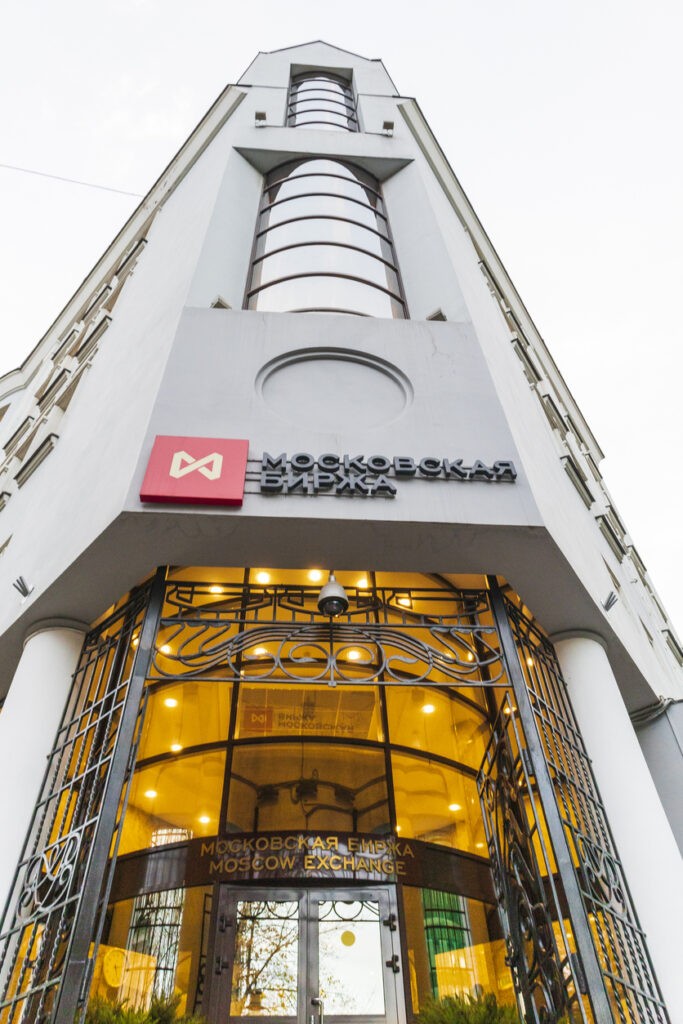
Marking a significant move for the country's financial market, Kazakhstan Stock Exchange (KASE) has announced the withdrawal of Moscow Exchange PJSC (MOEX) from its shareholders. An updated list of shareholders, available on the official site of the Exchange, shows that as of October 11, 2024, the main shareholder of KASE remains the National Bank of the Republic of Kazakhstan, with a 47% stake. . According to reports, the conclusion of its cooperation with MOEX, KASE marks the end of a collaborative phase that began on October 10, 2018, following the signing of a Strategic Partnership Agreement between the exchanges. During this period, several key projects implemented to advance Kazakhstan's exchange market included modernizing trading and clearing systems, introducing central counterparty services across all trading segments, and launching new financial instruments, such as repo transactions with clearing certificates of participation. On September 30, 2024, Vladimir Krekoten, representative of MOEX, resigned from the KASE Board of Directors, having applied for early termination of his position. The Exchange expressed gratitude to MOEX for its contribution in realizing strategic tasks to expand the exchange market opportunities and create new products. KASE remains the leading exchange in Central Asia, providing universal opportunities for trading in corporate and government securities, currency transactions, derivatives, and bonds of international organizations. The Exchange is a member of the International Federation of Exchanges (WFE) and the Federation of Euro-Asian Stock Exchanges (FEAS) and actively participates in the UN Sustainable Stock Exchanges Initiative. In June, the US Department of the Treasury's Office of Foreign Assets Control (OFAC) imposed sanctions against the Moscow Exchange (MOEX), the National Settlement Depository, and the National Clearing Center of the Russian Federation, after which, representatives of the exchange said they would consider continuing business relations with the Moscow Exchange (MOEX), subject to the restrictions on sanctions. On July 15, 2024, KASE Chairman of the Board Alina Aldambergen spoke out about the buyout of the Kazakh exchange's stake from the Moscow Exchange (MOEX).

UN Rights Body Criticizes Prison Sentences for Kyrgyz Journalists

The human rights office of the United Nations and other international groups are expressing concern that two journalists in Kyrgyzstan were convicted of inciting mass unrest and sentenced to years in prison. Journalists Azamat Ishenbekov and Makhabat Tazhibek kyzy of the Temirov Live media outlet were sentenced on Thursday to five and six years in jail respectively and plan to appeal. Two other media workers in the same case were placed on three years’ probation and released. Another seven were acquitted. The investigation and trial were “marred by due process and fair trial concerns” and Kyrgyz authorities should review the cases of those who were sentenced, the Office of the United Nations High Commissioner for Human Rights said in a statement on Friday. “While seven others were acquitted, it is problematic that 11 journalists and media workers, all former or current staff of the investigative outlet Temirov Live, were arbitrarily arrested and detained for simply doing their job,” the U.N. human rights office said. “We urge the authorities to review vague provisions of the Criminal Code that expose journalists and others to potential liability for exercise of their fundamental rights, including freedom of expression.” The New York-based Committee to Protect Journalists said the prison terms amounted to retaliation for reporting on alleged corruption and that “Kyrgyzstan has forfeited its reputation as a relative haven of press freedom in Central Asia.” Top officials in Kyrgyzstan have previously dismissed such international criticism, saying the case against the workers affiliated with Temirov Live was not politically motivated and that the people being prosecuted were masquerading as journalists and publishing false information. Temirov Live is a YouTube-based outlet that has broadcast reports on alleged graft at high levels of government. It was founded in 2020 by Bolot Temirov, who was expelled from Kyrgyzstan in 2022. His wife is Tazhibek kyzy, director of Temirov Live and one of the two journalists who was sentenced to jail last week.

Uzbek Blogger Prosecuted for Post about Daughter’s Birth

A criminal case has been opened against Kashkadarya-based blogger Sardor Safarboyev, aka 'Sardor Gangster', on account of his statement on TikTok that he does not want to have a daughter. “I'm not having a daughter. If a daughter is born, I'll throw my wife out. I don't need a daughter... if it's a girl, I'll throw it straight into the dustbin. I don't need a daughter. Even if I go to hell, I will [have] a son,” Safarboyev said on air. Following heavy criticism from social media users and activists, the blogger apologized, saying that his words had been provoked by live comments on air. A girl who participated in the broadcast also spoke in Safarboyev's defense, stating that users of the site had deliberately provoked him. Iroda Rasulova, head of the press service of the Kashkadarya Oblast Department of Internal Affairs, announced that the Nishan District Department of Internal Affairs had opened a case under Article 140, Part 2 of the Uzbek Criminal Code. This article deals with insults published in the media or on the internet and provides for punishments such as a fine, community service, or correctional labor.  Investigative work into the case is ongoing. Prior to TikTok being blocked in Uzbekistan, Safarboyev had over 700,000 followers on the platform and over 500,000 on Instagram. This recent incident is not the first time the blogger has been condemned. As recently as February, Safarboyev was arrested for ten days after being found guilty of petty hooliganism and manufacturing, possession, or distribution of materials propagandizing national, racial, ethnic, or religious hatred. In Uzbekistan, the preference for the birth of sons persists due to traditional attitudes and gender stereotypes. This problem, characteristic of many Asian countries, is deeply rooted in cultural and social norms. According to reports by international organizations such as UNFPA, the preference for sons leads to gender imbalance, limits women's rights, and is an issue frequently raised in international forums concerning the combating of gender discrimination.

Death in Peacetime: Navigating Challenges and Responses in Kazakhstan’s Armed Forces

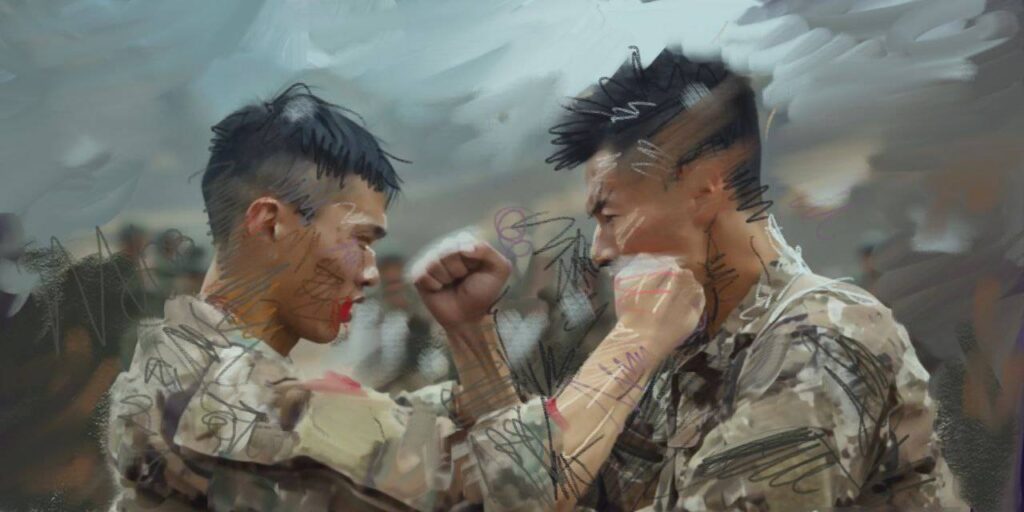
Deputies in the Mazhilis have raised the issue of violent deaths and suicides in the armed forces, whilst sections of the public have also called for the army to be converted to a contract basis and the draft age to be raised.   Alarming statistics In late September, Konstantin Avershin, a member of the Mazhilis Committee on International Affairs, Defense, and Security, spoke about the results of an investigation into suicides in law enforcement and security agencies. Over the past four years, 86 suicides have occurred in across said agencies, Avershin stated, with this data pertaining to the Ministry of Defense, the National Guard of the Interior Ministry, the Border Service of the National Security Committee, the State Protection Service, and the Ministry of Emergency Situations. “In four years, 40 suicides have been registered in the Armed Forces. In 2021 - 10, 2022 - 7, 2023 - 12, and 2024 - 11. By category these were: officers - 7, contract servicemen - 22, cadets - 4, conscript soldiers - 7. Pretrial investigations have been completed in 34 cases, and final procedural decisions have been made. In none of them were signs found of 'leading' to suicide,” according to Avershin. The proceedings in these cases were terminated due to a lack of corpus delicti. Despite this, based on the results of official investigations, disciplinary measures were taken against 180 persons: eleven were relieved of their posts, two were demoted, and 167 service personnel received various disciplinary sanctions in line with their rank. On October 8, Avershin raised another problem: the poor quality of food being provided to service personnel. According to his data, the funds allotted for rations per soldier is 2,250 tenge ($4.6) per day. By comparison, chess players, sport fishermen, ship modelers, and players of togyzumalak (a national board game) and checkers are entitled to 6,276.4 tenge ($12.9) per day, according to the Ministry of Tourism and Sport's regulations for 2024. “A soldier cannot be fed almost three times worse than a checkers player,” Avershin stated. Earlier, MP Nartai Sarsengaliyev asked Defense Minister Ruslan Zhaksylykov about the current situation in Kazakhstan's army. The deputy highlighted numerous high-profile cases, stating that over the past three years, 270 servicemen have died in Kazakhstan. “In August 2023, a commanding officer beat a recruit with a chair in a military unit. The case was closed after the parties reconciled. In June 2024, in one of the military units in the Zhambyl region, a soldier who had been in the army for only one month was admitted to intensive care in an unconscious state. The situation caused shocked society. National Guard soldier Yerbayan Mukhtar has been unconscious for five months after suffering a head injury. Those in charge say that 'Yerbayan 'fell in the bathroom and sustained a head injury.' Who would believe this? As a result of the injury, half of the soldier's skull was removed. Now, he needs constant care. Now his parents are taking Yerbayan abroad for treatment,” Sarsengaliyev stated. In...