• KGS/USD = 0.01144 0%
  • KZT/USD = 0.00208 0%
  • TJS/USD = 0.10407 -0.29%
  • UZS/USD = 0.00008 0%
  • TMT/USD = 0.28571 0%
  • KGS/USD = 0.01144 0%
  • KZT/USD = 0.00208 0%
  • TJS/USD = 0.10407 -0.29%
  • UZS/USD = 0.00008 0%
  • TMT/USD = 0.28571 0%
  • KGS/USD = 0.01144 0%
  • KZT/USD = 0.00208 0%
  • TJS/USD = 0.10407 -0.29%
  • UZS/USD = 0.00008 0%
  • TMT/USD = 0.28571 0%
  • KGS/USD = 0.01144 0%
  • KZT/USD = 0.00208 0%
  • TJS/USD = 0.10407 -0.29%
  • UZS/USD = 0.00008 0%
  • TMT/USD = 0.28571 0%
  • KGS/USD = 0.01144 0%
  • KZT/USD = 0.00208 0%
  • TJS/USD = 0.10407 -0.29%
  • UZS/USD = 0.00008 0%
  • TMT/USD = 0.28571 0%
  • KGS/USD = 0.01144 0%
  • KZT/USD = 0.00208 0%
  • TJS/USD = 0.10407 -0.29%
  • UZS/USD = 0.00008 0%
  • TMT/USD = 0.28571 0%
  • KGS/USD = 0.01144 0%
  • KZT/USD = 0.00208 0%
  • TJS/USD = 0.10407 -0.29%
  • UZS/USD = 0.00008 0%
  • TMT/USD = 0.28571 0%
  • KGS/USD = 0.01144 0%
  • KZT/USD = 0.00208 0%
  • TJS/USD = 0.10407 -0.29%
  • UZS/USD = 0.00008 0%
  • TMT/USD = 0.28571 0%

Viewing results 25 - 30 of 3266

Global Internet Freedom Rankings: Tajikistan, Kyrgyzstan Far Ahead of Eurasian Neighbors

The 2026 Global Internet Freedom Rankings, published this week by the research agency Cloudwards, have revealed that the five countries of Central Asia have significantly less internet censorship than all of their Eurasian neighbors. Tajikistan and Kyrgyzstan’s online environments emerge as particularly encouraging cases. Cloudwards defines internet censorship as the banning or restricting of online content or services, such as social media platforms, VPN apps, and certain political or religious messaging. It also covers the more welcome deletion of harmful content. Censorship can be done by governments, or initiated by a country’s internet service providers and other businesses. The internet freedom rankings do not measure state censorship per se. Cloudwards' research scored 171 countries on a scale of 0-100, rating their overall levels of internet censorship using five key criteria: torrenting availability; adult content accessibility; social media platforms; access to varied political and religious content; and VPN regulations. Eleven nations returned the highest score of 92, including New Zealand, Belgium and Timor Leste. While North Korea scored 0, the next four worst countries for internet censorship – each scoring just 4 – all border Central Asia: China, Pakistan, Iran and Russia. Tajikistan’s score of 56, while only middling in the global context, means that its internet is subject to significantly less interference than almost anywhere in the wider Eurasia region. The Times of Central Asia reported last year that the country has repealed a law that allowed citizens to be prosecuted for ‘liking’ posts on social media that are critical of the government. The only Eurasian country to rival Tajikistan is its northern neighbor Kyrgyzstan, which has the second freest internet in Central Asia, scoring 52 in Cloudwards' ranking. For comparison, 52 is also the overall score given to the United Kingdom and Brazil. Kazakhstan scored 36 – above Singapore and South Korea, which both received a mark of 32. Uzbekistan scored 24. While Turkmenistan’s mark of 16 places it firmly among the world’s worst countries for internet censorship, this is nonetheless higher than countries including India and Turkey (both 12). Turkmen netizens still experience fewer restrictions than internet users in the aforementioned China, Pakistan, Iran and Russia. The authors of the Cloudwards report, British editors Kit Copson and Sandra Pattison, commented: "The reasons behind online censorship range from protecting people targeted by hate speech to quelling political dissent. In especially restrictive locations, censorship and internet monitoring are tools commonly to control narratives." They added: "The consequences for breaching government-imposed censorship laws depend on the country. They could include fines or even arrest or imprisonment for those in highly restrictive locations."
Gurbanguly Berdymuhamedov’s U.S. and Germany Trip Draws Attention to Diplomatic Reshuffle

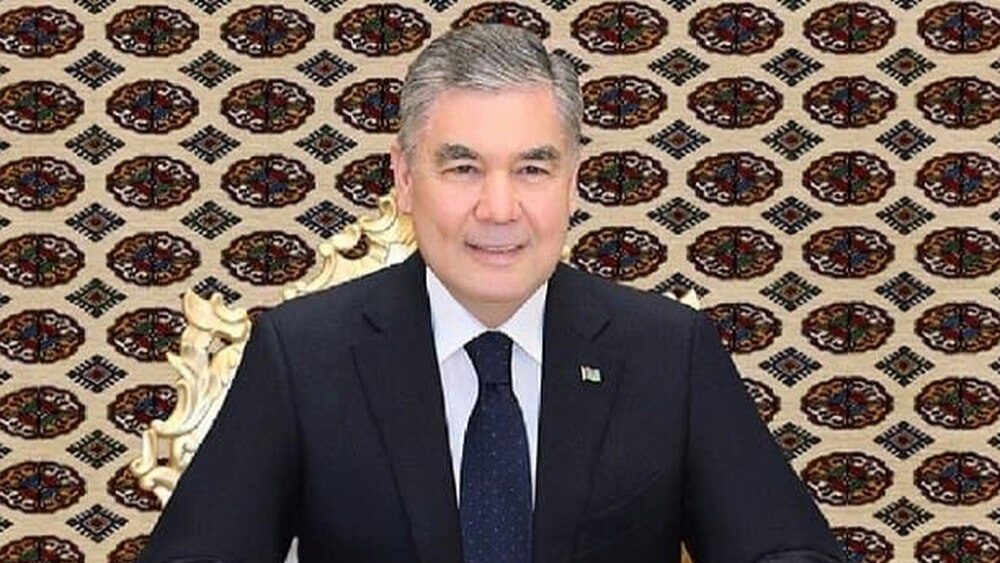
In mid-February, Gurbanguly Berdymuhamedov, former president of Turkmenistan and current chairman of the Halk Maslahaty (the People's Council of Turkmenistan), visited the United States. State media reported extensively on the trip, although some details of the visit and its outcomes were not publicly clarified. Shortly after Berdymuhamedov’s return, President Serdar Berdymuhamedov, his son, dismissed Turkmenistan’s ambassador to the United States and the country’s permanent representative to the United Nations. No official explanation for the change was provided. According to official reports, Berdymuhamedov held meetings with executives of Nicklaus Companies, including its leadership, as well as representatives of the Turkmenistan-U.S. Business Council. The company was founded by American golfer Jack Nicklaus. During the visit, Berdymuhamedov also toured several golf facilities and visited an equestrian complex, where he was briefed on horse care and training practices. He additionally met with a number of U.S. business figures, including entrepreneurs Steve Wynn and Isaac Perlmutter, as well as William Koch, chairman of Oxbow Group. Discussions were also held with representatives of agricultural equipment manufacturer John Deere regarding potential cooperation in Central Asia. Golf and equestrian projects Interest in golf has been growing in Turkmenistan in recent years. The Ashgabat Golf Club, opened in 2017, is promoted by officials as a flagship recreational facility in the capital. Plans have also been announced to expand golf infrastructure in the Avaza National Tourist Zone, where Berdymuhamedov has previously instructed authorities to consider the construction of additional courses. On his return journey from the United States, Berdymuhamedov made a stop in Germany, where he reportedly discussed preparations for the 2026 FEI World Equestrian Championships in Aachen and an Akhal-Teke horse beauty contest scheduled to take place in the Netherlands. Unconfirmed reports and diplomatic changes Some media outlets reported that Berdymuhamedov’s visit coincided with a weekend stay by U.S. President Donald Trump at his Mar-a-Lago residence. Reports also suggested that a planned meeting did not take place, although no official confirmation has been provided. Separate reports by independent Turkmen media claimed that Berdymuhamedov’s aircraft sustained technical damage during the trip and that another government aircraft was dispatched from Ashgabat. These claims have not been officially confirmed. Personnel changes in Turkmenistan’s diplomatic service followed the visit. Veteran diplomat Aksoltan Atayeva was relieved of her post as the country’s representative to the United Nations, while Esen Aidogdyev was reassigned to the embassy in Washington. Independent media have also previously reported allegations regarding property holdings by former ambassador Meret Orazov in the United States. These claims have not been publicly addressed by Turkmen authorities.

Private Employment Agencies Expand Overseas Recruitment of Kyrgyz Migrants

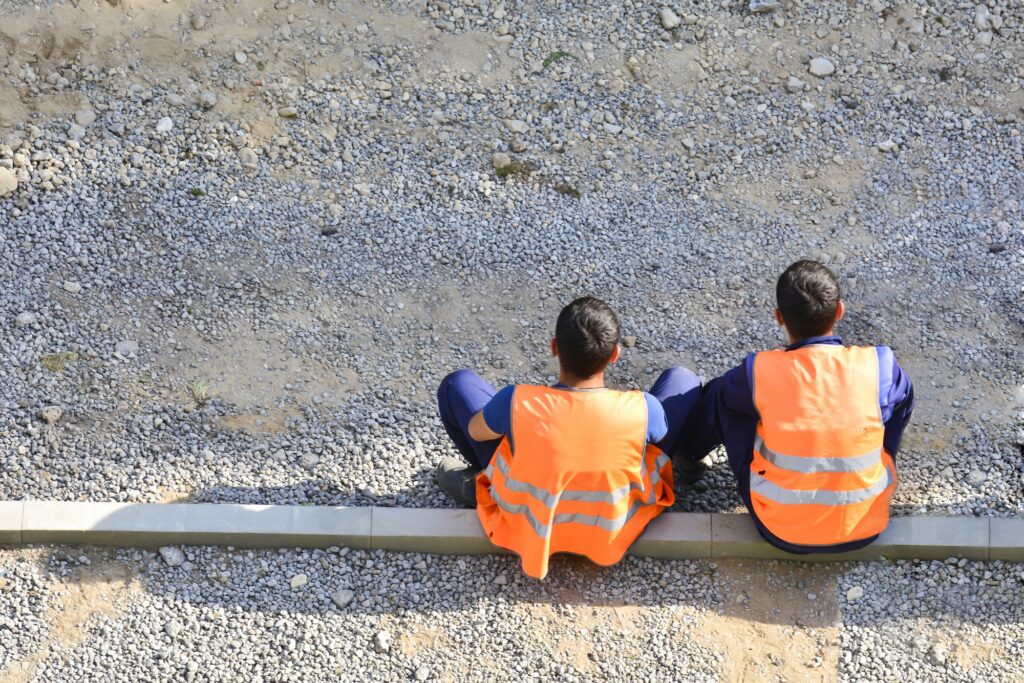
Private recruitment agencies that arrange overseas employment for Kyrgyz citizens contributed about $230,000 in tax payments to the state budget last year, according to data published on the Open Budget portal. At the same time, some migrants say that working conditions abroad do not always match the promises made by intermediaries. Kyrgyz media report that 159 companies in the country currently hold official licences to facilitate employment abroad. While Russia remains the main destination for labor migration, interest in jobs in Europe and Southeast Asia has increased in recent years. Kyrgyz citizens can seek employment abroad through the Ministry of Labor, Social Security, and Migration, which has intergovernmental agreements with several countries, including the United Kingdom, Italy, Slovakia, and South Korea. However, many migrants continue to use private agencies, citing faster processing times and a broader choice of destinations. According to official information, licensed companies offer employment opportunities in 26 countries, with the largest number of permits issued for sending workers to Bulgaria, Turkey, Russia, Germany, and the Baltic states. Migrant experience One Kyrgyz migrant, Nurbek Nogoibayev, said he decided to seek work in Europe for the first time after previously working in Kazakhstan and participating in a Work and Travel programme in the United States. A welder by profession, he said a Bishkek-based agency offered him a factory job in Kaunas, Lithuania. “They promised inexpensive housing, a two-year residence permit, and stable work. I had an interview via WhatsApp, and since I speak English and Russian and have experience, they quickly accepted me,” he told The Times of Central Asia. After completing paperwork, obtaining a visa, and paying for travel, he arrived in Lithuania three months later. According to Nogoibayev, the contract signed in Bishkek specified a salary of €5.5 per hour with the possibility of gradual increases. However, he said he was asked to sign a new contract with different conditions upon arrival. He also reported higher housing costs than initially promised and changes to his working schedule, including a six-day work week and mandatory night shifts without additional compensation. When he contacted the agency in Bishkek, he said he was told it could not assist further. Nogoibayev added that he cannot easily change jobs. According to his understanding of local regulations, foreign workers are required to remain with their first employer for a certain period before switching employment, or risk losing their residence permit. He also said that leaving earlier could result in financial penalties. “I would like to work overtime to earn more, but that is not possible,” he said. Calls for oversight Cases such as this have prompted discussion about the need for stronger oversight of private recruitment agencies and improved protection of Kyrgyz citizens working abroad. Observers note that while overseas employment provides an important source of income for many households, disputes over contracts and working conditions remain a recurring concern.

Kazakhstan Authorities Acknowledge Gap Between Real Scale of Shadow Employment and Official Data

Kazakhstan’s authorities have acknowledged a significant discrepancy between official estimates of informal employment and administrative data, highlighting the scale of the country’s shadow labor market. Minister of Labor and Social Protection Askarbek Yertaev said the actual number of people working outside the formal economy could be almost three times higher than indicated by official statistics. He made the statement during a Senate meeting devoted to regional development issues. Presenting the ministry’s assessment of informal employment, Yertaev noted that out of a workforce of 9.7 million people, only 6.7 million made mandatory pension contributions at least once in 2025. Of these, 5.3 million were employees and 1.4 million were self-employed. This leaves around 3 million people without recorded pension contributions. According to the minister, the figure significantly exceeds official estimates. Data from the National Statistics Bureau indicated that at the beginning of 2025, informal employment accounted for about 12% of the employed population, or just over 1.1 million people. Yertaev said the discrepancy suggests that a substantial number of citizens either work informally or underreport their income. Additional evidence of the scale of shadow employment comes from differences between statistical data and digital administrative records. While official statistics show 7.1 million registered employees, the Unified System for Accounting for Employment Contracts records contracts for only 4.1 million people. Among the factors driving workers into informal employment, Yertaev cited overdue debts and the freezing of bank accounts, which he said may encourage individuals to conceal income and avoid formal labour arrangements. To address the issue, the Ministry of Labor plans to expand the use of digital tools aimed at facilitating formal employment. This includes the introduction of AI solutions on the Electronic Labor Exchange portal. According to the ministry, an AI-based system will automatically match job seekers with vacancies based on their education and professional background, while also supporting users throughout the job search process. Deputy Chairman of the State Revenue Committee of the Ministry of Finance Zhanibek Nurzhanov also presented the results of a pilot project on platform employment. Implemented jointly with the Ministry of Labor, the initiative led to the registration of more than 43,000 taxi drivers as individual entrepreneurs under a special tax regime. The State Revenue Committee’s information systems are now integrated with 31 online platforms, a step authorities say should help bring more workers into the formal economy. Participants in the Senate discussion stressed that efforts to reduce shadow employment should combine enforcement measures with policies that encourage voluntary legalization of labor relations. As The Times of Central Asia previously reported, proposals to combat the payment of undeclared wages included sectoral agreements on salary levels and requirements for companies to disclose employment structures.

Kazakhstan Faces Landmark Constitutional Referendum

On March 15, citizens will vote in a nationwide referendum on sweeping constitutional amendments that could significantly reshape Kazakhstan’s political system. Kazakhstan’s Constitution has undergone periodic revision since independence, with changes adopted in 1998, 2007, 2011, 2017, 2019, and most recently in 2022, when 56 amendments to the basic law were approved in a national referendum. According to official statements, the proposed draft would affect about 84% of the Constitution, making it the most extensive revision in the country’s modern history. President Kassym-Jomart Tokayev has described the proposed document as “essentially a new Constitution.” At the same time, the draft retains several core principles. Kazakhstan would continue to be defined as a secular, democratic, unitary state, with the people recognized as the sole source of state power. Attempts to overthrow the constitutional order would remain punishable by law. The draft also proposes the creation of a new representative body, the Kurultai, which would replace the current bicameral parliament, consisting of the Mazhilis (lower house) and the Senate (upper house), with a unicameral legislature. The scale of the proposed reforms has generated significant public attention. The draft Constitution has been widely debated, and the referendum campaign has been accompanied by a large-scale public information effort. Supporters argue that the changes could streamline governance and modernize political institutions, while critics have raised concerns about the concentration of authority and the pace of reform. Rights and Freedoms The current Constitution states that human rights and freedoms must not infringe on the rights of others, the constitutional order, or public morality. The new draft expands this provision, specifying that the exercise of rights and freedoms must not violate the rights or restrict the freedoms of other individuals, undermine the constitutional order, disrupt public order, threaten public health, or contradict societal morality. The document continues to guarantee freedom of speech and prohibit censorship, stating, “Freedom of speech and scientific, technical, and artistic creativity is guaranteed.” It also introduces an additional clause stipulating that the dissemination of information must not infringe upon the honor and dignity of others, public health, or public order. The list of prohibited forms of propaganda is also broadened. It includes advocacy for violent changes to the constitutional order, violations of territorial integrity and sovereignty, threats to national security, incitement to war or armed conflict, and the promotion of social, racial, national, ethnic, or religious superiority or discord, as well as the glorification of cruelty and violence. Supporters of the draft say these provisions are intended to strengthen social stability and national security. However, some observers note that broader restrictions linked to public order or morality may raise questions about how such norms would be interpreted and applied in practice. In family law, the draft specifies that marriage is defined as a voluntary and equal union between a man and a woman, registered by the state in accordance with the law. President and Vice President Proposed changes to the structure of executive power have been among the most widely discussed aspects of the...

From Electricity to Fuel, Central Asia is Doing More Business with Afghanistan

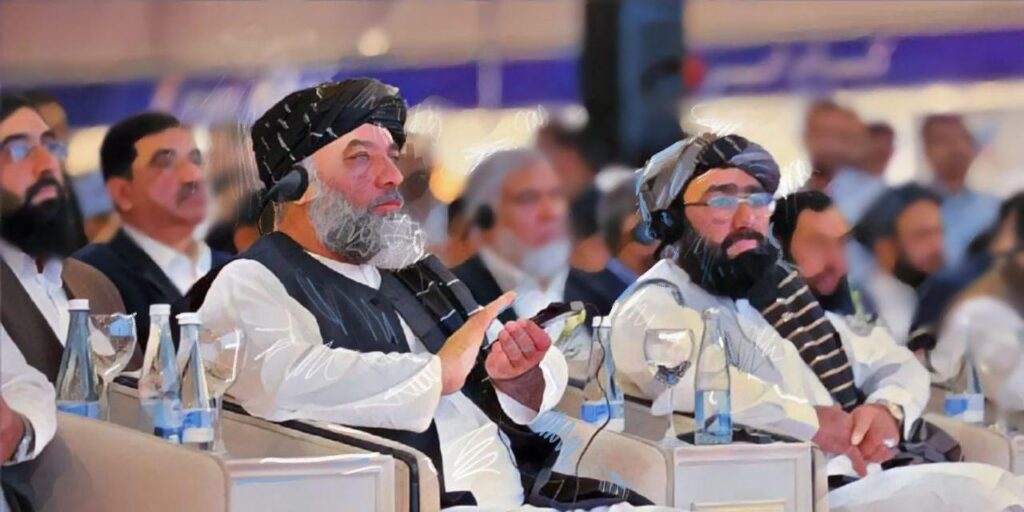
Central Asia is becoming even more important to Afghanistan. After the Taliban returned to power in August 2021, most of the countries of Central Asia established a dialogue with its leadership that focused on business potential, backed up by security promises. This understanding is more important than ever to the Taliban government, as events along Afghanistan’s eastern and western borders have left Central Asia as the only reliable import-export route for Afghanistan at the moment. Booming Trade At the start of March, Afghanistan’s Ministry of Industry and Commerce released figures for 2025 that showed trade with Central Asia increased from $1.79 billion in 2024 to $2.4 billion in 2025. While most of the trade is exports from Central Asia to Afghanistan, reports mentioned that Afghan exports to Central Asia -- mostly to Kazakhstan and Uzbekistan -- increased by 77 percent, from $122 million in 2024 to $216 million in 2025. A closer look shows that Uzbekistan-Afghanistan trade in 2025 totaled some $1.6 billion.  A full figure for Kazakh-Afghan trade in 2025 is not yet available. However, trade between Kazakhstan and Afghanistan amounted to some $525.2 million in 2024.  Kazakhstan's Deputy Prime Minister Serik Zhamangarin said at a Kazakh-Afghan business forum in Kazakhstan’s southern city of Shymkent in October 2025 that bilateral trade in the first eight months of 2025 had reached some $335.9 million. These figures are certain to have grown.  Fresh agreements worth more than $360 million were signed on the sidelines of the Kazakh-Afghan business forum. On March 6, Uzbekistan’s President Shavkat Mirziyoyev signed a decree ratifying the Preferential Trade Agreement between Uzbekistan and Afghanistan. Trade totals for Kyrgyzstan, Turkmenistan, and Tajikistan with Afghanistan are more modest, but, as in the cases of Kazakhstan and Uzbekistan, are set to grow.  Kyrgyz-Afghan trade for the 12 months to March 2025 came to some $66 million, but, during a Kyrgyz-Afghan business conference in Kabul commercial contracts worth some $157 million were signed.  There are no figures for Turkmen-Afghan trade in 2025, but Turkmen electricity exports to Afghanistan are increasing. Turkmenistan is also preparing to export natural gas to Afghanistan. A natural gas pipeline is slowly being constructed from the Turkmen border to the western Afghan city of Herat, which could start operation as soon as 2027. Tajikistan was the lone Central Asian country to shun contact with the Taliban after they returned to power. Representatives of the previous government of Ashraf Ghani continue to occupy the Afghan embassy in Dushanbe.  Tajik and Taliban authorities finally established contacts only in late 2024 but even to this day the two sides rarely meet face-to-face. However, Tajik-Afghan trade in 2025 still totaled some $120 million. Afghanistan’s Ministry of Industry and Commerce noted that most of Central Asia’s exports to Afghanistan are electricity, fuel products, and natural gas. Uzbekistan, Tajikistan, and Turkmenistan export electricity to Afghanistan via transmission lines that were built during the 20 years the Taliban were out of power. Some 80 percent of Afghanistan’s electricity is imported, and most of that (75-80 percent) comes...