Kazakhstan’s Rail Deal – A Long Way from Soviet-Era Locomotives
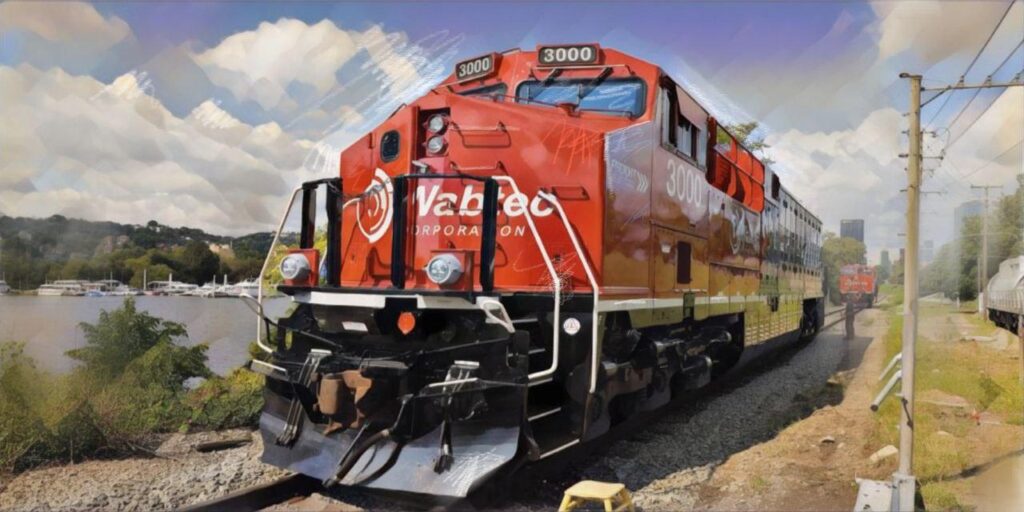
The roots of the $4.2 billion deal in which American firm Wabtec will provide 300 locomotives for Kazakhstan’s growing railway infrastructure emerged soon after the country’s 1991 independence, when the new government needed to upgrade its decaying Soviet-built locomotives. Pennsylvania-based GE Transportation, a major producer of railway equipment, helped with the modernization program in the mid-1990s and continued business with Kazakhstan in the following decades. In 2019, Wabtec, a transportation and technology company, bought GE Transportation. Wabtec celebrated the deal that was announced on Monday during Kazakh President Kassym-Jomart Tokayev’s visit to New York for the U.N. General Assembly. How big was the deal? The agreement has been described in different shades of magnitude. The U.S. Commerce Department said it was “the largest locomotive deal in history” – Wabtec said it was the largest in Wabtec’s history – and the Kazakh government and media have generally steered clear of historical references. Other big international railway deals include a 3 billion euro Siemens project in India that was announced in January 2023. Under that deal, the German company is to deliver 1,200 electric locomotives and provide 35 years of full service maintenance. In March this year, France-based Alstom said it had delivered 500 electric locomotives to Indian Railways, part of a 3.5 billion euro contract to deliver 800 locomotives for freight service. That contract was signed in 2015. Who gets the credit? U.S. Commerce Secretary Howard Lutnick described the deal with Kazakhstan as “President Trump’s America First trade policy in action.” Still, GE Transportation, which later became part of Wabtec, has been a key part of Kazakhstan’s railway industry for years. The company modernized hundreds of diesel freight locomotives decades ago and later transferred technology to Kazakhstan, developing engineering skills that could be used to build new trains. Wabtec acquired full ownership of a manufacturing facility in Astana in 2023 and says it has exported locomotives to countries including Tajikistan, Mongolia, Moldova and Ukraine. “I mean, it’s great,” Evan A. Feigenbaum, a former U.S. State Department official, said of this week’s deal in a post on X. “But GE and Wabtec have been doing a locomotive business in and with Kazakhstan for 20 years. I was in the Bush Administration as the deputy assistant secretary of State overseeing Central Asia and was giving speeches and talks about locomotives and Kazakhstan back then…” Feigenbaum said. Kazakhstan’s decision to make a big agreement with Wabtec fits with its policy of developing ties with a wide range of diplomatic and business partners. Alstom, of Europe, and Chinese locomotive maker CRRC are also significant players in Kazakhstan’s railway industry. What does the deal mean for Kazakhstan? A lot. Railways underpin the economy. Rail transport accounts for about 64% of Kazakhstan’s total freight turnover, far more than other forms of transport such as air and road, according to Kazakh railway officials. Kazakhstan is one of the biggest countries in the world, ranging from its Chinese and Russian borders in the east to the Caspian Sea in the...