• KGS/USD = 0.01144 0%
  • KZT/USD = 0.00215 0%
  • TJS/USD = 0.10691 0%
  • UZS/USD = 0.00008 0%
  • TMT/USD = 0.28530 0%
  • KGS/USD = 0.01144 0%
  • KZT/USD = 0.00215 0%
  • TJS/USD = 0.10691 0%
  • UZS/USD = 0.00008 0%
  • TMT/USD = 0.28530 0%
  • KGS/USD = 0.01144 0%
  • KZT/USD = 0.00215 0%
  • TJS/USD = 0.10691 0%
  • UZS/USD = 0.00008 0%
  • TMT/USD = 0.28530 0%
  • KGS/USD = 0.01144 0%
  • KZT/USD = 0.00215 0%
  • TJS/USD = 0.10691 0%
  • UZS/USD = 0.00008 0%
  • TMT/USD = 0.28530 0%
  • KGS/USD = 0.01144 0%
  • KZT/USD = 0.00215 0%
  • TJS/USD = 0.10691 0%
  • UZS/USD = 0.00008 0%
  • TMT/USD = 0.28530 0%
  • KGS/USD = 0.01144 0%
  • KZT/USD = 0.00215 0%
  • TJS/USD = 0.10691 0%
  • UZS/USD = 0.00008 0%
  • TMT/USD = 0.28530 0%
  • KGS/USD = 0.01144 0%
  • KZT/USD = 0.00215 0%
  • TJS/USD = 0.10691 0%
  • UZS/USD = 0.00008 0%
  • TMT/USD = 0.28530 0%
  • KGS/USD = 0.01144 0%
  • KZT/USD = 0.00215 0%
  • TJS/USD = 0.10691 0%
  • UZS/USD = 0.00008 0%
  • TMT/USD = 0.28530 0%

Viewing results 1009 - 1014 of 2525

Authorities Rail Against Use of Kazakhstan in Circumventing International Sanctions Against Russia

Kazakhstan's Deputy Foreign Minister Roman Vassilenko emphasized in an interview with the Polish publication PAP that the country seeks to prevent its territory from being used to circumvent international sanctions imposed against Russia. According to Vassilenko, although Kazakhstan has not officially imposed sanctions nor joined the anti-Russian measures, the republic's authorities consider it essential to prevent risks associated with possible secondary sanctions against its companies. This is especially important in regard to its close economic ties with Western countries. At the same time and in acknowledgement of its position concerning both its Western partners and Russia, Kazakhstan has emphasized the need for  balance and an avoidance of circumvention of restrictive measures. Vassilenko also noted that Kazakhstan is actively cooperating with the European Union on the sanctions regime, and as part of  these consultations, reported that he had been in dialog with David O'Sullivan, the EU special envoy for sanctions. Vassilenko denied speculation about growing tensions between Kazakhstan and Russia, and pointing out that the countries maintain close ties, explained: “There are different issues because we are neighbors and have diverse relations. We are working with Russia to solve these issues before they become problems. This is our approach not only to the Russian Federation but to any other country." After the start of the Russian military operation in Ukraine, Kazakhstan took a neutral stance and did not support Western sanctions against Moscow. Nevertheless, the Kazakh authorities have repeatedly stated that they will not allow the country's territory to be used to circumvent these restrictions. President Kasym-Jomart Tokayev, in his speeches, adheres to the principle of compliance with the international sanctions regime and aims to conduct a constructive dialog with the EU and the U.S. to  avoid possible secondary sanctions that could affect Kazakh companies.  
Swiss Company Roche to Produce Anti-Cancer Drugs in Almaty

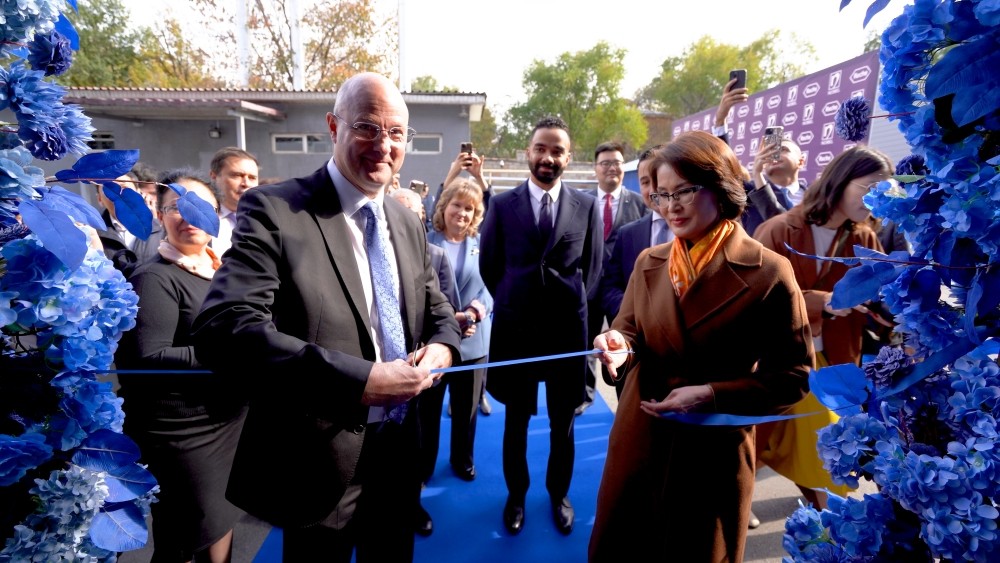
On October 24, the Swiss pharmaceutical giant F. Hoffmann-La Roche Ltd., in partnership with Nobel Almaty Pharmaceutical Factory JSC, launched the production of innovative drugs in Almaty. The project followed an agreement between Roche, Kazakhstan’s SK-Pharmacy LLP, Nobel, and the Kazakh Research Institute of Oncology and Radiology, with the support of National Company Kazakh Invest. Under the agreement, Roche committed to establishing local production of three biotechnological drugs for the treatment of HER2-positive breast cancer, an aggressive form of the disease that affects up to 20% of breast cancer patients in Kazakhstan. At the opening ceremony, Kazakhstan's Minister of Health, Akmaral Alnazarova, said: "The localization [of production] of oncological drugs by a global leader like Roche is a huge step forward for our country. This project will provide patients access to advanced treatments and significantly contribute to developing Kazakhstan's healthcare infrastructure.” The transfer of Roche's advanced technologies and production capabilities to local partners will reduce healthcare system costs in Kazakhstan and significantly expand patient access to essential medicines. Around 5,000 new cases of breast cancer are registered in the country annually, with approximately 1,200 resulting in death. This project is expected to increase the number of patients receiving therapy to 1,335 by 2026. The project is part of Kazakhstan’s plan to increase the share of domestically produced medicines and medical devices to 50%.

Kazakhstan May Manufacture Turkish Bayraktar Drones

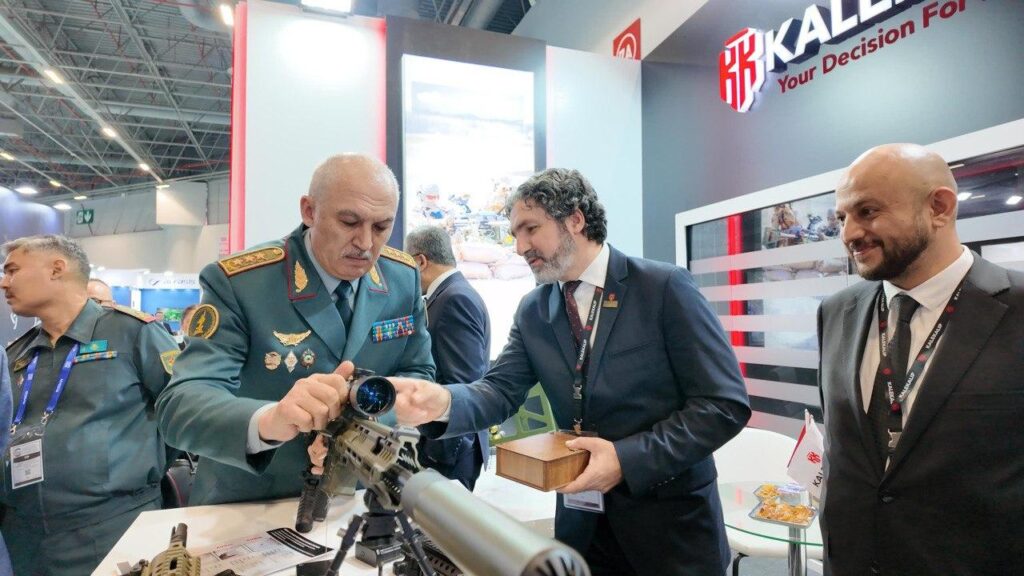
A delegation headed by Kazakhstan's Minister of Defense , Colonel General Ruslan Zhaksylykov, attended the IV International Exhibition of Defense and Aerospace Equipment SAHA EXPO-2024 opening ceremony in Istanbul. The event brought together leading representatives of the military-industrial complex of Europe, Asia, and the Middle East. It demonstrated the latest developments, including automatic troop and battle management systems, robotic systems, communications, air defense, radio reconnaissance, electronic warfare, radio countermeasures, unmanned aerial vehicles, and laser technologies. During the exhibition, Zhaksylykov held talks with Turkish Minister of National Defense Yaşar Güler and Chairman of the Defense Industry Agency Haluk Görgün. He also met with Mohammed bin Mubarak Fadel Al Mazroui, UAE Minister of State for Defense Affairs. Special attention was paid to the talks with Baykar Defense CEO Haluk Bayraktar. The parties agreed on developing a roadmap for the localization of the production of tactical unmanned aircraft systems and barrage munitions at the operational level in Kazakhstan. Kazakhstan is actively developing the production of unmanned aerial vehicles (UAVs) with the involvement of foreign partners. One of the significant projects is the joint production of Anka drones with Turkey, which will start in 2024. The agreement between Turkish Aerospace Industries (TAI) and Kazakhstan Engineering provides for technology transfer and the creation of an assembly line, allowing Kazakhstan to produce drones independently in the future. In addition to Turkey, Kazakhstan cooperates with South Korea and China on drones. In 2023, Petropavlovsk established local drone production using components from China. Such steps contribute to the development of Kazakhstan's defense industry and reduce dependence on imports.

ADB Finances Road Reconstruction in Tajikistan

The Asian Development Bank (ADB) has approved a $86.67 million grant to help Tajikistan expand its degraded two-lane 49-km Dangara–Guliston highway to four lanes. Commenting on the move, ADB Director General for Central and West Asia Yevgeniy Zhukov said: “ADB, in partnership with other organizations, promotes safe, accessible, and green transport infrastructure and services in our developing member countries. The Dangara–Guliston road, constructed in the 1930s and reconstructed in the 1970s, will become the first road in Tajikistan to incorporate climate adaptation and elements specific to women's needs." The project will fund two pilot charging stations and develop investment frameworks to catalyze private sector investment in Tajikistan's national charging infrastructure rollout. Safety is a high priority and to this end,  the newly reconstructed road will include dedicated cycleways, wide sidewalks for people with children and disabilities,  improved lighting and well-marked pedestrian crossings. Special toilets and changing facilities will be provided for mothers and babies, while public transport facilities will include preferential seating for people with disabilities. In addition to the above, the fund will incorporate training programs for women living in and around the project area to open and run small businesses, and award entrepreneurship grants to selected participants. The Tajikistan government has pledged $23 million towards the realization of the project whilst subject to its Board’s approval in early 2025, the European Bank for Reconstruction and Development (EBRD, will provide a $40 million co-financing loan. Tajikistan’s Ministry of Transport plans to complete the project in 2030.

Afghanistan to Boost Oil Production in the Amu Darya Basin

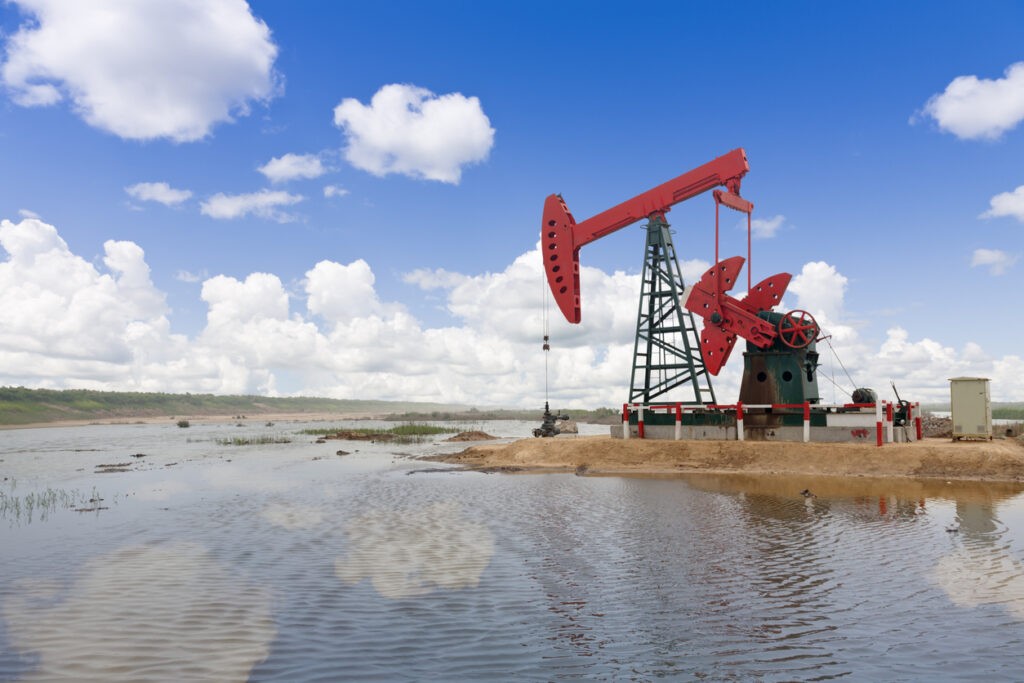
Afghanistan plans to launch 25 new oil wells in the Amu Darya basin, increasing daily oil production to 3,000 tons. Hamdullah Fitrat, the deputy spokesman of the Islamic Emirate of Afghanistan, shared that there are currently 24 active wells in this field, from which 1,300 tons of oil are extracted daily. According to Fitrat: "The Ministry of Mines and Petroleum plans to activate 25 more wells by the end of this year, of which 18 will be newly drilled, two will be exploratory wells, and five will be rehabilitated.” Economic experts stress that officials should carefully plan new well drilling and attract investors to process the extracted oil. Economic expert Abdul Zahoor Madaber stated that Afghanistan has abundant natural resources but lacks modern machinery to process them, and cooperation with other countries is needed to import this equipment. Mohammad Asif Stanekzai, another economic expert, added: “The production and processing of natural resources can create job opportunities and have a positive impact on reducing inflation in Afghanistan.” According to the Ministry of Mines and Petroleum, only 10% of Afghanistan’s oil needs are currently met from domestic production. The Amu Darya is a vital river for Central Asian countries. While 72-73% of its water originates in Tajikistan, the majority is used by neighboring countries. In April of this year, the countries of Central Asia distributed Amu Darya and Syrdarya water for the summer of 2024. Under the agreed quota, the draw on water from the Amu Darya watershed will be 56 billion cubic meters for the year, with about 40 billion cubic meters used in the April-to-October growing season. As stated in the Interstate Commission for Water Coordination (ICWC) agreement, Uzbekistan will receive 16 billion cubic meters, Turkmenistan will receive 15.5 billion cubic meters, and Tajikistan will receive 6.9 billion cubic meters. The ICWC claims that the total number of irrigated lands in Central Asian countries is 4.3 million hectares in Uzbekistan, 2.5 million hectares in Kazakhstan, 1.9 million hectares in Turkmenistan, 1 million hectares in Kyrgyzstan, and 680,000 hectares in Tajikistan.

Rogun HPP Faces Criticism for Violating World Bank Standards

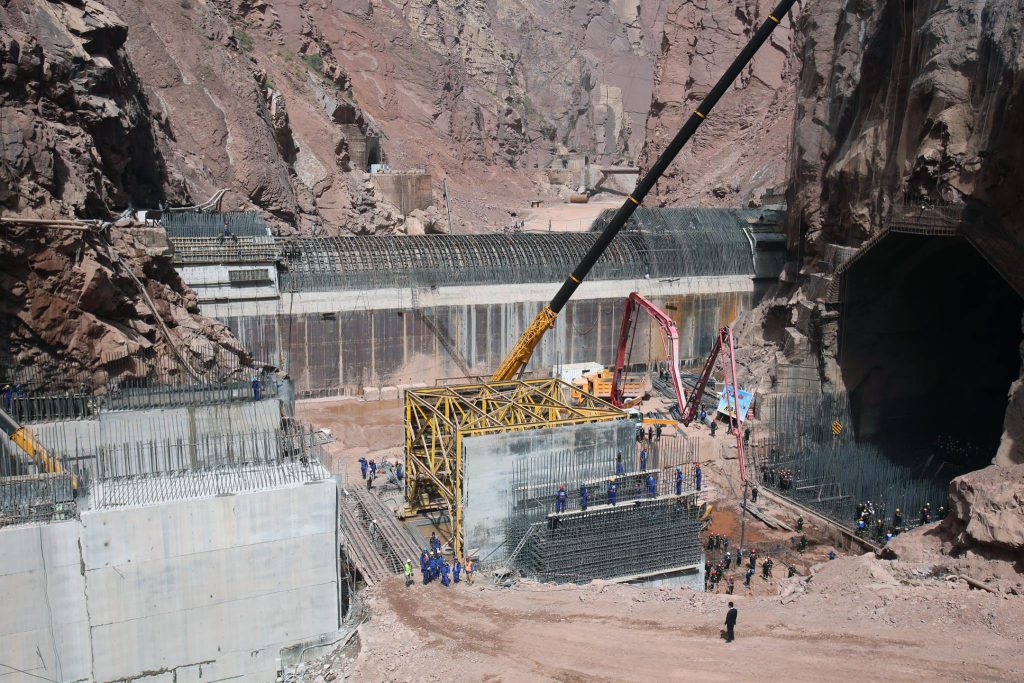
The international environmental coalition Rivers without Boundaries has released a report titled “Rogun Hydroelectric Power Plant Project: Non-Compliance Report with World Bank Requirements.” Outlining how the Rogun HPP in Tajikistan fails to meet the World Bank’s environmental and social standards, the report highlights violations in six key areas: environmental assessment, biodiversity protection, resource efficiency, dam safety, public participation, and forced displacement. It also highlights non-compliance with the bank’s policies on financing investment projects. The report’s authors point out that the situation worsened as a result of the World Bank taking responsibility for developing environmental and social safeguards for the Rogun HPP project on behalf of all financiers, including major banks like the AIIB, ADB, and EIB. In accepting this move, these institutions have effectively treated the World Bank's standards as their own. Therefore, if these standards are violated, the standards of other financial institutions are also breached. “We are convinced that the presented version of the Rogun HPP project does not comply with the social and environmental principles of the World Bank and should not be financed by international development banks in its current form,” said Evgeny Simonov, coordinator of the international environmental coalition 'Rivers Without Borders.' “Due to non-compliance with banking standards and procedures, the project includes many ineffective and risky elements that could lead to serious environmental and social damage during its implementation.” The report was created under the international Rogun Alert initiative, which represents environmental organizations worldwide. Last week, it was sent to all international development banks involved in the Rogun project. On October 23, an open letter signed by 124 public organizations, including Rivers Without Borders, highlighting the risks of financing large dam projects, including Rogun, will be presented to the World Bank management. According to the source, urgent international public consultations on the environmental and social impact of the construction of the Rogun HPP on the basin countries are planned for October 28 of this year.