• KGS/USD = 0.01144 0%
  • KZT/USD = 0.00217 0%
  • TJS/USD = 0.10621 0%
  • UZS/USD = 0.00008 0%
  • TMT/USD = 0.28530 0%
  • KGS/USD = 0.01144 0%
  • KZT/USD = 0.00217 0%
  • TJS/USD = 0.10621 0%
  • UZS/USD = 0.00008 0%
  • TMT/USD = 0.28530 0%
  • KGS/USD = 0.01144 0%
  • KZT/USD = 0.00217 0%
  • TJS/USD = 0.10621 0%
  • UZS/USD = 0.00008 0%
  • TMT/USD = 0.28530 0%
  • KGS/USD = 0.01144 0%
  • KZT/USD = 0.00217 0%
  • TJS/USD = 0.10621 0%
  • UZS/USD = 0.00008 0%
  • TMT/USD = 0.28530 0%
  • KGS/USD = 0.01144 0%
  • KZT/USD = 0.00217 0%
  • TJS/USD = 0.10621 0%
  • UZS/USD = 0.00008 0%
  • TMT/USD = 0.28530 0%
  • KGS/USD = 0.01144 0%
  • KZT/USD = 0.00217 0%
  • TJS/USD = 0.10621 0%
  • UZS/USD = 0.00008 0%
  • TMT/USD = 0.28530 0%
  • KGS/USD = 0.01144 0%
  • KZT/USD = 0.00217 0%
  • TJS/USD = 0.10621 0%
  • UZS/USD = 0.00008 0%
  • TMT/USD = 0.28530 0%
  • KGS/USD = 0.01144 0%
  • KZT/USD = 0.00217 0%
  • TJS/USD = 0.10621 0%
  • UZS/USD = 0.00008 0%
  • TMT/USD = 0.28530 0%

Viewing results 301 - 306 of 2468

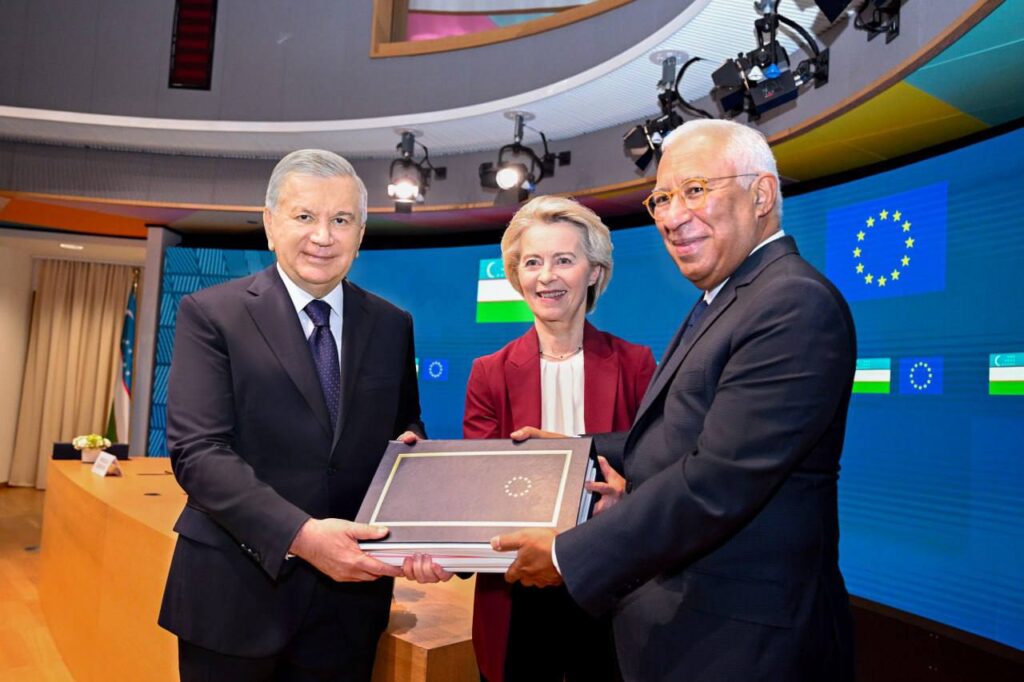
Uzbekistan and EU Sign Landmark Enhanced Partnership Agreement in Brussels

President Shavkat Mirziyoyev of Uzbekistan paid an official visit to Brussels on October 23-24 at the invitation of European Council President Antonio Costa and European Commission President Ursula von der Leyen, where a landmark agreement was signed to deepen Uzbekistan-EU cooperation across multiple sectors. During the visit, Mirziyoyev attended the signing ceremony of the Enhanced Partnership and Cooperation Agreement (EPCA), which replaces the 1996 Partnership and Cooperation Agreement. The new accord significantly broadens the scope of bilateral ties, covering areas such as trade, investment, digital technologies, environmental protection, and climate resilience. Negotiations began in February 2019 and concluded in July 2022. The EPCA includes nine sections, 356 articles, and 14 annexes, forming a comprehensive legal framework for political dialogue and long-term economic collaboration. It aims to bolster cooperation in trade, innovation, sustainable development, education, and cultural exchange between Uzbekistan and EU member states. In Brussels, Mirziyoyev also participated in a roundtable with executives from leading European companies and financial institutions, including Vandewiele, Linde, Lasselsberger Group, Meridiam, SUEZ, the European Investment Bank, Commerzbank, and KfW. The parties agreed to pursue new joint projects worth over €10 billion in sectors such as energy, chemicals, critical minerals, logistics, textiles, and pharmaceuticals. These initiatives build on an existing portfolio of EU-led projects in Uzbekistan, currently valued at more than €40 billion. Over the past seven years, trade between Uzbekistan and the European Union has doubled, while the number of joint ventures with European investment has surpassed one thousand. Mirziyoyev highlighted that the partnership is grounded in mutual trust and shared priorities, particularly in human capital development, renewable energy, digital transformation, and sustainable infrastructure. The President outlined four priority areas for expanding cooperation: joint production of high-value goods through deeper processing of strategic raw materials; collaboration in the green economy; development of logistics and transport corridors linking Europe and Asia; and partnerships in digital technologies, including artificial intelligence and cybersecurity. On the sidelines of the visit, Mirziyoyev met with King Philippe of Belgium at Laeken Palace. The two leaders discussed trade, investment, and cultural ties, with the King congratulating Uzbekistan on the signing of the historic EPCA. Relations between Uzbekistan and Belgium continue to grow, with rising trade volumes and expanding business cooperation. Belgian firms are active in Uzbekistan’s textile, logistics, and service sectors, while cultural ties have also deepened. Notable milestones include the unveiling of a bust of Ibn Sina in Kortrijk and sister-city partnerships such as Tashkent-Kortrijk and Samarkand-Liège. Mirziyoyev extended an official invitation to King Philippe to visit Uzbekistan, underscoring a shared commitment to strengthening bilateral ties in the years ahead.
Kazakhstan Responds to Claims It Has Abandoned Ethnic Kazakhs in Afghanistan

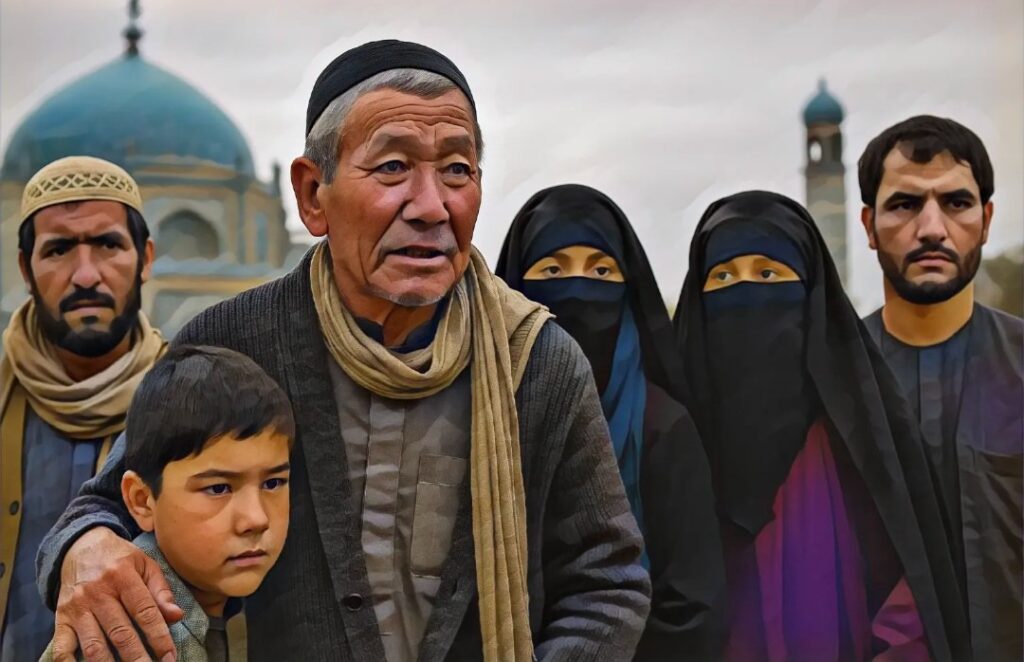
Recent claims circulating on social media have accused the Kazakh government of abandoning ethnic Kazakhs in Afghanistan, with posts often alleging that thousands of Kazakhs have been left to fend for themselves, painting an emotionally charged but factually questionable picture. The Times of Central Asia set out to verify these claims and found a far more complex reality. Historical Background Kazakh migration to Afghanistan dates back over a century. In the late 19th and early 20th centuries, some groups of Kazakhs arrived via Xinjiang, China. Later waves followed during the 1930s, prompted by famine and Stalinist repression in the USSR. Some speculate that early migrants may have included supporters of Kenesary Khan, but this remains the subject of academic debate. While there are no official Afghan census records, estimates suggest that by the mid-20th century, the number of Kazakhs in Afghanistan may have reached 20,000-24,000. However, the repatriation programs of the 1990s drastically reduced these numbers. Since Kazakhstan’s independence, approximately 13,000 Kazakhs have returned from Afghanistan, part of a broader national effort that has repatriated over 1.15 million ethnic Kazakhs from abroad. Even after the Taliban takeover, repatriation efforts continued. In September 2021, for example, 35 ethnic Kazakhs were airlifted to Kazakhstan on a specially arranged flight. Disputed Numbers According to Kazakhstan’s Foreign Ministry and as confirmed by its embassy in Kabul, the number of ethnic Kazakhs remaining in Afghanistan is about 200 people, or roughly 15 families. In contrast, some self-proclaimed “cultural centers” and online activists claim there are “thousands” of families, with some estimates as high as 3,600 people. These figures are not substantiated by either official data or independent research. Verifying Ethnic Identity The Kazakh embassy in Kabul maintains contact with community representatives to track and verify the status of ethnic Kazakhs. Yet, confirming identities is a serious challenge in Afghanistan due to the absence of a comprehensive population registry. Since 2018, Afghan identity cards (e-Tazkira) have included a “nationality” field, but filling it is optional and based primarily on self-declaration or statements by local elders. This system is vulnerable to manipulation. The embassy reports cases where individuals from other ethnic backgrounds have falsely identified as Kazakh in the hope of qualifying for repatriation programs. Additional complications include limited access to remote provinces, weak administrative oversight, and security concerns. The embassy thus relies on field visits, trusted local contacts, and cautious verification to produce its population estimates. Mixed Marriages and Assimilation One of the biggest challenges in identification is interethnic marriage. Over the decades, many Kazakhs in Afghanistan have assimilated into surrounding Uzbek, Turkmen, or Tajik communities. Many no longer speak Kazakh, and identity is maintained through fragmentary knowledge of family genealogies (shezhire), often insufficient for verification. The embassy also raised concerns about “disputed applicants”, individuals attempting to exploit Kazakhstan’s earlier, more lenient kandastar (ethnic repatriation) policy. In the absence of rigorous documentation, ethnicity in Afghanistan has often been based on verbal claims, creating openings for abuse and corruption. Why Not Use DNA? Some social media users...

Uzbek Militants Become Mediators in Syria Stand-Off

Brandishing assault rifles, the Uzbek fighters in Syria arrived ready to fight. They ended up helping to mediate an end to a confrontation between another group of militants and government security forces.  Fighting broke out early last week when Syrian forces raided a stronghold of the Islamic militant group Fiqrat al-Ghuraba, whose leader, identified as Omar Diaby, is a French national of Senegalese origin. Authorities accused the group of kidnapping and other crimes, though some analysts say the government is under international pressure to rein in foreign fighters who helped oust former leader Bashar al-Assad last year but have resisted integration into the military of Syria’s new, relatively moderate leadership. The confrontation erupted in the city of Harem in Idlib province in northern Syria. Ethnic Uzbek fighters deployed to the area, saying they were prepared to reinforce the so-called French jihadis. Uzbek combatants play a prominent role in two groups of foreign fighters in Syria that are known by the acronyms KIB and KTJ and retain ties to al-Qaida and the Taliban, according to a recent West Point analysis. But the Syrian Observatory for Human Rights, which tracked the country’s long civil war, said an agreement to end the fighting was reached with the mediation of Uzbek fighters and members of the Turkistan Islamic Party, a mostly Uyghur extremist movement. As part of the deal, heavy weapons were to be withdrawn from the region and the mediators were “entrusted to track the fate” of Omar Diaby, according to the observatory.  While the agreement resolved the local stand-off, it didn’t address the broader question of how the Syrian government will deal with the many foreign militants who joined the fight against al-Assad and remain, with their weapons, in the country. At least in the short term, the deal seemed to benefit the extremists who demonstrated leverage in their talks with authorities. Foreign fighter groups had shared the same goal as Hayat Tahrir al-Sham, a group with al-Qaida roots that led the rebel push to overthrow al-Assad and whose leader, Ahmed al-Sharaa, is now trying to project an inclusive image as Syria’s president.  The French-led extremists have accused Syrian authorities of collaborating with France to detain them and turn them over to French authorities. China, which is concerned about Uyghur militants, has also urged Syria’s transitional government to crack down on designated terror groups.

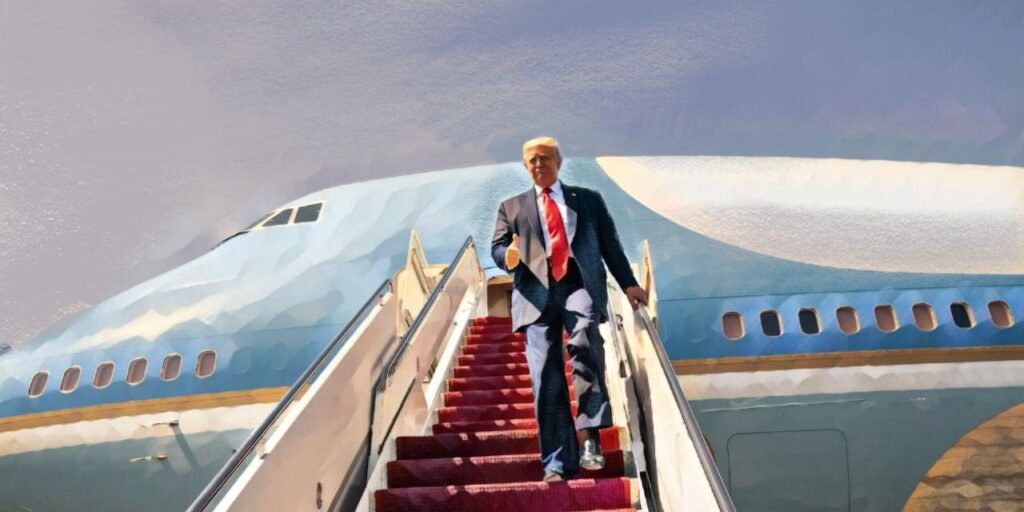
Trump to Host U.S.-Central Asia Summit on November 6

Kazakhstan’s presidency says a Central Asia–United States summit will be held in Washington on November 6. President Kassym-Jomart Tokayev sent a letter to U.S. President Donald Trump to thank him for the invitation to participate in the summit on that date in the U.S. capital, Tokayev’s press office said on Sunday. President Tokayev regarded the initiative of the American leader as both timely and important, the office said. “The Head of State also noted that he shares the key principles of President Trump’s domestic and foreign policy, in particular the advocacy of traditional values based on common sense, as well as dedication to safeguarding peace and security.” The summit would mark the tenth anniversary of the C5+1 diplomatic forum, which includes the United States and the five Central Asian countries of Kazakhstan, Kyrgyzstan, Tajikistan, Turkmenistan, and Uzbekistan. Citing unidentified sources in Uzbekistan’s presidential administration, Gazeta, a media outlet in Uzbekistan, confirmed the summit plan, saying Uzbek President Shavkat Mirziyoyev was among the Central Asian leaders who had received invitations from Trump to attend the November 6 meeting in Washington. Kyrgyz media have also reported that President Sadyr Japarov will attend the C5+1. According to Azattyq, the invitation was extended to all five Central Asia leaders. The announcement of the summit coincides with a visit to Kazakhstan and Uzbekistan by Sergio Gor, U.S. Special Envoy for South and Central Asia, and Deputy Secretary of State Christopher Landau. Trump met Tokayev and Uzbek President Shavkat Mirziyoyev on the sidelines of the U.N. General Assembly last month. Multi-billion-dollar business deals were announced in connection with those meetings. The U.S. president is currently on an Asia tour during which he is expected to meet Chinese President Xi Jinping to discuss trade tensions. A summit with Central Asian leaders could potentially help the U.S. counter the influence of Russia and China in that region. In an Oct. 20 letter, a U.S. congressional foreign affairs panel urged Trump to host a summit with Central Asian leaders before the end of the year. It noted U.S. interests such as the development of critical minerals, including tungsten, antimony, lithium, and rare earth elements; the full repeal of the Jackson-Vanik amendment, a Cold War-era law that imposes some restrictions on trade with several countries in Central Asia; and counterterrorism efforts against the regional branch of the Islamic State group.

U.S. Special Envoy and Deputy Secretary of State to visit Central Asia

The U.S. Department of State has published a statement announcing that the Special Envoy for South and Central Asia, Sergio Gor, and Deputy Secretary of State Christopher Landau will travel to Kazakhstan and Uzbekistan from October 26 to October 30. According to the statement, "Special Envoy Gor and Deputy Secretary Landau will meet with Kazakh and Uzbekistani government counterparts to discuss a wide range of economic and security issues. The United States will continue to work with our Central Asian counterparts to strengthen relations and expand commercial ties. We look forward to enhancing bilateral cooperation between our countries and also recognizing ten years of U.S.-Central Asian partnership through the C5+1 diplomatic platform." No further details were provided in the announcement. Gor was born as Sergio Gorokhovsky on November 30, 1986, in Tashkent, Uzbekistan, which was part of the Soviet Union at the time. Gor's lawyer, Robert Garson, confirmed by email that his client was born in Tashkent. The previously unannounced visit is a continuation of recent talks held by the leaders of Astana and Tashkent with President Trump, and comes in the wake of new sanctions imposed on Russia last week, which directly affect countries in the region. In addition, last week, the U.S. Congressional Foreign Affairs Panel asked U.S. President Donald Trump to host a meeting in Washington, D.C. with leaders from Central Asia by the end of 2025.

How U.S. and EU Sanctions Are Rippling Through Central Asia

Russia’s economy has faced renewed pressure following a fresh round of sanctions imposed this past week by both the European Union and the United States. After abruptly canceling a planned meeting with Vladimir Putin in Budapest, President Donald Trump shifted to a more hardline stance, announcing new sanctions. While these sanctions may not cripple Moscow, they are already having secondary effects on Central Asia, particularly on Kazakhstan’s banking and energy sectors. The EU's 19th sanctions package, adopted on October 22, introduces a phased ban on Russian liquefied natural gas (LNG). According to Reuters, short-term contracts will be terminated within six months, while long-term contracts are to expire by January 1, 2027. The package also includes a total ban on transactions with Russian oil giants Rosneft and Gazprom Neft, an expanded blacklist of so-called "shadow fleet" vessels, and sanctions against 45 companies in Russia and third countries supplying military-related technologies. Of growing concern in Central Asia is the inclusion of several regional financial institutions in the EU's sanctions list. These include the Kazakh branch of Russia’s VTB Bank, Kyrgyz banks Tolubai and Eurasian Savings Bank, and Tajik banks Dushanbe City Bank, Kommertsbank of Tajikistan, and Spitamen. These restrictions are scheduled to take effect between November and December 2025. Both Kyrgyzstan’s President Sadyr Japarov and the nation's Foreign Ministry have publicly expressed dismay over the sanctions, with Japarov urging Western leaders to stop “politicizing the economy.” In his speech at the UN General Assembly in New York in September, Japarov criticized the impact of unilateral sanctions, while the Foreign Ministry has stated that the country adheres to its international obligations and maintains an open dialogue with the EU to prevent risks associated with possible sanctions circumvention. The ministry has proposed launching an independent, internationally recognized audit and forming a joint “Kyrgyzstan-European Union” technical working group to facilitate data exchange, transaction monitoring, and risk assessments. In Kazakhstan, the National Bank downplayed the impact of sanctions against VTB. Deputy Chairman Yerulan Zhamaubayev noted that the bank had already been under nominal restrictions, and handles few transactions. “VTB does not affect the country’s financial stability, and we do not expect serious risks for the economy,” Zhamaubayev stated. However, the latest U.S. sanctions may prove more consequential for Kazakhstan, particularly amid efforts to strengthen bilateral trade with the United States, including through the repeal of the Jackson-Vanik amendment. The U.S. Treasury Department has sanctioned Russian oil majors Rosneft and Lukoil. The latter has deep economic ties with Kazakhstan. Just days before the announcement, on October 14, President Kassym-Jomart Tokayev personally attended the 30th anniversary of Lukoil’s operations in Kazakhstan, awarding CEO Vagit Alekperov the Order of Barys, first class. Oil and gas journalist Oleg Chervinsky reported that the joint venture Kalamkas-Khazar Operating LLP, co-owned by Lukoil and KazMunayGas, is directly affected. “Only the Tengiz and CPC projects, which Lukoil operates with American partners, have been exempted from the sanctions,” Chervinsky noted. A final investment decision for Kalamkas-Khazar was expected in December 2025. Yerkanat Abeni, a member of...