• KGS/USD = 0.01144 0%
  • KZT/USD = 0.00204 0%
  • TJS/USD = 0.10429 0.29%
  • UZS/USD = 0.00008 0%
  • TMT/USD = 0.28490 0%
  • KGS/USD = 0.01144 0%
  • KZT/USD = 0.00204 0%
  • TJS/USD = 0.10429 0.29%
  • UZS/USD = 0.00008 0%
  • TMT/USD = 0.28490 0%
  • KGS/USD = 0.01144 0%
  • KZT/USD = 0.00204 0%
  • TJS/USD = 0.10429 0.29%
  • UZS/USD = 0.00008 0%
  • TMT/USD = 0.28490 0%
  • KGS/USD = 0.01144 0%
  • KZT/USD = 0.00204 0%
  • TJS/USD = 0.10429 0.29%
  • UZS/USD = 0.00008 0%
  • TMT/USD = 0.28490 0%
  • KGS/USD = 0.01144 0%
  • KZT/USD = 0.00204 0%
  • TJS/USD = 0.10429 0.29%
  • UZS/USD = 0.00008 0%
  • TMT/USD = 0.28490 0%
  • KGS/USD = 0.01144 0%
  • KZT/USD = 0.00204 0%
  • TJS/USD = 0.10429 0.29%
  • UZS/USD = 0.00008 0%
  • TMT/USD = 0.28490 0%
  • KGS/USD = 0.01144 0%
  • KZT/USD = 0.00204 0%
  • TJS/USD = 0.10429 0.29%
  • UZS/USD = 0.00008 0%
  • TMT/USD = 0.28490 0%
  • KGS/USD = 0.01144 0%
  • KZT/USD = 0.00204 0%
  • TJS/USD = 0.10429 0.29%
  • UZS/USD = 0.00008 0%
  • TMT/USD = 0.28490 0%

Viewing results 31 - 36 of 2297

Central Asia Confronts Iran War Fallout as Trade Routes and Citizens Come Under Pressure

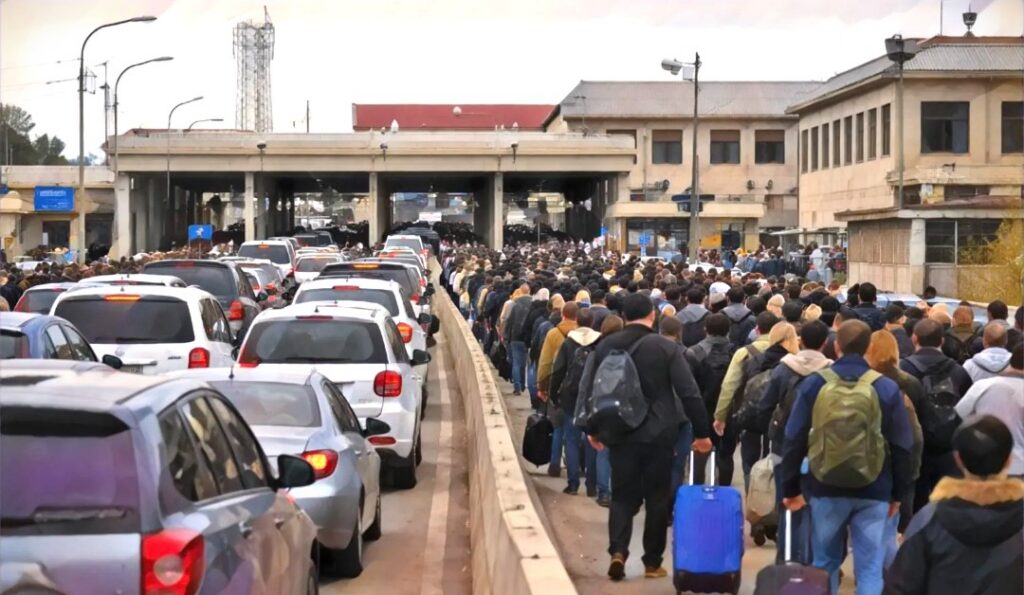
Central Asian governments are racing to protect citizens and keep trade moving as the U.S.–Israel war with Iran widens across the Middle East, disrupting airspace and driving up shipping and energy costs. The effects of the conflict are reaching a region that has spent the past four years trying to diversify trade routes and reduce dependence on maritime chokepoints, now disrupted by rising risk and transport volatility. The threat to its citizens has become immediate for Central Asian governments. On March 1, Kazakhstan’s Foreign Ministry said that it was working on evacuation measures for its nationals in escalation zones and urged citizens to follow official updates from diplomatic missions. It also advised Kazakh citizens in Iran to explore overland exits, including via Azerbaijan, Armenia, Türkiye, and Turkmenistan, given airspace closures and flight suspensions. Uzbekistan’s Foreign Ministry issued safety guidance for citizens in the United Arab Emirates, urging them to avoid crowded areas and adhere to official security directives as tensions in the region escalated. Tajik nationals have already been among those leaving Iran through Azerbaijan’s Astara crossing, with The Times of Central Asia reporting yesterday that five civilians from Tajikistan are among foreigners from numerous countries who have crossed from Iran into Azerbaijan. For Central Asia, the crisis is hitting both its people and its trade routes. The same border crossings used for evacuations sit on corridors that carry freight and connect the region to southern markets. Azerbaijan’s role as a transit hub has grown sharply over the past decade, but in this crisis, it is also a pressure valve for land exits from Iran. As of March 2, more than 300 people have been evacuated from Iran via Azerbaijan. Any tightening at borders or disruptions to rail and road links around the Caspian immediately affect how Central Asian states move both people and cargo. Oil and shipping costs are rising sharply. On March 1, oil prices jumped by around 10%, with analysts warning prices could move toward $100 a barrel if disruption in the Strait of Hormuz worsens. The impact across Central Asia has been uneven. Kazakhstan may see stronger export revenues in the short term due to higher crude prices, but that gain comes with volatility and increased import costs across the region. ING stated that stronger commodity prices could improve the external balance of fuel exporters such as Kazakhstan, while increasing inflation risks for importers. Shipping poses a deeper structural risk. Tanker owners and traders have slowed or suspended transits through the Strait of Hormuz because of security fears and insurance constraints, even without a formal blockade. Higher risk premiums feed directly into freight rates on the routes Central Asian exporters use to reach Europe, the Gulf, and South Asia. When insurers reprice war risk, smaller shippers and landlocked economies absorb the cost first. Iran is central to Central Asia’s trade geography. It serves as a transit state for the southern corridor linking Central Asian rail and port networks to Türkiye, Europe, and the Gulf. Central Asian...
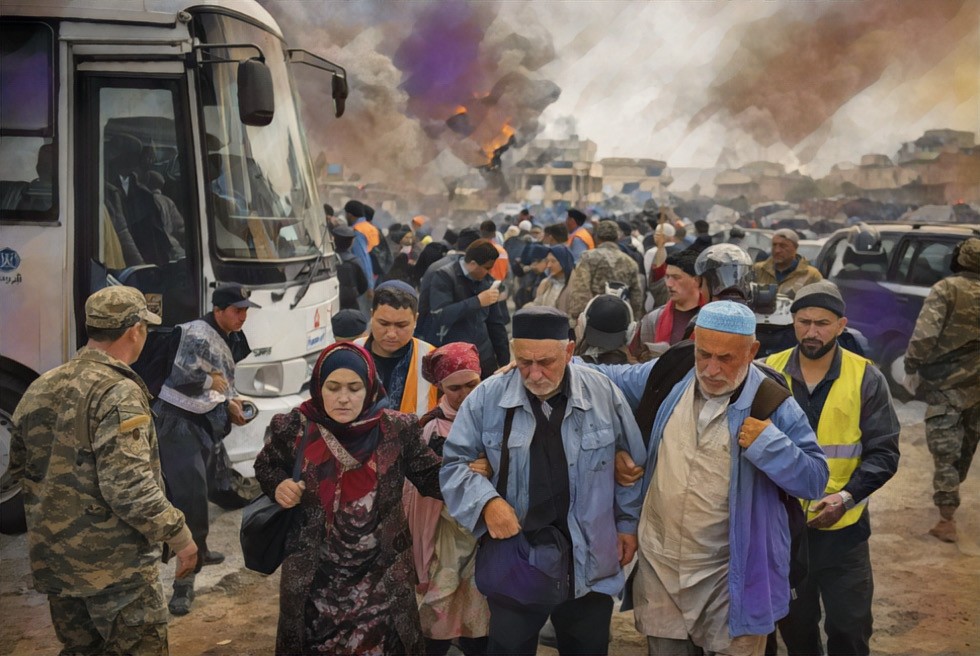
Escalation with Iran at the Epicenter: How Central Asian Countries Are Reacting

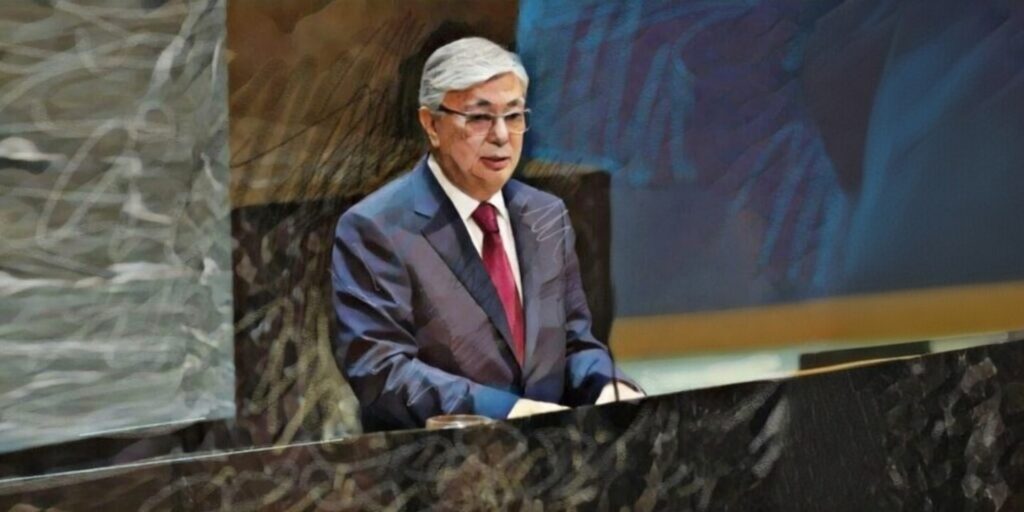
Over the past weekend, the Middle East has once again become a focal point of global tensions. At the center of the escalation is Iran, a country with which Central Asian states intensified engagement last year following the visit of President Masoud Pezeshkian to the region. As events unfold, the potential regional and economic consequences have become a key concern for Central Asian leaders. Kazakhstan President Kassym-Jomart Tokayev responded swiftly on February 28, as Iran was reportedly preparing a retaliatory strike targeting not only Israel, which, together with the U.S., had assumed responsibility for the latest escalation, but also several Arab states in the Persian Gulf. On February 27, Tokayev received U.S. Ambassador to Kazakhstan Julie Stufft. According to the official readout, the sides exchanged views “on further cooperation within the framework of the Board of Peace.” While it remains unclear whether the meeting was directly linked to impending military developments, Kazakhstan’s leadership moved quickly the following day. On February 28, the president instructed Security Council Secretary Gizat Nurdauletov, together with the heads of law enforcement agencies and relevant ministries, to prepare an emergency action plan in light of the escalating situation around Iran and potential risks to domestic stability. All law enforcement agencies were placed on heightened alert, and a special monitoring group was established within the government under the supervision of the Ministry of Foreign Affairs. Regional governors were instructed to assess potential risks stemming from developments in the Middle East. Late on March 1, presidential press secretary Aibek Smadiyarov announced that Tokayev had sent personal messages to the leaders of the United Arab Emirates, Saudi Arabia, Qatar, Bahrain, and Kuwait, expressing solidarity and support during what he described as a difficult period. Tokayev strongly condemned military actions that undermine the sovereignty and security of states friendly to Kazakhstan. “Our country consistently advocates resolving complex international problems and armed conflicts exclusively through diplomatic means,” Tokayev stated. He also expressed Kazakhstan’s readiness to provide assistance if necessary and reaffirmed the importance of maintaining working contacts with regional leaders. Subsequently, Tokayev held telephone conversations with Emir of Qatar Sheikh Tamim bin Hamad Al Thani and President of the United Arab Emirates Sheikh Mohammed bin Zayed Al Nahyan. In both calls, Tokayev expressed serious concern over the escalation and reiterated Kazakhstan’s support and solidarity. During the conversation with the UAE president, Tokayev also noted reports that civilian infrastructure had been damaged and stated that attacks on civilian targets deserve strong condemnation. Sheikh Mohammed bin Zayed Al Nahyan thanked Kazakhstan for its support and expressed appreciation for its readiness to assist in overcoming the crisis. Uzbekistan Uzbekistan, alongside Kazakhstan, suspended flights to several Middle Eastern destinations, with some aircraft reportedly turning back after departure. The Ministry of Foreign Affairs issued emergency contact information for Uzbek diplomatic missions and urged citizens abroad or planning to travel, to closely monitor official updates from host countries and Uzbek embassies. The ministry advised citizens to maintain communication with diplomatic missions, register with consular services when necessary,...

Central Asian Countries Scramble to Help Nationals in Mideast Conflict Zone

With the Mideast conflict entering a second day, Central Asian governments have urged their citizens in the region to take precautions, including following the instructions of local authorities and staying away from mass gatherings. Five civilians from Tajikistan are among foreigners from a range of countries who have crossed from Iran into Azerbaijan since the United States and Israel launched air strikes at Iranian targets on Saturday, the Azerbaijani Press Agency reported. Others who have crossed include 18 Saudi diplomats, four diplomats from Jordan and hundreds of Russian civilians. Canada and Spain have communicated with Azerbaijan about the possible evacuation of their citizens as well. One citizen of Azerbaijan in the region has been injured, but is in good condition and receiving support from diplomatic staff, said Aykhan Hajizade, spokesman for Azerbaijan’s Ministry of Foreign Affairs. He was quoted by state news agency Azertac. Uzbekistan said there are no casualties among its 81 citizens in Iran. The nationals from Uzbekistan include eight employees of diplomatic missions, nine students in the city of Qom, nine who are in Iran on private visits and 55 permanent residents. “The Embassy maintains constant contact with compatriots,” the Uzbek government said. Iran responded to the air strikes with retaliatory waves of missiles and drones aimed at Israel as well as U.S. military facilities and civilian areas across the region. “Air traffic has been suspended due to temporary restrictions on the use of airspace,” Uzbekistan’s Ministry of Foreign Affairs said in a message on Telegram to its nationals in Dubai, United Arab Emirates. The ministry urged them to fully comply with local laws, avoid going out unnecessarily and stay away from crowded places, and rely only on official sources of information. Kazakhstan said it was working on “round-the-clock interaction” with authorities in countries affected by the conflict, and that its diplomatic missions are providing consular and legal assistance to compatriots. The Ministry of Foreign Affairs has opened hotlines. “Lists of citizens in the region, including transit zones, are being updated,” the ministry said. “Operational chats have been created in messengers where compatriots can get answers to their questions and information about the situation in the country, including recommendations.” The ministry said it was collecting information about the number of Kazakhstani citizens in the “escalation zone,” and that it was difficult to specify the exact number. There have been no reports so far of casualties among people from Kazakhstan, it said. Last year, Mashhad, a northeastern Iranian city near the border with Turkmenistan and a significant hub for trade with Central Asia, was among the targets hit by the Israeli military. At the time, Turkmenistan facilitated the cross-border transfer from Iran of some people from Central Asia and other regions. So far, there are no reports of U.S. or Israeli strikes on Mashhad since the latest conflict began. The city is an Islamic pilgrimage site and is the birth place of Ayatollah Ali Khamenei, Iran’s supreme leader. He was killed in air strikes on Saturday.  

President Tokayev Reaffirms Support for Gulf States During Regional Crisis

Updated March 1 - President Kassym-Jomart Tokayev sent messages of support to the leaders of the United Arab Emirates, Saudi Arabia, Qatar, Bahrain, Kuwait, and Jordan reaffirming Kazakhstan’s solidarity with their peoples during what he described as a “difficult period of profound challenges.” Messages were conveyed on Saturday to the leaders of the United Arab Emirates, Saudi Arabia, Qatar, Bahrain and Kuwait, underscoring Kazakhstan’s commitment to the sovereignty and security of its partners in the Arab world. The information was confirmed by presidential adviser and press secretary Aibek Smadyarov, according to Qazinform. On Sunday, Tokayev sent a similar message to Jordan’s leadership, extending the same assurances of solidarity and support. In addition, Tokayev held a phone call with the Amir of Qatar, Sheikh Tamim bin Hamad Al Thani, during which the sides discussed the evolving situation in the Middle East and emphasized the importance of diplomatic efforts to prevent further escalation. In the messages, Tokayev condemned any military action aimed at undermining the sovereignty and security of states that Kazakhstan regards as friendly partners. “Our country consistently advocates the resolution of all complex international issues and armed conflicts exclusively through diplomatic means,” Tokayev said. He added that Kazakhstan stands ready to provide any assistance it can and expressed hope for continued regular contact with the senior leadership of those countries, signaling Astana’s intention to maintain close political dialogue amid regional tensions. The messages are consistent with Kazakhstan’s long-standing foreign policy emphasis on multilateralism, non-interference, and the peaceful settlement of disputes. As Central Asia’s largest economy, Kazakhstan has sought to position itself as a constructive diplomatic actor while maintaining balanced relations across the Middle East and beyond.

Pakistan Declares “Open War” with Afghanistan’s Taliban as Cross-Border Attacks Escalate

Pakistan launched airstrikes inside Afghanistan on Friday following a Taliban-announced offensive against Pakistani military posts along the shared border, marking a sharp escalation in tensions between the two long-hostile neighbors. The Taliban has said it is open to talks. Pakistan’s Defense Minister Khawaja Muhammad Asif said on social media that “our patience has now run out. Now it is open war between us,” framing Islamabad’s actions as a response to cross-border attacks. According to Reuters, the Afghan authorities said operations began across several eastern provinces bordering Pakistan, while Islamabad confirmed retaliatory strikes targeting what it described as militant positions. Both sides have released sharply conflicting casualty figures, none independently verified. Pakistani officials said more than 200 Taliban fighters were wounded and over 130 killed in retaliatory operations, while reporting Pakistani military casualties. The Taliban authorities rejected those figures and claimed dozens of Pakistani troops were killed. The clashes threaten a fragile ceasefire reached in October 2025 after earlier border fighting. Pakistan has repeatedly accused the Taliban of allowing Tehrik-e-Taliban Pakistan (TTP) militants to operate from Afghan territory, an allegation Kabul denies. The Durand Line border has long been a flashpoint, but analysts say the scale of recent airstrikes — including reported strikes near Kabul — marks a significant escalation beyond previous localized clashes. For Central Asian states, renewed instability between Pakistan and Afghanistan carries direct strategic and economic implications. Uzbekistan has invested heavily in the proposed Termez–Mazar-i-Sharif–Kabul–Peshawar railway, a flagship trans-Afghan corridor intended to link Central Asia to Pakistani ports and expand southbound trade. The CASA-1000 electricity transmission project, designed to export surplus hydropower from Kyrgyzstan and Tajikistan to Afghanistan and Pakistan, also depends on security conditions in Afghan territory. Turkmenistan’s TAPI gas pipeline project faces similar vulnerabilities. Escalating violence risks delaying these connectivity initiatives and raising concerns about militant spillover into northern Afghanistan, an area closely watched by Tajikistan and Uzbekistan. Central Asian governments have pursued pragmatic engagement with the Taliban authorities to stabilize their southern frontier; sustained confrontation between Kabul and Islamabad could complicate that strategy and undermine regional integration plans. The United Nations and regional actors have called for restraint. While both governments describe their actions as defensive, the rhetoric surrounding the latest exchange suggests a dangerous deterioration in bilateral relations. Independent verification of battlefield claims remains limited as diplomatic efforts to contain the escalation continue.

EU Targets Kyrgyz Financial Sector Over Russia Sanctions Evasion

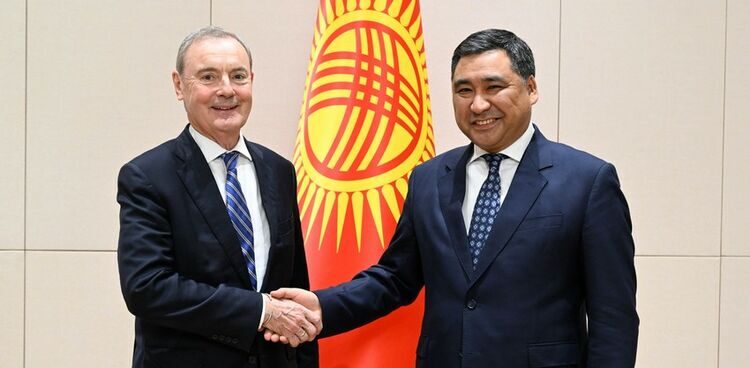
At the beginning of the year, the news agenda surrounding Kyrgyzstan shifted dramatically. Several media outlets reported that the European Union is considering restrictive measures affecting Kyrgyzstan as part of its 20th sanctions package against Russia. This does not imply direct sanctions against the state itself, but rather potential measures targeting banks, oil companies, and cryptocurrency services that, according to Brussels, may facilitate circumvention of the sanctions regime. For Kyrgyzstan’s economy, which is highly sensitive to cross-border capital flows, this represents a serious warning signal. EU Special Envoy for Sanctions David O’Sullivan, who visited Bishkek, outlined Brussels’ principal concern: a sharp increase over the past year in imports of machine tools and radio equipment into Kyrgyzstan. According to O’Sullivan, exports of certain categories of goods have risen by several hundred percent compared with the pre-war period. These goods fall into the category of dual-use products, and even relatively inexpensive components can be incorporated into drones or missile systems. The EU’s core argument is that such goods are neither produced nor consumed in significant volumes within Kyrgyzstan but are imported from Europe for subsequent re-export to Russia. Brussels views this pattern as evidence of systematic transit. The European Commission is also advocating restrictions on exports of certain machine tools and radio equipment to Kyrgyzstan. According to cited sources, exports of sanctioned technologies to Kyrgyzstan have increased eightfold since the start of the war in Ukraine, while shipments of equipment from Kyrgyzstan to Russia have risen by approximately 1,000%. O’Sullivan stated that the EU “does not impose sanctions on countries,” but rather on specific companies and banks. In practical terms, however, the distinction can be largely formal for the national economy. In October 2025, the EU added two Kyrgyz banks, Tolubay Bank and Eurasian Savings Bank, to its sanctions lists. According to the special envoy, the measures do not prohibit domestic operations, but they do restrict transactions with European financial institutions. In practice, this means the loss of correspondent banking relationships and limited access to SWIFT. Previously, Keremet Bank, Capital Bank, and the cryptocurrency platforms Grinex and Meer were sanctioned by the United Kingdom and the United States. In November 2025, Canada imposed sanctions on Capital Bank of Central Asia and the A7 platform. Brussels has formally stated that it respects Kyrgyzstan’s sovereignty and its legitimate trade relations with Russia and does not seek to halt lawful trade or remittance flows from migrant workers. According to O’Sullivan, preventing transit should not generate significant economic losses, as the goods in question represent only a “tiny fraction” of trade and do not create substantial added value within Kyrgyzstan. A Delicate Balancing Act The situation is further complicated by the lack of full consensus within the EU itself regarding the new sanctions package. Kyrgyzstan finds itself at a difficult intersection of interests. On one side are longstanding economic ties with Russia; on the other, the growing importance of the EU as a source of investment, grants, and institutional support. Following an extended meeting between First...