• KGS/USD = 0.01144 0%
  • KZT/USD = 0.00208 0%
  • TJS/USD = 0.10492 0.1%
  • UZS/USD = 0.00008 0%
  • TMT/USD = 0.28571 0%
  • KGS/USD = 0.01144 0%
  • KZT/USD = 0.00208 0%
  • TJS/USD = 0.10492 0.1%
  • UZS/USD = 0.00008 0%
  • TMT/USD = 0.28571 0%
  • KGS/USD = 0.01144 0%
  • KZT/USD = 0.00208 0%
  • TJS/USD = 0.10492 0.1%
  • UZS/USD = 0.00008 0%
  • TMT/USD = 0.28571 0%
  • KGS/USD = 0.01144 0%
  • KZT/USD = 0.00208 0%
  • TJS/USD = 0.10492 0.1%
  • UZS/USD = 0.00008 0%
  • TMT/USD = 0.28571 0%
  • KGS/USD = 0.01144 0%
  • KZT/USD = 0.00208 0%
  • TJS/USD = 0.10492 0.1%
  • UZS/USD = 0.00008 0%
  • TMT/USD = 0.28571 0%
  • KGS/USD = 0.01144 0%
  • KZT/USD = 0.00208 0%
  • TJS/USD = 0.10492 0.1%
  • UZS/USD = 0.00008 0%
  • TMT/USD = 0.28571 0%
  • KGS/USD = 0.01144 0%
  • KZT/USD = 0.00208 0%
  • TJS/USD = 0.10492 0.1%
  • UZS/USD = 0.00008 0%
  • TMT/USD = 0.28571 0%
  • KGS/USD = 0.01144 0%
  • KZT/USD = 0.00208 0%
  • TJS/USD = 0.10492 0.1%
  • UZS/USD = 0.00008 0%
  • TMT/USD = 0.28571 0%

Viewing results 517 - 522 of 1483

How Nauryz Was Celebrated in Kazakhstan: Traditions and Festivities in Astana, Almaty, and Taraz

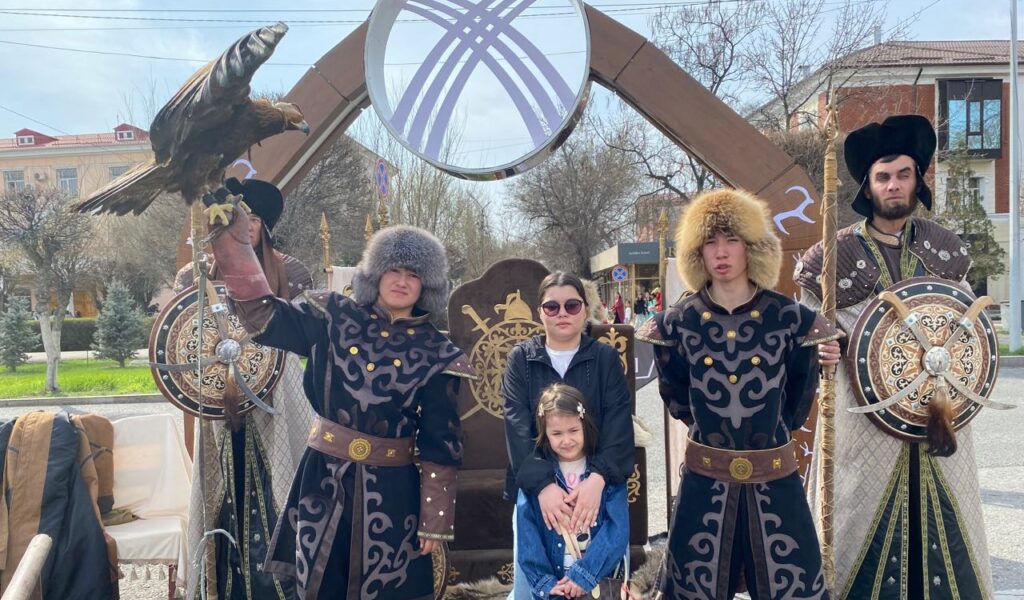
Nauryz, one of Kazakhstan’s most cherished holidays, marks the arrival of spring and the renewal of nature. This year, cities across the country held vibrant celebrations, blending national traditions with festive performances and heartfelt hospitality. Astana: Festivities at the EXPO Site In Kazakhstan’s capital, the main Nauryz celebrations took place at the EXPO site, where a grand stage hosted performances by folk artists. Attendees enjoyed traditional dances, songs, and theatrical productions that showcased the cultural legacy of the Kazakh people. The city was adorned with national ornaments and bright spring-themed decorations, creating an atmosphere of renewal and joy. In addition to the cultural program, sports competitions were held, drawing both professional and amateur participants. A bustling crafts fair was a central attraction, offering handmade felt goods, traditional attire, and jewelry crafted by local artisans. Almaty: Ethno-Festival Meets Innovation In Almaty, Nauryz was marked by large-scale festivities in Central Park, headlined by an ethno-festival featuring yurt villages and traditional Kazakh delicacies like baursaki, koumiss, and Nauryz kozhe. Folk ensembles performed kui and songs, immersing visitors in a celebratory ambiance. A standout feature of the event was its integration of modern technology. A robot chef, for instance, fried baursaki on-site in an eye-catching fusion of tradition and innovation. Prominent brands showcased their goods, and interactive workshops for children included felt weaving, ceramic painting, and dombra playing. As night fell, the city transitioned into lively Nauryz-themed parties, where national melodies blended with contemporary hits. Themed cocktails inspired by spring renewal added a modern twist to the age-old celebration. [caption id="attachment_30089" align="aligncenter" width="960"] Image: ТСА, Tamila Olzhbaekova[/caption] Taraz: Art, Crafts, and Nomadic Spirit In Taraz, the streets came alive with folk art exhibitions. Inside ornately decorated yurts, local artists displayed paintings depicting Kazakh landscapes, mountains, rivers, and historic sites. Woodcarvers showcased their craft through traditional musical instruments, utensils, and intricately carved animal figures and jewelry. Every detail reflected national symbolism, echoing the life and spirit of the steppe. Visitors were also greeted by performers in authentic Kazakh armor, with men dressed in nomadic attire reenacting historical scenes. Batyrs holding majestic eagles evoked the ancient tradition of falconry, drawing crowds eager to connect with Kazakhstan’s nomadic past. [caption id="attachment_30085" align="aligncenter" width="1280"] Image: ТСА, Tamila Olzhbaekova[/caption] Nauryz in Kazakhstan is more than just a spring festival, it's a heartfelt return to cultural roots, a celebration of heritage, and a joyful embrace of a new beginning. Whether in Astana, Almaty, Taraz, or beyond, the holiday brings people together in a shared spirit of kindness, unity, and renewal.

Nauryz in the 21st Century: From Tradition to Modernity

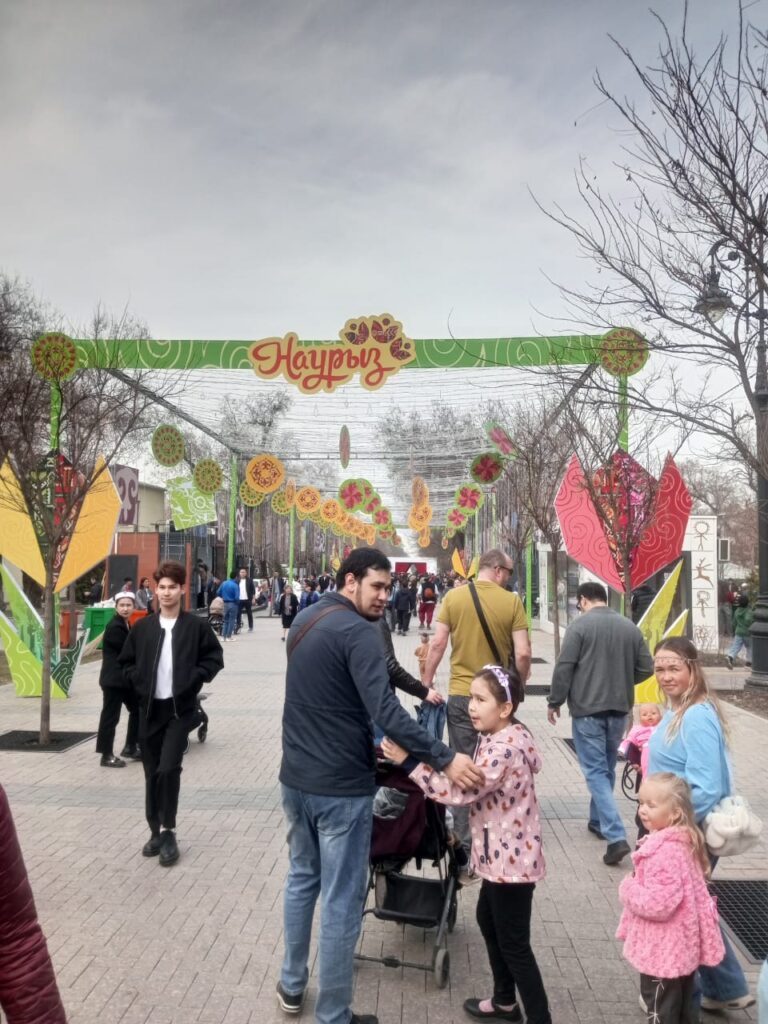
Nauryz today is more than a family gathering, it has evolved into a large-scale celebration that reflects the rhythms of modern life. In the 21st century, the holiday is undergoing significant transformation, adapting to contemporary realities and the interests of younger generations. From its origins as a symbol of nature's renewal, Nauryz has become a vibrant cultural event, taking on new forms that resonate with today’s youth. Festivals, Fairs, and Concerts Major cities across Kazakhstan, Kyrgyzstan, Uzbekistan, and Tajikistan host public festivities that attract thousands. “Nauryz has become much more modern in recent years. We go to big street concerts and festivals, and often to fairs to buy jewelry or clothes with national symbols,” said Bekzat, 18, from Astana. [caption id="attachment_30030" align="aligncenter" width="960"] Image: ТСА, Askar Kubaizhanov[/caption] Traditional customs, such as folk games, rituals, and craft demonstrations, are now seamlessly integrated with contemporary entertainment. In Kazakhstan and Kyrgyzstan, open-air celebrations often feature both traditional music and modern remixes of popular hits. Attendees proudly wear clothing adorned with national motifs, creating a festive and stylish atmosphere that highlights the holiday’s distinct cultural identity. “My friends and I celebrate Nauryz at parties. This year we’re going to a small event in one of Almaty’s bars, where there’ll be special cocktails and national music mixed with pop hits,” said Karina, 21, from Almaty. Social Media and Cinema Social networks play an increasingly central role in shaping how Nauryz is celebrated. Young people actively share their experiences, while public spaces transform into cultural hotspots. Photos and videos from events flood social media, with specially designed photo installations becoming popular attractions and digital art objects. Cinematic representations of Nauryz also help preserve and spread its traditions. State-run TV channels broadcast films and programs dedicated to the holiday, while bloggers contribute with curated content, compilations, and themed podcasts. This creates a dynamic flow of information that enhances awareness of the holiday’s cultural significance. [caption id="attachment_30031" align="aligncenter" width="960"] Image: ТСА, Askar Kubaizhanov[/caption] Culinary Celebrations Businesses, too, have embraced Nauryz. Restaurants and cafes offer themed menus featuring traditional dishes, while stores roll out special promotions, discounts, and gifts. These commercial efforts not only maintain the festive spirit but also offer opportunities for economic engagement. Nauryz in the 21st century stands as a vivid example of how tradition and modernity can coexist. It continues to attract people of all ages, celebrating cultural heritage while evolving to reflect the tastes and lifestyles of contemporary society.

Is Beijing’s Educational Diplomacy Turning the Dial on Central Asian Public Opinion?

OSH, KYRGYZSTAN – On the eastern bank of the Ak-Buura River, a mini-Chinatown is developing. At Osh’s old bus station, buses and taxis hawk their services to Kashgar, 300 kilometers away over the Pamir Mountains in China’s Xinjiang Province. Blue-plated SUVs stand by the roadside, sporting the 新 character that also symbolizes their origin in Xinjiang. At the Kelechek Bazaar, hordes of money changers shout the best rates for Dollars, Uzbek Som, and Chinese Yuan. Tucked away from the mêlée behind the Peking Hotel is the five-story Confucius Institute. “The Chinese language is in huge demand right now,” said Ali, a student who has moved to Osh from nearby Uzbekistan to study here. He believes the move will be good for his career. “It’s the best opportunity for anyone in this region,” he told The Times of Central Asia, before enthusing about his plans to study in China next year. [caption id="attachment_30054" align="aligncenter" width="1600"] The Confucius Institute in Osh, Kyrgyzstan; image: Joe Luc Barnes[/caption] “There’s a strong possibility that the younger generation will have a more positive view towards China,” Yunis Sharifli, a non-resident fellow at the China Global South Project told TCA. “This is good for China-Central Asia relations because we know that in the past, anti-China sentiments have hindered cooperation.” Chinese diplomats often refer to win-win diplomacy, where engagement between states can lead to positive outcomes for both sides. This is viewed with understandable cynicism by those who see Beijing’s diplomacy as entirely self-interested, but when it comes to education, even if we avoid the term win-win, the opportunities that it offers young Central Asians are hard to deny. In return, China hopes to create a network of influence and goodwill from people like Ali. Nevertheless, the jury is out on whether it is working. [caption id="attachment_30053" align="aligncenter" width="1600"] China-plated cars are an increasingly common sight in Kyrgyzstan; image: Joe Luc Barnes[/caption] Swelling numbers Given that numerous questions have been asked about the accuracy of China’s own population data, monitoring the number of foreign students in the country can be a fiendish task. The consensus is that the numbers are increasing. Chinese state media outlet Xinhua claimed that student numbers grew from 11,930 to 29,885 between 2010 and 2018, and have recovered since the pandemic. One recent report put the number of Kazakh students alone at “approaching 20,000”. These numbers are unlikely to dethrone Russia as the top destination for Central Asian students any time soon. Moscow claimed in 2023 that 168,000 Central Asians were studying in the country, with around a third of them being funded by the Russian government. However, Sharifli believes that Russia’s luster is beginning to wane. “Moscow State University has historically been very attractive for Central Asian people, particularly in the social science or the technical fields,” said Sharifli. “But since the war [in Ukraine] began there has been a lot of discrimination against Central Asians in Russia.” This was demonstrated in a recent account given to The Times of Central Asia by...

How Nauryz Became a National Celebration in Kazakhstan: A History in Archival Photographs

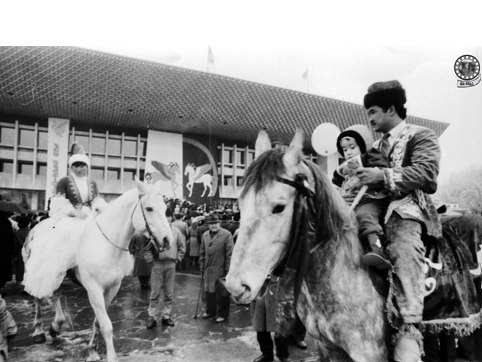
Spring solstice as an astronomical phenomenon was noticed by man in ancient times. It became associated with the rebirth of nature, the arrival of a new cycle. This cosmic phenomenon was especially honored in the cults of Indo-European tribes, ancient Slavs, and Celtic tribes. The holiday has taken its rightful place in the cultures of Central Asia - since ancient times it has been celebrated by Iranians, Afghans, Tajiks, Azerbaijanis, Uzbeks, Uighurs, Kyrgyz, and Kazakhs. It is worth noting that even Muslims in the region recognize the significance of the ancient holiday. Restoration of traditions With the advent of Soviet power, Nauryz was recognized as a relic of tribal rituals and banned. According to official sources, the ban was in effect from 1926 to 1987. In 1987, in the territory of the Kazakh Soviet Socialist Republic, which was part of the USSR, the holiday was resumed, albeit informally. This is evidenced by photos of springtime Almaty (then called Alma-Ata, the capital of the Union Republic). [caption id="attachment_30001" align="aligncenter" width="582"] The first celebration of Nauryz in Alma-Ata. Students of the Alma-Ata Zooveterinary Institute – participants of the theatrical performance. Alma-Ata 1987[/caption] [caption id="attachment_30002" align="aligncenter" width="530"] Horse racing at the Nauryz festival in the village of Narynkol. Alma-Ata region, 1988[/caption] [caption id="attachment_30003" align="aligncenter" width="538"] Participants and guests of the Nauryz holiday playing the Kazakh national game “Togyzkumalak”. Alma-Ata 1988[/caption] [caption id="attachment_30004" align="aligncenter" width="537"] A participant in an archery competition during the Nauryz holiday. Alma-Ata 1988[/caption] [caption id="attachment_30005" align="aligncenter" width="527"] Participants of the republican aitys dedicated to the celebration of the national holiday, Nauryz. Alma-Ata, 1988[/caption] [caption id="attachment_30006" align="aligncenter" width="428"] At the opening of the national holiday Nauryz. Alma-Ata, 1988[/caption] [caption id="attachment_30007" align="aligncenter" width="430"] "Altybakan" - national swing, installed by students of the Alma-Ata Pedagogical Institute of Foreign Languages for the Nauryz holiday. Alma-Ata, 1989[/caption] [caption id="attachment_30008" align="aligncenter" width="446"] People's Artist of the USSR Roza Baglanova (center foreground) with war veterans during the celebration of Nauryz. Alma-Ata region, Kegen district, 1989[/caption] Years of Independence In 1991 Nauryz in Kazakhstan gained official recognition. By the decree of the President of the Republic of Kazakhstan, the day of the vernal equinox - March 22 - was declared the day of the national spring holiday “Nauryz meiramy”. Ten years later - in 2001 - Nauryz became a public holiday and was included in the list of national holidays. Since 2009, three days have been set aside for its celebration in Kazakhstan, which were declared non-working days. This status has been maintained to this day. [caption id="attachment_30010" align="aligncenter" width="528"] Students performing national dances during the celebration of Nauryz at the Almaty branch of the St. Petersburg Humanitarian University of Trade Unions. Almaty, 2014[/caption] [caption id="attachment_30011" align="aligncenter" width="541"] Theatrical performance during the celebration of Nauryz. Almaty, 2018[/caption]

Cardiff University to Open New Campus in Kazakhstan

Cardiff University in Wales has announced plans to open a new campus in Astana, Kazakhstan’s capital, later this year. The move represents a major step in the university’s global expansion and underscores its commitment to providing world-class education in Central Asia. According to Kazakhstan’s Ministry of Science and Higher Education, Cardiff University Kazakhstan will begin offering programs in STEM (Science, Technology, Engineering, and Mathematics) and Business in 2025, with undergraduate programs to follow in 2026​. The Astana campus is being developed in partnership with the not-for-profit Public Foundation “Qualified Centre of Education” (QCEF). To ensure broad access, the Kazakh government has pledged to provide up to 500 fully funded scholarships over the first three years of the campus's operation. The initiative aims to make high-quality education accessible to talented students across Kazakhstan. Once fully operational, the campus is expected to accommodate more than 2,500 students annually, contributing to the development of a skilled workforce and supporting economic growth in the region. Cardiff University’s President and Vice-Chancellor, Professor Wendy Larner, said: “We are excited about the opportunities that the Cardiff University Kazakhstan campus will create. It is clear from our extensive discussions with the Kazakh government, investors, and other stakeholders that this initiative will be truly reciprocal and mutually beneficial.”

Tajik Entrepreneurs Return to Kyrgyz Markets

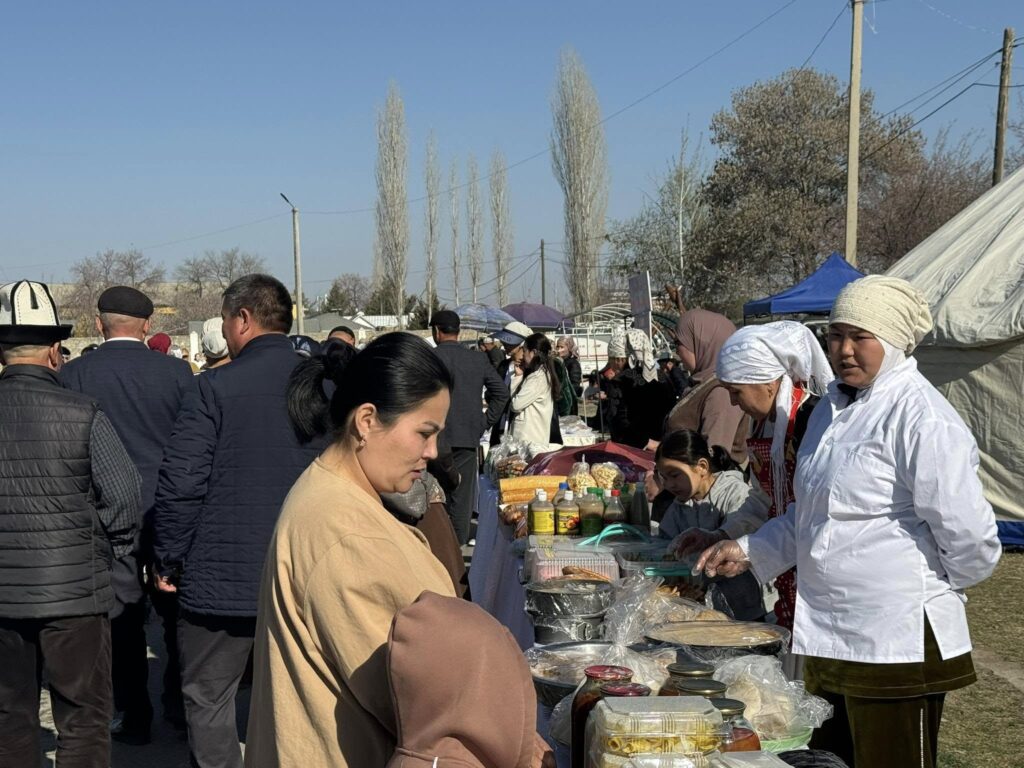
Following the reopening of the Kyrgyz-Tajik border, Tajik entrepreneurs have resumed visits to markets in Batken Oblast, Kyrgyzstan. Local media report that residents are welcoming the return of their southern neighbors​. Once a week, the market in Ak-Turpak village becomes a hub of activity, drawing sellers and buyers from across the region and neighboring countries. A major draw is Batken rice, which resellers purchase in bulk for export to Uzbekistan and Russia. According to local vendors, the market can sell up to 200 tons of rice on a busy day. Rice is cultivated across 3,000 hectares in this border region and remains a vital source of income for many farmers. With the border now open and economic ties restored, buyers from Isfara, Tajikistan, have begun frequenting the Ak-Turpak market, offering a welcome boost to Kyrgyz vendors. As previously reported by The Times of Central Asia, residents of Batken’s border districts also benefit from cross-border trade, often finding it more economical to purchase certain fruits and vegetables in Tajikistan than in Kyrgyzstan’s oblast centers. On March 13, 2025, following the signing of bilateral agreements, the Kairagach and Kyzyl-Bel border checkpoints in Batken Oblast officially reopened. According to Kyrgyzstan’s Border Guard Service, approximately 5,000 people crossed the Kyrgyz-Tajik border between March 13 and 17. An additional 500 individuals crossed by air. Prior to the agreement, all crossings had remained closed since 2021.