Opinion: The New Silk Road to the Sea – Connecting Central Asia to Karachi and Gwadar
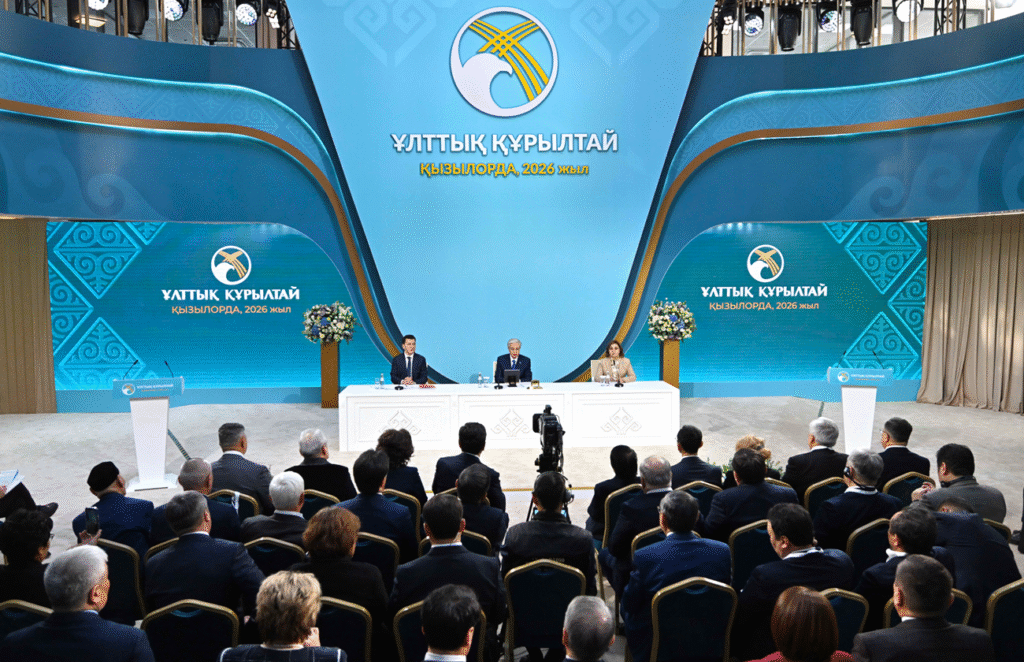
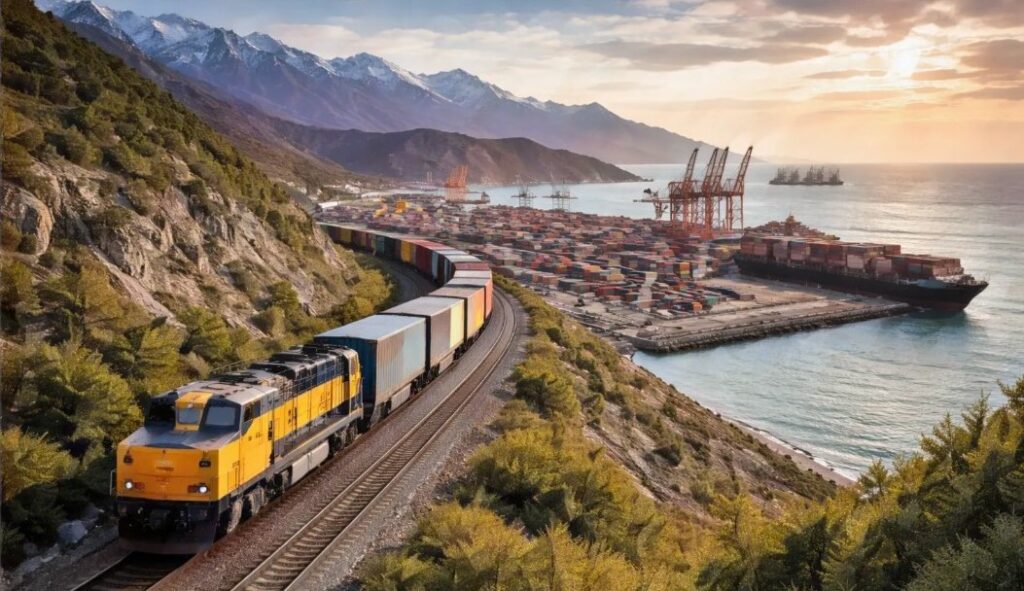
A historic shift is quietly but decisively reshaping the economic geography of Eurasia. On 5 February 2026, Pakistan and Kazakhstan agreed to elevate their bilateral relationship to a Strategic Partnership during the state visit of President Kassym-Jomart Tokayev to Pakistan— the first such visit by a Kazakh head of state in 23 years. This moment marked far more than a diplomatic renewal; it signaled a potential turning point in regional connectivity, one that could unlock long-suppressed economic potential across Central Asia and South Asia by overcoming longstanding geographical and logistical barriers. For decades, Central Asia’s landlocked status has imposed structural constraints on its economic growth. High transit costs, dependence on distant or politically sensitive routes, and extended distances to global markets have eroded competitiveness and limited diversification. These challenges were not the result of a lack of resources or ambition, but of geography itself. However, geography need no longer be destiny. Through strategic foresight—particularly under President Kassym-Jomart Tokayev—Kazakhstan and the wider Central Asian region have begun to convert constraint into opportunity by redefining connectivity. President Tokayev has consistently emphasized connectivity as the cornerstone of Kazakhstan’s long-term economic and strategic vision. During his engagements with Pakistan’s leadership, he demonstrated a clear understanding that sustainable prosperity for Central Asia depends on reliable, cost-effective access to warm-water ports. This conviction underpinned the decision to elevate Pakistan–Kazakhstan relations to a Strategic Partnership, recognizing Pakistan not merely as a bilateral partner, but as a gateway to global markets via the Arabian Sea. From a financial and logistical perspective, the implications are profound. Karachi and Gwadar are among the closest seaports to much of Central Asia, significantly closer than many traditional routes to global markets. Every additional kilometer of overland transit results in higher freight costs, longer delivery times, and reduced margins. By connecting Central Asia to Pakistani ports, Kazakhstan and its neighbors stand to substantially lower transportation costs, enhance export competitiveness, and attract greater foreign investment into manufacturing, mining, agriculture, and value-added industries. The most immediate and strategically sound connectivity model emerging from this partnership bypasses the troubled terrain of Afghanistan, long viewed as a chokepoint for regional trade. Under this framework, goods could move seamlessly from Karachi through Pakistan’s railway network to Haripur, then onward via the Karakoram Highway into China. From there, the cargo would seamlessly integrate with the China–Kazakhstan railway system through the established Dostyk–Alashankou corridor. This route is not theoretical; it builds on existing infrastructure, proven logistics, and political stability across all participating states. Financially, this corridor offers predictability—an essential ingredient for trade and investment. Reduced insurance premiums, fewer delays, and stable regulatory environments translate into lower transaction costs. For Central Asian exporters, particularly Kazakhstan, this means improved access to South Asian, Middle Eastern, and African markets. For Pakistan, it positions Karachi and Gwadar as indispensable nodes in Eurasian supply chains, generating port revenues, transit earnings, employment, and industrial growth. At the same time, Kazakhstan’s leadership has demonstrated pragmatic flexibility by supporting additional connectivity options. Regional discussions have included the possibility...