• KZT/USD = 0.00212
  • TJS/USD = 0.10810
  • UZS/USD = 0.00008
  • TMT/USD = 0.29760
  • KZT/USD = 0.00212
  • TJS/USD = 0.10810
  • UZS/USD = 0.00008
  • TMT/USD = 0.29760
  • KZT/USD = 0.00212
  • TJS/USD = 0.10810
  • UZS/USD = 0.00008
  • TMT/USD = 0.29760
  • KZT/USD = 0.00212
  • TJS/USD = 0.10810
  • UZS/USD = 0.00008
  • TMT/USD = 0.29760
  • KZT/USD = 0.00212
  • TJS/USD = 0.10810
  • UZS/USD = 0.00008
  • TMT/USD = 0.29760
  • KZT/USD = 0.00212
  • TJS/USD = 0.10810
  • UZS/USD = 0.00008
  • TMT/USD = 0.29760
  • KZT/USD = 0.00212
  • TJS/USD = 0.10810
  • UZS/USD = 0.00008
  • TMT/USD = 0.29760
  • KZT/USD = 0.00212
  • TJS/USD = 0.10810
  • UZS/USD = 0.00008
  • TMT/USD = 0.29760

Viewing results 13 - 18 of 738

Kazakhstan Launches QaJET Investment Platform for Just Energy Transition

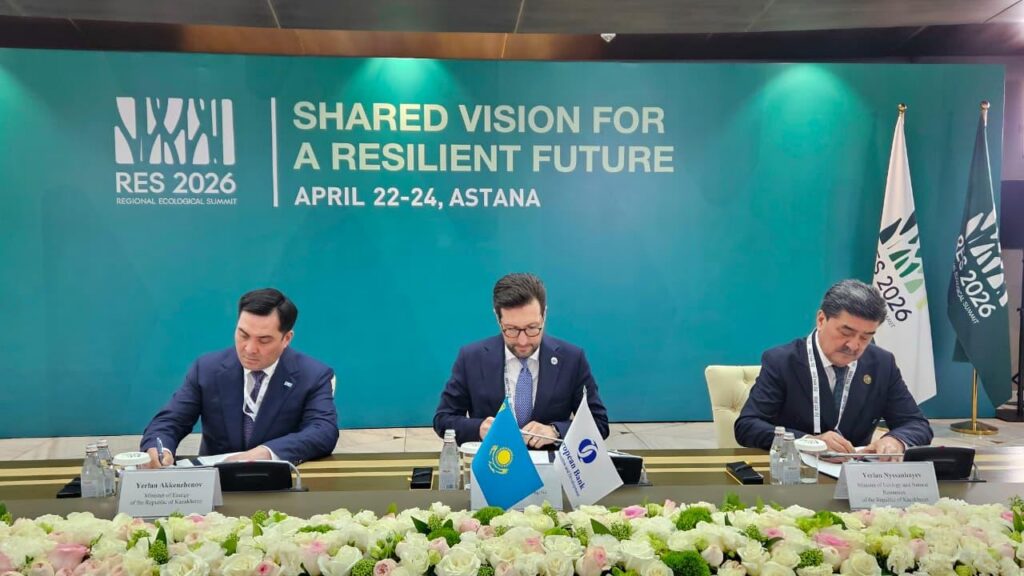
Kazakhstan has announced the launch of the QaJET (Just Energy Transition) investment platform, supported by the European Bank for Reconstruction and Development (EBRD), to attract international financing and accelerate the decarbonization of its economy. A corresponding memorandum was signed on April 23 during the Regional Environmental Summit in Astana. Signatories included Energy Minister Yerlan Akkenzhenov, Minister of Ecology and Natural Resources Yerlan Nysanbayev, and EBRD Managing Director for Central Asia and Mongolia Hüseyin Özhan. The QaJET platform reflects Kazakhstan’s ambition to accelerate the transition to clean energy through a large-scale expansion of renewable energy capacity. According to current plans, the country aims to commission 10 GW of new green capacity by 2035. According to EBRD estimates, achieving these targets will require approximately $20 billion in investment from both public and private sources. This is expected to reduce greenhouse gas emissions by more than 20 million tonnes annually, equivalent to roughly 7% of the country’s energy-related emissions. The creation of the platform is of strategic importance for Kazakhstan, whose economy remains highly carbon-intensive and heavily dependent on coal-fired power generation. At the request of the Kazakh government, the EBRD participated in developing the QaJET concept and will continue to coordinate its implementation with national and international partners. The platform is also intended to support Kazakhstan’s international climate commitments, including achieving carbon neutrality by 2060 and reducing greenhouse gas emissions by up to 25% by 2030 compared to 1990 levels. QaJET is expected not only to reduce emissions but also to strengthen energy security, enhance economic competitiveness, and promote the development of local high-tech manufacturing in the renewable energy sector. Key areas of cooperation within the platform include expanding renewable energy capacity, modernizing power grids and energy storage systems, electrifying businesses and households, and supporting a just transition, technology transfer, and the development of research and innovation capacity. Authorities expect QaJET to become the central mechanism for coordinating climate finance, bringing together international financial institutions, donors, private investors, and the government to accelerate Kazakhstan’s energy transition.
Kazakhstan Launches Grain-Based Fuel at Gas Stations

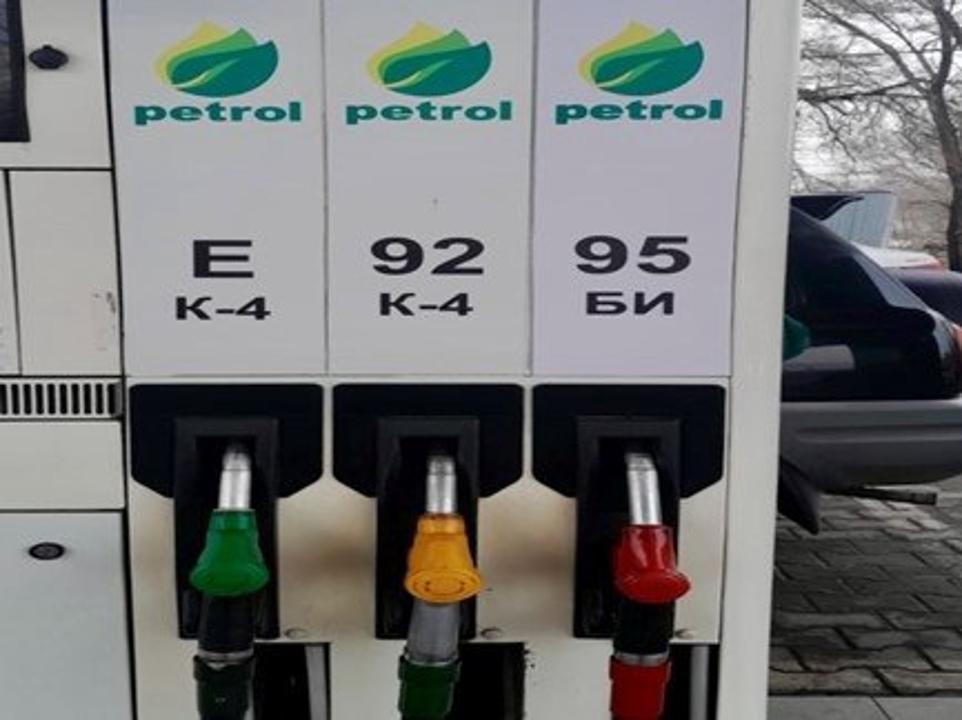
Gas stations in Kazakhstan have begun selling gasoline blended with bioethanol produced from grain. Fuel marketed under the BI-95 brand has been launched by the KazFoodProducts holding. It contains bioethanol derived from processed wheat, creating a full production cycle from agricultural raw materials to finished fuel. A key component of the production chain is the BioOperations facility in the North Kazakhstan Region, the country’s only deep grain-processing complex, where bioethanol is produced. The fuel is then blended and distributed to market by BioPetrolCompany. BI-95 is a gasoline blend containing between 5% and 10% bioethanol. According to the manufacturer, the fuel maintains standard performance characteristics, including octane rating, while offering improved environmental performance. Bioethanol is considered a carbon-neutral component because it is produced from renewable raw materials. Such fuels have been widely used in the European Union, the United States, and Japan for more than two decades. Kazakhstan is only beginning to adopt these technologies, although BioOperations has been exporting its products to EU and UK markets since 2022. According to the developers, the use of BI-95 does not require vehicle modifications and is compatible with existing gasoline engines. Tests have shown comparable power and torque performance to conventional fuel. The primary benefit lies in emissions reduction. According to the company, particulate matter emissions decrease by more than 70%, nitrogen oxides by 25%, and greenhouse gas emissions by 60-70% compared to AI-92 gasoline. The new fuel is already available at retail stations. According to project head Laura Bergibayeva, the launch is aimed not only at expanding the product range but also at reducing environmental impact, particularly in major cities such as Almaty, where air quality remains a pressing concern. The Times of Central Asia previously reported that scientists at Aktobe Regional University had developed a gas purification technology capable of significantly reducing dust and harmful substances in industrial emissions.

Political Analyst Karazhanov: Stability Is Central Asia’s Greatest Advantage

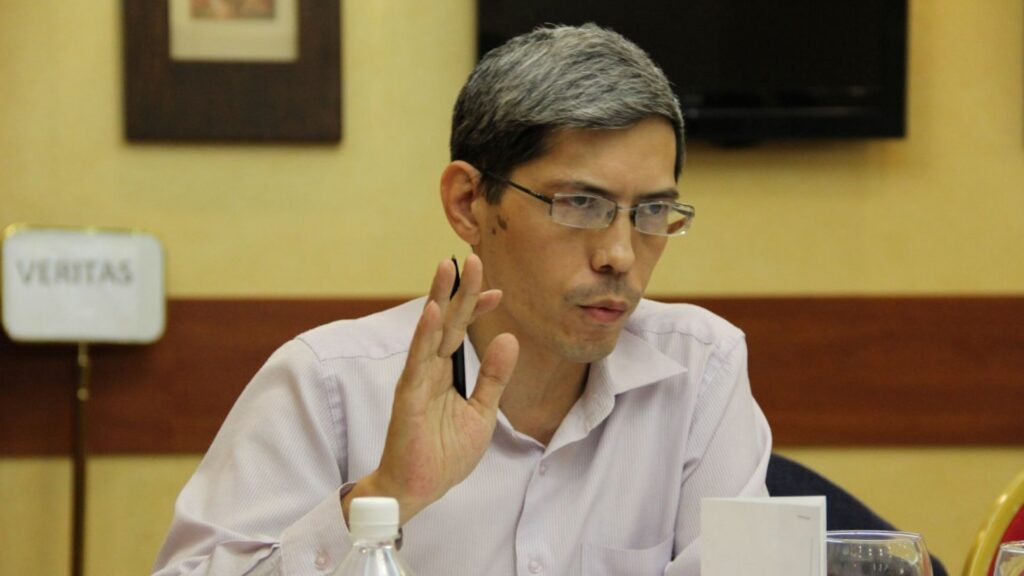
International events where Kazakhstan and Central Asia present their agenda and demonstrate the benefits of predictability bring significant advantages to the region. In an interview with The Times of Central Asia, Kazakh political analyst Zamir Karazhanov explains how the region is gradually changing its approach to addressing key challenges. According to Karazhanov, Kazakhstan and other Central Asian countries, particularly Uzbekistan, have recently begun positioning themselves on the international stage in a far more pragmatic and modern way. A prime example is the speech delivered on April 17 by Kazakhstan’s President, Kassym-Jomart Tokayev, at the Antalya Diplomacy Forum in Turkey. Observers noted that Tokayev outlined the role Kazakhstan is seeking to play in the evolving geopolitical landscape. The key message was that global governance is becoming less effective through traditional institutions, while the role of so-called “middle powers” is increasing. These countries may not define the global order on their own, but they are capable of promoting peaceful solutions, engaging in dialogue, and offering predictability. In addition, on April 22, Astana hosted the first Regional Environmental Summit (RES), which brought together around 1,500 participants from Central Asia, the European Union, the Shanghai Cooperation Organization, and the Middle East. The forum aimed to develop practical solutions to environmental and climate challenges facing both the Eurasia region and the wider world. During the discussions, representatives of Central Asian countries presented a realistic assessment of environmental issues and proposed a number of solutions. Environmental Threats Karazhanov noted that Kazakhstan has long faced difficult environmental conditions. “In addition to urban pollution, we have zones of ecological disaster, such as the Aral Sea. The country [Kazakhstan] hosts numerous extractive industries, and it is landlocked, located deep within the continent. Any environmental catastrophe here would have far more severe consequences than in countries without such constraints. Climate change is intensifying, temperatures are rising, and Central Asia is already experiencing acute water shortages. Without timely measures, the situation could become critical,” he said. According to him, Kazakhstan has long been dealing with environmental migration and has proactively begun building the necessary legal and social frameworks. Conflicts over water resources have already occurred in Central Asia. Karazhanov emphasized the importance of including representatives of countries that regulate the region’s water systems in the Astana forum. “This creates an opportunity for dialogue. Take the example of the two rivers that feed the Aral Sea, the Amu Darya and Syr Darya. At one point, Kyrgyzstan suspended its participation in the International Fund for Saving the Aral Sea because it felt its interests were constrained. It is essential to create a platform where all five countries in the region are satisfied with water distribution,” he said. He also highlighted Afghanistan as an increasingly important factor that has not been fully accounted for. As the country rebuilds after decades of conflict, its agriculture and other sectors will expand, increasing demand for water from transboundary rivers. “That is why the summit should be viewed in the broader context of regional development and good neighborly...

Kazakhstan Expands Accessible Transportation for People with Disabilities

Kazakhstan is expanding efforts to improve accessible transportation for people with disabilities. At a government meeting on April 21, Transport Minister Nurlan Sauranbaev reported on progress in implementing an inclusive policy in the transport sector. He said that, as part of the Inclusive Policy Concept for 2025-2030, Kazakhstan is taking measures to ensure accessibility across three key areas: infrastructure, transport, and services. In the rail sector, approximately 90% of trains have been equipped with lifts and compartments adapted for passengers with disabilities. By 2030, every train is expected to include at least one specialized carriage. Railway stations are being modernized to include essential accessibility features such as ramps and lifting devices. Ticket offices and restrooms are also being upgraded. Passengers with disabilities receive a 50% discount on train tickets, and online booking for specialized compartments is available. In 2025, around 580,000 passengers with disabilities traveled by rail in Kazakhstan. In aviation, accessibility is also improving. Ten airports, including those in Astana and Almaty, now operate 13 lifts for passengers with disabilities. A further five airports are expected to be equipped by the end of the year. In 2025, more than 9,000 passengers with disabilities traveled by air. In the road transport sector, 80% of bus stations and 79% of city buses now meet accessibility requirements. Kazakhstan is also continuing to develop the Invataxi project, which provides specially adapted minivans for passengers with limited mobility. The fleet has expanded by 30%, reaching 1,426 vehicles. Cities across the country are working to improve accessibility more broadly. Infrastructure is being adapted to meet modern standards, while businesses and public institutions are increasingly responding to the needs of people with disabilities by improving access to buildings and interior spaces. According to the Ministry of Labor and Social Protection, more than 29,500 social infrastructure facilities -- 68% of the total -- are now accessible to people with disabilities across Kazakhstan. By the end of 2026, this figure is expected to rise to over 34,000.

Researchers in Kazakhstan Develop Central Asia’s First Digital Food Atlas

Researchers at Nazarbayev University in Astana have unveiled Central Asia’s first digital food atlas, a tool designed to improve how diets in the region are measured and studied. The development is expected to strengthen research in public health and nutrition. Developed by the Central Asia Food Innovation Lab (CAFI Lab), the atlas addresses a long-standing gap in public health research: the lack of accurate, region-specific data on dietary habits. As the researchers note, even minor errors in estimating portion sizes can lead to significant distortions in calculating calorie and nutrient intake. Until now, specialists in Central Asia have largely relied on Western or East Asian dietary databases. However, the structure of the regional diet, characterized by high consumption of red meat, flour-based foods, and dairy products, limits the accuracy of such tools. [caption id="attachment_47557" align="alignnone" width="300"] @NU[/caption] The atlas introduces a standardized approach based on two previously developed regional datasets: the Central Asian Food Dataset (CAFD) and the Central Asian Food Scenes Dataset (CAFSD). It includes 115 items, ranging from traditional dishes such as beshbarmak, plov, and manty to commonly consumed foods such as pizza, cereals, and ice cream. Each item has been digitized under laboratory conditions with precisely measured portions, an essential factor for accurate dietary assessment. “This is not just a visual guide,” said Dr. Mei Yen Chan, assistant professor at the university's school of medicine. “It aligns with international standards and allows researchers in Central Asia to generate data that are globally comparable.” At the same time, the atlas represents only a first step. It does not directly calculate calorie content and requires an additional analytical layer. As the authors note, regional dishes vary widely in composition and preparation methods, while “hidden” components, such as fats, broths, and density, make precise assessment difficult. In theory, caloric value is calculated as the sum of the energy provided by all ingredients (e.g., 4 kcal per gram of protein and carbohydrates, and 9 kcal per gram of fat). In practice, however, accurate calculation would require weighing every ingredient, an approach rarely feasible in real-life settings. Visual atlases therefore serve as a practical compromise, helping estimate portion size and approximate calorie intake, albeit with some margin of error. Even AI-based systems still struggle to accurately analyze complex, multi-ingredient dishes. [caption id="attachment_47558" align="alignnone" width="300"] @NU[/caption] In this context, the project’s significance extends beyond calorie counting. By standardizing portion sizes, the atlas addresses a fundamental prerequisite for reliable dietary assessment and the advancement of digital nutrition technologies. Beyond research, the atlas supports the development of AI-driven health applications. The datasets are already being used to train machine learning models, including multi-task deep learning systems capable of recognizing dishes, estimating nutritional value, and supporting digital health tools from mobile applications to telemedicine platforms. The findings have been published in the international peer-reviewed journals Nutrients, IEEE Access, and Scientific Reports, and are available in open access. The research team is currently working to expand the project by incorporating detailed nutritional data and is seeking additional...

Kazakhstan’s Auto Industry Accelerates: Vehicle Output Up Nearly 37%

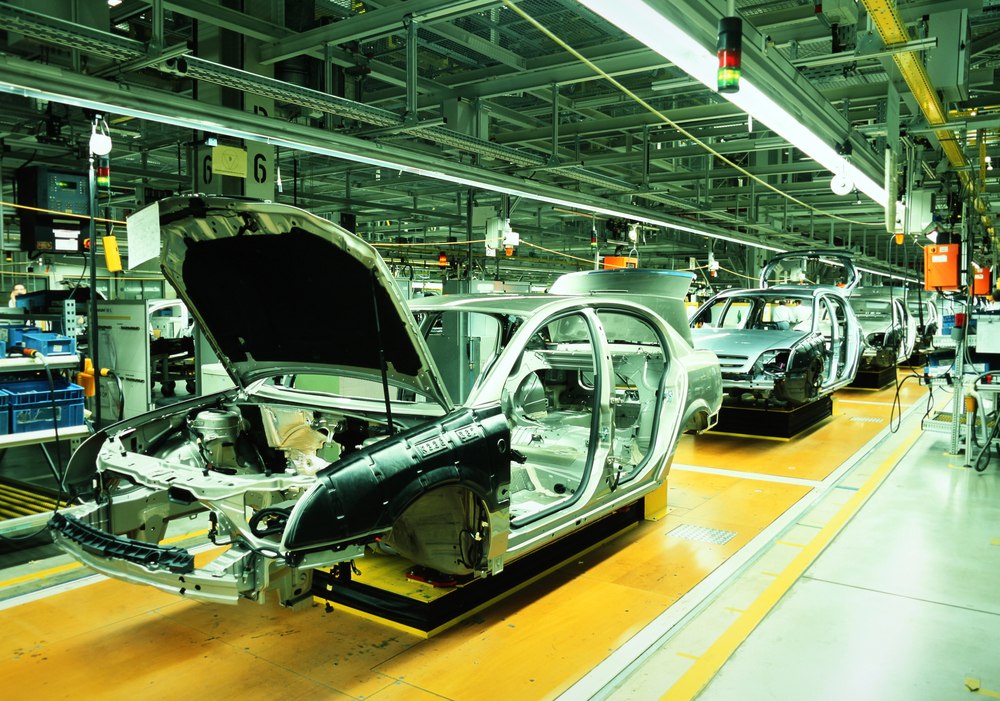
Vehicle production in Kazakhstan increased by 36.8% year-on-year in January-March 2026, according to data from the Kazakhstan Automobile Union (KAU). KAU reported that 45,260 units were produced in the first three months of the year, including passenger cars, trucks, trailers, and semi-trailers. In March alone, output reached 17,462 units, up 42.8% compared to the same month last year and 19.9% higher than in February. In value terms, total automotive output amounted to approximately $1.2 billion, representing a 27.5% increase year-on-year. The sector’s share of the overall machinery industry rose to 43.1%, up from 39.7% a year earlier. “Based on the results of the first three months, Kazakhstan’s auto industry is demonstrating steady growth,” said KAU President Anar Makasheva. “The continued strong performance in March confirms positive trends in the sector. Significant growth has also been recorded in the auto components segment: over three months, production of automotive parts and accessories reached 259.8 billion tenge, increasing fourfold compared to the same period last year. Manufacturers will continue to accelerate growth in this segment.” Passenger cars continue to account for the largest share of output. During the reporting period, 42,115 units were produced, up 37.9% year-on-year. Truck production reached 1,380 units (+16.7%), buses totaled 750 units (+73.2%), and trailers and semi-trailers reached 904 units (+21%). Output of special-purpose vehicles declined to 111 units. The Kostanay-based Allur plant remained the industry leader, producing 14,234 vehicles. Astana Motors Manufacturing Kazakhstan in Almaty produced 12,778 units, while Hyundai Trans Kazakhstan manufactured 10,755 vehicles. The Kia Qazaqstan plant produced 4,640 units. Other manufacturers include QazTehna (806 units), SemAZ (627 trucks), Hyundai Trans Almaty (196 units), Daewoo Bus Kazakhstan (148 units), and KAMAZ-Engineering (135 units). Among the most popular brands produced in Kazakhstan were Hyundai (10,725 vehicles), Chevrolet (8,341), Kia (5,084), Changan (4,102), Haval (4,099), Chery (3,744), Jetour (2,250), Geely Galaxy (1,388), JAC (979), and Tank (833). The increase in output continues last year’s trend, when Kazakhstan set a record by producing more than 171,000 vehicles in 2025.