• KGS/USD = 0.01144 0%
  • KZT/USD = 0.00212 0%
  • TJS/USD = 0.10432 0%
  • UZS/USD = 0.00008 0%
  • TMT/USD = 0.28490 0%
  • KGS/USD = 0.01144 0%
  • KZT/USD = 0.00212 0%
  • TJS/USD = 0.10432 0%
  • UZS/USD = 0.00008 0%
  • TMT/USD = 0.28490 0%
  • KGS/USD = 0.01144 0%
  • KZT/USD = 0.00212 0%
  • TJS/USD = 0.10432 0%
  • UZS/USD = 0.00008 0%
  • TMT/USD = 0.28490 0%
  • KGS/USD = 0.01144 0%
  • KZT/USD = 0.00212 0%
  • TJS/USD = 0.10432 0%
  • UZS/USD = 0.00008 0%
  • TMT/USD = 0.28490 0%
  • KGS/USD = 0.01144 0%
  • KZT/USD = 0.00212 0%
  • TJS/USD = 0.10432 0%
  • UZS/USD = 0.00008 0%
  • TMT/USD = 0.28490 0%
  • KGS/USD = 0.01144 0%
  • KZT/USD = 0.00212 0%
  • TJS/USD = 0.10432 0%
  • UZS/USD = 0.00008 0%
  • TMT/USD = 0.28490 0%
  • KGS/USD = 0.01144 0%
  • KZT/USD = 0.00212 0%
  • TJS/USD = 0.10432 0%
  • UZS/USD = 0.00008 0%
  • TMT/USD = 0.28490 0%
  • KGS/USD = 0.01144 0%
  • KZT/USD = 0.00212 0%
  • TJS/USD = 0.10432 0%
  • UZS/USD = 0.00008 0%
  • TMT/USD = 0.28490 0%

Viewing results 37 - 42 of 919

Kyrgyzstan to Install Electric Vehicle Charging Stations in Key Tourist Region

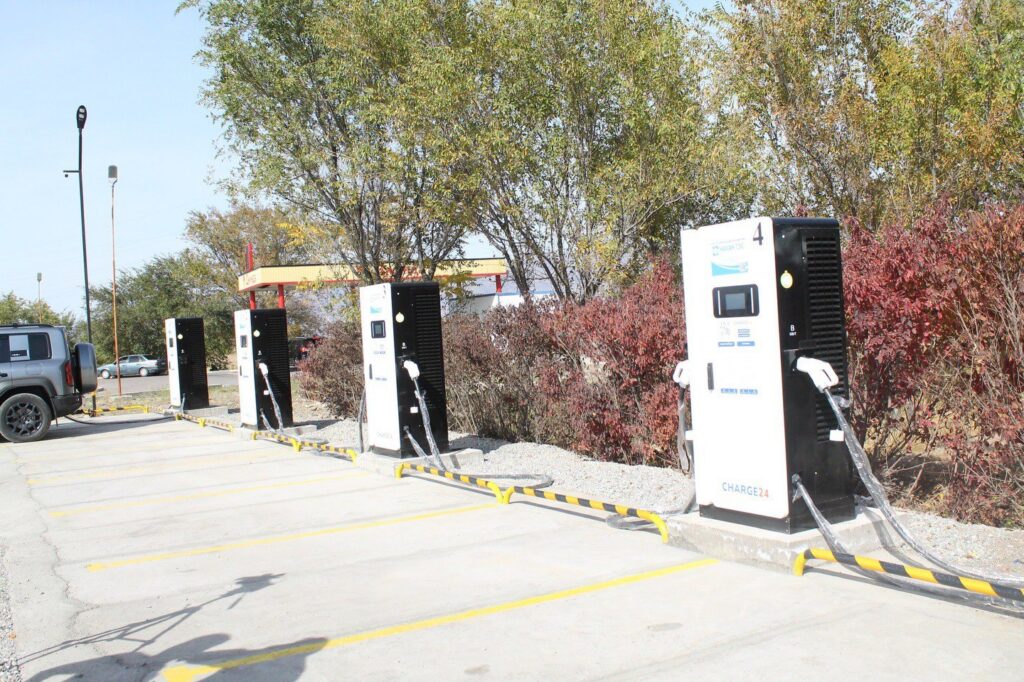
State-owned Chakan GES OJSC will install 10 electric vehicle (EV) charging stations across the Issyk-Kul region, Kyrgyzstan’s primary tourist destination, and home to Lake Issyk-Kul and the country’s largest mountain ski resort in Karakol. The initiative is being implemented with support from the Ministry of Energy as part of ongoing efforts to promote environmentally friendly transportation and enhance tourism and transport infrastructure in the region. The new stations will be located in Karakol, the administrative center of the Issyk-Kul region (2 stations); Cholpon-Ata, the main resort hub (2); Balykchy (2); and the villages of Bokonbaevo (1), Kyzyl-Suu (1), and Tyup (2). All are scheduled to begin operations later this year. The number of electric vehicles in Kyrgyzstan is steadily rising. According to First Deputy Prime Minister Daniyar Amangeldiev, more than 200 EVs are imported into the country daily under a VAT exemption scheme. As a member of the Eurasian Economic Union (EAEU), Kyrgyzstan has an annual quota allowing for the duty-free import of up to 15,000 electric vehicles. Despite this growth, EVs still make up a small share of the national vehicle fleet. According to Minister of Natural Resources, Ecology, and Technical Supervision Meder Mashiev, Kyrgyzstan had over 1.9 million registered vehicles as of early 2026, a 13% increase from 2024. Of these, 972,000 run on gasoline, 339,000 on diesel, 56,900 on gas, and 37,000 are hybrids. Electric vehicles account for just 0.8% of the total, or approximately 15,200 units. The government is also advancing plans to localize EV assembly as part of its broader strategy to expand eco-friendly transport options and combat air pollution, particularly in cities like Bishkek. In June 2025, the Ministry of Economy and Commerce signed a memorandum of understanding with South Korean firms EVSIS, NGS, and the Korea Automobile Environment Association. The agreement focuses on developing EV charging infrastructure in Bishkek. As The Times of Central Asia previously reported, South Korean partners also intend to launch production of EV charging stations in Kyrgyzstan, aiming to establish local manufacturing and create a nationwide charging network across major cities and regions.
Kyrgyzstan Launches e-Permit System for Freight Transport to China and Turkic States

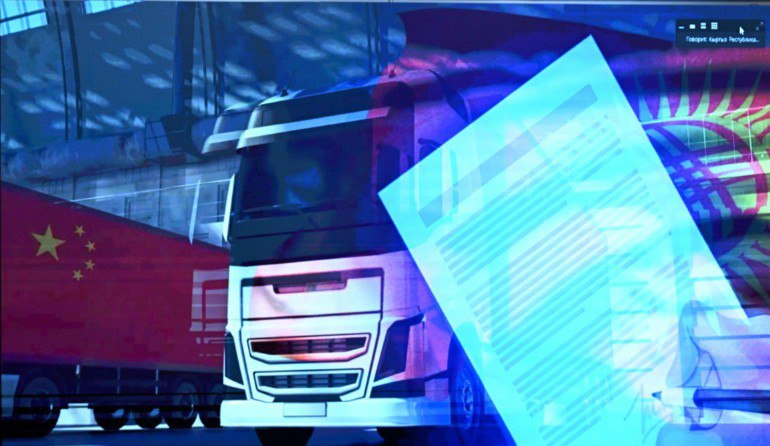
Kyrgyzstan has launched a new digital system for international freight transport, replacing paper permits with an electronic platform for cross-border trucking to China and several Turkic states. The Ministry of Transport and Communications introduced the e-Permit system in January 2026, allowing domestic carriers to obtain permits online for shipments to China, Uzbekistan, Azerbaijan, and Turkey. Previously, Kyrgyzstan and China operated under a fixed annual quota of paper permits exchanged on a parity basis; 130,000 permits were issued in 2025 alone. The digital platform eliminates in-person applications, significantly reducing queues and administrative burden. According to the ministry, the new system has cut processing times from up to 24 hours to just 10 minutes. Officials say it enhances transparency, improves administrative efficiency, and helps reduce the risk of corruption. Regional Logistics Strategy The launch of e-Permit is part of Kyrgyzstan’s broader effort to position itself as a regional logistics hub. Authorities view streamlined cross-border transport procedures as essential to boosting trade, especially as the country expands its economic ties with neighboring and Turkic states. Integration with TRACECA The e-Permit rollout follows Kyrgyzstan’s December 2025 accession to the multilateral permit system of the Transport Corridor Europe-Caucasus-Asia (TRACECA). Membership in TRACECA allows Kyrgyz carriers to conduct bilateral and transit shipments using a single multilateral permit across participating countries, including Armenia, Georgia, Moldova, Romania, Turkey, and Ukraine. Officials say the integration will lower transport costs, reduce delivery times, and facilitate broader access for Kyrgyz exports to European, Turkish, and Black Sea markets.

Where Motherhood Meets Innovation: The Kyrgyz Startup Mama Space

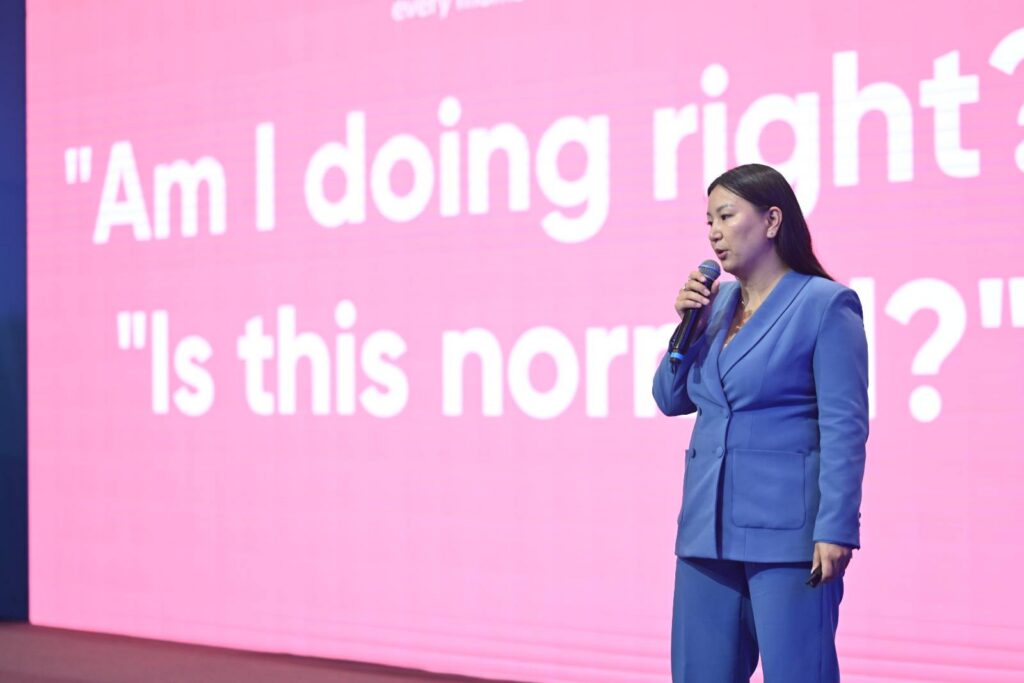
Female tech founders face a lot more challenges globally, and Kyrgyzstan's startup ecosystem is unfortunately no exception. Being a nascent stage ecosystem makes things even worse: according to IFC, in emerging markets, only 11% of seed funding goes to startups with women on their founding team. Despite such significant barriers, there is a generation of female founders with global ambitions. One of them is Gulnaza Khalmanbetova, who is using technology to make pregnancy and motherhood more peaceful. Mama Space provides an ecosystem for pregnancy and motherhood. Its pregnancy tracker covers every stage, providing an entire library of up-to-date, medically approved articles and educational videos. An AI chatbot can answer questions about pregnancy with evidence-based knowledge. And there is a loyal online community where every mother can find support and understanding. “It was my second experience of pregnancy that prompted me to create the app. My second pregnancy was complicated and could have ended in tragedy. During one of the surgeries, in the fifth month of pregnancy, I promised myself that if everything went well for me and my unborn son, I would do everything possible to ensure that every mother could find support and not be left alone with her problems. This is how the idea of Mama Space was born — a platform designed so that every woman can go through the stages of motherhood with reliable informational support,” recalled Gulnaza Khalmanbetova, CEO and Founder of Mama Space. [caption id="attachment_43418" align="aligncenter" width="1600"] All images provided by Mama Space[/caption] In December 2025, during the Digital Startup Awards in Tashkent, Mama Space was named “Best Women-Founded Startup” -- one of the many awards Mama Space has collected so far. Khalmanbetova had previously had a successful career in the international development sector. Those organising, optimizing, and networking skills came in handy when entering the unpredictable path of a startup founder, with an aim to help women who are planning a pregnancy, are currently pregnant, or have recently given birth. One of the sources of ideas for startup founders is trying to solve problems they face themselves. This was exactly the case with Mama Space. During her first pregnancy, which brought anxiety and difficulties with finding proper information, Khalmanbetova was inspired to organise a community of mothers with an event to celebrate pregnancy and motherhood. She named the event Mama Fest, which now brings together hundreds of women to celebrate motherhood.  Mama Space is a textbook example of a successful launch. The MVP -- the minimal viable product -- was ready in three months, despite the fact that Khalmanbetova and her team still had their full-time jobs. And Khalmanbetova, traditionally for startup founders, has to wear a number of hats and utilise all her skills, from programming and business development to graphic design and running social media. Given that the product is directly related to health, the startup relies on science and professional doctors. Mama Space partners with the Kyrgyz Association of Obstetricians, Gynecologists, and Neonatologists. In June 2024, Mama Space won the 'Unicorn...

B5+1 Forum Opens as U.S. Companies Expand Economic Footprint in Central Asia

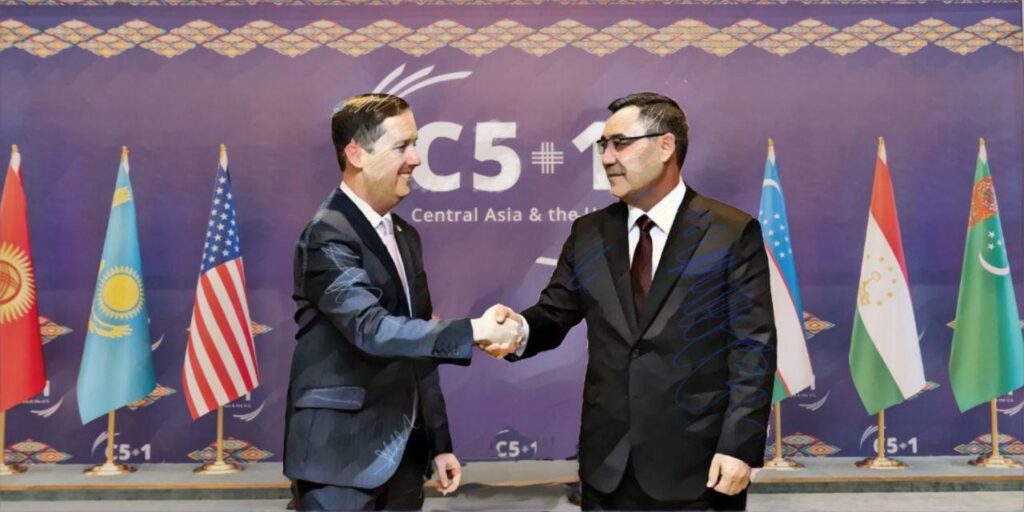
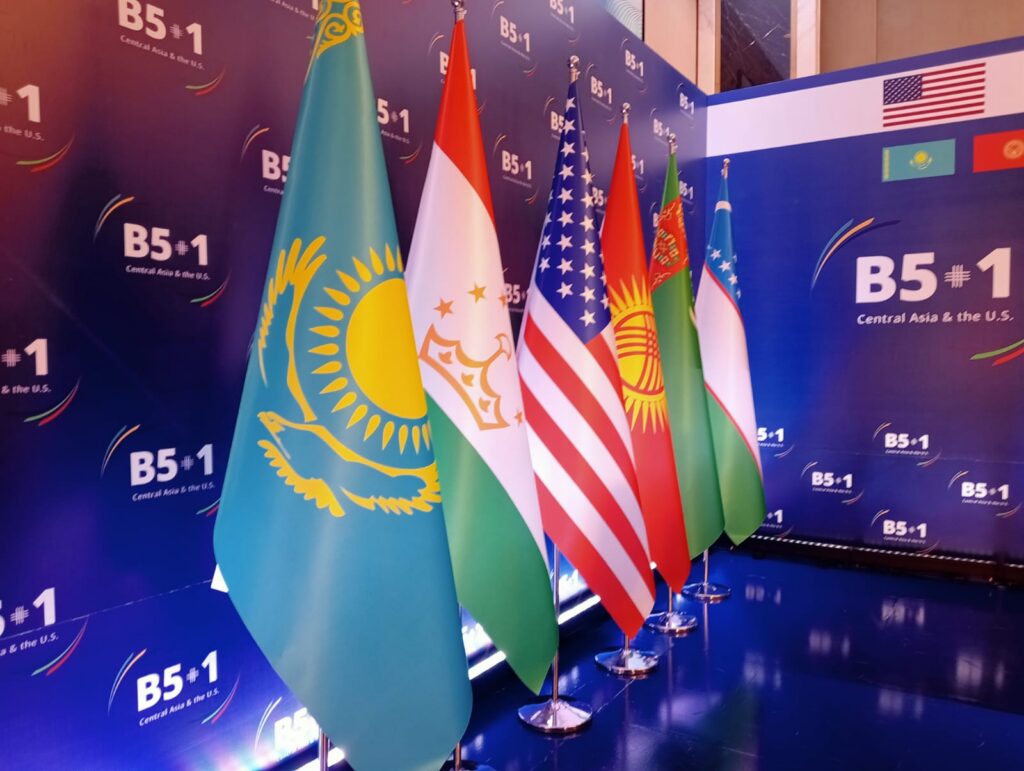
Business leaders and government officials from Central Asia and the United States gathered in Kyrgyzstan’s capital on February 4 for the start of the second B5+1 Business Forum. Co-organized by the Kyrgyz government and the Center for International Private Enterprise (CIPE), the event is intended to bring together private companies, business associations, officials, and experts interested in expanding U.S.–Central Asia commercial ties. More than 50 U.S. companies are participating in the event. The B5+1 is the business-track counterpart to the C5+1 diplomatic format that links the United States with Kazakhstan, Kyrgyzstan, Tajikistan, Turkmenistan, and Uzbekistan. The B5+1 brings companies and policymakers together to identify barriers to investment and propose cross-border regulatory changes. This week’s meeting in Bishkek follows the inaugural B5+1 forum held in Almaty on March 14–15, 2024, which drew more than 250 stakeholders from across Central Asia and the United States. It produced 21 private-sector recommendations aimed at easing trade, improving regulations, and building regional economic integration. The Bishkek agenda is built around reviewing progress on those recommendations and setting priorities for the next phase of work. Central Asian officials have used the event to signal interest in region-wide coordination rather than country-by-country deals. In comments made in Bishkek, Kazakhstan’s Minister of Industry and Construction, Ersaiyn Nagaspaev, emphasized that foreign investors increasingly assess Central Asia as a single market, reflecting a push to align regulations and investment conditions across borders. Nagaspaev noted that more than 600 U.S. companies currently operate in Kazakhstan. Kyrgyzstan, meanwhile, used the forum to highlight domestic economic performance within that regional context. In a speech at the forum, Kyrgyzstan’s First Deputy Chairman of the Cabinet of Ministers, Daniyar Amangeldiev, said Kyrgyzstan’s economy grew by 11.1% in 2025, which he described as one of the highest growth rates in the region. Addressing the forum, U.S. Special Envoy for South and Central Asia Sergio Gor stated that the United States intends to expand its economic engagement with Central Asia. “The private sector, not intergovernmental agreements, will become the key instrument of interaction," he told those in attendance, identifying electronic commerce, artificial intelligence, critical minerals, agriculture, and transport infrastructure as priority areas. Gor noted that the American companies present at the forum represent the largest and most comprehensive U.S. commercial delegation ever to visit Central Asia. The U.S. recognizes the importance of Central Asia in global trade and connectivity, he stated. "The United States is open for business. We're open for peace. We're opening to strengthen our ties around the world. So that’s why it's fitting that the first C5 event in 2026 is this B5 + 1 forum,” Gor said, linking the Bishkek discussions to economic commitments made at the C5+1 summit in Washington in November 2025. “The Transport Corridor for Peace and Prosperity will provide reliable connectivity from Central Asia through the South Caucasus to global markets,” Gor said. “This is a historic opportunity to strengthen economic integration and long-term prosperity across the region.” During his visit to Bishkek, Gor also met with Kyrgyz President...

B5+1 in Bishkek: Business at the Center of Regional Integration Strategy

A two-day B5+1 business forum is underway in Bishkek, bringing together government officials from Central Asian countries, regional business leaders, and a U.S. delegation. Once viewed as a business extension of the C5+1 diplomatic dialogue, participants now describe the format as evolving into an independent and pragmatic economic platform. The forum is organized by the Center for International Private Enterprise (CIPE), in cooperation with the Cabinet of Ministers of Kyrgyzstan, under the IBECA program supported by the U.S. Department of State. A defining feature of this year’s forum is the size and prominence of the U.S. business delegation. More than 50 representatives from major corporations, which, according to official documents, include Boeing, GE Healthcare, Nasdaq, Abbott, Pfizer, Honeywell, Coca-Cola Company, Mastercard, FedEx, Apple, Wabtec, and Franklin Templeton, have convened in Bishkek. Discussions are structured around panel sessions and working groups focusing on key sectors: transport and logistics, agriculture, e-commerce, information technology, and critical mineral extraction. U.S. Special Envoy for South and Central Asia Sergio Gor stated he has arrived in Bishkek with a “clear message from Donald Trump.” He emphasized that Central Asia is among the top foreign policy priorities of the current U.S. administration. At a press conference, Gor underlined a strategic shift away from traditional intergovernmental agreements toward support for private enterprise and the development of commercially viable projects. “The U.S. government is ready to expand its tools for supporting investment cooperation, and today's discussion is only the first step toward further joint development,” he said. Focus on Regional Connectivity Transport infrastructure and regional connectivity were major themes on the opening day of the forum. Gor highlighted the U.S.-backed TRIPP initiative, which aims to establish a transport corridor through the South Caucasus linking Central Asia to Western markets. He argued that expanding alternative trade routes would support deeper economic integration within the region and boost its position in global trade networks. Forum participants echoed this sentiment, stressing that major international investors are increasingly evaluating Central Asia not as isolated national markets but as a single economic space. Representatives from Central Asian governments noted that the region’s aggregated potential, in logistics, natural resources, and consumer demand, is what attracts large multinationals. Kazakhstan’s Minister of Industry, Yersayin Nagaspayev, said over 600 American companies are currently operating in Kazakhstan, with many managing regional operations from within the country. “Our shared goal is to position Central Asia as a reliable, competitive, and attractive region for long-term business cooperation,” he stated. Redefining the Role of Business in Governance Kyrgyzstan’s Minister of Economy, Bakyt Sydykov, emphasized that the B5+1 platform is reshaping the nature of business-state interaction. “Today, business is not just a participant in the process, but a full-fledged co-author of economic reforms,” he said. He noted that the working groups had proposed recommendations in line with Kyrgyzstan’s ongoing reform agenda. These include reducing administrative barriers, digitizing public services, and improving access to finance for small and medium-sized enterprises. Toward a New Geopolitical Self-Image The forum in Bishkek also reflected a broader regional...

Italian Firm Explores Waste Recycling Projects in Kyrgyzstan

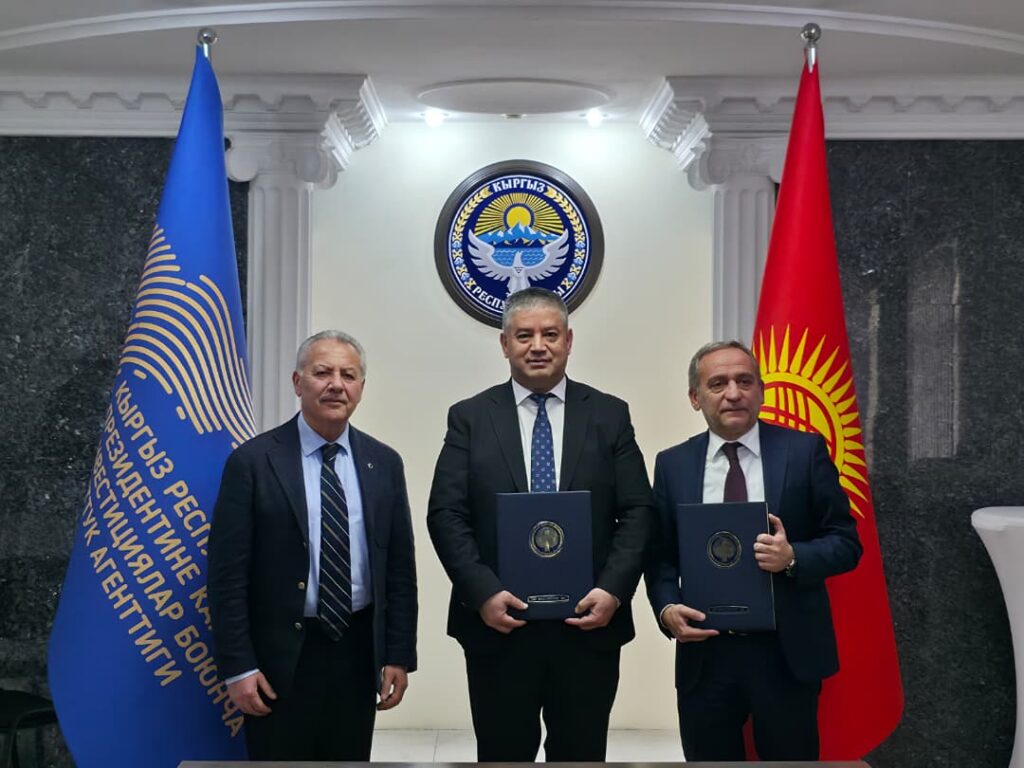
On February 2, the National Investment Agency under the President of the Kyrgyz Republic hosted representatives from Italian company TRITOR S.R.L., a firm known for its environmentally friendly waste recycling technologies, to discuss potential pilot projects in Kyrgyzstan. The meeting brought together officials from Kyrgyz municipal governments and the Ministry of Health to explore investment opportunities focused on processing municipal solid waste and medical waste. Participants also discussed candidate locations for future recycling facilities. Following the talks, the parties signed a memorandum of cooperation outlining several pilot initiatives. These include the processing of up to 200 tons of unsorted household waste per day, the supply of alternative environmentally friendly fuels to local cement plants, the introduction of modern technologies for landfill reclamation and cleanup, and the development of medical waste recycling systems in public healthcare institutions. Ravshanbek Sabirov, head of the National Investment Agency, underscored the importance of such initiatives for the country. “The problem of waste recycling is particularly acute today, and Kyrgyzstan is interested in implementing modern, environmentally friendly technologies. We value not just ideas but working solutions that can be adapted to local conditions. We are open to cooperation and ready to support such projects at all stages of implementation,” he said. The initiative reflects Kyrgyzstan’s broader push to tackle growing volumes of household and industrial waste through the adoption of advanced, sustainable recycling technologies.