• KGS/USD = 0.01144 0%
  • KZT/USD = 0.00209 0%
  • TJS/USD = 0.10438 0%
  • UZS/USD = 0.00008 0%
  • TMT/USD = 0.28490 0%
  • KGS/USD = 0.01144 0%
  • KZT/USD = 0.00209 0%
  • TJS/USD = 0.10438 0%
  • UZS/USD = 0.00008 0%
  • TMT/USD = 0.28490 0%
  • KGS/USD = 0.01144 0%
  • KZT/USD = 0.00209 0%
  • TJS/USD = 0.10438 0%
  • UZS/USD = 0.00008 0%
  • TMT/USD = 0.28490 0%
  • KGS/USD = 0.01144 0%
  • KZT/USD = 0.00209 0%
  • TJS/USD = 0.10438 0%
  • UZS/USD = 0.00008 0%
  • TMT/USD = 0.28490 0%
  • KGS/USD = 0.01144 0%
  • KZT/USD = 0.00209 0%
  • TJS/USD = 0.10438 0%
  • UZS/USD = 0.00008 0%
  • TMT/USD = 0.28490 0%
  • KGS/USD = 0.01144 0%
  • KZT/USD = 0.00209 0%
  • TJS/USD = 0.10438 0%
  • UZS/USD = 0.00008 0%
  • TMT/USD = 0.28490 0%
  • KGS/USD = 0.01144 0%
  • KZT/USD = 0.00209 0%
  • TJS/USD = 0.10438 0%
  • UZS/USD = 0.00008 0%
  • TMT/USD = 0.28490 0%
  • KGS/USD = 0.01144 0%
  • KZT/USD = 0.00209 0%
  • TJS/USD = 0.10438 0%
  • UZS/USD = 0.00008 0%
  • TMT/USD = 0.28490 0%

Viewing results 49 - 54 of 919

Kyrgyzstan’s Fishing Industry Goes Digital

Kyrgyzstan is launching a large-scale digital transformation of its fishing industry. The Ministry of Agriculture has announced the rollout of several new electronic services, including online fishing permits, a unified digital registry of fishing waters, and a fish traceability system. According to the ministry, the Department of Fisheries is implementing a suite of digital platforms aimed at enhancing transparency and convenience for entrepreneurs in the aquaculture sector. A new electronic fishing permit system is already in place for recreational anglers. Permits can be purchased through the Ministry of Agriculture’s official website, with payments processed via QR code. To streamline the process, the ministry has released a step-by-step video tutorial on social media, intended to simplify access and reduce informal transactions. In parallel, an automated information system has been launched, including a unified electronic register of fishery water bodies and registered fishery entities. “An automated information system has been developed, a unified electronic register of fishery water bodies and fishery entities, which is now operational. With it, entrepreneurs can access state services from the Department of the Fishing Industry in electronic format,” the ministry’s press service stated. A key component of the digitalization effort is the development of a fish and fish product traceability system. This initiative is designed to ensure compliance with veterinary and sanitary standards and to boost the export potential of products labeled “Made in Kyrgyzstan.” By the end of 2025, Kyrgyzstan’s commercial fish production reached approximately 19,500 tons. The Chui region led the country in output, producing 12,800 tons.

Canadian Silvercorp to Develop Major Gold Deposits in Kyrgyzstan

A Canadian mining company is set to develop two of the largest undeveloped gold deposits in western Kyrgyzstan’s Tien Shan gold belt. Silvercorp Metals Inc., a diversified producer of silver, gold, lead, and zinc, announced it has signed a Share Purchase Agreement with Chaarat Gold Holdings Limited, along with a Cooperation Agreement with the National Investment Agency under the President of the Kyrgyz Republic. Under the agreements, Silvercorp will acquire a 70% stake in Chaarat ZAAV CJSC for $162 million. Chaarat ZAAV holds the mining license for the fully permitted Tulkubash and Kyzyltash gold deposits, covering approximately 7 square kilometers, as well as exploration licenses spanning an additional 27.42 square kilometers, which include the Karator and Ishakuld gold zones. Silvercorp has also signed a Share Purchase and Shareholders Agreement with Kyrgyzaltyn, the state-owned gold company. Upon completion, ZAAV will become a joint venture between Silvercorp and Kyrgyzaltyn, with the Canadian firm maintaining a 70% stake and serving as the operator. As part of the deal, the Kyrgyz government will waive its pre-emptive rights and extend the mining license through June 25, 2062, enhancing long-term investment stability. Located about 490 kilometers southwest of Bishkek, the Tulkubash and Kyzyltash projects will be developed in two phases. Phase One (2026-2028) will focus on the Tulkubash deposit. Silvercorp plans to invest around $150 million to construct an open-pit mine with a processing capacity of 4 million tons of ore annually. Commercial production is expected between 2027 and 2028, with annual output estimated at 110,000 ounces of gold over an initial mine life of three to four years. If the Karator exploration license is converted to a mining license in 2026, this phase could be extended by at least two more years. Phase Two (2028-2031) will develop the Kyzyltash sulfide deposit. This stage is expected to require about $400 million in investment and will include both open-pit and underground operations with a capacity of 3-4 million tons per year. Once fully operational from 2031, Kyzyltash is projected to produce between 190,000 and 230,000 ounces of gold annually for more than 18 years. The antimony-gold mineralization at the site was first discovered by Soviet geologists in the 1970s. Since 2002, Chaarat Gold has invested approximately $174 million in exploration, technical studies, and infrastructure, including roads, camps, and support facilities. Silvercorp becomes the second Canadian mining firm to operate in Kyrgyzstan, following Centerra Gold’s development of the Kumtor mine in the Issyk-Kul region. Kumtor was nationalized in 2021, and in August 2022, Kumtor Gold Company was designated a 100% state-owned enterprise. At a ceremony marking the launch of underground mining at Kumtor in August 2025, President Sadyr Japarov stated that Kyrgyzstan had received only $100 million in dividends during 28 years of foreign management, compared to $441 million paid to the state in the three years following nationalization. The Silvercorp transaction marks one of the largest foreign mining investments in Kyrgyzstan since the Kumtor nationalization and is seen as a key test of the country’s ability to...

Kyrgyzstan to Continue Electricity Imports in 2026 to Cover Power Deficit

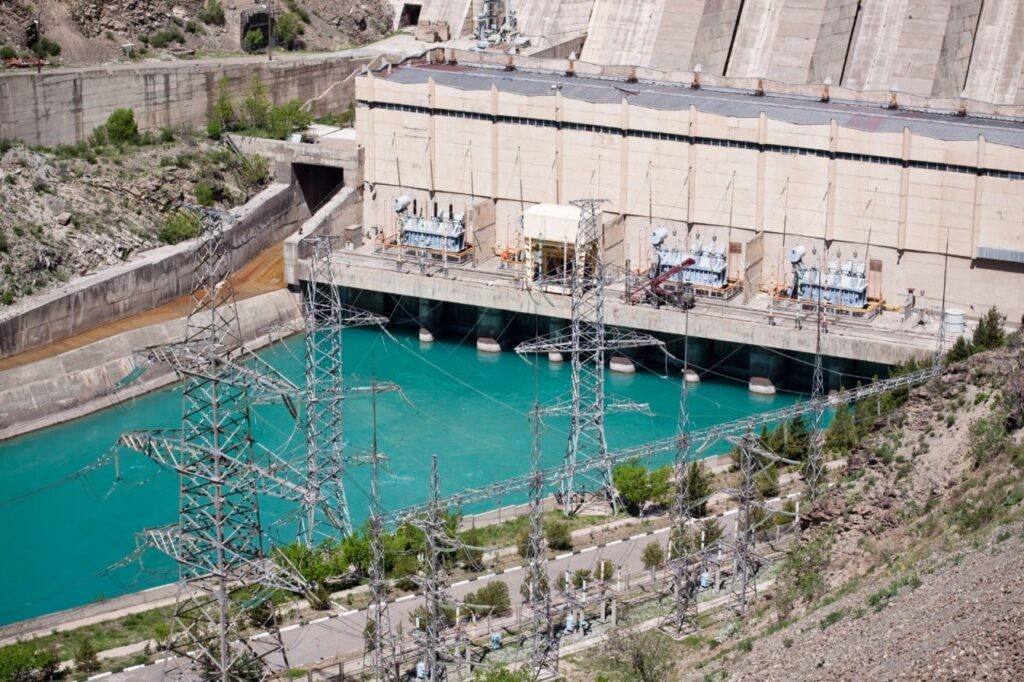
Kyrgyzstan’s Cabinet of Ministers has confirmed that the country will continue importing electricity in 2026 to compensate for a persistent shortfall in domestic power generation, Deputy Energy Minister Altynbek Rysbekov said during a meeting of a parliamentary committee. According to Rysbekov, Kyrgyzstan currently produces around 14.5 billion kilowatt-hours of electricity per year, while overall demand exceeds domestic supply by approximately 4.5 billion kilowatt-hours. To bridge the gap, the country imported about 4.3 billion kilowatt-hours of electricity in 2025, and officials expect similar volumes will be required next year. Rysbekov said electricity imports remain necessary to meet consumption needs, particularly during periods of peak demand. Electricity is sold to households at a socially regulated tariff that does not fully reflect production and import costs, with the difference absorbed by the national power company, NENK, placing a continued strain on the utility’s finances. The deputy minister acknowledged that reliance on imported electricity reflects deeper structural challenges in Kyrgyzstan’s energy sector. The country remains heavily dependent on hydropower, with the Toktogul Hydroelectric Power Station alone supplying about 40% of the country’s electricity, leaving generation vulnerable to fluctuating water levels at major reservoirs. Reduced inflows and steadily rising domestic consumption have contributed to recurring electricity shortages in recent years. Officials said the government’s medium- and long-term strategy is aimed at reducing dependence on electricity imports by expanding domestic generation capacity and diversifying energy sources. Rysbekov noted that efforts are underway to attract investment into renewable energy projects, including wind and solar power, alongside upgrades to existing infrastructure. The Energy Ministry has previously said that increasing non-hydropower generation is essential to improving energy security and reducing seasonal risks, particularly during dry years. However, officials have cautioned that new capacity will take time to come online, making electricity imports unavoidable in the near term. Kyrgyzstan has relied on electricity imports from neighboring countries during periods of deficit for much of the past decade, a pattern authorities say will continue until long-standing imbalances between supply and demand in the energy sector are addressed.

Kyrgyzstan Increases Excise Taxes on Alcohol and Sweetened Beverages

The Kyrgyz Cabinet of Ministers has approved a rise in excise tax rates on alcoholic beverages and sugar-containing drinks, including children's juices, as part of a broader phased tax reform strategy According to the State Tax Service (STS), the adjustments are part of a long-term initiative that will continue incrementally through the end of the decade. The excise tax on vodka and spirits has increased from approximately $1.8 to $2.2 per liter, with an additional annual increase of about $0.2 expected in the coming years. Rates for other alcoholic beverages have also been revised: Wine: increased by approximately $0.05 per liter (now around $0.2) Cognac: increased by about $0.4 per liter (now about $1.6) Beer: increased by roughly $0.03 per liter (now approximately $0.2) The tax agency highlighted that the changes are being implemented gradually to mitigate potential inflationary effects on retail prices. Officials stated that the reform has a social dimension, aiming to curb consumption of products deemed harmful to public health. In the first 11 months of last year, Kyrgyzstan collected approximately $228.5 million in excise tax revenues. Of that total, around $55 million came from domestically produced goods, including $38.8 million from alcohol sales. New Tax Introduced on Sugar-Containing Beverages The reform also introduces an excise tax on sugar-containing beverages for the first time, including products previously classified as baby food. Previously, such items were exempt, leading to regulatory loopholes. The STS explained that some manufacturers registered sweetened beverages as baby food to avoid excise duties, creating unfair competition in the market. To close this gap, all sugar-containing beverages, including children’s juices, will now be taxed at a minimum rate of about $0.03 per liter. Given the typically small packaging sizes, authorities estimate the retail price increase per unit will be modest, approximately $0.01. The reform reflects a growing regional trend of leveraging fiscal policy to discourage unhealthy consumption habits while generating revenue for public spending.

Central Asia Trade with China Tops Record $100 Billion in 2025

Trade between China and Central Asia increased to a record of more than $100 billion in 2025, despite challenges to global economic growth, the Chinese government said on Monday.  Citing data from China’s General Administration of Customs, Foreign Ministry spokesman Guo Jiakun said the trade structure with the Central Asian nations of Kazakhstan, Kyrgyzstan, Tajikistan, Turkmenistan and Uzbekistan had improved and that more high-end products were entering the Chinese market from the region.   “As global economic growth remains sluggish and the international trading system faces serious challenges, the economic and trade cooperation between China and Central Asian countries has withstood external headwinds, and the trade volume surpassed US$100 billion,” Guo said.  He attributed the increasing cooperation in part to a China-Central Asia summit in Astana, Kazakhstan last year that was attended by Chinese President Xi Jinping and the five Central Asian leaders.  China’s Belt and Road initiatives, which include the development of trade routes that pass through Central Asia and link up with Europe, are also making progress, according to the Chinese official.  Total trade between China and Central Asia was $106.3 billion in 2025, an increase of 12 percent over the previous year, China’s state-run Xinhua news agency reported. Chinese exports such as machinery, electronics and high-tech goods were $71.2 billion, an increase of 11 percent over the previous year. Imports from Central Asia amounted to $35.1 billion, a rise of 14 percent from 2024. China is involved in major projects in Central Asia, including the extraction of minerals used for “clean” technology, equipment manufacturing and the modernization of agriculture. China imports oil and natural gas as well as a growing number of other products from the region.  Russia was once the main trading partner of Central Asia after the fall of the Soviet Union, but China has the lead position now. The United States is also seeking to develop more trade with resource-rich Central Asia, which is diversifying its international partnerships.     

Kyrgyzstan’s Rail Freight Turnover Emerges from Years of Stagnation

Kyrgyzstan’s rail transport sector is showing sustained growth after years of stagnation. By the end of 2025, the state-owned railway operator Kyrgyz Temir Zholu reported transporting 10 million tons of cargo, the highest volume in the company’s history. Just a few years ago, the country’s annual rail freight volume hovered around 7 million tons. The turning point came in 2022, and by 2024, the figure had already reached 9.2 million tons. Surpassing the 10 million ton milestone in 2025 has further solidified the sector’s recovery. Kyrgyz Temir Zholu acknowledged that prior to 2022, the national railway industry was largely unprofitable and in urgent need of systemic modernization. Early reforms focused not on major infrastructure projects but on managerial and institutional restructuring. “The main focus was on digitalizing processes, minimizing human error, preventing corruption, reducing costs, revising regulatory frameworks, and modernizing repair facilities and railway infrastructure,” the company stated. International partnerships have also played a key role in revitalizing the sector. Under its development strategy, Kyrgyzstan opened additional multimodal transport corridors between China and Europe, significantly enhancing the country’s transit potential. Despite its growth, Kyrgyzstan’s railway network remains one of the most compact in the region. It spans just 425 kilometers and includes 28 operational stations, divided into two geographically isolated segments: north and south. The northern section, 323.4 kilometers long, connects Rybachye station (in Balykchy) with Turksib in Kazakhstan and serves as a vital corridor for freight headed to Russia and other members of the Eurasian Economic Union. The southern section, 101 kilometers in length, links Kyrgyzstan with Uzbekistan’s rail network. “Both sections serve strategically important roles by ensuring Kyrgyzstan’s integration with regional transport systems and facilitating international trade,” Kyrgyz Temir Zholu noted. The growth in freight turnover has been accompanied by an ongoing digital transformation. A key milestone was the development and implementation of the Unified Transport Process Model software system, which consolidates every stage of freight transport, from planning to execution, into a single digital platform. Further momentum is expected from the construction of the China-Kyrgyzstan-Uzbekistan railway, which is already underway. Authorities view the project as a long-term catalyst for boosting Kyrgyzstan’s transit capacity and strengthening its role in Eurasian logistics chains.