• KGS/USD = 0.01144 0%
  • KZT/USD = 0.00216 0%
  • TJS/USD = 0.10663 0%
  • UZS/USD = 0.00008 0%
  • TMT/USD = 0.28530 0%
  • KGS/USD = 0.01144 0%
  • KZT/USD = 0.00216 0%
  • TJS/USD = 0.10663 0%
  • UZS/USD = 0.00008 0%
  • TMT/USD = 0.28530 0%
  • KGS/USD = 0.01144 0%
  • KZT/USD = 0.00216 0%
  • TJS/USD = 0.10663 0%
  • UZS/USD = 0.00008 0%
  • TMT/USD = 0.28530 0%
  • KGS/USD = 0.01144 0%
  • KZT/USD = 0.00216 0%
  • TJS/USD = 0.10663 0%
  • UZS/USD = 0.00008 0%
  • TMT/USD = 0.28530 0%
  • KGS/USD = 0.01144 0%
  • KZT/USD = 0.00216 0%
  • TJS/USD = 0.10663 0%
  • UZS/USD = 0.00008 0%
  • TMT/USD = 0.28530 0%
  • KGS/USD = 0.01144 0%
  • KZT/USD = 0.00216 0%
  • TJS/USD = 0.10663 0%
  • UZS/USD = 0.00008 0%
  • TMT/USD = 0.28530 0%
  • KGS/USD = 0.01144 0%
  • KZT/USD = 0.00216 0%
  • TJS/USD = 0.10663 0%
  • UZS/USD = 0.00008 0%
  • TMT/USD = 0.28530 0%
  • KGS/USD = 0.01144 0%
  • KZT/USD = 0.00216 0%
  • TJS/USD = 0.10663 0%
  • UZS/USD = 0.00008 0%
  • TMT/USD = 0.28530 0%

Viewing results 13 - 18 of 763

Rosatom to Neutralize Hazardous Chemical Waste at Plant in Kyrgyzstan

Rosatom is set to begin work to eliminate hazardous chemicals stockpiled at the Kristall plant in Tash-Kumyr, in Kyrgyzstan’s Jalal-Abad region. The Kristall plant, built in 1989 as a key facility of the Soviet electronics industry to produce polycrystalline silicon, has since become a high-risk environmental site. Hazardous chemical waste accumulated on its premises poses a threat to both the environment and public health. The plant has been bankrupt since 2010. The site contains 49 tanks holding a total of 155 tons of hazardous chemical residues, including trichlorosilane and silicon tetrachloride. In October 2024, Rosatom conducted a technical audit of the facility, revealing the deteriorated condition of the storage tanks. Prolonged inactivity has left the aging infrastructure in poor shape, increasing the risk of structural failure and depressurization. On April 14, in Bishkek, Rosatom and the Kyrgyz Ministry of Emergency Situations discussed technological solutions for neutralizing the chemicals. According to Rosatom, the first phase of the cleanup is scheduled for completion by the end of 2026. This stage will focus on bringing the chemical storage tanks to a safe condition. It also involves the installation of a dual emergency protection system and the introduction of independent environmental monitoring. The proposed neutralization methods have been approved by the Kyrgyz Ministry of Natural Resources, Ecology, and Technical Supervision. By the end of 2026, Rosatom aims to eliminate the risk of leaks and uncontrolled emissions by stabilizing the tanks and ensuring safe conditions for further handling of the hazardous substances. In 2027, the project will enter its second phase, focusing on the on-site neutralization of the chemicals as the preferred solution. Kyrgyz Emergency Situations Minister Kanatbek Chynybayev said the situation at the Kristall plant remains environmentally challenging and requires a comprehensive response. “Our primary objective is to eliminate potential health risks to residents of Tash-Kumyr and lift the state of emergency in the area. Rosatom’s expertise has been engaged to address this issue. As part of this collaboration, a technological strategy has been developed that will allow the threats to be neutralized within the specified timeframe and return the site to a safe condition,” he said.

Kyrgyzstan Accelerates Small Hydropower Construction to Achieve Energy Independence

Kyrgyzstan plans to significantly expand its hydropower capacity by commissioning new hydroelectric power plants with a combined capacity of 81 megawatts and expected annual generation of 348.3 million kWh, according to the Ministry of Energy. The largest number of new facilities will be built in Chuy region, where four plants are planned. At the same time, projects will be implemented across all regions of the country. Individual plant capacity will range from 1.5 to 9 MW, with the largest developments concentrated in Chuy and Issyk-Kul regions, with total capacities of 39.5 MW and 21 MW, respectively. The ministry noted that between 2021 and 2025, 27 small plants with a combined capacity of 109.8 MW were commissioned, generating around 427 million kWh annually. Over the next four years, authorities plan to continue expanding the sector by launching an additional 48 hydropower plants with a total capacity of 421 MW. The government views the development of small hydropower as a key element of its strategy to achieve energy independence and shift from electricity imports to exports. Energy Minister Taalaibek Ibraev emphasized that the country has significant hydropower potential. “We have substantial hydropower potential. There is an opportunity to generate 142 billion kWh. Today, we are using about 13-14 percent of this. As you can see, development is underway across the country. Many new hydropower plants are currently under construction, and we are also modernizing existing plants using new technologies,” Ibraev told The Times of Central Asia. The minister stressed that the expansion of small plants is linked to the goal of eliminating energy shortages and ending rolling blackouts during the winter period. According to Ibraev, Kyrgyzstan is adopting modern technologies for small hydropower construction from partners in Russia and European countries. Investors from Russia, Southern Europe, and Canada have also expressed interest in the country’s energy sector, including solar and wind projects. “Currently, much of the equipment for the energy sector is purchased from Russia. During our last meeting with Russian energy specialists, we agreed to procure equipment directly from manufacturers, without intermediaries,” the minister said. He added that such arrangements are expected to reduce the cost of constructing new hydropower plants.

Central Asia’s Climate Risks Could Cost Up to 130% of GDP by 2080

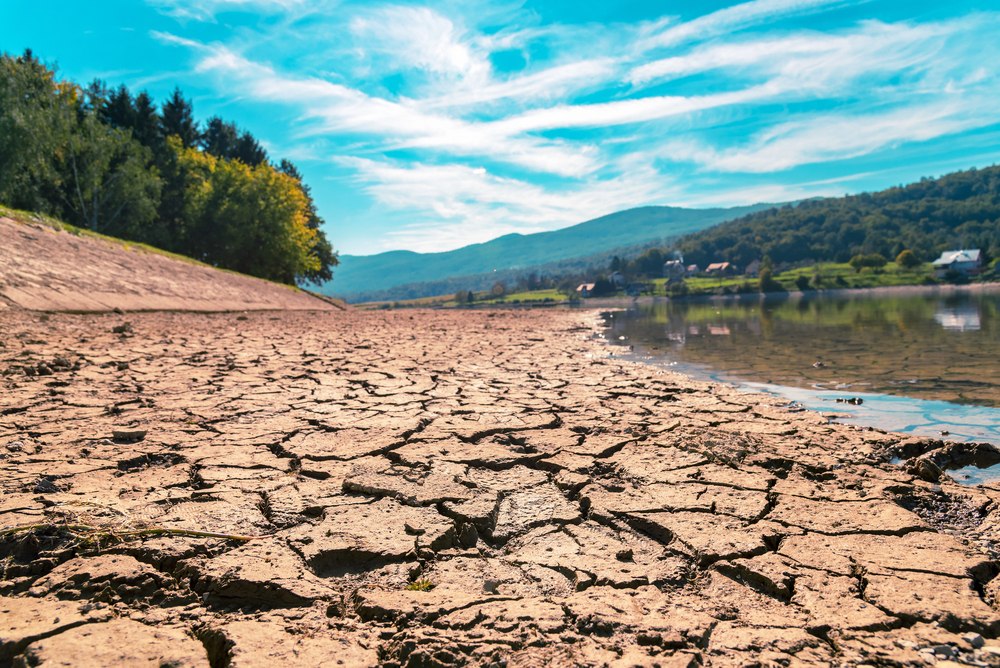
By 2080, climate change is expected to have a profound impact on the economies of Central Asian countries, with potential losses ranging from 20% to 130% of GDP. The most severe effects are projected for mountainous nations. These estimates were presented at a CAREC technology forum by Iskandar Abdullaev, a senior research fellow at the International Water Management Institute in Uzbekistan. According to Abdullaev, climate change is no longer solely an environmental issue but an increasingly significant economic factor. Key risks include droughts and water scarcity, floods, heatwaves, and glacier melt. The projected economic impact varies across the region. Tajikistan could face losses of between 80% and 130% of GDP, Kyrgyzstan 70% to 120%, Kazakhstan 40% to 80%, Uzbekistan 30% to 45%, and Turkmenistan 20% to 60%. Abdullaev emphasized that mountainous countries – Tajikistan and Kyrgyzstan – are particularly vulnerable, as climate change directly affects water resources. Glacier melt reduces river flows, creating challenges for both energy production and water supply. Droughts and extreme heat are already placing pressure on agriculture, with declining crop yields and reduced pasture productivity. Without adaptation measures, the region’s long-term sustainability could be at risk. Experts stress that mitigation and adaptation efforts are essential to reduce these risks. These include modernizing irrigation systems, adopting climate-resilient agricultural technologies, and expanding renewable energy capacity. This is not the only warning. According to the World Bank, natural disasters are already causing significant economic damage in Central Asia.  Losses from extreme events, including floods and earthquakes, can reach up to 6% of GDP, with earthquakes alone accounting for up to $2 billion in damages. At the same time, countries in the region face substantial financing gaps following major disasters. In Tajikistan, this gap could reach up to $1.5 billion. Experts warn that climate change is likely to intensify these risks, further increasing the economic burden on the region.

IMF Warns of Risks for Rapidly Growing Kyrgyz Economy

Kyrgyzstan continues to record strong economic growth and rising per capita income. At the same time, elevated inflation above the National Bank’s 5%-7% target range, rapid credit expansion, strong wage growth, and high liquidity point to signs of economic overheating, requiring timely macroeconomic policy adjustments. These are the key points of an International Monetary Fund (IMF) statement following consultations with Kyrgyz authorities in Bishkek between March 18 and April 1. The IMF noted that after recording fiscal surpluses between 2023 and 2025, the overall fiscal balance is projected to shift into deficit in 2026, reflecting higher public-sector wages and increased capital spending. The mission also emphasized that monetary policy should remain focused on bringing inflation back within the National Bank’s target range. Strengthening the central bank’s independence and governance remains critical to safeguarding price stability. Repeated transfers of National Bank profits to the state budget, while capital remains below statutory thresholds, risk undermining institutional credibility and the effectiveness of monetary policy. The IMF urged the authorities to uphold the provisions of the constitutional law governing the National Bank and to suspend regular profit transfers until capital is adequately restored. According to the IMF, Kyrgyzstan’s banking sector is stable, well capitalized, and liquid. However, nonperforming loans remain elevated, and rapid credit growth could increase vulnerabilities if macroeconomic conditions deteriorate. The mission stressed that structural reforms remain essential to support sustainable and inclusive growth. These should focus on strengthening governance, reducing the state’s role in the economy, and fostering private-sector-led development. Key priorities include reforming state-owned enterprises, improving the business environment and competition, strengthening the rule of law and anti-corruption efforts, and addressing informality and labor market rigidities. According to the National Statistical Committee, Kyrgyzstan’s gross domestic product (GDP) grew by 11.1% in 2025, while inflation reached 9.4%. The government aims to sustain economic growth under the National Development Program through 2030, targeting average annual GDP growth of 8%, total GDP of at least $30 billion, and GDP per capita of $4,500. The Asian Development Bank (ADB) also forecasts continued strong growth, projecting GDP expansion of 8.9% in 2026 and 8.4% in 2027, following 11.1% growth in 2025. Growth is expected to moderate as construction and trade normalize, although domestic demand will remain the main driver, supported by resilient remittance inflows and sustained investment under the National Development Program. ADB projects inflation to rise to 10.3% in 2026 before easing to 8.5% in 2027, driven by strong domestic demand and planned increases in electricity and heating tariffs. Concerns about overheating are not new. A July 2025 meeting at the Kyrgyz Ministry of Economy and Commerce highlighted structural imbalances, including a widening gap between income growth and labor productivity, rising inflation, labor shortages, increased public spending, and rapid growth in consumer lending. Economist Azamat Akeneev told 24.kg that sustainable growth is not possible without improvements in labor productivity and exports. “If the economy grows through consumption and government spending rather than competitiveness and expansion into foreign markets, sooner or later an adjustment phase...

Meeting of the Organization of Turkic States Held in Baku

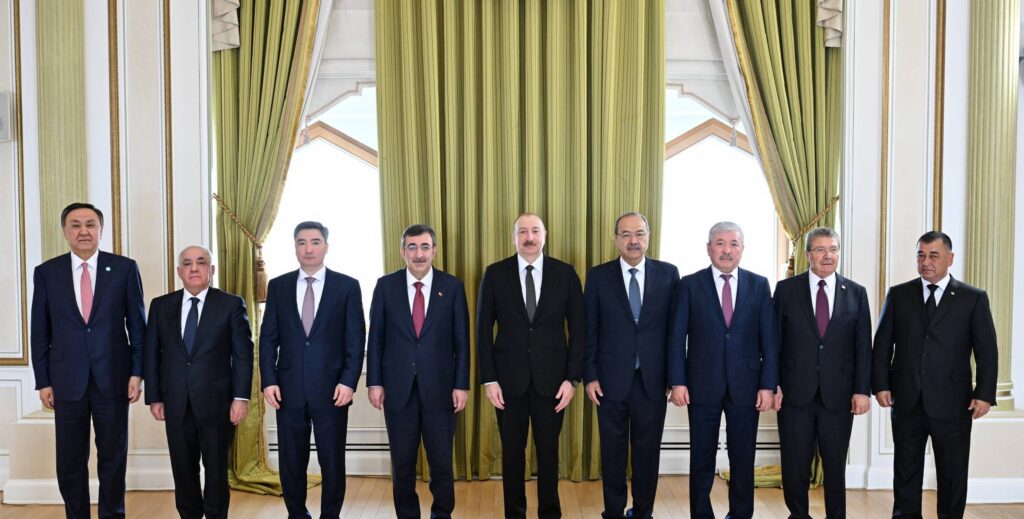
On April 2, Azerbaijani President Ilham Aliyev met with participants of a meeting of the heads of government of the Organization of Turkic States (OTS) in Baku, outlining key areas of cooperation. Among those attending were Turkish Vice President Cevdet Yılmaz, Uzbek Prime Minister Abdulla Aripov, Kazakh Prime Minister Olzhas Bektenov, Kyrgyz Prime Minister Adylbek Kasymaliev, Deputy Chairman of the Cabinet of Ministers of Turkmenistan Nokerguly Atagulyev, Prime Minister of the Turkish Republic of Northern Cyprus Unal Ustel, and OTS Secretary General Kubanychbek Omuraliev. Opening the meeting, Aliyev stressed the importance of dialogue. “This meeting of the heads of government of the Organization of Turkic States is being held in Baku. I warmly welcome you all,” he said. According to Aliyev, such meetings allow not only for the discussion of economic issues but also for reaffirming unity among member states. He noted that cooperation within the organization remains a priority of Azerbaijan’s foreign policy. He also reiterated a key message that ran throughout his speech: “We have repeatedly stated from various platforms that the Turkic world is our family; we have no other family,” Aliyev said. Special attention was devoted to economic cooperation. According to the president, trade between member states is growing, and investment volumes are increasing. He noted that Azerbaijan has invested more than $20 billion in the economies of OTS member states. Most of this has been directed to Turkey, though investment activity is expanding elsewhere. In particular, joint funds have been established with Uzbekistan, Kazakhstan, and Kyrgyzstan to support project implementation. Aliyev also thanked partners for their participation in the reconstruction of Karabakh. Facilities built with the support of OTS countries are already operational in the region, including the Mirza Ulugbek School, the Kurmangazy Children’s Creative Center, and the Manas School. In addition, a garment factory has been opened in Khankendi with the participation of Uzbekistan. He also highlighted mutual support among member states. Following the earthquake in Turkey, Azerbaijan financed the construction of the “Azerbaijani Quarter” in Kahramanmaraş, valued at $100 million. Transport and logistics projects were another key topic. According to the president, infrastructure development remains a top priority. These include the Middle Corridor, the Trans-Caspian route, and the Zangezur Corridor, all of which are gaining importance in the current geopolitical environment. Aliyev said that infrastructure within Azerbaijan is largely complete. Railways, the Baku port, highways, and airports are operational. Construction of the Zangezur Corridor is also progressing, with the highway nearly 90% complete and the railway approximately 70% complete. He also noted the construction of the Kars-Nakhchivan railway line in Turkey, which is expected to enable a new international route with an initial capacity of about 15 million tons of cargo. In conclusion, Aliyev said these projects are aimed not only at serving regional interests but also at expanding international transport connectivity. He expressed confidence that the meeting would contribute to the further development of the OTS and strengthen cooperation among member states.

Kyrgyzstan to Install 300,000 Smart Electricity Meters Purchased from China

Kyrgyzstan’s Ministry of Energy has signed a contract with Shenzhen Kaifa Technology for the purchase of 300,000 smart electricity meters for the National Electric Network in 2026, according to the ministry. Negotiations are also underway for an additional 90,000 units. The National Electric Network of Kyrgyzstan has introduced an automated electricity control and metering system that has helped strengthen financial discipline in the energy sector. As of the end of 2025, 500,100 smart meters had been installed across the country, bringing the total number of installed meters to more than 923,000. This has improved metering accuracy and reduced electricity losses from 11.7% to 10.6%. Smart meters offer several advantages. They enable automatic data transmission, with readings sent to a central server in real time, eliminating the need for manual inspections. They also allow for remote control: electricity supply can be automatically suspended in cases of non-payment and restored once payment is made. In addition, smart meters help protect against overloads, support voltage stability in the grid, and reduce human error by minimising manual data entry. This also contributes to lowering electricity theft. The rollout is part of the Kyrgyz Energy Modernization and Sustainability Project, supported by the World Bank. The project aims to modernise the energy sector, improve the accuracy of electricity metering, and reduce power losses. Smart metering is particularly important for Kyrgyzstan, which continues to face electricity shortages and relies on imports to meet growing demand from industry and households.