• KGS/USD = 0.01144 0%
  • KZT/USD = 0.00208 0%
  • TJS/USD = 0.10429 0%
  • UZS/USD = 0.00008 0%
  • TMT/USD = 0.28490 0%
  • KGS/USD = 0.01144 0%
  • KZT/USD = 0.00208 0%
  • TJS/USD = 0.10429 0%
  • UZS/USD = 0.00008 0%
  • TMT/USD = 0.28490 0%
  • KGS/USD = 0.01144 0%
  • KZT/USD = 0.00208 0%
  • TJS/USD = 0.10429 0%
  • UZS/USD = 0.00008 0%
  • TMT/USD = 0.28490 0%
  • KGS/USD = 0.01144 0%
  • KZT/USD = 0.00208 0%
  • TJS/USD = 0.10429 0%
  • UZS/USD = 0.00008 0%
  • TMT/USD = 0.28490 0%
  • KGS/USD = 0.01144 0%
  • KZT/USD = 0.00208 0%
  • TJS/USD = 0.10429 0%
  • UZS/USD = 0.00008 0%
  • TMT/USD = 0.28490 0%
  • KGS/USD = 0.01144 0%
  • KZT/USD = 0.00208 0%
  • TJS/USD = 0.10429 0%
  • UZS/USD = 0.00008 0%
  • TMT/USD = 0.28490 0%
  • KGS/USD = 0.01144 0%
  • KZT/USD = 0.00208 0%
  • TJS/USD = 0.10429 0%
  • UZS/USD = 0.00008 0%
  • TMT/USD = 0.28490 0%
  • KGS/USD = 0.01144 0%
  • KZT/USD = 0.00208 0%
  • TJS/USD = 0.10429 0%
  • UZS/USD = 0.00008 0%
  • TMT/USD = 0.28490 0%

Viewing results 451 - 456 of 1444

Tajik Authorities Urge Migrants in Russia to Legalize Status Ahead of Deadline

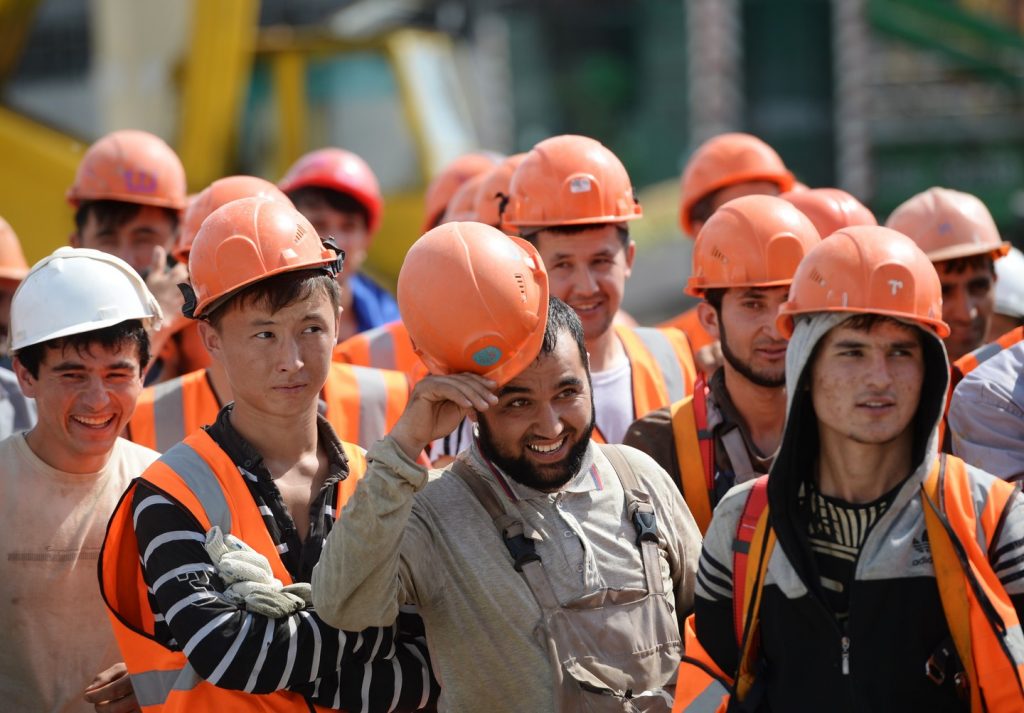
Tajik authorities are urging citizens working in Russia to legalize their status before the April 30 deadline, as new Russian immigration regulations come into force. The Ministry of Internal Affairs of Tajikistan has reminded labor migrants to update their documents to remain employed legally. “Foreign citizens in the Russian Federation who are not registered at their place of residence, do not possess a valid work patent, or have failed to make monthly payments, as well as those listed in the register of controlled persons, can legalize their documents without leaving Russia,” the ministry stated. Starting June 30, Russia will implement a digital profile system for migrants. Russian Prime Minister Mikhail Mishustin announced that the new system will replace the current paper-based work patent with a digital profile containing a unique identifier. Authorities say this transition is aimed at improving administrative efficiency and reducing fraud. “To ensure a smooth transition, all necessary preparations are being made,” Mishustin said. In addition to the digital transition, Russia began testing a new border control system in December 2024. Migrants entering via Moscow airports are now required to submit biometric data, enabling authorities to track entries and identify individuals banned from entering the country. In February 2025, Russian authorities activated a national register of controlled persons. The list includes over 640,000 foreign nationals residing in Russia without proper documentation. Those listed must legalize their stay by April 30 or face potential deportation. The new rules also affect migrant families. Since February, children of migrants must pass a Russian language proficiency test. If they fail, they are required to attend a three-month language course at their parents’ expense. Noncompliance may trigger investigations into the family’s living conditions and result in penalties.
EU Pledges Steady Support for Tajikistan Ahead of Historic Central Asia Summit

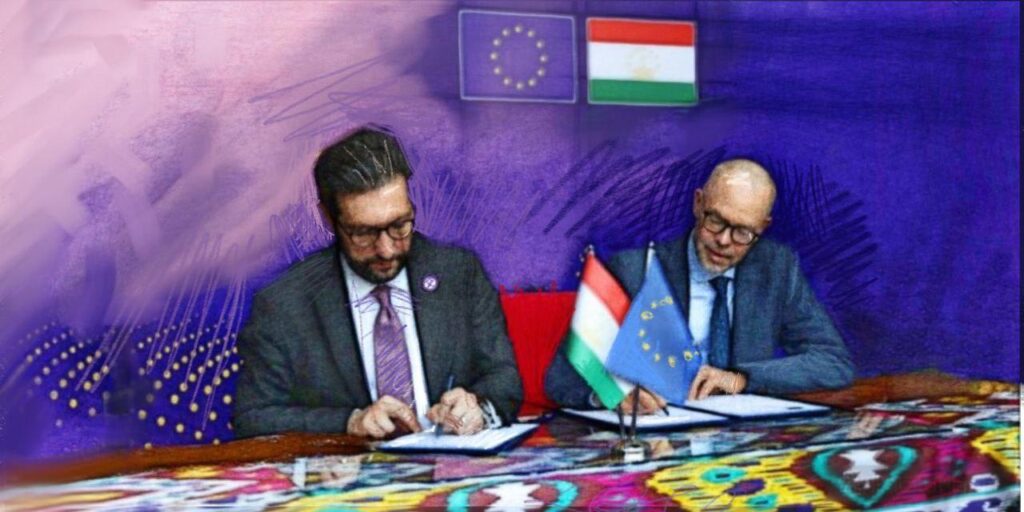
The European Union will maintain its current level of assistance to Tajikistan despite the recent suspension of U.S. funding through USAID, EU Ambassador to Tajikistan Raimundas Karoblis has confirmed. He emphasized that European and American aid programs operate independently and that EU support will remain unaffected. “Aid from the EU will continue and will not be reduced,” Karoblis stated. He added that the EU's assistance framework for Tajikistan is already set through 2027 and cannot be revised before then. Discussions about increased support may take place after that period.   EU and Central Asia: Toward a Historic Summit On March 27, Ashgabat will host the 20th meeting of foreign ministers from the European Union and Central Asia. The key objective of this gathering is to prepare for the first-ever EU-Central Asia Summit, scheduled for April 3-4 in Samarkand. The summit will bring together the President of the European Council, the head of the European Commission, and the leaders of all five Central Asian states. According to the EU Delegation in Tajikistan, the summit will mark a new milestone in EU-Central Asia relations, reflecting the EU’s deepening political engagement with the region. Financial Assistance and Strategic Priorities Between 2021 and 2027, the EU has committed more than €550 million in aid to Central Asia, with €142 million allocated to Tajikistan. The focus areas include building an inclusive green economy, investing in human capital, and ensuring sustainable management of natural resources. Under its Global Gateway initiative, the EU is working to develop smart and sustainable connectivity across transport, digital infrastructure, energy, and education. A key initiative is the Trans-Caspian Transport Corridor, to which the EU has allocated more than €88 million. Other efforts target enhanced digital and energy integration in the region. In the strategic domain of critical raw materials, the EU has earmarked €16 million to support local value chains and promote sustainable investments. Additionally, through the European Fund for Sustainable Development Plus (EFSD+), €30 million in guarantees have been allocated for renewable energy and raw material extraction projects. Security, Education, and Youth Engagement The EU plays an active role in regional security initiatives. Its BOMCA program supports border management and the fight against transnational crime, while the CADAP program focuses on drug use prevention. In Tajikistan specifically, the EU, in partnership with the OSCE, is implementing a project to strengthen the capacity of border guards along the Tajik-Afghan frontier. The EU also contributes to counter-terrorism efforts and collaborates with the government on related initiatives. Education and youth empowerment are additional EU priorities. From 2013 to 2027, €95 million has been directed toward reforming Tajikistan’s education sector. The Erasmus+ program received €73 million for 2021-2027, enabling students from Central Asia to study at European universities. Youth employment is also being addressed through the €10 million DARYA program, and the recently launched €4.5 million Regional Civil Society Fund (as of September 2024) is aimed at strengthening civic engagement. Karoblis reaffirmed the EU’s long-term commitment to Tajikistan, noting that assistance will remain consistent,...

Climate Change – A Catalyst for Poverty and Environmental Degradation in Central Asia

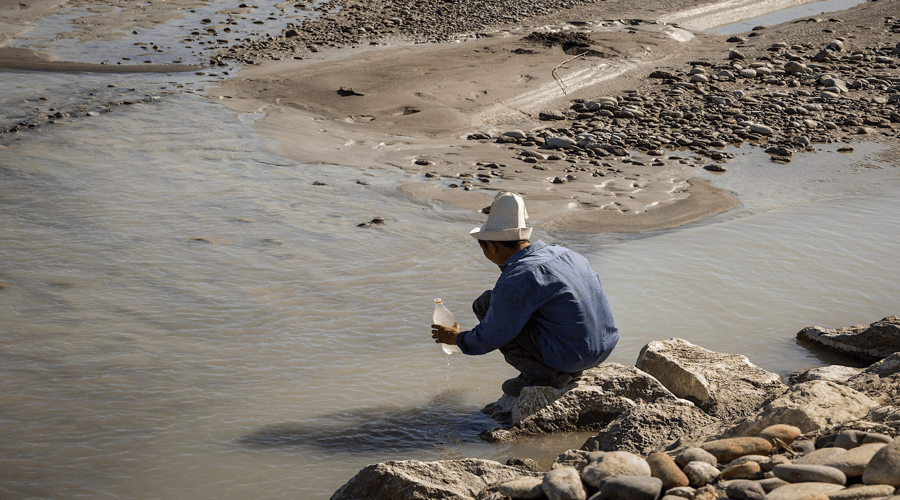
Climate change encapsulates the gradual yet profound shifts in temperature and weather patterns over extended periods. While these changes can arise naturally from various phenomena — such as fluctuations in solar energy or significant volcanic eruptions — the advent of the industrial age in the 1800s marked a pivotal point where human influence became the predominant force driving climate change. This influence stems chiefly from burning fossil fuels, including coal, oil, and natural gas. The combustion of these fuels releases vast quantities of greenhouse gases into the atmosphere, creating a thick layer that envelops the Earth and traps heat from the sun, resulting in a steady rise in global temperatures. Carbon dioxide (CO2) and methane (CH4) are the most significant greenhouse gases contributing to this crisis. Carbon dioxide predominantly emerges from driving gasoline-powered vehicles and burning coal for heating. Additionally, the widespread practices of deforestation and land conversion continue to elevate carbon dioxide levels. Methane, meanwhile, is primarily produced through agricultural practices and the extraction processes associated with the oil and gas industries. The sectors that bear the heaviest burden in terms of greenhouse gas emissions include energy production, industrial processes, transportation, building operations, agriculture, and land use changes. The ramifications of this unfolding climate crisis are dire, especially for the world’s most vulnerable populations, particularly those residing in poverty. According to alarming insights from the World Bank, the 74 countries with the lowest income levels contribute a mere one-tenth of global greenhouse gas emissions. Yet, ironically, these nations are poised to endure the harshest repercussions of climate change. Over the past ten years, they have experienced an astounding surge in natural disasters, facing approximately eight times the frequency of such events compared to the 1980s. The effects on the lives of vulnerable populations are profound and far-reaching. Many face severe health challenges, including the prevalence of illnesses exacerbated by inadequate healthcare access. Erratic water supply creates a critical situation, often resulting in polluted drinking water that can lead to waterborne diseases. Additionally, the standard of education for these communities tends to be alarmingly poor, limiting future opportunities for young individuals. Many are forced to relocate as refugees, fleeing conflict and instability, which further complicates their lives. Moreover, those who find employment often encounter hazardous working conditions that put their safety and well-being at significant risk. Climate change presents profound security challenges for Central Asia, a region grappling with the dual threats of environmental shifts and social vulnerabilities. The interplay of climate change with existing fragility intensifies the risks to peace, stability, and security across the globe. This convergence will exacerbate human insecurity and escalate socio-economic and political instability. As a result of these changing climatic conditions, critical resources such as water, food, and energy face increasing threats. Countries already characterized by vulnerability — those grappling with conflict or instability — are among the most likely to experience detrimental effects. For instance, reports indicate severe drought conditions have led to a 30-40% decrease in agricultural production in some Central Asian...

Opinion: In Central Asia, the EU Defies Its “Geopolitical Dwarf” Label

As the United States and Russia reportedly aim to create a new global security architecture, other major actors in the international arena are working to improve their positions in the redefined world order. Often underestimated in terms of its geopolitical influence, the European Union has actively focused its attention on the post-Soviet space, particularly the strategically important Central Asian region. The EU, despite Russia’s and the United States' attempts to undermine its role in the settlement of the Ukraine War and to portray it as a “geopolitical dwarf”, is seeking to increase its presence in global affairs. In Central Asia, the 27-nation bloc is often viewed as a key actor that Kazakhstan, Uzbekistan, Kyrgyzstan, Tajikistan, and Turkmenistan can rely on to balance China’s growing dominance, as well as their security and dependence on Moscow. The EU's desire to strengthen cooperation with Central Asia can be seen as Brussels’ attempt to reduce Russia's influence in the region. Indeed, bogged down in Ukraine, Moscow is slowly but surely being pushed out of Central Asia – a region that has traditionally been within the Kremlin’s geopolitical orbit. As a result, China has managed to significantly increase its economic presence in all five Central Asian nations. The EU is now attempting to do the same. The recent visit of the European Commissioner for International Partnerships Jozef Síkela to Central Asia, as well as the upcoming EU-Central Asia summit scheduled for April 3-4, 2025 in Samarkand, clearly indicates the intensifying geopolitical competition between the EU and China over the region. One of Síkela’s major goals was to expand the scope of the EU's investment strategy, Global Gateway, in Central Asia. The project, launched in 2021, is often viewed as the EU’s version of China’s Belt and Road Initiative (BRI). As part of its strategy to increase its economic presence in Central Asia, the European Union seems to have four priorities: the development of transport infrastructure (particularly the Trans-Caspian International Transport Route, also known as the Middle Corridor), cooperation in raw materials, digital connectivity, and the development of the water resources, energy, and climate sectors. The problem for Brussels is that China, due to its proximity to Central Asia and the lack of bureaucratic procedures, is ahead of the EU in most, if not all of these areas. Beijing has had 12 years to strengthen economic ties with the region through the BRI. As a result, in 2024, China’s overall turnover with Central Asia reached $94.8 billion, nearly double the EU's trade volume with the region in 2022, which stood at $47 billion. Last year, the world’s second-largest economy replaced Russia as Kazakhstan's biggest trade partner. In neighboring Uzbekistan, it remains the top trading partner, while in Tajikistan, over the past 18 years, China has become the major investor in the landlocked nation’s economy. The same applies to Tajikistan and China’s neighbor Kyrgyzstan. The European Union, however, is now intensifying its efforts to position itself as a major foreign power operating in Central Asia. According to...

Tajik Entrepreneurs Return to Kyrgyz Markets

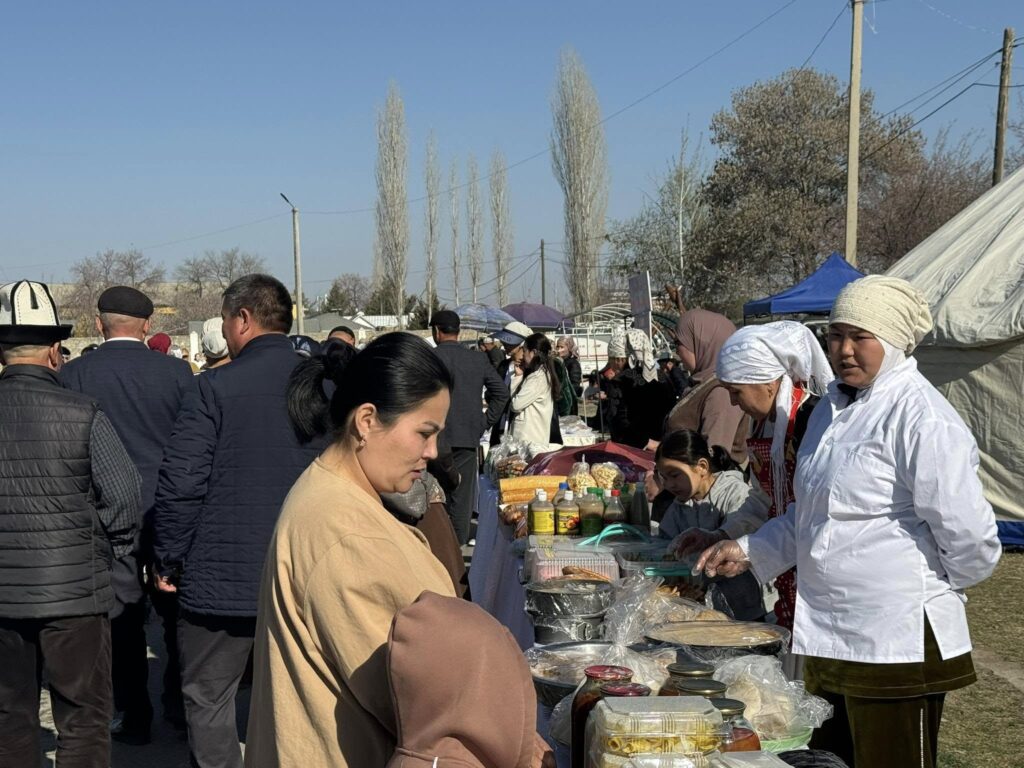
Following the reopening of the Kyrgyz-Tajik border, Tajik entrepreneurs have resumed visits to markets in Batken Oblast, Kyrgyzstan. Local media report that residents are welcoming the return of their southern neighbors​. Once a week, the market in Ak-Turpak village becomes a hub of activity, drawing sellers and buyers from across the region and neighboring countries. A major draw is Batken rice, which resellers purchase in bulk for export to Uzbekistan and Russia. According to local vendors, the market can sell up to 200 tons of rice on a busy day. Rice is cultivated across 3,000 hectares in this border region and remains a vital source of income for many farmers. With the border now open and economic ties restored, buyers from Isfara, Tajikistan, have begun frequenting the Ak-Turpak market, offering a welcome boost to Kyrgyz vendors. As previously reported by The Times of Central Asia, residents of Batken’s border districts also benefit from cross-border trade, often finding it more economical to purchase certain fruits and vegetables in Tajikistan than in Kyrgyzstan’s oblast centers. On March 13, 2025, following the signing of bilateral agreements, the Kairagach and Kyzyl-Bel border checkpoints in Batken Oblast officially reopened. According to Kyrgyzstan’s Border Guard Service, approximately 5,000 people crossed the Kyrgyz-Tajik border between March 13 and 17. An additional 500 individuals crossed by air. Prior to the agreement, all crossings had remained closed since 2021.

Power Shifts in Central Asia: The Unpredictable Path of Leadership

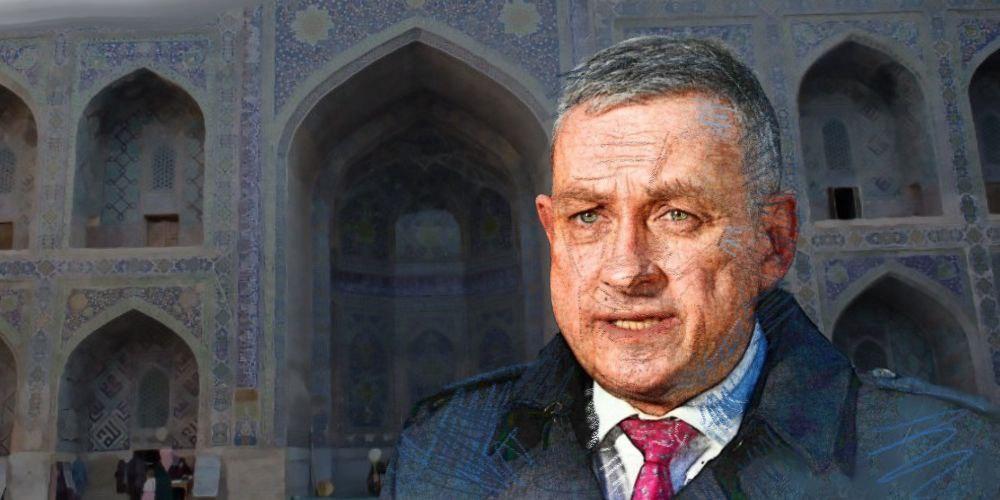
European Union Commissioner for International Partnerships Josef Sikela has concluded his tour of Central Asia, a visit conducted against the backdrop of global geopolitical turbulence. Unlike previous engagements, where European officials often criticized the region’s leadership for a lack of democratic progress, Sikela refrained from making demands on local governments. Historically, Europe has accused Central Asian states of authoritarianism and the entrenchment of long-serving leaders. However, the idea that power is uniquely permanent in the region is increasingly questioned. Critics point to Western examples, such as Angela Merkel’s 16-year tenure as Germany’s chancellor, and alleged electoral manipulation within the EU, such as in Romania, where elections were annulled after an undesired candidate’s victory. Meanwhile, in Central Asia, even presidents once considered “eternal” have eventually left office, sometimes peacefully, sometimes under turbulent conditions. Kyrgyzstan: The Unpredictable Outlier Kyrgyzstan is often described as a "democratic exception" within Central Asia, yet its history is marked by political instability and frequent leadership changes, arguably more so than in many of the world’s most conflict-prone regions. The country’s first president, Askar Akayev, held power from 1990 to 2005. Though re-elected three times, his rule ended in March 2005 when protests erupted over parliamentary election results that heavily favored pro-government candidates. Demonstrators stormed the Government House in Bishkek, prompting Akayev to flee. Reports, though unverified, claimed he was smuggled out wrapped in a carpet. Following Akayev’s ouster, Kurmanbek Bakiyev took power, but his rule ended in 2010 after violent unrest. His downfall was allegedly facilitated by Kazakhstan’s intelligence services, and he later found political asylum in Belarus under President Alexander Lukashenko. Since Bakiyev’s departure, Kyrgyzstan has continued to experience political turbulence. Presidents Almazbek Atambayev (2010-2017) and Sooronbai Jeenbekov (2017-2020) both left office under pressure. Atambayev’s tenure saw a diplomatic fallout with Kazakhstan, while Jeenbekov resigned in 2020 amid protests over parliamentary elections. His successor, Sadyr Japarov, remains in office, but whether he will complete his term is an open question. Uzbekistan: Reform Within Limits Islam Karimov, Uzbekistan’s first post-Soviet leader, ruled for over 26 years before his death in 2016. While he maintained a strictly centralized government, his tenure was also marked by violent crackdowns, most notably the Andijan uprising in 2005, which resulted in a Western diplomatic fallout​. His successor, Shavkat Mirziyoyev, has introduced some reforms, loosening restrictions on civil liberties and the economy. However, the fundamental structure of state control remains intact, with opposition movements still tightly monitored. Kazakhstan: From Nazarbayev to Tokayev Kazakhstan’s transition from Nursultan Nazarbayev to Kassym-Jomart Tokayev is often described as managed succession rather than a genuine power shift. Nazarbayev, who led Kazakhstan for nearly three decades, officially stepped down in 2019, yet retained significant influence until the January 2022 unrest, which forced him to relinquish much of his remaining power. These protests, initially sparked by fuel price hikes, rapidly escalated into anti-government riots. While official accounts describe the unrest as an attempted coup orchestrated by figures within Nazarbayev’s inner circle, critics suggest Tokayev used the crisis to consolidate power....