• KGS/USD = 0.01144 0%
  • KZT/USD = 0.00210 0%
  • TJS/USD = 0.10559 0%
  • UZS/USD = 0.00008 0%
  • TMT/USD = 0.28530 0%
  • KGS/USD = 0.01144 0%
  • KZT/USD = 0.00210 0%
  • TJS/USD = 0.10559 0%
  • UZS/USD = 0.00008 0%
  • TMT/USD = 0.28530 0%
  • KGS/USD = 0.01144 0%
  • KZT/USD = 0.00210 0%
  • TJS/USD = 0.10559 0%
  • UZS/USD = 0.00008 0%
  • TMT/USD = 0.28530 0%
  • KGS/USD = 0.01144 0%
  • KZT/USD = 0.00210 0%
  • TJS/USD = 0.10559 0%
  • UZS/USD = 0.00008 0%
  • TMT/USD = 0.28530 0%
  • KGS/USD = 0.01144 0%
  • KZT/USD = 0.00210 0%
  • TJS/USD = 0.10559 0%
  • UZS/USD = 0.00008 0%
  • TMT/USD = 0.28530 0%
  • KGS/USD = 0.01144 0%
  • KZT/USD = 0.00210 0%
  • TJS/USD = 0.10559 0%
  • UZS/USD = 0.00008 0%
  • TMT/USD = 0.28530 0%
  • KGS/USD = 0.01144 0%
  • KZT/USD = 0.00210 0%
  • TJS/USD = 0.10559 0%
  • UZS/USD = 0.00008 0%
  • TMT/USD = 0.28530 0%
  • KGS/USD = 0.01144 0%
  • KZT/USD = 0.00210 0%
  • TJS/USD = 0.10559 0%
  • UZS/USD = 0.00008 0%
  • TMT/USD = 0.28530 0%

Viewing results 463 - 468 of 1531

Central Asia Launches Joint Initiative to Eliminate Tuberculosis by 2030

All five Central Asian nations have launched a regional campaign titled “Central Asia Free of Tuberculosis” with the ambitious goal of eliminating tuberculosis (TB), including drug-resistant strains, across the region by 2030, according to Turkmenportal. The initiative is led by the WHO Regional Office for Europe and supported by international health organizations. Health ministers and senior officials from Kazakhstan, Kyrgyzstan, Tajikistan, Turkmenistan, and Uzbekistan convened in Astana to formally launch the campaign and sign a joint declaration. The agreement outlines commitments to work closely with the World Health Organization (WHO), the Stop TB Partnership, the Global Fund, civil society organizations, and other partners. Over the past decade, the five countries have made significant strides in combating TB through the introduction of new treatments and improved disease surveillance systems. The new initiative aims to accelerate these efforts toward total eradication. Key Objectives of the Initiative Include: Testing Coverage: Ensure that at least 95% of all new and recurrent TB cases are diagnosed using rapid WHO-recommended diagnostic tools, which are already in place across the region. Treatment Expansion: Broaden access to shorter, injection-free treatments for drug-resistant TB, which have demonstrated success rates of over 85%. Vaccine Preparedness: Prepare national health systems for the rollout of new TB vaccines once they become available. Primary Healthcare Integration: Incorporate TB diagnosis and treatment into each country’s primary healthcare system, with support from WHO’s Primary Health Care Centre in Almaty. WHO Regional Director Dr. Hans Kluge commended the political leadership demonstrated by the Central Asian governments. He emphasized that the region is now closer than ever to achieving TB elimination but must sustain its commitment through continued investments and stigma-reduction efforts to ensure equitable access to care. The regional strategy is expected to yield significant results by 2027 and will serve as a framework for monitoring and accelerating progress toward TB elimination in Central Asia.
A New Great Game: Multipolar Competition in Central Asia

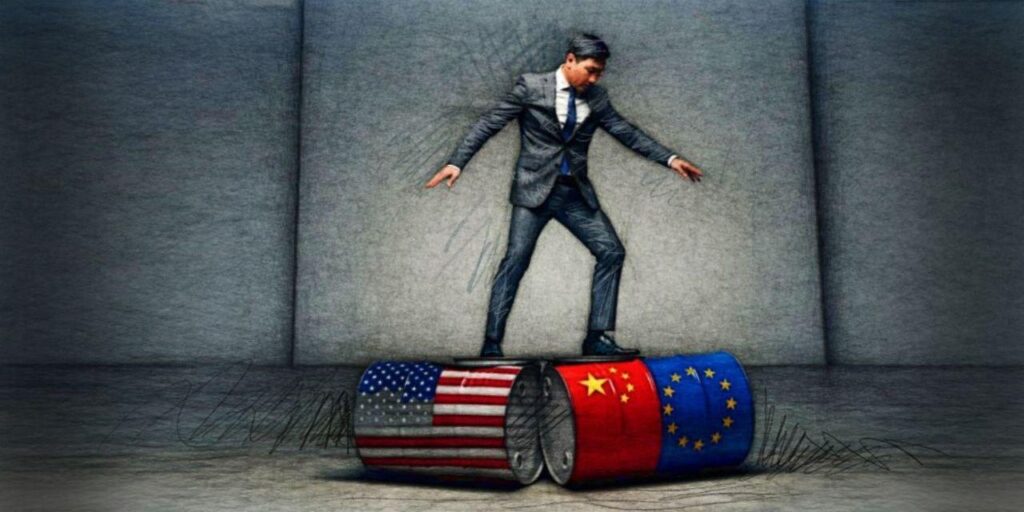
At a time when the European Union, China, and Turkey are seeking to strengthen their presence in Central Asia, the United States administration is consumed with bilaterally implementing a seismic shift in its trade policy with the entire world. Although this region of post-Soviet space is widely seen as a new front of rivalry between Washington and Beijing, in many aspects, American influence in Kazakhstan, Kyrgyzstan, Uzbekistan, Tajikistan, and Turkmenistan lags far behind that of other actors. Culture (soft power) has always played an important role in the foreign policy of every great power. The Soviet Union was no exception. As a result, even today, Russian, rather than English, is still the lingua franca in Central Asia, although Moscow, following its invasion of Ukraine, has had a hard time preserving remnants of its former dominance in the region. Russian cinema, however, maintains a notable presence in most, if not all, Central Asian states. While Hollywood movies have a strong global presence, Russian films in Central Asia often act as a link between Western content and the region's cultural traditions. Millions of Central Asian migrants working in Russia also serve as a bridge between their nations and the Russian Federation, facilitating cultural exchange, economic ties, and the spread of the Russian language. However, Russia’s fiasco in Ukraine has created space for the EU to assert its influence in a region that has traditionally been in Moscow’s geopolitical orbit. Nevertheless, although Kazakhstan, Kyrgyzstan, are Tajikistan are members of the Russian-led Collective Security Treaty Organization, they have remained neutral in the Ukraine conflict. For Central Asian nations, the EU serves as a counterweight they can use to balance their relations with Moscow. The EU, however, faces strong economic competition from China. With a trade volume of $94.8 billion with Central Asian states, Beijing is positioning itself as the major economic power operating in the five regional nations. Although the European Union’s influence in Central Asia is expected to continue to grow in the coming years, if investment trends from recent years persist, the balance in the region will likely tilt towards China, which will increase its presence and influence at the expense of Russia. But where does the United States fit into this dynamic? Even though the U.S. is the largest economy in the world, with which almost everyone wants to engage, American bilateral trade with the region has never been particularly strong, with the exception of Kazakhstan. Interestingly enough, it is Astana that is expected to suffer the most among Central Asian actors due to U.S. President Donald Trump’s decision to impose tariffs – 27% on Kazakhstan compared to 10% on all other nations in the region. Exceptions may be made for Kazakhstan’s critical minerals, however, which are now the third largest in the world based on a recent discovery, with reports suggesting that some goods, including “certain minerals that are not available in the United States,” as well as energy, will not be subject to the tariffs. According to Kazakhstan’s Ministry...

Tajik Ophthalmologist Parvina Mirakhmedova Wins Innovation Award in London

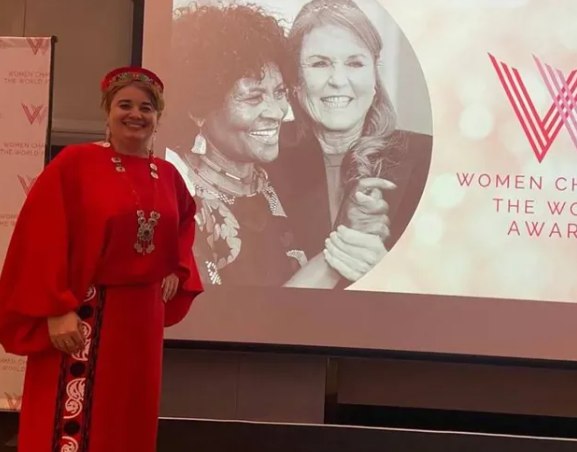
Parvina Mirakhmedova, a Tajik ophthalmologist and researcher, has won international acclaim at the prestigious Women Changing the World Awards, held in London. She was the only representative from Central Asia among participants from 55 countries. Mirakhmedova was nominated in three Industry Award categories: Women in Health, Tech Innovation, and Innovation. She won the Tech Innovation Award and took second place in the Women in Health category. Sarah Ferguson, the Duchess of York, personally presented Mirakhmedova with the Golden Heart Award, honoring both her professional accomplishments and the broader social impact of her work. In her acceptance speech, Mirakhmedova expressed gratitude to those who supported her journey to London, emphasizing the importance of showcasing Tajikistan's scientific talent on the global stage. Transforming Ophthalmology with Innovation Over recent years, Mirakhmedova has significantly advanced the field of ophthalmology. She developed a new diagnostic algorithm for early-stage glaucoma detection, dramatically lowering the risk of vision loss. Additionally, she created cell-counting software that has standardized the diagnosis of ocular inflammation, notably improving treatment accuracy for uveitis. Her work has been published in peer-reviewed journals indexed in Scopus. Among her most accessible innovations is a Telegram bot (@ophthalmo_test_bot) that helps doctors monitor inflammation in uveitis, enabling timely treatment adjustments. Personal Struggles Behind the Science Mirakhmedova’s professional journey is rooted in personal adversity. “I lost my father to cancer, and later, my mother became seriously ill. I experienced first hand what patients and their families endure,” she said. These experiences inspired her to drive change in Tajikistan’s medical system. She advocates for the integration of global medical innovations, asserting, “The world is moving forward, innovations are transforming medicine, and Tajikistan must not fall behind.” A Decade of Determination Mirakhmedova began her career at the international Solim Med and private Nurafzo clinics and underwent further training in Germany. Initially, her ideas were met with skepticism. “Innovations are always resisted at first. But eventually, they become indispensable,” she noted. Despite early challenges, she remained committed to her vision, bolstered by support from her mentors at the Abuali Ibni Sino Department of Ophthalmology at the Tajik State Medical University, her family, and her own perseverance. Reaching the award finals marked a turning point. “I felt a deep sense of satisfaction. To those who once said my ideas were useless, this is the answer,” she said. Her recognition in London is not just a personal triumph, it affirms her contributions to medicine on an international scale and signals the potential for transformative change in ophthalmology across the region.

Mirziyoyev Champions a Flourishing Central Asia by Enhancing Collaboration With the European Union

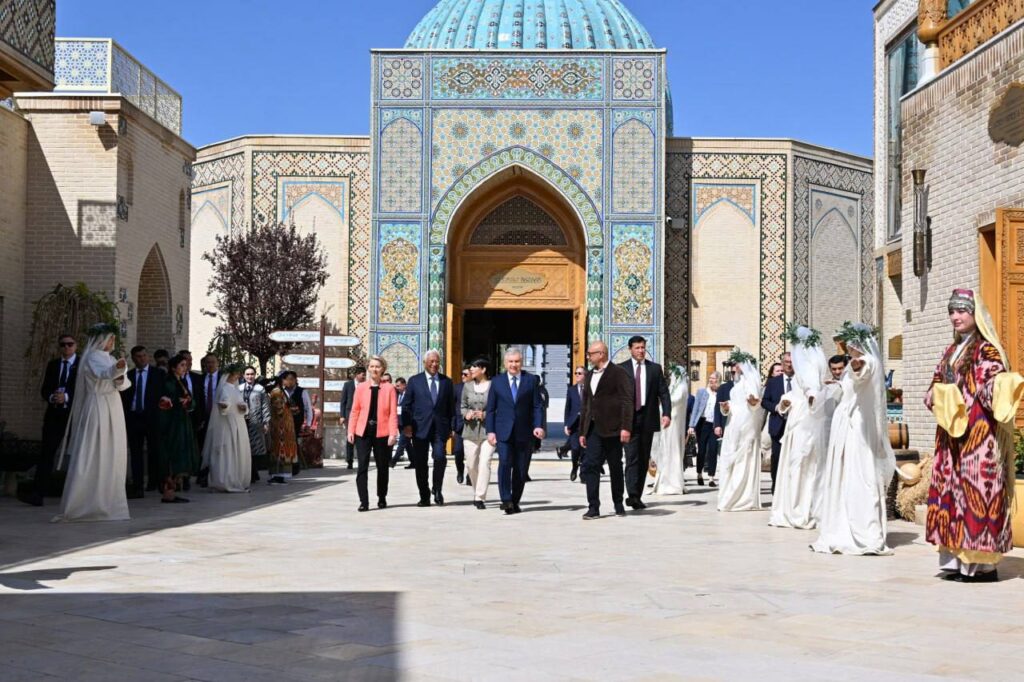
The global landscape is transforming, driven by geopolitical instability, economic uncertainties, and climate-related challenges. These dynamics are fostering innovative forms of international collaboration. A notable example of this shift is the remarkable fourfold increase in trade between Central Asia and the European Union over the past seven years, culminating in an impressive €54 billion. This surge highlights a growing interest among European businesses in the diverse markets of Central Asia, strategically situated at the intersection of crucial global trade routes. Against this backdrop, the Central Asia-EU summit was held over two days in Samarkand, the "Eternal City", on April 3-4, 2025. During his inaugural address on April 3, 2025, Uzbekistan's President Shavkat Mirziyoyev articulated the summit's significance, stating his view that this gathering represented a transformative moment that could redefine regional partnerships. Mirziyoyev reflected on the deep historical connections and shared interests driving the momentum toward closer ties with the EU. The choice of Samarkand — renowned for its rich historical legacy as a center of trade, science, and diplomacy — as the venue for this significant meeting was particularly poignant, as it symbolizes the intersection of cultures and ideas. Mirziyoyev evoked the historical interactions between Amir Temur and European monarchs, underscoring Samarkand as a melting pot of diversity and intellectual exchange. He introduced the notion of the “Samarkand spirit,” which he described as a symbol of unity and interconnectedness that could serve as the foundation for a new chapter in international relations. The President emphasized the sweeping transformations occurring in Central Asia, reinforcing Uzbekistan’s dedication to nurturing good-neighborly relations built on mutual benefit. Miriyoyev candidly acknowledged the region's history of conflicts and disputes but expressed hope for a shift toward constructive dialogue and trust, pointing to the recent resolution of border disputes between Kyrgyzstan and Tajikistan as a concrete example of this positive trajectory. Furthermore, he elaborated on ongoing initiatives to establish border trade zones, joint investment funds, and transportation corridors that could enhance connectivity and economic collaboration. Mirziyoyev outlined several key priorities: fortifying regional security, advancing economic integration, and promoting environmental sustainability. He conveyed a sense of optimism, proclaiming, "We are facing a historic chance to make our region not only sustainable but also prosperous." The President discussed Uzbekistan's comprehensive economic reforms to create a conducive business environment and liberalize the foreign exchange market. He expressed optimism that the Enhanced Partnership and Cooperation Agreement (EPCA) with the EU would significantly enhance trade and investment relations and proposed aligning the EU's Global Gateway strategy with regional transport initiatives to support this. He also advocated for developing an Action Plan for the Trans-Caspian Transport Corridor. Additionally, he believes there is potential to establish Tashkent as a financial center similar to Hong Kong, as the initial conditions meet the necessary criteria. On energy matters, Mirziyoyev positioned Central Asia as a dependable partner for Europe, highlighting the region's potential to contribute to energy stability and decarbonization efforts. He cited the ambitious Green Strategic Corridor project and the prospect of a Central Asia-EU...

From Malnutrition to Water Scarcity: UN Identifies Key Threats to Food Security in Tajikistan

A new United Nations report titled Food Security and Nutrition Outlook for Europe and Central Asia 2024 has outlined the major challenges facing Tajikistan in nutrition, public health, and sustainable agriculture. The report identifies chronic malnutrition, rising childhood obesity, and vulnerability to climate change as the principal threats to the country’s food system. According to the findings, Tajikistan continues to face a dual burden: while undernutrition remains a persistent issue, obesity is on the rise, particularly among children. In 2022, nearly one in seven Tajik children under five (13.1%) suffered from stunting due to chronic malnutrition, while 9.9% were affected by wasting, well above the global target of 3%. At the same time, childhood obesity has seen a dramatic increase, with the proportion of overweight children rising from 4.6% in 2000 to 21% in 2022. Efforts to address these issues are further complicated by Tajikistan’s climate vulnerability and water management challenges. Agriculture, a cornerstone of the national economy and food supply, is particularly susceptible to shifting weather patterns. Although the government is implementing reforms, including the adoption of a new Water Code in 2020 and a watershed management system planned for completion by 2026, water scarcity remains a critical concern. Water user associations are playing a growing role in this transformation. The report also highlights gender disparities in the agricultural workforce. Women represent a significant share of those employed in agriculture, yet many work informally, without pay or legal protections. The UN urges action to ensure women have equitable access to land, resources, and decision-making processes. Beyond Tajikistan, the wider Europe and Central Asia region is not immune to food insecurity. As of 2023, 107 million people, 11.5% of the population, faced moderate or severe food insecurity, with 24.5 million in acute need. In Central Asia, 2.3 million people, around 3% of the region’s population, do not meet minimum daily energy requirements. The crisis is exacerbated by economic instability, climate change, and geopolitical tensions, including the war in Ukraine. While child malnutrition and anemia in women have declined across the region, adult obesity is increasing and now exceeds 20%. Meanwhile, 7.1% of children under five are overweight, and nearly 64.3 million people (6.9%) cannot afford a nutritious diet, an enduring challenge despite comparatively better regional indicators than global averages. The UN emphasizes the vital role of water in securing the region’s food future. Rising demand for meat and dairy products is straining already scarce water resources. Outdated infrastructure, pollution, data gaps, and insufficient regional cooperation are all significant barriers to water security. To address these challenges, the report calls for investment in water-saving technologies, reuse strategies, and reduced agricultural water footprints. Achieving long-term sustainability, the UN argues, requires an integrated approach, one that links nutrition, climate adaptation, gender equality, and modern water governance. The report was developed with the input of seven UN agencies, including FAO, UNICEF, UNDP, WHO, and WMO. International partners have expressed readiness to support Tajikistan in identifying and implementing durable, systemic solutions.

Samarkand Declaration Paves the Way for a Stronger Central Asia–EU Partnership

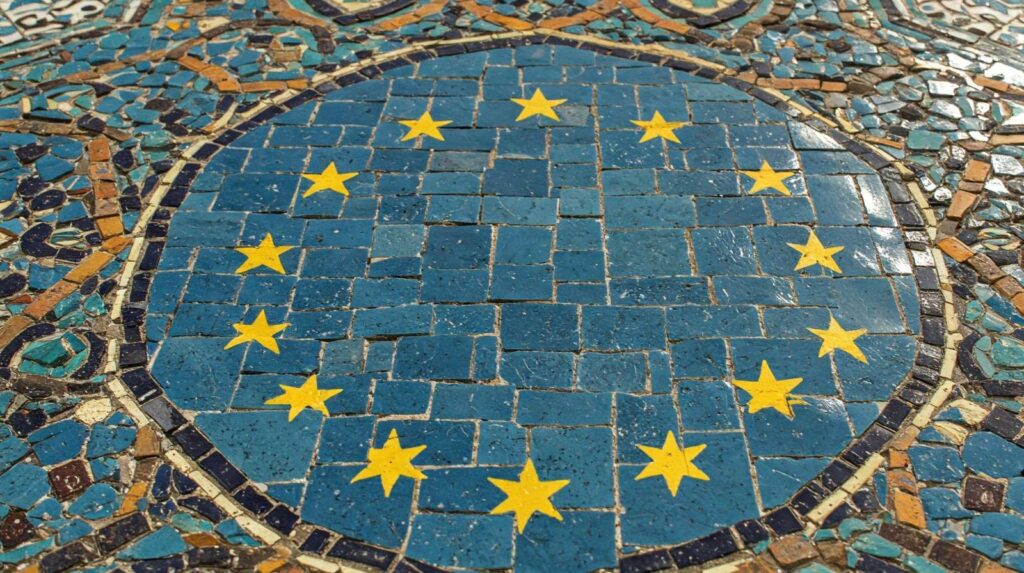
The inaugural Central Asia-European Union Summit, held in Samarkand on April 3-4, marked a significant milestone in strengthening ties between the two regions. According to Sherzod Asadov, press secretary to Uzbekistan's President Shavkat Mirziyoyev, the summit's most significant outcome is the adoption of the Samarkand Declaration, which is expected to provide strong momentum for expanding constructive dialogue and cooperation across all sectors. In a statement, the EU reaffirmed its "commitment to deeper cooperation in an evolving global and regional geopolitical landscape [and] upgrade relations between the European Union and Central Asia to a strategic partnership." The EU declaration also committed the bloc to respect the "sovereignty and territorial integrity of all states within the framework of all international and regional fora" and expressed readiness to "address common security challenges." Strengthening Economic Ties Economic cooperation featured prominently on the agenda. Since 2020, trade between Uzbekistan and the EU has doubled, now exceeding €6 billion. Uzbek exports to the EU have quadrupled, and the number of joint ventures has surpassed a thousand. European investment projects in Uzbekistan, meanwhile, are now valued at over €30 billion. A key development was the agreement to open a regional office of the European Investment Bank (EIB) in Tashkent. Established in 1958, the EIB is the EU’s primary financial institution, and its new office is expected to attract greater investment in green energy, modern infrastructure, and digitalization. The European Bank for Reconstruction and Development (EBRD) has also deepened its engagement in Uzbekistan, investing over €5 billion to date. “We must work together to simplify trade procedures and ensure that Central Asian products gain greater access to European markets. Only through joint efforts can we build a strong and resilient economic partnership,” Mirziyoyev told Euronews. "Over the past seven years, the trade turnover between Central Asian countries and the EU has quadrupled, amounting to 54 billion euros... The signing of the Samarkand Declaration will reflect the common aspiration of the parties to establish a strategic partnership and lay the foundation for deepening ties between our regions." During the summit, Mirziyoyev met with European Commission President Ursula von der Leyen and European Council President António Costa. Discussions focused on trade, investment, green energy, and digital development, with the EU’s "Global Gateway” strategy, a counterpart to China’s Belt and Road Initiative, a central topic. The initiative is seeking to enhance global infrastructure and connectivity while promoting sustainability and transparency. “The EU and Central Asia are becoming closer partners, and this summit marks the beginning of a new phase in our cooperation,” von der Leyen stated. An Enhanced Partnership and Cooperation Agreement between Uzbekistan and the EU is also under negotiation. Regional Dialogue Among Central Asian Leaders The Summit also offered a platform for Central Asian heads of state to hold bilateral discussions. Mirziyoyev met with his counterparts from Kazakhstan, Kyrgyzstan, Tajikistan, and Turkmenistan. Talks centered on increasing trade, improving border security, and advancing major infrastructure projects. A recent landmark border agreement between Uzbekistan and Kyrgyzstan was lauded as a breakthrough. Uzbekistan...