• KGS/USD = 0.01143 0%
  • KZT/USD = 0.00205 0%
  • TJS/USD = 0.10724 0.09%
  • UZS/USD = 0.00008 0%
  • TMT/USD = 0.28571 0%
  • KGS/USD = 0.01143 0%
  • KZT/USD = 0.00205 0%
  • TJS/USD = 0.10724 0.09%
  • UZS/USD = 0.00008 0%
  • TMT/USD = 0.28571 0%
  • KGS/USD = 0.01143 0%
  • KZT/USD = 0.00205 0%
  • TJS/USD = 0.10724 0.09%
  • UZS/USD = 0.00008 0%
  • TMT/USD = 0.28571 0%
  • KGS/USD = 0.01143 0%
  • KZT/USD = 0.00205 0%
  • TJS/USD = 0.10724 0.09%
  • UZS/USD = 0.00008 0%
  • TMT/USD = 0.28571 0%
  • KGS/USD = 0.01143 0%
  • KZT/USD = 0.00205 0%
  • TJS/USD = 0.10724 0.09%
  • UZS/USD = 0.00008 0%
  • TMT/USD = 0.28571 0%
  • KGS/USD = 0.01143 0%
  • KZT/USD = 0.00205 0%
  • TJS/USD = 0.10724 0.09%
  • UZS/USD = 0.00008 0%
  • TMT/USD = 0.28571 0%
  • KGS/USD = 0.01143 0%
  • KZT/USD = 0.00205 0%
  • TJS/USD = 0.10724 0.09%
  • UZS/USD = 0.00008 0%
  • TMT/USD = 0.28571 0%
  • KGS/USD = 0.01143 0%
  • KZT/USD = 0.00205 0%
  • TJS/USD = 0.10724 0.09%
  • UZS/USD = 0.00008 0%
  • TMT/USD = 0.28571 0%

Viewing results 37 - 42 of 317

Tajikistan’s Reliance on External Funding for State Investment Projects Is Growing

Tajikistan continues to implement a large-scale state investment programme. International financial institutions play a key role in financing these projects, however, while the government's own contribution remains limited. According to data from the State Committee on Investment and State Property Management, 82 state investment projects are currently under way in the country The total value of ongoing initiatives is estimated at approximately $4.67 billion. Of these, 55 projects are being implemented on a grant basis, five through loans, and another 22 have mixed financing. About $3 billion has already been allocated for procurement, works, and services related to the implementation of these projects. However, more than 70% of the funding is provided by just three international institutions. The World Bank remains the largest donor, contributing $1.725 billion (36.9%). It is followed by the Asian Development Bank with $914.7 million (19.5%) and the European Bank for Reconstruction and Development (EBRD) with $658.1 million (14.1%). Other investors include the Islamic Development Bank ($207.9 million), the Chinese government ($194.9 million), the Asian Infrastructure Investment Bank ($142.5 million), the German Development Bank ($129.3 million), and the European Investment Bank ($114.8 million). Against the backdrop of extensive external financing, Tajikistan’s own contribution remains small. The state is investing approximately $151.2 million, accounting for only 3.2% of the total. This means that the implementation of key infrastructure and social projects largely depends on international donors and lenders. At the same time, in 2025 Tajikistan managed to significantly increase capital inflows. Foreign investment reached approximately $7 billion, rising by nearly $2 billion (35.1%) compared with the previous year. The authorities hope to sustain this momentum by improving the investment climate, including through legislative updates. A key step was the adoption on May 14, 2025, of a new version of the law “On Investments and the Promotion of Investment Activity,” aimed at increasing the country’s attractiveness to international partners. The current development model allows Tajikistan to implement large-scale projects that would be difficult to carry out relying solely on domestic resources. However, this financing structure also increases dependence on external sources, making the economy more sensitive to the conditions set by international institutions and the global financial environment.

European Investment Fund Commits Over $200 Million to Tajik Airline

The European investment fund CFC s.r.o. plans to invest more than $200 million in the development of Tajikistan’s private carrier Shohin Airlines. The five-year agreement follows several months of negotiations between the parties. According to Shohin Airlines, the final round of talks took place on March 10, 2026, in Dushanbe. The meeting was attended by the airline’s chief executive officer, Zafar Ahmadzoda, and the founder of CFC s.r.o., Guntars Selikovs. One factor influencing the investor’s decision was the recent improvement in Tajikistan’s sovereign credit ratings by the international agencies Moody’s and S&P Global Ratings. This development has increased foreign partners’ confidence in the country’s economic stability. The parties agreed that the investment will be directed toward expanding the airline’s fleet, developing operational capacity, and modernizing infrastructure. “The signing of the investment agreement is an important milestone in Shohin Airlines’ development,” Ahmadzoda said, noting that the deal is expected to accelerate the company’s growth and expand its route network. Selikovs stated that negotiations lasted more than six months and included meetings in Dubai and several European countries. “This allowed us to thoroughly assess the company’s business model and market potential,” he said. Shohin Airlines is a private carrier focused on developing regional aviation in Tajikistan and neighboring markets. At present, the company operates specialized helicopter flights. The next stage of development will involve fleet expansion. In the near future, the airline plans to acquire an L-410 NG, a Czech-made turboprop aircraft designed for regional transport. CFC s.r.o., a fund registered in the Czech Republic, operates across markets in Europe, the Persian Gulf, and Central Asia. Its investment strategy focuses on fast-growing industries. The agreement with Shohin Airlines could become one of the largest private investments in Tajikistan’s aviation sector in recent years and may signal growing interest among international investors in the country.

From Electricity to Fuel, Central Asia is Doing More Business with Afghanistan

Central Asia is becoming even more important to Afghanistan. After the Taliban returned to power in August 2021, most of the countries of Central Asia established a dialogue with its leadership that focused on business potential, backed up by security promises. This understanding is more important than ever to the Taliban government, as events along Afghanistan’s eastern and western borders have left Central Asia as the only reliable import-export route for Afghanistan at the moment. Booming Trade At the start of March, Afghanistan’s Ministry of Industry and Commerce released figures for 2025 that showed trade with Central Asia increased from $1.79 billion in 2024 to $2.4 billion in 2025. While most of the trade is exports from Central Asia to Afghanistan, reports mentioned that Afghan exports to Central Asia -- mostly to Kazakhstan and Uzbekistan -- increased by 77 percent, from $122 million in 2024 to $216 million in 2025. A closer look shows that Uzbekistan-Afghanistan trade in 2025 totaled some $1.6 billion.  A full figure for Kazakh-Afghan trade in 2025 is not yet available. However, trade between Kazakhstan and Afghanistan amounted to some $525.2 million in 2024.  Kazakhstan's Deputy Prime Minister Serik Zhamangarin said at a Kazakh-Afghan business forum in Kazakhstan’s southern city of Shymkent in October 2025 that bilateral trade in the first eight months of 2025 had reached some $335.9 million. These figures are certain to have grown.  Fresh agreements worth more than $360 million were signed on the sidelines of the Kazakh-Afghan business forum. On March 6, Uzbekistan’s President Shavkat Mirziyoyev signed a decree ratifying the Preferential Trade Agreement between Uzbekistan and Afghanistan. Trade totals for Kyrgyzstan, Turkmenistan, and Tajikistan with Afghanistan are more modest, but, as in the cases of Kazakhstan and Uzbekistan, are set to grow.  Kyrgyz-Afghan trade for the 12 months to March 2025 came to some $66 million, but, during a Kyrgyz-Afghan business conference in Kabul commercial contracts worth some $157 million were signed.  There are no figures for Turkmen-Afghan trade in 2025, but Turkmen electricity exports to Afghanistan are increasing. Turkmenistan is also preparing to export natural gas to Afghanistan. A natural gas pipeline is slowly being constructed from the Turkmen border to the western Afghan city of Herat, which could start operation as soon as 2027. Tajikistan was the lone Central Asian country to shun contact with the Taliban after they returned to power. Representatives of the previous government of Ashraf Ghani continue to occupy the Afghan embassy in Dushanbe.  Tajik and Taliban authorities finally established contacts only in late 2024 but even to this day the two sides rarely meet face-to-face. However, Tajik-Afghan trade in 2025 still totaled some $120 million. Afghanistan’s Ministry of Industry and Commerce noted that most of Central Asia’s exports to Afghanistan are electricity, fuel products, and natural gas. Uzbekistan, Tajikistan, and Turkmenistan export electricity to Afghanistan via transmission lines that were built during the 20 years the Taliban were out of power. Some 80 percent of Afghanistan’s electricity is imported, and most of that (75-80 percent) comes...

Moody’s Upgrades Tajikistan’s Credit Rating to B2, Citing Economic Improvements

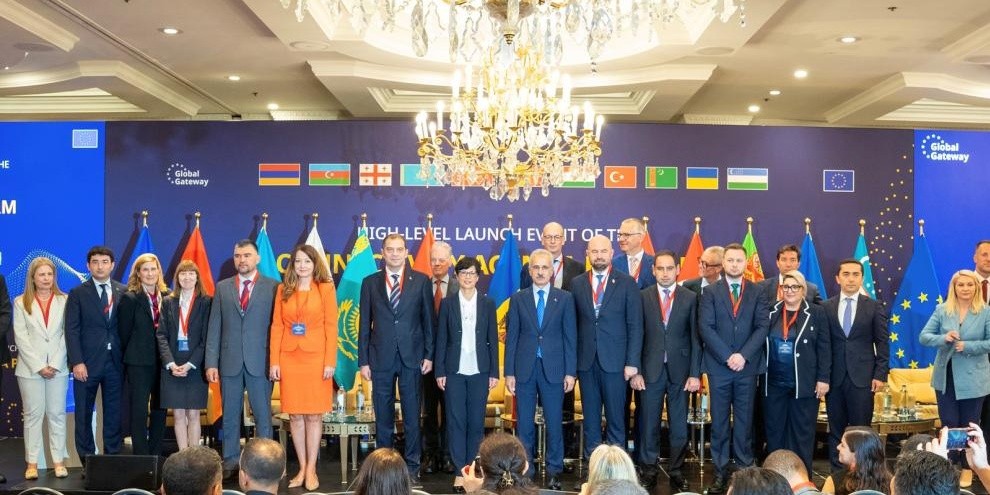
International rating agency Moody’s has upgraded Tajikistan's long-term sovereign credit rating to B2 with a stable outlook, according to the National Bank of Tajikistan. According to the financial regulator, Tajikistan has been cooperating with Moody’s since 2014, and the latest decision marks the first time the country’s sovereign rating has been raised to the B2 level. The National Bank said the upgrade reflects the government’s ongoing economic reforms and policy measures aimed at strengthening the country’s financial system and macroeconomic stability. Moody’s cited several factors behind the upgrade from B3 to B2, including sustained economic growth in recent years, improvements in fiscal management, and continued positive macroeconomic trends. The agency also highlighted progress in structural reforms, reduced risks related to public debt, and improvements in public financial management. The stable outlook indicates Moody’s expectation that Tajikistan will maintain prudent fiscal and monetary policies in the coming years. A B2 sovereign rating signals moderate creditworthiness. This means that while the country is capable of meeting its financial obligations, certain economic and external risks remain. Compared with the previous B3 rating, the upgrade reflects a stronger financial position and increased confidence from international financial markets. The stable outlook also suggests that no major macroeconomic shocks are expected in the medium term and that economic risks are considered manageable. Assessments by international rating agencies play an important role for countries seeking access to global financial markets. First, sovereign credit ratings help investors and lenders evaluate a government’s ability to meet its financial obligations, which directly affects borrowing costs and loan conditions. Second, a higher rating increases a country’s attractiveness to international investors. Global financial institutions often rely on such ratings when assessing investment risks, meaning improvements can help attract foreign capital. Credit ratings are also viewed as indicators of economic stability and fiscal discipline, strengthening confidence in government policies among international partners and domestic market participants. In addition, sovereign ratings influence external debt management and help governments raise financing for infrastructure and social development projects. The Moody’s upgrade is not the only positive signal for Tajikistan’s economy. Just a month earlier, another major international rating agency, Standard & Poor’s, improved the outlook on Tajikistan’s long-term sovereign credit rating from stable to positive while maintaining the rating at B. Taken together, the assessments from two leading global rating agencies highlight improvements in Tajikistan’s macroeconomic conditions and point to stronger prospects for financial stability in the coming years.

Dushanbe and London Agree on Cooperation on Critical Minerals

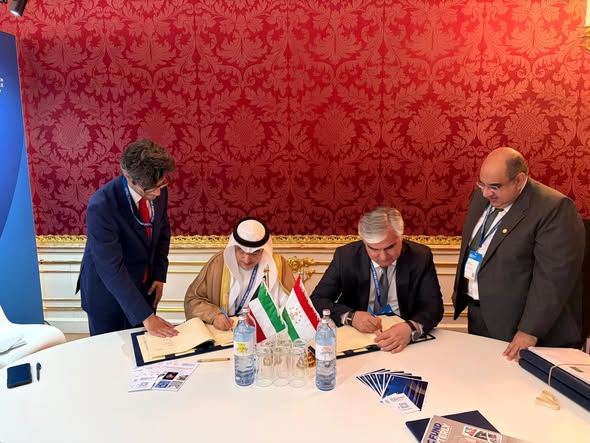
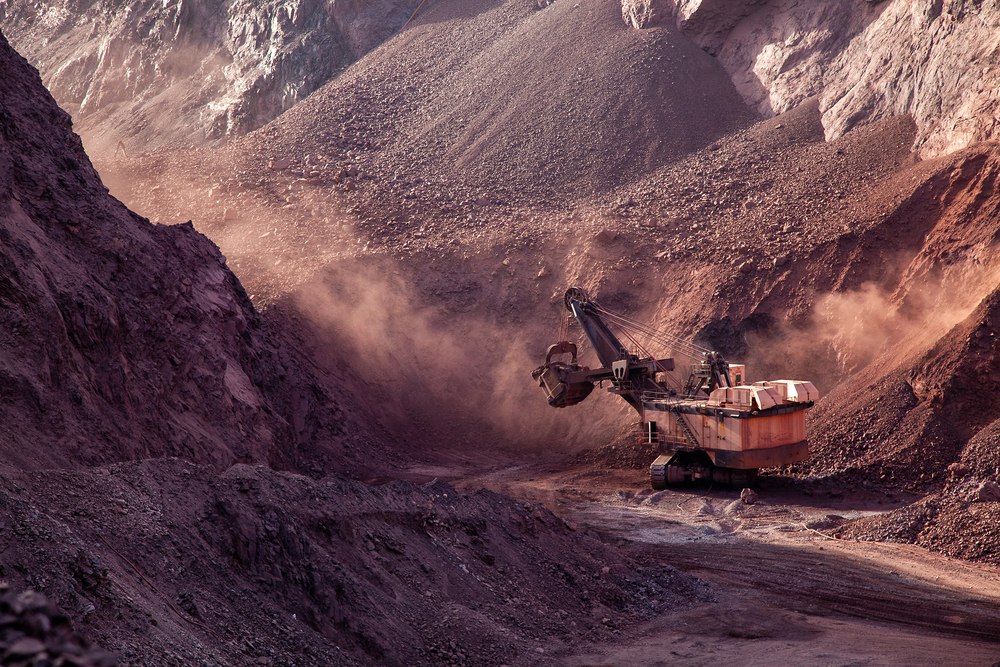
The Tajik government has approved a draft memorandum of understanding with the United Kingdom on cooperation in the field of critical minerals. The agreement is expected to be concluded between Tajikistan’s Ministry of Industry and New Technologies and the UK government. The draft memorandum emphasizes the strategic importance of critical minerals for the global economy. These resources are essential for industrial development, advanced technologies, and the transition to low-carbon energy systems. The document notes that sustainable and transparent supply chains for such minerals are crucial for economic security. The market for these resources remains vulnerable due to the high concentration of production in a limited number of countries and the risk of supply disruptions. Cooperation between Tajikistan and the UK aims to diversify supply sources and promote the development of more sustainable international supply chains for the extraction and processing of raw materials. The parties also intend to implement high sustainable development standards throughout project lifecycles, including environmental, social, and governance (ESG) principles. The memorandum also includes the possibility of export credit and project insurance, subject to certain conditions. In addition to business cooperation, the agreement provides for the development of scientific and educational initiatives. In particular, the following measures are planned: the creation of academic partnerships; the exchange of experience between research institutes; strengthening the institutional capacity of the mining sector. A joint working group on critical minerals will be established to coordinate cooperation, with meetings planned twice a year. The memorandum will be valid for five years, with the possibility of automatic renewal. Tajikistan has significant reserves of several strategic resources. According to geologists, there are indications of lithium deposits in the country, a key metal used in the production of electric vehicle batteries and electronics. Rare earth elements have also been identified, including potential deposits of cerium and praseodymium, which are used in electronics and renewable energy technologies. In addition, the country has reserves of niobium and tantalum.

Iran Volatility Tests Central Asia’s Overland Corridors

The current escalation around Iran holds the potential for transforming the long-term geopolitical configuration of Eurasia, including Central Asia. In the short and medium term, aside from the security and safety of its citizens, Central Asia's main concern is economic, because it puts stress on overland rail and trucking routes that cross Iranian territory. Central Asian exporters do not ship through the Gulf, so for now the key issue is whether an Iran-crossing land route remains reliable enough, and financeable enough, to serve as a routine outlet for trade. The Iran transit option differs from trans-Caspian reliance on ports and rail interfaces around the Caspian Sea, transiting to onward rail across the South Caucasus and into Europe. The Iran option offers a continuous land arc from Central Asian railheads and road networks into Iran, then onward to Türkiye and connected European rail networks, with the additional possibility of reaching Iran’s southern ports for Indian Ocean-facing trade. Each route has its own chokepoints, paperwork burdens, and exposure to risk premiums. Rail is efficient for bulk and container flows when schedules and documentation are stable. Trucking provides flexibility, short-notice capacity, and last-mile options, but it is more sensitive to security conditions and border clearance delays. Technical capacity at the Iran–Turkmenistan crossings is key. Recent reports of discussions in Sarakhs describe efforts to expand the use of a specialized rail logistics process whereby entire wheel assemblies are replaced on railcars to transition between different track gauges. There is also a need to address customs constraints at Sarakhs and Incheh Borun. Against that operational background, Kazakhstan has signaled diplomatic attention to Gulf partners and Jordan. President Kassym-Jomart Tokayev has sent messages of support to leaders of the United Arab Emirates, Saudi Arabia, Qatar, Bahrain, and Kuwait, followed by a similar message to Jordan, and a phone call with Qatar’s emir. The language emphasized solidarity and diplomacy and, in commercial terms, reads as partner-management. It reassures major investors and energy-market counterparts that Kazakhstan is engaged, attentive, and positioning itself for stability rather than escalation. The trans-Iran rail foundation is over a decade old. On December 3, 2014, the presidents of Kazakhstan, Turkmenistan, and Iran inaugurated the 928-kilometer Uzen–Bereket–Gorgan railway, characterized by RFE/RL (which gave the length as 935 kilometers) as the shortest railway connecting the three states. The International Union of Railways similarly notes the inauguration of the Gorgan–Inche Boroun link on that date as part of the corridor connecting Iran to Turkmenistan and Kazakhstan. Recent reporting suggests renewed efforts to operationalize the Iran option as a westbound channel. Uzbekistan, in cooperation with Türkiye, launched freight rail services along the Uzbekistan–Turkmenistan–Iran–Türkiye route in 2022. The Organization of Turkic States described a December 2022 event in Tashkent as the first freight train organized from Türkiye to Uzbekistan, which anchors the same basic idea: make westbound rail via Iran more regular and more visible to logistics markets. The point is not that Iran becomes the sole answer, but that Central Asian exporters and transit states have been...