• KGS/USD = 0.01144 0%
  • KZT/USD = 0.00208 0%
  • TJS/USD = 0.10440 -0.19%
  • UZS/USD = 0.00008 0%
  • TMT/USD = 0.28571 0.28%
  • KGS/USD = 0.01144 0%
  • KZT/USD = 0.00208 0%
  • TJS/USD = 0.10440 -0.19%
  • UZS/USD = 0.00008 0%
  • TMT/USD = 0.28571 0.28%
  • KGS/USD = 0.01144 0%
  • KZT/USD = 0.00208 0%
  • TJS/USD = 0.10440 -0.19%
  • UZS/USD = 0.00008 0%
  • TMT/USD = 0.28571 0.28%
  • KGS/USD = 0.01144 0%
  • KZT/USD = 0.00208 0%
  • TJS/USD = 0.10440 -0.19%
  • UZS/USD = 0.00008 0%
  • TMT/USD = 0.28571 0.28%
  • KGS/USD = 0.01144 0%
  • KZT/USD = 0.00208 0%
  • TJS/USD = 0.10440 -0.19%
  • UZS/USD = 0.00008 0%
  • TMT/USD = 0.28571 0.28%
  • KGS/USD = 0.01144 0%
  • KZT/USD = 0.00208 0%
  • TJS/USD = 0.10440 -0.19%
  • UZS/USD = 0.00008 0%
  • TMT/USD = 0.28571 0.28%
  • KGS/USD = 0.01144 0%
  • KZT/USD = 0.00208 0%
  • TJS/USD = 0.10440 -0.19%
  • UZS/USD = 0.00008 0%
  • TMT/USD = 0.28571 0.28%
  • KGS/USD = 0.01144 0%
  • KZT/USD = 0.00208 0%
  • TJS/USD = 0.10440 -0.19%
  • UZS/USD = 0.00008 0%
  • TMT/USD = 0.28571 0.28%

Viewing results 55 - 60 of 166

World Bank to Investigate Regional Risks of Rogun Dam Project

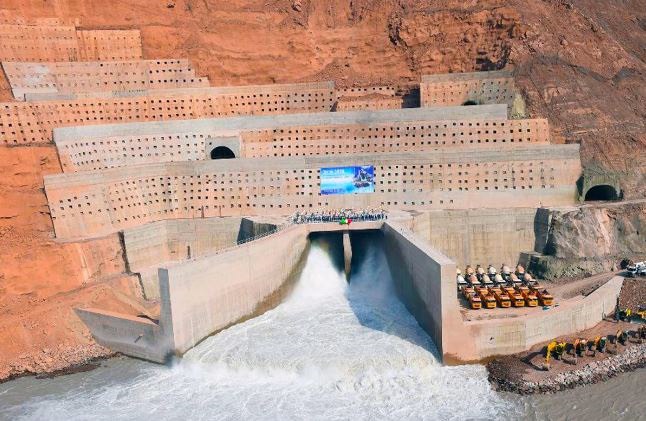
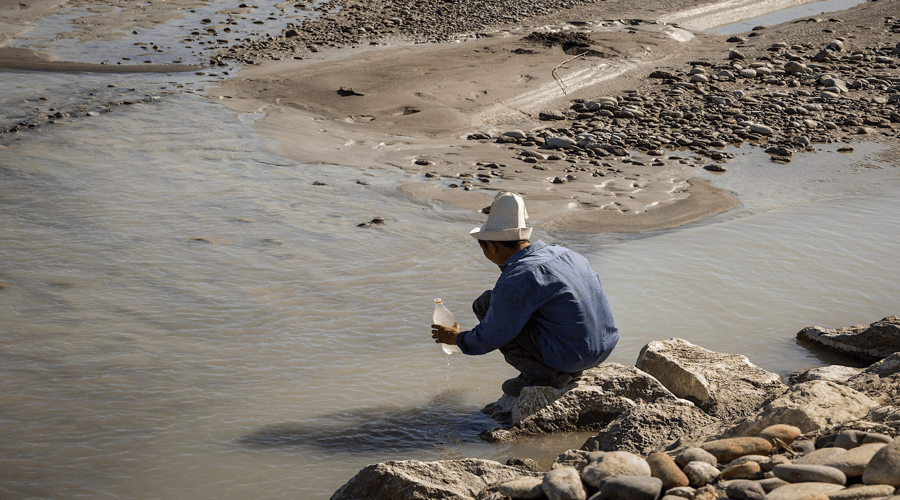
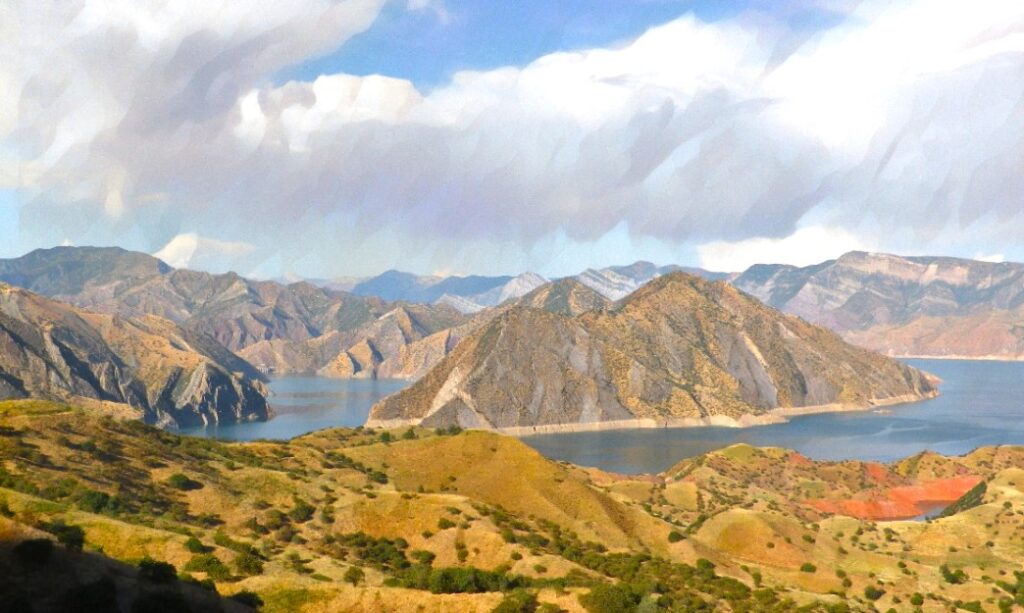
The World Bank’s Inspection Panel has agreed to review a formal complaint filed by residents of Uzbekistan and Turkmenistan concerning the environmental and social risks associated with the Rogun Hydropower Project (HPP) in Tajikistan. The complaint, submitted by the regional environmental coalition Rivers Without Boundaries, targets a $350 million World Bank loan and related technical assistance used to revise the project’s 2014 environmental and social impact assessments. The complainants argue that the current studies are outdated and inadequate, relying on assumptions that are more than a decade old. They contend the assessments fail to account for the downstream effects of storing and diverting water from the Vakhsh River, one of the primary tributaries of the Amu Darya basin, on communities and ecosystems in Uzbekistan and Turkmenistan. Preliminary estimates from the World Bank suggest that filling the Rogun reservoir could decrease the flow into the Aral Sea by 0.8 to 1.2 cubic kilometers annually, potentially cutting today’s levels by as much as 25%. Such a reduction, critics warn, could exacerbate ongoing issues in the region, including desertification, soil salinity, and land degradation. These challenges have plagued villages in the lower Amu Darya since Soviet-era irrigation schemes dramatically reduced the sea’s volume, leading to persistent dust storms and declining water quality. Local farmers are particularly concerned about the dam’s effect on the timing of water availability. If the dam shifts the river’s flow from spring and summer into winter storage, it could disrupt traditional irrigation cycles, forcing expensive infrastructure adjustments. Some communities fear economic collapse and forced migration if water needs go unmet during critical planting seasons. Environmental experts also highlight the cumulative threat posed by the Rogun HPP in conjunction with Afghanistan’s planned Qosh Tepa canal. No comprehensive analysis has been conducted to evaluate the combined impact of these two major water diversion projects on regional hydrology and biodiversity. The World Bank itself estimates that climate change could reduce water availability in the region by 15-30% by 2050, potentially costing Uzbekistan up to 250,000 agricultural jobs and requiring billions in climate adaptation investments. In response, Rivers Without Boundaries has called on the World Bank and its co-financiers, who have collectively pledged over $1 billion, to suspend further funding until a transparent, independent risk assessment is completed. The coalition advocates for a thorough study of alternative project designs, such as a lower dam height, to mitigate environmental and social damage. They also demand genuine public consultation with all Amu Darya basin countries, equitable compensation mechanisms, and legally binding water management agreements. Failure to address these concerns, the group warns, risks triggering an irreversible ecological and humanitarian crisis across Central Asia.

Seismic Cities: Is Central Asia Prepared for a Major Earthquake?

The recent 7.7-magnitude earthquake in Myanmar, which claimed over 3,500 lives and caused structural failures more than 1,000 kilometers away in Bangkok, has once again highlighted the precariousness of life in seismically active regions. “Earthquakes happen on geological faults, which are often sited at the edges of mountain ranges.” Richard Walker, Professor of Tectonics at the University of Oxford told The Times of Central Asia. “Sadly, the edges of mountain ranges are often the best places to live, due to the presence of water and of land for farming.” All Central Asian capitals, except for Kazakhstan’s relocated capital Astana, are located on such terrain. This has historically made them vulnerable. The 1948 earthquake in Ashgabat destroyed almost the entire city; Tashkent suffered a similarly destructive event in 1966, and Almaty was wracked by twin blows in 1887 and 1911. Although no such catastrophic event has occurred in the last half century, the earth beneath the region continues to rumble restlessly. Two quakes in early 2024 left the residents of Almaty unnerved. Last week, on April 14, a 5.9 magnitude earthquake in Tajikistan caused the death of a young boy and damage to around thirty homes near the Chinese border. Though moderate, these tremors serve to remind residents of the active tectonics of the region and raise questions about the structural readiness of buildings and infrastructure should a stronger event occur. Botched Building After the 2023 earthquake on the Turkey-Syria border, which killed over 53,000 people in Turkey alone, authorities launched investigations into over a hundred individuals linked to the construction of buildings that did not withstand the tremors. Such stories were familiar to people who grew up in the Soviet Union. In the 1988 Spitak earthquake in Armenia, tens of thousands died in Leninakan (now Gyumri). Many of the casualties were put down to the collapse of identikit 9-storey tower blocks built in the Brezhnev era. These were designed to withstand a magnitude 7 earthquake; in the event, the 6.8 magnitude quake that struck Leninakan caused 72 out of 78 of these buildings to collapse. In a bitter irony, many older, pre-Soviet structures remained intact. One team of international inspectors blamed “very low construction standards and suspect joint details” in Leninakan for the scale of the disaster. Similar precast tower blocks to those that collapsed in Armenia can be seen across the former USSR. According to the Uzbek media, the Cabinet of Ministers estimated in 2023 that approximately 70% of private housing in the country failed to meet current earthquake resistance standards. “The 2023 earthquake in Turkey was a tragic reminder of the importance of strict compliance with building codes and continuous quality control of construction in seismic regions,” Daulet Sarsenbayev, director of the Kazakhstan’s National Scientific Center for Seismological Observations and Research, told TCA. “Such events provide valuable lessons for all countries, including Kazakhstan, in terms of the need to strengthen the regulatory framework, increase transparency in the construction industry, and invest in resilient infrastructure.” In response to the...

Earthquake in Tajikistan Kills One Child, Damages About 30 Homes

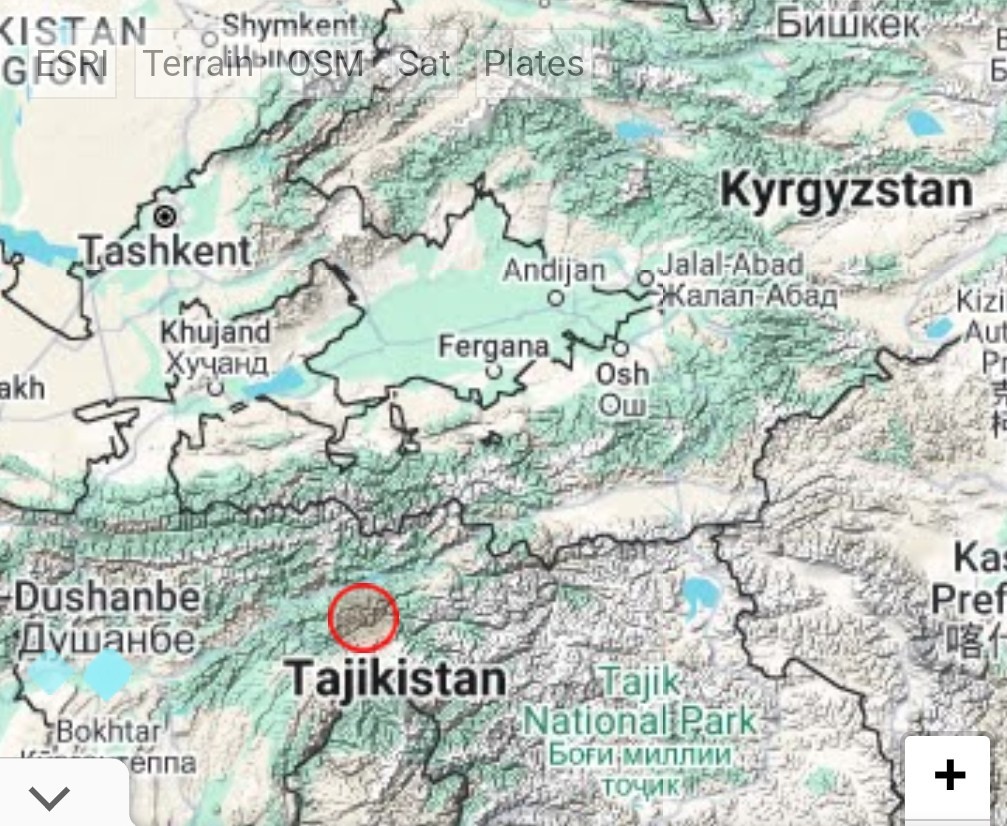
A powerful earthquake struck Tajikistan on Sunday, killing a young child who was trapped under a wall, damaging about 30 houses and alarming people in parts of neighboring countries who felt the impact.     The epicenter of the quake was 25 kilometers east of Rasht, Tajikistan, at a depth of 12.6 kilometers, the U.S. Geological Survey reported. The Euro-Mediterranean Seismological Centre issued a similar report, saying the magnitude was 5.9 and citing the accounts of witnesses who said there was strong shaking in Dushanbe, the capital. The Rasht area is about 150 kilometers northeast of Dushanbe and lies on the border with Kyrgyzstan.  Disaster response authorities in Tajikistan identified the child who died as Abdugani Mashrabov, a resident of the rural village of Ushturpast, who was born in 2022.  At least 29 residential buildings and a school were damaged in the quake, mostly in the Rasht area, according to preliminary information from the government. The Rasht valley, which has picturesque landscapes of gorges and mountains, is relatively remote. It was an opposition stronghold during Tajikistan’s civil war in the 1990s and was the scene of intense fighting. More recently, development had been slowed by tensions between Tajikistan and Kyrgyzstan that sometimes spilled into violence, though a border agreement signed last month between the two countries could open the way to increased trade and transit.

Communities in Uzbekistan and Turkmenistan Demand World Bank Investigation into Rogun HPP

The World Bank’s Inspection Panel has agreed to formally investigate the World Bank’s involvement in the Rogun Hydropower Project (HPP) in Tajikistan, following a complaint filed on behalf of communities living downstream on the Amu Darya River in Uzbekistan and Turkmenistan. The complaint, submitted by the international environmental coalition Rivers without Boundaries, raises serious concerns about the project's environmental and social impacts. The group claims the World Bank approved funding for the project based on outdated and incomplete assessments, failing to adequately consider risks to local ecosystems and communities. At the heart of the issue is the potential impact of filling the Rogun reservoir, which could reduce water flow to the Amu Darya delta by 25% or more. Experts warn this could accelerate desertification, increase soil salinity, and threaten the livelihoods and health of up to 10 million people in Uzbekistan and Turkmenistan. Particularly vulnerable are the region’s rare tugai forests, including the Tigrovaya Balka Reserve, which was inscribed on UNESCO’s World Heritage List in 2023. The dam's construction also endangers local aquatic species, such as the critically endangered Amu Darya false shovelnose sturgeon. “This investigation is a crucial step,” said Yevgeny Simonov, international coordinator of Rivers without Boundaries. “The Rogun project in its current form is a massive threat to the environment and to millions of people in Central Asia. The World Bank must adhere to its own environmental and social safeguards.” Activists also criticized the lack of public consultation in Uzbekistan and Turkmenistan, where affected communities were allegedly not informed in their native languages, Uzbek, Karakalpak, or Turkmen and where access to key documents was limited. Several complainants reportedly requested anonymity, citing fear of retaliation, which reflects the challenging environment for civic participation in the region. “People living in the lower Amu Darya basin have already suffered for decades due to poor water management and the drying of the Aral Sea. The Rogun project could be the final blow,” said Manana Kochladze of CEE Bankwatch Network. “There has been no serious dialogue with those whose lives depend on this river, which contradicts the basic principles of transparency and participation.” In 2023, environmental groups submitted proposed modifications to align the Rogun project with international standards, including cheaper and safer alternatives. However, the World Bank has yet to respond. Rivers without Boundaries alleges that the project violates multiple Bank policies, including those on environmental assessment, biodiversity protection, resource efficiency, dam safety, community engagement, and resettlement. The coalition is now urging the World Bank and other financiers to pause funding until a comprehensive, independent, and transparent investigation is completed and until meaningful steps are taken to prevent further harm to both people and nature.

European Investment Bank Commits €365 Million to Environmental Projects in Central Asia

At the first EU-Central Asia Summit, held in Samarkand, Uzbekistan, on April 4, European Investment Bank (EIB) Vice-President Kyriacos Kakouris signed four memorandums of understanding with partners in Kyrgyzstan, Tajikistan, and Uzbekistan. The agreements will direct €365 million in funding and are expected to unlock up to €1 billion in investment for sustainable transport, water management, and climate resilience initiatives across the region. The EIB is the long-term lending institution of the European Union. These agreements support the EU’s Global Gateway strategy, which aims to boost private sector development, improve transport and logistics infrastructure, and strengthen water management and environmental sustainability throughout Central Asia. In Kyrgyzstan, the EIB will provide €50 million through the Kyrgyzstan State Development Bank to support infrastructure investments via the National Promotional Bank. Tajikistan will receive €100 million to develop sustainable transport infrastructure along the Trans-Caspian Transport Corridor. In Uzbekistan, €175 million will be allocated to the Uzbekistan Water Implementation Center for water management and environmental sustainability projects, particularly under the Aral Sea Project, in collaboration with the French Development Agency (AFD). Additionally, Uzbekistan’s JSCB Microcredit bank will receive €40 million to bolster private sector development and to enable local financing for projects that contribute to sustainable transport and logistics connectivity. During the summit, Kakouris also signed a Host Country Agreement with Uzbekistan, establishing an EIB Regional Representation in the country to enhance the Bank’s presence in Central Asia. The EIB further announced the launch of negotiations for a framework agreement with Turkmenistan, signaling plans to begin operations there. “These agreements underscore the European Union and Central Asia’s shared commitment to deepening mutually beneficial cooperation,” said Kakouris. “As the EU’s bank, the EIB will continue playing a pivotal role in strengthening economic ties, promoting sustainability and private sector development, and enhancing infrastructure across the region. The memorandums of understanding pave the way for future financing in the transport and water sectors. Moreover, the Host Country Agreement with Uzbekistan and the launch of negotiations with Turkmenistan mark important milestones for the EU’s growing engagement in Central Asia.”

Climate Change – A Catalyst for Poverty and Environmental Degradation in Central Asia

Climate change encapsulates the gradual yet profound shifts in temperature and weather patterns over extended periods. While these changes can arise naturally from various phenomena — such as fluctuations in solar energy or significant volcanic eruptions — the advent of the industrial age in the 1800s marked a pivotal point where human influence became the predominant force driving climate change. This influence stems chiefly from burning fossil fuels, including coal, oil, and natural gas. The combustion of these fuels releases vast quantities of greenhouse gases into the atmosphere, creating a thick layer that envelops the Earth and traps heat from the sun, resulting in a steady rise in global temperatures. Carbon dioxide (CO2) and methane (CH4) are the most significant greenhouse gases contributing to this crisis. Carbon dioxide predominantly emerges from driving gasoline-powered vehicles and burning coal for heating. Additionally, the widespread practices of deforestation and land conversion continue to elevate carbon dioxide levels. Methane, meanwhile, is primarily produced through agricultural practices and the extraction processes associated with the oil and gas industries. The sectors that bear the heaviest burden in terms of greenhouse gas emissions include energy production, industrial processes, transportation, building operations, agriculture, and land use changes. The ramifications of this unfolding climate crisis are dire, especially for the world’s most vulnerable populations, particularly those residing in poverty. According to alarming insights from the World Bank, the 74 countries with the lowest income levels contribute a mere one-tenth of global greenhouse gas emissions. Yet, ironically, these nations are poised to endure the harshest repercussions of climate change. Over the past ten years, they have experienced an astounding surge in natural disasters, facing approximately eight times the frequency of such events compared to the 1980s. The effects on the lives of vulnerable populations are profound and far-reaching. Many face severe health challenges, including the prevalence of illnesses exacerbated by inadequate healthcare access. Erratic water supply creates a critical situation, often resulting in polluted drinking water that can lead to waterborne diseases. Additionally, the standard of education for these communities tends to be alarmingly poor, limiting future opportunities for young individuals. Many are forced to relocate as refugees, fleeing conflict and instability, which further complicates their lives. Moreover, those who find employment often encounter hazardous working conditions that put their safety and well-being at significant risk. Climate change presents profound security challenges for Central Asia, a region grappling with the dual threats of environmental shifts and social vulnerabilities. The interplay of climate change with existing fragility intensifies the risks to peace, stability, and security across the globe. This convergence will exacerbate human insecurity and escalate socio-economic and political instability. As a result of these changing climatic conditions, critical resources such as water, food, and energy face increasing threats. Countries already characterized by vulnerability — those grappling with conflict or instability — are among the most likely to experience detrimental effects. For instance, reports indicate severe drought conditions have led to a 30-40% decrease in agricultural production in some Central Asian...