• KGS/USD = 0.01144 0%
  • KZT/USD = 0.00218 0%
  • TJS/USD = 0.10456 0%
  • UZS/USD = 0.00008 0%
  • TMT/USD = 0.28571 0%
  • KGS/USD = 0.01144 0%
  • KZT/USD = 0.00218 0%
  • TJS/USD = 0.10456 0%
  • UZS/USD = 0.00008 0%
  • TMT/USD = 0.28571 0%
  • KGS/USD = 0.01144 0%
  • KZT/USD = 0.00218 0%
  • TJS/USD = 0.10456 0%
  • UZS/USD = 0.00008 0%
  • TMT/USD = 0.28571 0%
  • KGS/USD = 0.01144 0%
  • KZT/USD = 0.00218 0%
  • TJS/USD = 0.10456 0%
  • UZS/USD = 0.00008 0%
  • TMT/USD = 0.28571 0%
  • KGS/USD = 0.01144 0%
  • KZT/USD = 0.00218 0%
  • TJS/USD = 0.10456 0%
  • UZS/USD = 0.00008 0%
  • TMT/USD = 0.28571 0%
  • KGS/USD = 0.01144 0%
  • KZT/USD = 0.00218 0%
  • TJS/USD = 0.10456 0%
  • UZS/USD = 0.00008 0%
  • TMT/USD = 0.28571 0%
  • KGS/USD = 0.01144 0%
  • KZT/USD = 0.00218 0%
  • TJS/USD = 0.10456 0%
  • UZS/USD = 0.00008 0%
  • TMT/USD = 0.28571 0%
  • KGS/USD = 0.01144 0%
  • KZT/USD = 0.00218 0%
  • TJS/USD = 0.10456 0%
  • UZS/USD = 0.00008 0%
  • TMT/USD = 0.28571 0%

Viewing results 247 - 252 of 621

Tajikistan’s Acute Hunger Issue

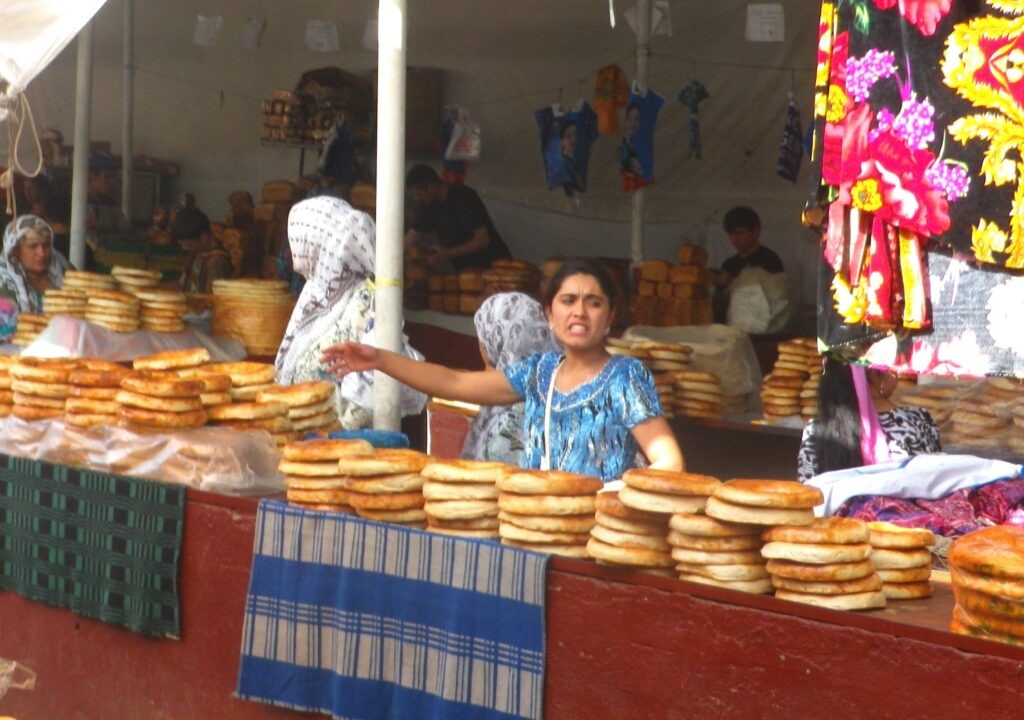
Tajikistan has been recognized as the hungriest country among the former Soviet republics. According to the Global Hunger Index prepared by the International Food Policy Institute, 8.7% of the country's population faces food shortages, and ranked 65th out of 127 countries in the world, is on par with countries such as Nicaragua and Ghana. Lower index scores equal less food problems. Assessments of hunger are based on child mortality, stunting, and wasting and in recent years, Tajikistan has consistently ranked lowest among post-Soviet countries in the Global Hunger Index. Despite attempts to improve the situation, the country remains one of the most vulnerable in the region. Today, 18.4% of children under five are stunted due to malnutrition, 5.1% are wasted, and 3% of children do not survive to the age of five; all indicative of  serious food security problems in the country. According to the Global Hunger Index, malnutrition varies widely across the former Soviet Union. The best results are demonstrated by Uzbekistan, which ranks first among countries with minimal hunger issues. In the republic, less than 2.5% of the population faces food shortages. Stunting affects 6.5% of children; wasting ,2.4% of children, and infant mortality does not exceed 3.1%. Uzbekistan was the only Central Asian country to rank highly among the 22 former Soviet republics with the lowest hunger rates, including Belarus, Estonia, Latvia, Lithuania, Russia, and Georgia. Belarus and Lithuania consistently demonstrate a high level of food security, making them among the leaders of the former Soviet republics. Armenia and Kazakhstan, in contrast, rank 23rd and 25th, respectively, demonstrating moderate nutritional problems among the population. Moldova, ranked 26th, has a similar situation: malnutrition remains relatively low but requires attention. Kyrgyzstan ranks 36th and Ukraine 46th, indicating average hunger levels. Turkmenistan was ranked 50th. The situation is particularly dire in Africa, which tops the list of countries with the most significant hunger problems. South Sudan, Burundi, Somalia, Yemen, and Chad, recognized as the hungriest countries in the world, experience extremely high rates of child mortality and malnutrition among their populations.


Tajikistan Signs First Stage of $100 Million Contract with OPEC Fund for Rogun HPP

On October 10, during a visit to the headquarters of the OPEC Fund in Vienna, a delegation from the Republic of Tajikistan, led by Deputy Prime Minister Usmonali Usmonzoda, signed a contract marking the completion of the first stage of the Credit Agreement between the two parties to finance the Rogun HPP (Lot 4) project. The project aims to promote the republic's energy security and economic development by increasing the production of electricity to supply the domestic market and its export to the region's countries. A total of  $100 million allocated by the OPEC Fund for the project, will be implemented in four stages under separate agreements worth $25 million. The rating agency S&P has estimated the cost of completing the construction of the Rogun HPP in Tajikistan as $6.4 billion. According to S&P, the Rogun HPP currently produces electricity at 10-15% of its total capacity. In 2024-2035, income from electricity which is expected to reach $1.1 billion, will be invested in further construction of hydroelectric power plants. On September 17, during the summit of the Central Asian countries and Germany, in Astana, President of Tajikistan, Emomali Rahmon, invited German Chancellor Olaf Scholz to cooperate on the Rogun HPP. Since then, The Times of Central Asia has been reporting on loans allocated for the plant’s construction.

Kazakhstan-Tajikistan Trade Turnover Rises 6%

According to the State Revenue Committee of Kazakhstan's Ministry of Finance, the trade turnover between Kazakhstan and Tajikistan has reached $780.7 million so far this year, 6% higher than for the same period last year. From January to August 2024, Kazakhstan exported over 1.6 million tons of goods worth $613.2 million to Tajikistan, an increase of 15.5% compared to last year. The main export product was wheat, with 629,100 tons valued at $154.5 million. Tajikistan also produces more sunflower, safflower, and soybean oil – 44,800 tons (+8.2%), pasta – 5,300 tons (+20.7%), and sweet drinks – 12.5 million liters (+5.8 times). The export of aluminum oxide also increased by 40.5% to 105,400 tons; iron and steel rods increased 1.5 times, up to 36,800 tons; plastic windows and frames increased ten times, up to 12,400 tons; and smartphones and media stations increased 1.8 times, up to 148,100 units. However, the supply of liquefied gas decreased by 4% (211,300 tons). At the same time, imports from this country continued to decrease. In January-August, 220,800 tons (-19.4%) of products worth $167.5 million were imported from there. This decrease affected the sales volume of ores and concentrates (lead, copper, zinc) by 12.3%, up to 106,500 tons, and children’s scooters and skateboards by 32.6%, up to 46,00 units. In addition, Kazakhstan has begun to buy fewer fresh fruits and vegetables. For example, the supply of apricots, peaches, and grapes immediately decreased by 2.1 times, to 6,900 tons, and onions by 3.3 times, to 17,600 tons. However, the volume of imported dried fruits increased by 23.3% and amounted to 36,800 tons.

ADB Allocates $15 Million to Tajikistan for Power Grid Reconnection in Central Asia

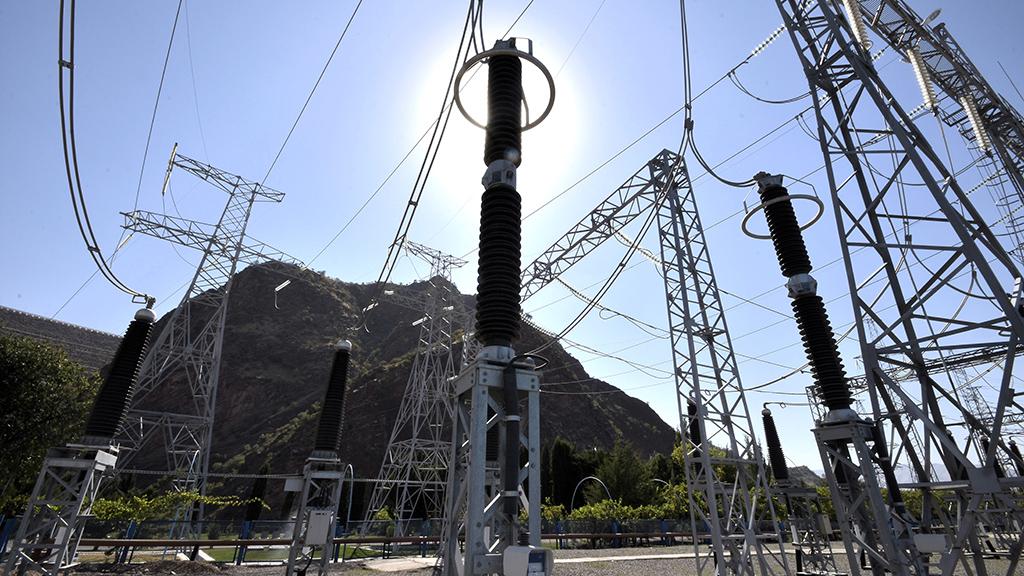
The Asian Development Bank (ADB) has approved a grant of $15 million for a project to reconnect Tajikistan’s power lines to the Central Asian unified electricity grid. The reconnection, it is reported, will be carried out through mutual relations with Uzbekistan. “Through the Central Asia Regional Economic Cooperation (CAREC) program, ADB actively promotes regional power trade among countries in Central Asia and beyond,” said ADB Director General for Central and West Asia Yevgeniy Zhukov. “Our support improves the sustainability of the regional power system and helps reduce greenhouse gas emissions in the region.” The additional funding will build a new 22-kilometer, 500-kilovolt power line in northern Tajikistan, connecting the Sughd substation to the New Syrdarya substation in Uzbekistan. This will increase the ability to send and receive electricity between Kazakhstan, Kyrgyzstan, Tajikistan, and Uzbekistan and improve the infrastructure to prevent blackouts. The project will also help ensure that Tajikistan’s energy system is ready to provide regulatory opportunities for the continued integration of renewable energy in the region. In the long term, it will become a key component of the electricity evacuation scheme for the Rogun hydropower plant in Tajikistan. Previously, ADB approved $17.5 million in grant assistance to improve women's agricultural skills and ensure food security in Tajikistan.

Drop in Uzbekistan’s Exports to Central Asia

Local media has reported that from January - August, Uzbekistan's exports to its four neighboring countries decreased, compared to the same period in 2023. According to data from the  Statistical Agency data, exports to Kazakhstan dropped from 950 million USD to 872 million USD; to Kyrgyzstan, from 491 million USD to 365 million USD; to Tajikistan, from 389 million USD to 329 million USD, and to Turkmenistan, from 118 million USD to 78 million USD. The share of Central Asian countries in Uzbekistan's total foreign trade turnover (FTT) in the first nine months of 2023 was 11.5%. The total FTT was worth 40 billion 45 million USD, of which 4 billion 574.3 million USD were with Central Asian countries. This year, it has decreased to 10.3%, meaning 4 billion 400.6 million USD of FTT of 42 billion 703.3 million USD are with CA countries. The Ministry of Investments, Industry, and Trade attributed the drop to an increase Uzbekistan's exports to international markets with high purchasing power, especially Europe, Arab countries, Southeast Asia, and the Americas, and explained, " due to diversification, the volume of exports to neighboring countries, which are considered a traditional market, decreased. In particular, the volume of exports to Kazakhstan decreased by 8.3%, to Kyrgyzstan by 25.6%, to Tajikistan by 15.3%, and to Turkmenistan by 36.2%."

Tajikistan and Russia Explore Joint Oil and Gas Development Opportunities

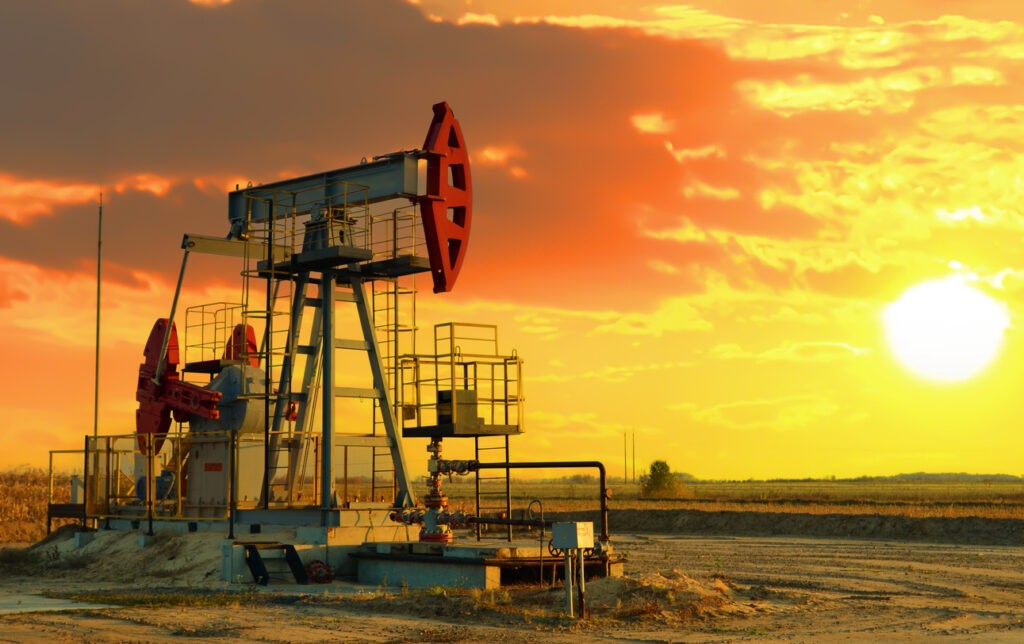
Tajikistan and Russia are studying the possibility of jointly exploiting oil and gas fields in Tajikistan. At the intergovernmental commission meeting held in Dushanbe, Tajikistan's Prime Minister, Kohir Rasulzoda, and the Deputy Chairman of the Russian Government, Marat Khusnullin, discussed the development of mines. “We have given the Russian side a list of promising oil and gas fields in Tajikistan for joint development. We propose to continue working on finding common ground to implement a mutually beneficial project in this area,” Rasulzoda said. He said the Russian side's opinions were considered when making this decision. The Statistical Agency of Tajikistan provides information that in 2023, about 18,000 tons of oil were produced in the country, which isn’t enough to supply oil refineries. In this regard, oil products are imported to Tajikistan. Russia, the leading supplier, provides gasoline and diesel to Tajikistan without customs fees.