• KGS/USD = 0.01144 0%
  • KZT/USD = 0.00211 0%
  • TJS/USD = 0.10678 0%
  • UZS/USD = 0.00008 0%
  • TMT/USD = 0.28490 0%
  • KGS/USD = 0.01144 0%
  • KZT/USD = 0.00211 0%
  • TJS/USD = 0.10678 0%
  • UZS/USD = 0.00008 0%
  • TMT/USD = 0.28490 0%
  • KGS/USD = 0.01144 0%
  • KZT/USD = 0.00211 0%
  • TJS/USD = 0.10678 0%
  • UZS/USD = 0.00008 0%
  • TMT/USD = 0.28490 0%
  • KGS/USD = 0.01144 0%
  • KZT/USD = 0.00211 0%
  • TJS/USD = 0.10678 0%
  • UZS/USD = 0.00008 0%
  • TMT/USD = 0.28490 0%
  • KGS/USD = 0.01144 0%
  • KZT/USD = 0.00211 0%
  • TJS/USD = 0.10678 0%
  • UZS/USD = 0.00008 0%
  • TMT/USD = 0.28490 0%
  • KGS/USD = 0.01144 0%
  • KZT/USD = 0.00211 0%
  • TJS/USD = 0.10678 0%
  • UZS/USD = 0.00008 0%
  • TMT/USD = 0.28490 0%
  • KGS/USD = 0.01144 0%
  • KZT/USD = 0.00211 0%
  • TJS/USD = 0.10678 0%
  • UZS/USD = 0.00008 0%
  • TMT/USD = 0.28490 0%
  • KGS/USD = 0.01144 0%
  • KZT/USD = 0.00211 0%
  • TJS/USD = 0.10678 0%
  • UZS/USD = 0.00008 0%
  • TMT/USD = 0.28490 0%

Viewing results 205 - 210 of 631

Afghanistan Advances TAPI Gas Pipeline Construction as Kazakhstan Explores Participation

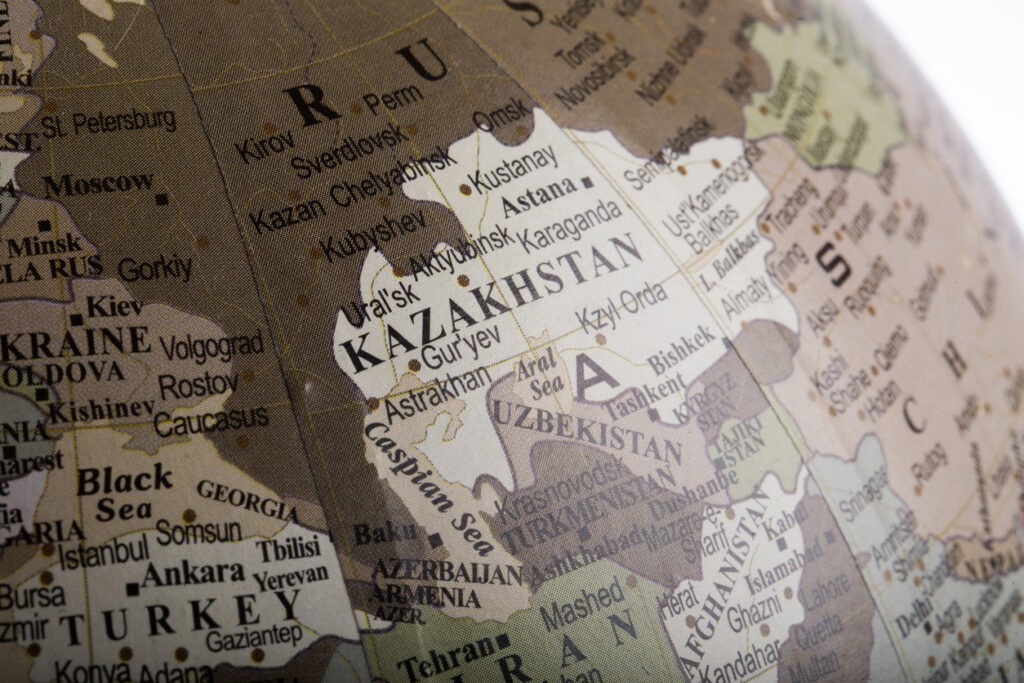
Afghanistan has made significant progress in constructing the Turkmenistan-Afghanistan-Pakistan-India (TAPI) gas pipeline. According to Ariana News, citing the Herat provincial governor’s office, approximately six kilometers of pipeline have already been laid since work began last month. Herat Governor Maulana Islam Jar assured project representatives of his full support, stating that TAPI will play a crucial role in strengthening the economy and promoting regional stability. Afghanistan's section of the pipeline is expected to take approximately two years to complete and represents a significant milestone for the broader project. TAPI is designed to connect Central Asia’s vast gas reserves with the rapidly growing energy markets of South Asia. During a recent meeting, TAPI’s general director in Afghanistan, Abdullah Yoof, updated Governor Jar on construction progress and outlined further plans for the project, including job creation and infrastructure development in Herat province. Meanwhile, Kazakhstan is actively exploring the possibility of joining the TAPI pipeline. The country’s Ministry of Energy has confirmed ongoing negotiations between the national gas company, QazaqGaz, and Turkmengaz, which owns an 85% stake in TAPI Pipeline Company Limited. However, officials have refrained from disclosing details, citing the confidentiality of the discussions. Kazakhstan’s interest in the project was first officially announced by Deputy Energy Minister Yerlan Akkenzhanov. Speaking at the Kazakhstan-Afghanistan Business Forum in October 2024, he highlighted that participation in TAPI could provide Kazakhstan with access to new markets, including Pakistan and India while attracting additional investment to the country’s gas sector. The TAPI pipeline, spanning over 1,800 kilometers, will traverse: Turkmenistan – 214 kilometers Afghanistan – 774 kilometers Pakistan – 826 kilometers The pipeline will terminate in India, providing a crucial energy link between Central and South Asia.
Russian Foreign Ministry Responds to Turkmen Displeasure Over ‘Second Turkmenbashi’ Article

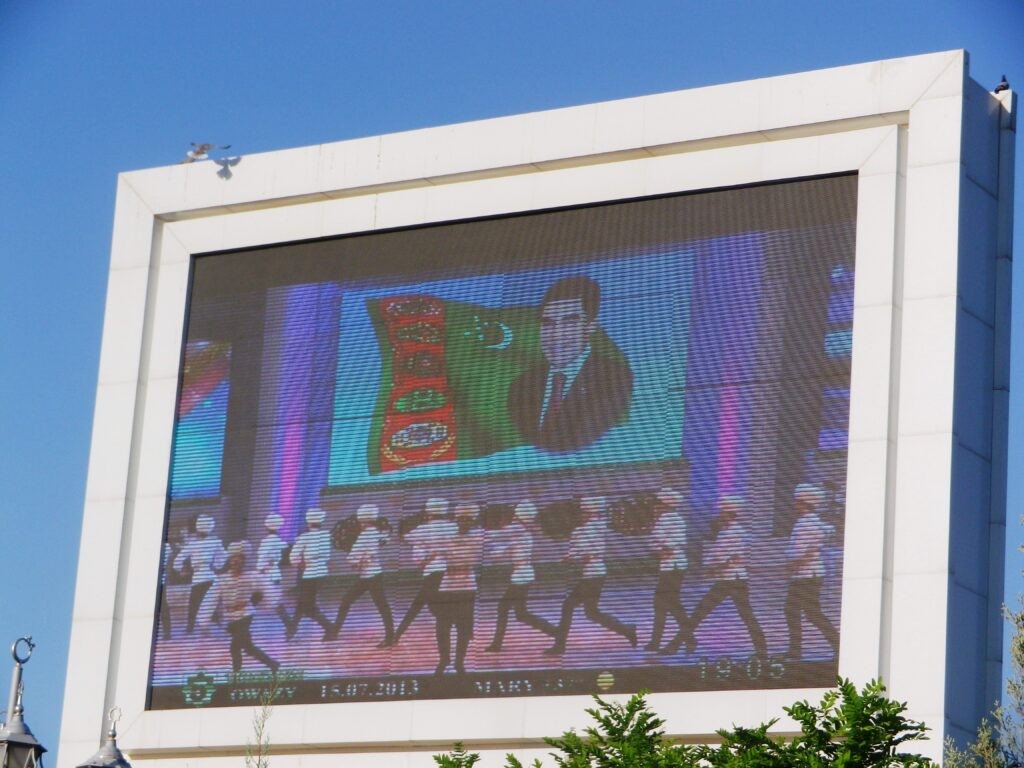
The Russian Foreign Ministry has issued a statement following a controversial article in Nezavisimaya Gazeta that drew criticism from the Turkmen leadership. On January 12, the newspaper published an article titled "Neutrality Turned Out to Be an Excuse for Strengthening the Personality Cult of the 'Second Turkmenbashi.'" The piece compared former president Gurbanguly Berdimuhamedov to his predecessor, Saparmurat Niyazov, who was the subject of a personality cult during his rule over Turkmenistan from 1985 to his death in 2006. Niyazov often called himself "Turkmenbashi" (father of the Turkmen). The Nezavisimaya Gazeta article quoted Arkady Dubnov, an expert on post-Soviet affairs, in relation to a meeting of the Organizing Committee for the 30th anniversary of Turkmenistan's neutrality. During the event, Turkmen Foreign Minister Rashid Meredov reportedly referred to Berdimuhamedov as the “father of the nation.” Dubnov, a critic of authoritarian regimes, remarked that the event symbolized “the birth of another father of the nation on the ruins of the USSR.” The article was subsequently removed from Nezavisimaya Gazeta's website, but not before it provoked discontent in Ashgabat. In response, the Russian Foreign Ministry issued a clarification. In a statement on its official website, the ministry emphasized that "The assessments given in the article have nothing in common with the official position of Russia and do not reflect the high status of ties between our friendly countries." This incident highlights a pattern in which the Russian Foreign Ministry has distanced itself from media outlets over publications that anger foreign governments. Similar cases have occurred in the past, underscoring the delicate balancing act Moscow maintains with its partners in post-Soviet space.

Diplomacy in Detail: Where Each Central Asian Leader Traveled to in 2024

Central Asia is often synonymous with the term "multi-vector foreign policy," enabling its nations to navigate the competing interests of global and regional powers effectively. This "open door" strategy, grounded in the principle of "my friend's friend is my friend," has consistently granted Central Asian countries a distinctive role on the international stage, aiding them in achieving their foreign policy objectives despite shifting geopolitical dynamics. Drawing from official sources, we analyze the frequency and geography of foreign visits by the leaders of Central Asia in 2024, offering insights into their diplomatic engagements. Turkmenistan President Serdar Berdimuhamedov embarked on eight foreign trips in 2024. Among these, only one - a bilateral visit to Malaysia - was not tied to multilateral events. The other seven engagements showcased Turkmenistan’s participation in global diplomacy: XVI BRICS Summit (Kazan) CIS Heads of State Summit (Moscow) Victory Day Celebration (Moscow) Informal CIS Leaders' Meeting (St. Petersburg) Central Asia-Germany Summit (Astana) Sixth Consultative Meeting of Central Asian Leaders (Astana) UN COP28 Conference (Dubai) This year, Berdimuhamedov visited Russia four times, and Kazakhstan twice, and made single trips to the UAE and Malaysia. In parallel, his father and the previous president, Gurbanguly Berdimuhamedov, conducted 10 trips, including four bilateral visits to the UAE and Tajikistan and two to Iran. His international commitments included: One Water Summit (Riyadh) Turkic States’ Council of Elders (Budapest) V World Nomad Games Opening Ceremony (Astana) SCO Summit (Astana) Russia-Islamic World: KazanForum (Kazan) Antalya Diplomatic Forum (Antalya) Tajikistan President Emomali Rahmon undertook 22 foreign trips in 2024, six of which were bilateral, with visits to Russia, Iran, Azerbaijan, Italy/Vatican, and Qatar (twice). Multilateral engagements included: CSTO Summit (Astana) Central Asia-Germany Summit (Astana) Sixth Consultative Meeting of Central Asian Leaders (Astana) SCO Plus Meeting (Astana) COP29 Climate Conference (Baku) Arab-Islamic Extraordinary Summit (Riyadh) UN COP28 Conference (Dubai) UN General Assembly (New York) Uzbekistan President Shavkat Mirziyoyev made 18 international visits, including state visits to Turkey, China, and Tajikistan. He participated in numerous events: COP29 Climate Conference (Baku) Turkic States Informal Summit (Shusha) Arab-Islamic Summit (Riyadh) UN COP28 Conference (Dubai) SCO Meeting (Astana) BRICS+ Summit (Kazan) Kazakhstan President Kassym-Jomart Tokayev led the region in diplomatic outreach with 23 visits. Eleven of these were state visits to Hungary, Serbia, France, Italy/Vatican, Qatar, Azerbaijan, Armenia, Tajikistan, Mongolia, and Singapore. Key multilateral events included: Doha Forum (Doha) One Water Summit (Riyadh) COP29 Climate Conference (Baku) Boao Forum (Boao) Tokayev visited Russia five times, and Azerbaijan three times, and made additional trips to Saudi Arabia, UAE, and other countries in Europe and Asia. Kyrgyzstan President Sadyr Japarov also made 23 foreign visits, including eight state visits to South Korea, Uzbekistan, Kazakhstan, Azerbaijan, Belgium, Germany, Austria, and Italy/Vatican. He attended numerous multilateral forums: CSTO Summit (Astana) Central Asia-Germany Summit (Astana) UN COP28 Conference (Dubai) BRICS+ Summit (Kazan) Japarov visited Russia five times, and Kazakhstan four times, and made single trips to several European and Asian countries. In 2024, Tokayev and Japarov led the region in the number of foreign visits. While...

Azerbaijan Tightens Visa Rules for Russians Amid Aktau Crash Fallout

The Azerbaijani government has announced new restrictions on the temporary stay of Russian citizens, effective January 1, 2025. Under the new rules, Russian citizens and stateless persons residing in Russia will be limited to a maximum of 90 days per calendar year without a visa. The announcement comes in the wake of a tragic plane crash involving an Azerbaijan Airlines (AZAL) aircraft near the Kazakh city of Aktau on December 25. The plane, which had taken off from Baku headed to Grozny, Chechnya, crashed, killing 38 people and injuring 29 others. Kazakhstan is currently leading the investigation into the incident. Accusations and Responses Azerbaijan’s President Ilham Aliyev has stated that the plane was struck by Russian ground fire while flying over Russian territory. He accused Russia of attempting to obscure the truth by spreading “absurd theories” about the crash. Russian President Vladimir Putin had issued an apology for the incident one day before Aliyev's remarks, but did not admit responsibility for the alleged ground fire. International Reactions The crash has prompted flight suspensions to Russia by several airlines, citing safety concerns. Turkmenistan: Flights on the Ashgabat-Moscow-Ashgabat route have been canceled from December 30, 2024, to January 31, 2025. The reason for the decision has not been disclosed, but the airline previously operated twice-weekly flights to Moscow. Kazakhstan: Kazakh Air has suspended its Astana-Yekaterinburg route from December 28, 2024, to January 27, 2025, to ensure passenger safety. Israel: Israeli airline El Al has halted flights on the Tel Aviv-Moscow route until next week, citing “events in Russian airspace.” UAE: Flydubai has suspended flights to Sochi and Mineralnye Vody due to technical reasons. Flights to Sochi are expected to resume on January 2, while services to Mineralnye Vody will restart on January 3. In a symbolic gesture, an Uzbekistan Airways plane circled Aktau Airport twice in memory of the Azerbaijan Airlines crash victims. Broader Implications The tragedy and subsequent allegations have heightened tensions in the region and raised concerns about air travel safety in Russian airspace. While investigations are ongoing, the incident underscores the geopolitical sensitivities and potential risks associated with the aviation sector in this area.

The Netherlands Strengthens Its Position in Turkmenistan’s Agricultural Sector

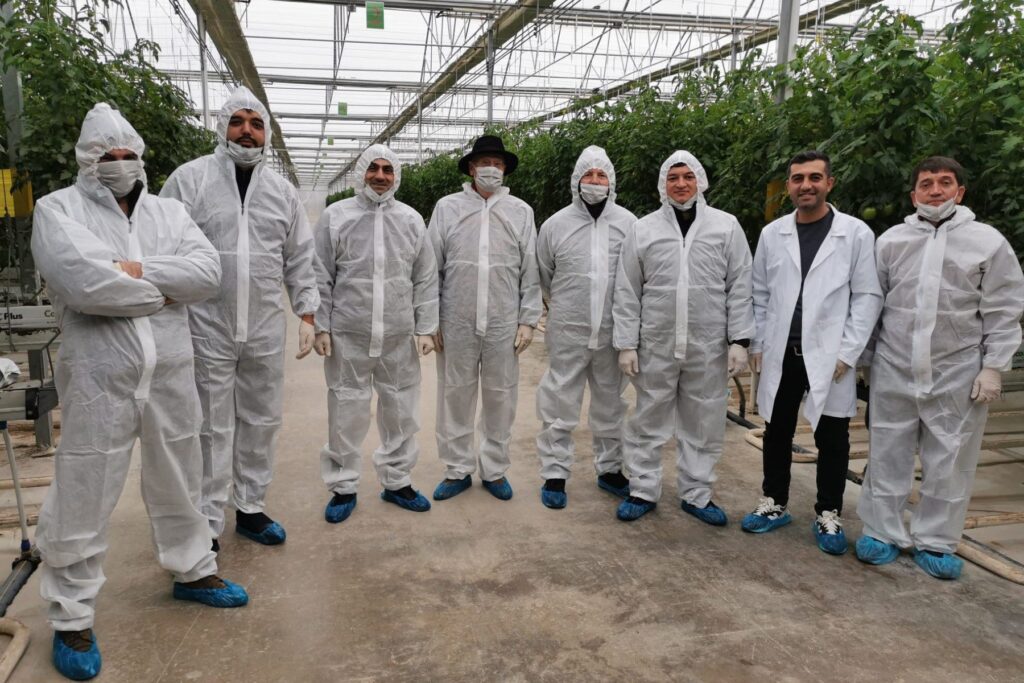
Dutch companies are expanding their presence in Turkmenistan's agricultural sector, exploring new business opportunities to modernize and enhance local farming practices. A delegation led by former Dutch Ambassador to Kyrgyzstan Peter van Leeuwen visited Ashgabat in early December to assess potential collaborations. The delegation included representatives from prominent Dutch firms such as Agrotech Didam, Dalsem, Geerlofs, HZPC, and Kubo. Discussions focused on key areas for joint efforts, including the construction of modern greenhouses, the implementation of drip irrigation systems, and advancements in seed production. Turkmen officials expressed a keen interest in adopting Dutch technologies to boost agricultural yields and efficiency. As part of their visit, the Dutch representatives toured greenhouse complexes near Ashgabat, where crops like tomatoes, strawberries, and bananas are cultivated. They also inspected potato farms and storage systems. The delegation highlighted the significant potential of Turkmenistan’s agriculture and affirmed their willingness to tailor Dutch innovations to suit the country’s specific conditions. This visit followed a Turkmen delegation's trip to the Netherlands in the summer of 2024. During that visit, representatives from Turkmenistan's private sector and the Ministry of Agriculture participated in the international Green Tech Amsterdam exhibition. The event allowed Turkmen officials to explore cutting-edge agricultural technologies and establish connections with global industry leaders. The exchange of delegations underscores growing cooperation between the two nations, with Dutch expertise poised to play a pivotal role in the modernization of Turkmenistan’s agricultural industry.

Opinion: What Will a New Trump Presidency Mean for Central Asia?

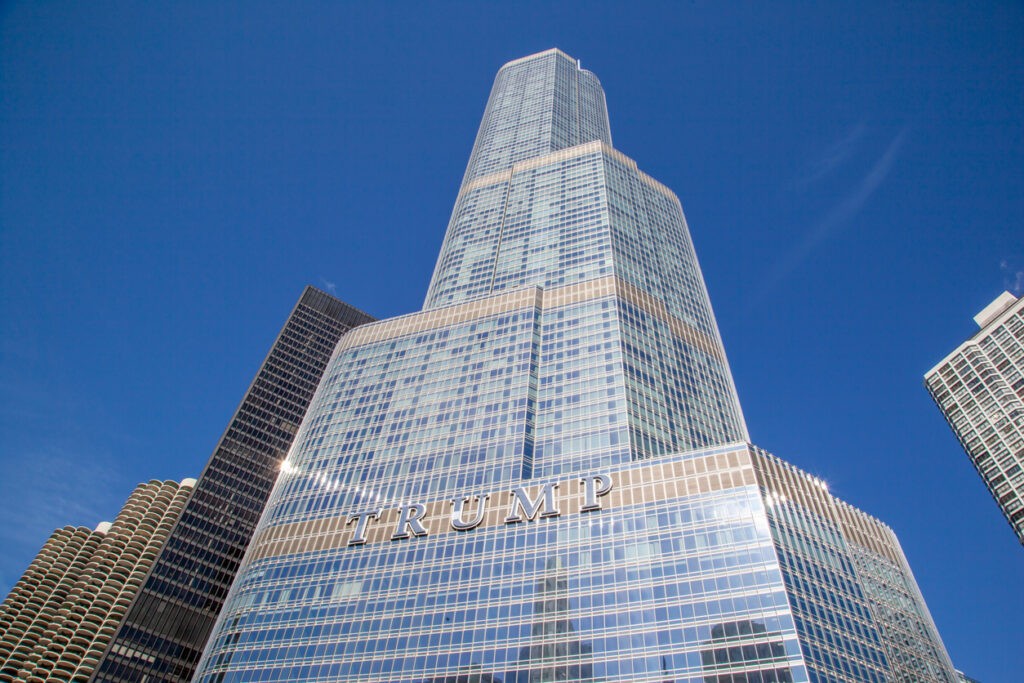
During his first presidency, Donald Trump introduced a foreign policy approach that recalibrated U.S. engagement with Central Asia, a region strategically critical yet overshadowed by the influence of China and Russia. Trump’s policies, targeting the collective challenge of CRINK (China, Russia, Iran, and North Korea), aimed to foster regional autonomy and counter external dependency. This policy shift, aimed at countering the global influence of CRINK has extended to the vital region of Central Asia. Further, it is geographically wedged between Russia and China and serves as a critical bridge for U.S. interests. The CRINK nations, in their regional strategies, have made substantial inroads in Central Asia. Additionally, each nation is pursuing influence through economic, political, or military avenues. China’s Belt and Road Initiative (BRI) and Russia’s Eurasian Economic Union, for instance, have been noted as major forces reshaping Central Asian economies as well as infrastructure. In 2013, the BRI of China was launched, which has channeled billions into roads, railways, and other infrastructure projects in Central Asia, seeking to create new trade routes connecting Asia to Europe. On the other side, Russia has promoted its Eurasian Economic Union as a trading bloc that has aimed at fostering economic integration among Central Asia and neighboring countries. These initiatives have provided economic incentives for Central Asia but also intensified its reliance on external powers, particularly China and Russia​. During his presidency, Trump emphasized a CRINK-focused strategy, which prioritized Central Asia's sovereignty and reduced dependency on China and Russia. This strategy laid the groundwork for U.S. engagement in the region, influencing current policy directions. In 2020, Trump’s administration unveiled a comprehensive strategy for Central Asia, marking the first such effort in over two decades. The policy emphasized U.S. support for border security and defense collaboration, including financial aid to Tajikistan and military training for Kazakhstan and Uzbekistan. These measures, though initiated under Trump, continue to shape current U.S. approaches to combating terrorism and fostering regional stability. For example, the U.S. has established the C5+1 initiative as a dialogue platform between the United States and the five Central Asian nations (Kazakhstan, Uzbekistan, Kyrgyzstan, Turkmenistan, and Tajikistan). It was developed further to promote mutual goals in regional security, economic development, and environmental resilience​. Security cooperation is a vital aspect of this U.S. strategy which has given the threats of terrorism and also potential instability at CRINK’s peripheries (Sciutto, 2024). In particular, Afghanistan’s proximity to Central Asia poses both risks as well as opportunities for these nations. The U.S. has provided financial support to Tajikistan to strengthen border security and counter drug trafficking. Furthermore, while also assisting Kazakhstan and Uzbekistan with training and equipment to improve their defense capabilities the US has financially supported the nation. This military cooperation has aimed to prevent the encroachment of extremist groups like ISIS, which could exploit regional instability and threaten U.S. interests​. Trump’s presidency emphasized private sector investments as an alternative to China’s Belt and Road Initiative. Although modest compared to China’s commitments, these investments reflected an effort to...