• KGS/USD = 0.01144 0%
  • KZT/USD = 0.00210 0%
  • TJS/USD = 0.10554 -0.09%
  • UZS/USD = 0.00008 0%
  • TMT/USD = 0.28530 0%
  • KGS/USD = 0.01144 0%
  • KZT/USD = 0.00210 0%
  • TJS/USD = 0.10554 -0.09%
  • UZS/USD = 0.00008 0%
  • TMT/USD = 0.28530 0%
  • KGS/USD = 0.01144 0%
  • KZT/USD = 0.00210 0%
  • TJS/USD = 0.10554 -0.09%
  • UZS/USD = 0.00008 0%
  • TMT/USD = 0.28530 0%
  • KGS/USD = 0.01144 0%
  • KZT/USD = 0.00210 0%
  • TJS/USD = 0.10554 -0.09%
  • UZS/USD = 0.00008 0%
  • TMT/USD = 0.28530 0%
  • KGS/USD = 0.01144 0%
  • KZT/USD = 0.00210 0%
  • TJS/USD = 0.10554 -0.09%
  • UZS/USD = 0.00008 0%
  • TMT/USD = 0.28530 0%
  • KGS/USD = 0.01144 0%
  • KZT/USD = 0.00210 0%
  • TJS/USD = 0.10554 -0.09%
  • UZS/USD = 0.00008 0%
  • TMT/USD = 0.28530 0%
  • KGS/USD = 0.01144 0%
  • KZT/USD = 0.00210 0%
  • TJS/USD = 0.10554 -0.09%
  • UZS/USD = 0.00008 0%
  • TMT/USD = 0.28530 0%
  • KGS/USD = 0.01144 0%
  • KZT/USD = 0.00210 0%
  • TJS/USD = 0.10554 -0.09%
  • UZS/USD = 0.00008 0%
  • TMT/USD = 0.28530 0%

Viewing results 31 - 36 of 2952

Meeting of the Organization of Turkic States Held in Baku

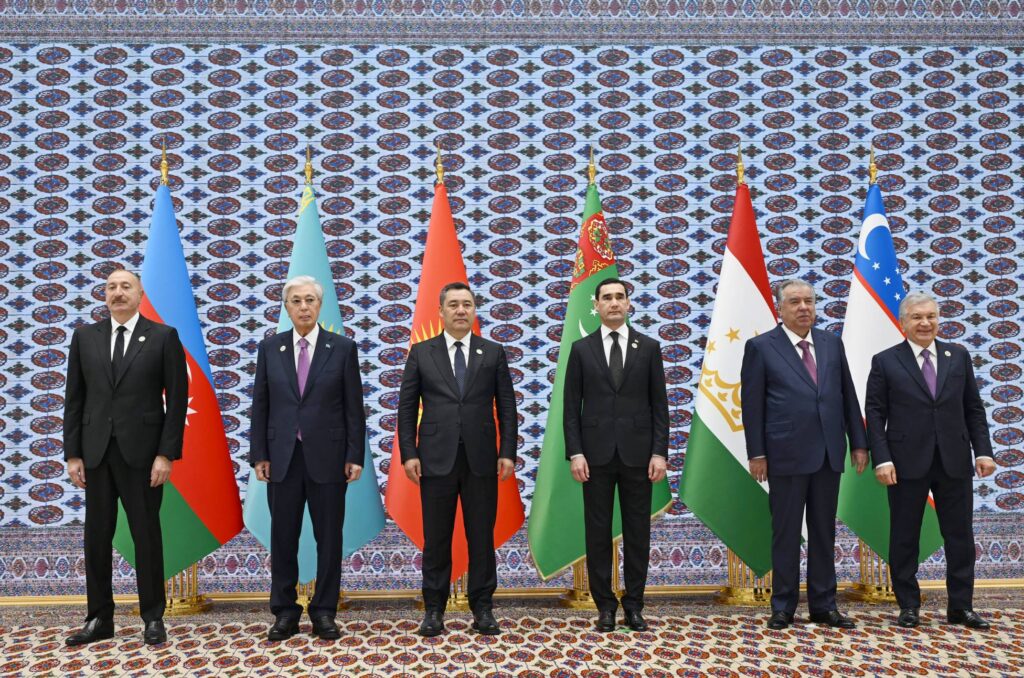
On April 2, Azerbaijani President Ilham Aliyev met with participants of a meeting of the heads of government of the Organization of Turkic States (OTS) in Baku, outlining key areas of cooperation. Among those attending were Turkish Vice President Cevdet Yılmaz, Uzbek Prime Minister Abdulla Aripov, Kazakh Prime Minister Olzhas Bektenov, Kyrgyz Prime Minister Adylbek Kasymaliev, Deputy Chairman of the Cabinet of Ministers of Turkmenistan Nokerguly Atagulyev, Prime Minister of the Turkish Republic of Northern Cyprus Unal Ustel, and OTS Secretary General Kubanychbek Omuraliev. Opening the meeting, Aliyev stressed the importance of dialogue. “This meeting of the heads of government of the Organization of Turkic States is being held in Baku. I warmly welcome you all,” he said. According to Aliyev, such meetings allow not only for the discussion of economic issues but also for reaffirming unity among member states. He noted that cooperation within the organization remains a priority of Azerbaijan’s foreign policy. He also reiterated a key message that ran throughout his speech: “We have repeatedly stated from various platforms that the Turkic world is our family; we have no other family,” Aliyev said. Special attention was devoted to economic cooperation. According to the president, trade between member states is growing, and investment volumes are increasing. He noted that Azerbaijan has invested more than $20 billion in the economies of OTS member states. Most of this has been directed to Turkey, though investment activity is expanding elsewhere. In particular, joint funds have been established with Uzbekistan, Kazakhstan, and Kyrgyzstan to support project implementation. Aliyev also thanked partners for their participation in the reconstruction of Karabakh. Facilities built with the support of OTS countries are already operational in the region, including the Mirza Ulugbek School, the Kurmangazy Children’s Creative Center, and the Manas School. In addition, a garment factory has been opened in Khankendi with the participation of Uzbekistan. He also highlighted mutual support among member states. Following the earthquake in Turkey, Azerbaijan financed the construction of the “Azerbaijani Quarter” in Kahramanmaraş, valued at $100 million. Transport and logistics projects were another key topic. According to the president, infrastructure development remains a top priority. These include the Middle Corridor, the Trans-Caspian route, and the Zangezur Corridor, all of which are gaining importance in the current geopolitical environment. Aliyev said that infrastructure within Azerbaijan is largely complete. Railways, the Baku port, highways, and airports are operational. Construction of the Zangezur Corridor is also progressing, with the highway nearly 90% complete and the railway approximately 70% complete. He also noted the construction of the Kars-Nakhchivan railway line in Turkey, which is expected to enable a new international route with an initial capacity of about 15 million tons of cargo. In conclusion, Aliyev said these projects are aimed not only at serving regional interests but also at expanding international transport connectivity. He expressed confidence that the meeting would contribute to the further development of the OTS and strengthen cooperation among member states.

Central Asia Pushes Back on “Not Free” Label as Debate Over Rankings Grows

According to Freedom House’s Freedom in the World 2026 report, all five countries in Central Asia are classified as “Not Free.” Nevertheless, governments in the region are increasingly questioning the impartiality of such assessments. At the same time, some regional experts point to ongoing political and economic reforms as signs that the region is making progress. A “Not Free” Region In its report released on March 19, 2026, Freedom House classifies all five Central Asian states as "Not Free." The designation is based on Freedom House’s assessment of political rights and civil liberties. According to the report’s authors, the ranking reflects pressure on independent media, tightening control over civil society, and the absence of genuine political competition. Kazakhstan received 23 points out of 100. The report highlights restrictions on opposition groups and civil society activists, pressure on independent journalism, and tightly managed elections that do not ensure genuine political competition. Kyrgyzstan, long considered the most politically open country in the region, scored 25 out of 100 and was also classified as “Not Free.” The organization says the score fell by one point from the previous year, reflecting continued pressure on independent media, the designation of several outlets as ‘extremist,’ and criminal cases against journalists, alongside concerns about election integrity. Uzbekistan scored 12 out of 100. Freedom House points to the concentration of power in the executive branch, the absence of a genuine parliamentary opposition, and severe restrictions on independent human rights defenders and journalists. Since President Shavkat Mirziyoyev took office in 2016, Uzbekistan has pursued a series of controlled political and economic reforms aimed at opening the country after decades of isolation. These have included currency liberalization, efforts to end the use of forced labor in the cotton sector, and steps to ease restrictions on business and foreign investment. While critics say political liberalization remains limited, supporters argue the reforms mark a significant shift from the policies of the previous era. Tajikistan received just 5 points. The report highlights the long rule of President Emomali Rahmon, the elimination of legal opposition, systematic persecution of its members and their families, and a de facto lack of electoral competition. Turkmenistan recorded one of the lowest scores globally, with just 1 point. The report describes the country as one of the most repressive in the world, citing total state control over political life and the media, the absence of opposition participation in elections, and harsh punishment for dissent. Turkmenistan remains one of the most closed countries in the world, with extremely limited access for foreign media and independent observers. Political life is tightly controlled, and reliable information about internal developments is scarce. While the authorities have signaled gradual generational change following the 2022 transfer of power to President Serdar Berdimuhamedov, there has been little visible shift in the country’s political system. Impartiality in Doubt? Trust in international assessments has also been affected by developments in U.S. foreign aid policy and a wider shift in global perceptions about the appropriateness of Western-linked organizations categorising...

Iran Conflict Drives Food Price Pressures Across Central Asia

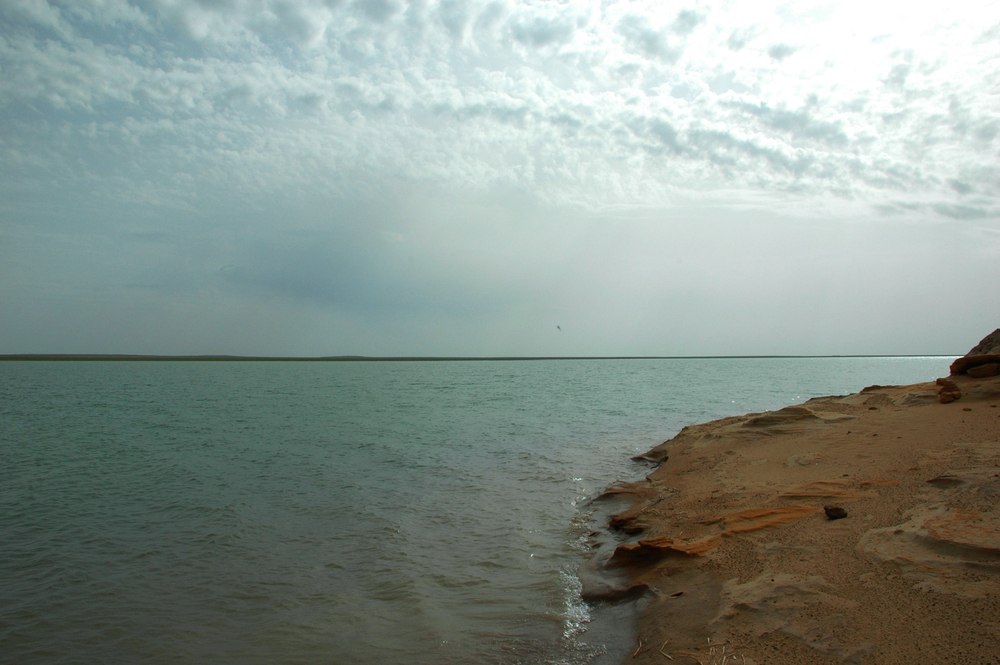
The war around Iran is beginning to push up food price risks in Central Asia as disruptions to shipping through the Strait of Hormuz raise fertilizer and fuel costs, while Tehran’s halt to some food exports adds pressure in regional markets. The impact is not manifesting as shortages, but as rising costs across the systems that produce, move, and sell food. The United Nations has warned that the crisis is disrupting one of the world’s most important trade corridors for energy and agricultural supplies. A large share of global fertilizer trade passes through the Strait of Hormuz, and reduced shipping traffic is tightening supply and pushing up prices. Higher fuel costs are adding a second layer of pressure on farmers and transport networks. Fertilizer and fuel are among agriculture’s highest costs. Even modest increases can compress margins quickly, forcing farmers to cut usage or pass costs on, with pressure moving through to retail prices. Central Asia is particularly exposed to this shift in costs. The region relies on imported fuel and fertilizers, and depends on long, multi-stage transport routes. When costs increase at any point in that chain, they accumulate before goods reach markets. The second layer of pressure comes from Iran itself. On March 3, Tehran imposed a ban on exports of food products as part of wartime economic measures. Reporting in Tajikistan indicates that the move could affect the availability and pricing of goods such as dairy, sugar, fruit, and spices, particularly in wholesale and lower-cost retail markets. Iran is not a dominant supplier, but plays a role in specific markets. Tajikistan is the clearest example. Tajikistan has also expanded its economic relationship with Iran in recent years, supported by cooperation in industry and transport. Iranian goods are widely present in retail supply chains, and trade between the two countries has grown steadily in recent years. That growth is part of a broader trend. Iran’s economic ties with Central Asia have expanded under new trade arrangements and bilateral initiatives. Kazakhstan and Iran have discussed increasing trade turnover to $3 billion, reflecting the rising use of Caspian routes and port infrastructure, which are now under threat. [caption id="attachment_46480" align="aligncenter" width="1600"] Aralsk Bazaar. Rising transport and fertilizer costs are beginning to push up food prices across the region. Image: Michael J. Bland[/caption] Transport adds a third layer of pressure. As risks rise across the Middle East, airlines and freight operators are avoiding large swathes of Iranian airspace and surrounding routes, forcing rerouting and raising costs across supply chains. European aviation safety authorities have issued conflict-zone bulletins warning of heightened risks in the region, and carriers have adjusted accordingly. Rerouting increases fuel use, extends journey times, and raises insurance costs. Those increases affect cargo as well as passengers, and over time, higher logistics costs feed into the price of imported goods, including food. On land, the same pattern is visible. As southern routes become less predictable, more freight is shifting toward the Trans-Caspian International Transport Route - the Middle Corridor -...

Khusanov Named Manchester City’s Player of the Month for March

Uzbekistan national team defender Abdukodir Khusanov has been named Manchester City’s Player of the Month for March, the club announced. In a statement, Manchester City said the 21-year-old “beat the challenges of team-mates Rodri and Jérémy Doku to overwhelmingly win the public vote,” highlighting his strong performances throughout the month. “Khusanov was outstanding during March and has become a firm favourite with the City fans for his committed, all-action defensive style,” the club added. This marks Khusanov’s third monthly award, after also receiving the honor in January. Last year, he made history by being named the club’s Etihad Player of the Month for February, just six weeks after joining. At the time, the club praised his composure and tactical discipline, particularly his decision-making under pressure across multiple appearances. Khusanov’s rapid rise has been one of the standout stories in Uzbek football in recent years. Earlier, he was named Asia’s Best Young Footballer of 2025 by Goalpost, reflecting his growing reputation on the international stage. The defender made history in January as the first player from Uzbekistan to play in the English Premier League. Since then, he has gradually secured more playing time, making several appearances for one of Europe’s top clubs this season. His performances have also drawn wider recognition. Analysts from The Athletic recently included Khusanov in a list of the world’s most underrated footballers, noting that while his debut against Chelsea was difficult, he has since shown clear improvement and strong defensive qualities.

Air Quality Report Shows Central Asia’s Air Getting Rapidly Worse

Tajikistan ranked as the world’s third most polluted country in 2025, according to the latest World Air Quality Report by IQAir. The report analyzed PM2.5 concentrations across 9,446 cities in 143 countries and territories. PM2.5, fine particulate matter measured in micrograms per cubic meter, is widely used as a key indicator of air pollution. The five most polluted countries in 2025 were Pakistan (67.3 µg/m³), Bangladesh (66.1 µg/m³), Tajikistan (57.3 µg/m³), Chad (53.6 µg/m³), and the Democratic Republic of the Congo (50.2 µg/m³). Only 13 countries and territories met the World Health Organization annual PM2.5 guideline of 5 µg/m³, including Australia, Iceland, and Estonia. Overall, 130 out of 143 countries exceeded the guideline. Kazakhstan records the cleanest air in Central Asia, but still had the 29th worst air globally in 2025, a very significant decline from 71st in 2024. Uzbekistan has the region's dirtiest air, and the 10th worst worldwide, while Kyrgyzstan is only slightly better, in 19th. Like Kazakhstan, both countries have fallen down the rankings since they were last put together in 2024. Kyrgyzstan had been in 41st place, while Uzbekistan has fallen from 19th. Turkmenistan, which was also among the 30 most polluted countries in 2024, was not included in the 2025 report due to a lack of available data. Karaganda in Kazakhstan is Central Asia's most polluted city, ranking 26th globally in 2025. The city recorded an annual PM2.5 level of 72.6 µg/m³, more than ten times the WHO guideline. Other heavily polluted cities in the region included Fergana (30th, 68.8 µg/m³), Dushanbe (51st, 57.3 µg/m³), Guliston (100th), and Tashkent (225th, 39 µg/m³). The report also noted that the world’s 25 most polluted cities in 2025 were all located in India, Pakistan, and China, with India accounting for three of the top four.

Uzbekistan Becomes Top International Destination for Russian Airlines

Uzbekistan has become the leading international destination for Russian airlines in the summer 2026 schedule, with flights planned on 67 routes between the two countries, according to data reported by ATO.ru, citing Russia’s aviation authority, Rosaviatsiya. The figures show Uzbekistan surpassing other popular destinations for Russian carriers, including China and Turkey, by a significant margin. Flights to Uzbekistan will operate on 10 more routes than to China and 12 more than to Turkey. Other traditional leisure destinations, such as Thailand and Egypt, will see considerably fewer routes, with 35 and 33 respectively. According to the report, this marks a major shift compared to pre-pandemic travel patterns. In 2019, Uzbekistan ranked ninth among international destinations for Russian airlines, with passenger traffic totaling around 1.24 million people, well behind Turkey and China. The growing number of routes reflects strong demand for travel between the two countries. Analysts attribute this to labor migration, as well as expanding business and tourism ties. Uzbekistan has also gained importance as a transit hub, particularly as Western airspace restrictions now limit routing options for Russian carriers. Tashkent, in particular, has emerged as a key connection point for long-haul travel, including flights to the United States. Uzbekistan Airways remains the only Central Asian carrier operating transatlantic flights to New York. The trend is mirrored on the Uzbek side. According to earlier estimates by Lufthansa Consulting cited in the report, Russia accounted for 49% of Uzbek airlines’ passenger traffic in 2019, rising to 52% by 2022. In the current summer schedule, Uzbekistan Airways operates flights to 19 Russian cities, while private carriers such as Centrum Air and Qanot Sharq serve multiple destinations, including Moscow and St. Petersburg. A new airline, FlyOne Asia, is also expected to launch services on five routes from Tashkent to Russian cities. Previously, The Times of Central Asia reported that Uzbekistan Airways continues to maintain regular operations on Russian routes, including a January incident in which a Boeing 767 flying from Tashkent to Vladivostok made a safe emergency landing in Krasnoyarsk.