• KGS/USD = 0.01143 0%
  • KZT/USD = 0.00202 0%
  • TJS/USD = 0.10599 -0.19%
  • UZS/USD = 0.00008 0%
  • TMT/USD = 0.28575 0%
  • KGS/USD = 0.01143 0%
  • KZT/USD = 0.00202 0%
  • TJS/USD = 0.10599 -0.19%
  • UZS/USD = 0.00008 0%
  • TMT/USD = 0.28575 0%
  • KGS/USD = 0.01143 0%
  • KZT/USD = 0.00202 0%
  • TJS/USD = 0.10599 -0.19%
  • UZS/USD = 0.00008 0%
  • TMT/USD = 0.28575 0%
  • KGS/USD = 0.01143 0%
  • KZT/USD = 0.00202 0%
  • TJS/USD = 0.10599 -0.19%
  • UZS/USD = 0.00008 0%
  • TMT/USD = 0.28575 0%
  • KGS/USD = 0.01143 0%
  • KZT/USD = 0.00202 0%
  • TJS/USD = 0.10599 -0.19%
  • UZS/USD = 0.00008 0%
  • TMT/USD = 0.28575 0%
  • KGS/USD = 0.01143 0%
  • KZT/USD = 0.00202 0%
  • TJS/USD = 0.10599 -0.19%
  • UZS/USD = 0.00008 0%
  • TMT/USD = 0.28575 0%
  • KGS/USD = 0.01143 0%
  • KZT/USD = 0.00202 0%
  • TJS/USD = 0.10599 -0.19%
  • UZS/USD = 0.00008 0%
  • TMT/USD = 0.28575 0%
  • KGS/USD = 0.01143 0%
  • KZT/USD = 0.00202 0%
  • TJS/USD = 0.10599 -0.19%
  • UZS/USD = 0.00008 0%
  • TMT/USD = 0.28575 0%
15 February 2026

Viewing results 25 - 30 of 964

Finland’s President Stubb Warns Russia’s Imperial Thinking Poses Risks for Central Asia

Russia’s imperial worldview may pose a greater long-term risk to Central Asia and the South Caucasus than to NATO member states, Finnish President Alexander Stubb said in an interview with The Washington Post, highlighting concerns that continue to resonate across the post-Soviet space. Speaking with columnist David Ignatius, Stubb referenced Finland’s long and complex history with its eastern neighbor, noting that expansionist thinking remains deeply rooted in Russian political culture. “I think the DNA of Russia is still expansion and imperialism,” he said, arguing that President Vladimir Putin views the collapse of the Soviet Union as a historical injustice. While much of the Western debate centers on potential threats to NATO countries such as the Baltic states, Finland, or Poland, Stubb suggested that more vulnerable regions lie elsewhere. “I think the more worrying aspect for others is the Central Asian countries, the Southern Caucasus and others,” he said, pointing to what he described as a top-down political system driven by the ideology of Russkiy mir, or the “Russian world.” Stubb also spoke about his personal interactions with Russian officials, including Putin and Foreign Minister Sergei Lavrov, stressing that meaningful political dialogue remains unlikely while the war in Ukraine continues. As previously reported by The Times of Central Asia, Russian television host Vladimir Solovyov sparked backlash after suggesting that Moscow could conduct “special military operations” in Central Asia and Armenia. The remarks were widely condemned by Uzbek scholars, journalists, and analysts as destabilizing and provocative. More recently, Russian ultranationalist Alexander Dugin, often described as an ideologue of the “Russian world”, publicly questioned the sovereignty of several former Soviet republics, including Uzbekistan, Kazakhstan, Tajikistan, and Kyrgyzstan. A video of his comments circulated widely online, drawing sharp criticism across the region. Russia’s Foreign Ministry later sought to distance the Kremlin from such statements. Spokesperson Maria Zakharova stated that Solovyov’s remarks did not reflect official policy and reaffirmed that Moscow’s relationships with Central Asian countries are based on partnership and respect for sovereignty.

Uzbekistan Agrees to Join U.S.-Proposed Board of Peace

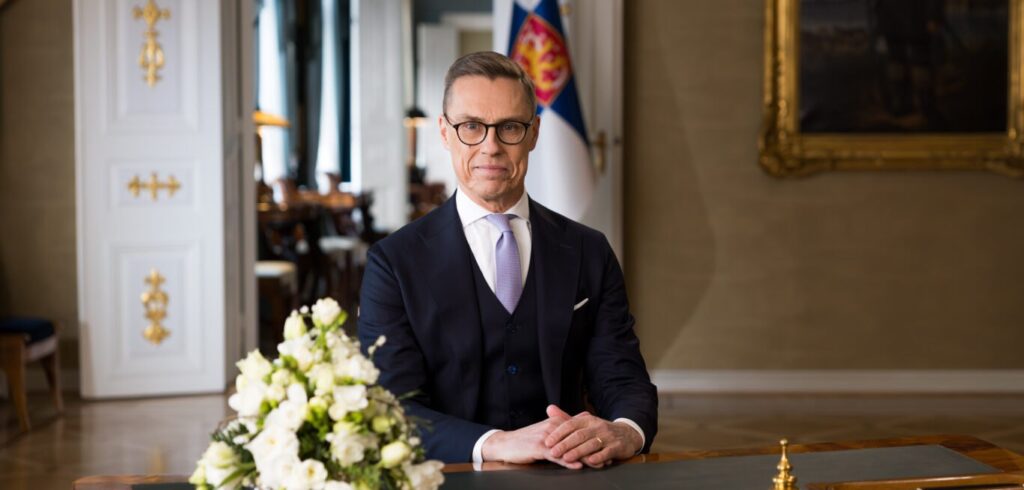
Uzbekistan has received and accepted an official invitation from U.S. President Donald Trump to join a new international initiative aimed at promoting peace and resolving conflicts in the Middle East, according to the press secretary of the President of Uzbekistan. The invitation, addressed to President Shavkat Mirziyoyev, proposes Uzbekistan’s participation as a founding member of a newly established Peace Council. The initiative is anchored in a comprehensive plan to end the conflict in Gaza, which was announced on September 29, 2025, supported by several global leaders, and endorsed by United Nations Security Council Resolution 2803, adopted on November 17, 2025, the presidential press service stated. According to the letter from the White House, the initiative seeks to unite countries willing to take responsibility for fostering long-term peace, stability, and security in the Middle East. The Peace Council is envisioned as an international body that would initially focus on Gaza, with a broader mandate to address other conflicts over time. In his response, President Mirziyoyev affirmed Uzbekistan’s readiness to join the Peace Council as a founding member. He called the initiative a significant step toward resolving enduring conflicts in the Middle East and promoting peace and stability across the wider region. In recent years, Tashkent has sought to expand its international role through dialogue-oriented diplomacy while avoiding formal military or bloc alignments. As previously reported by The Times of Central Asia, Kazakhstan has also accepted an invitation to join the Peace Council. The offer, addressed to President Kassym-Jomart Tokayev, was confirmed by Ruslan Zheldibay, assistant to the Kazakh president’s press secretary. Zheldibay stated that Tokayev was among the first world leaders to receive an official invitation from President Trump. “Yes, President Kassym-Jomart Tokayev received an official invitation to join the Peace Council, and Kazakhstan was invited to become one of its founding states,” Zheldibay said. He added that Tokayev responded with gratitude, confirmed Kazakhstan’s participation, and reaffirmed the country’s intention to contribute to a lasting peace in the Middle East and broader global stability. According to a report by Reuters, international reactions to Trump’s proposal have been cautious. The initiative, sent to approximately 60 countries, has raised concerns among some diplomats who worry it could undermine the role of the United Nations. Reuters also reported that the Peace Council would be chaired for life by President Trump and would initially focus on Gaza before expanding its scope to other global conflicts. Member states would serve three-year terms, unless they contribute $1 billion each to gain permanent membership. The White House stated that permanent membership would be reserved for countries demonstrating a sustained commitment to peace, security, and prosperity.

Tashkent Choked by Smog: What 2025 Revealed and How Residents Are Responding

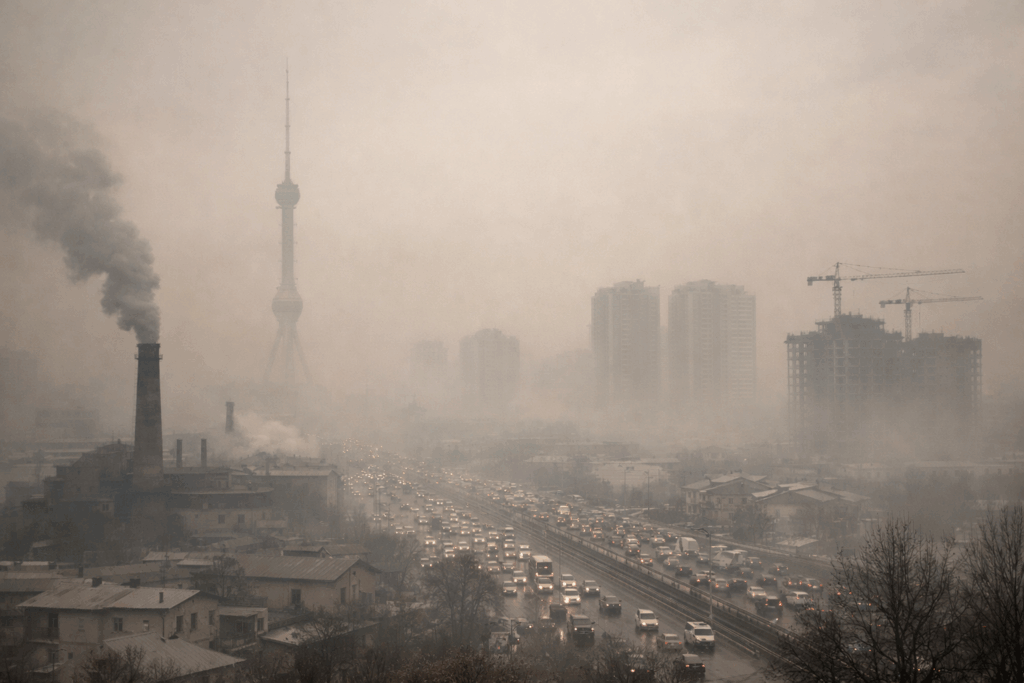
The year 2025 proved especially challenging for air quality in Uzbekistan’s capital, with Tashkent repeatedly ranking among the world’s most polluted cities during peak smog episodes. At times, short-term air quality readings placed it alongside major Asian megacities during severe pollution spikes. These rankings were more than just statistics. Thick smog became a daily reality for residents, disrupting everyday life and intensifying concerns over public health and long-term environmental sustainability. Coal, Cars, and Construction: What’s Fueling the Smog Officials from Uzbekistan’s Ministry of Ecology and independent environmental researchers say Tashkent’s air pollution is primarily caused by human activity. The heaviest blow came from municipal furnaces and boiler houses. Amid ongoing natural gas shortages, many public facilities, including schools, kindergartens, and hospitals, were converted to coal or fuel oil, resulting in a surge of emissions. Uzbekistan’s coal consumption jumped from 3.9 million tons in 2019 to 6.7 million tons in 2023. Emissions from these sources accumulate in the lower atmosphere during the cold season, exacerbating pollution. Vehicle emissions are another major contributor. Tashkent has approximately 193 vehicles per 1,000 residents, roughly double the national average. Many cars run on low-octane AI-80 gasoline, which contains high levels of harmful impurities. While coal use has surged, vehicle emissions remain a serious issue. In 2019, motor transport accounted for the majority of urban air emissions in several districts of the city. Adding to the problem are industrial plants on the city’s outskirts, frequent dust storms during dry seasons, and unregulated urban development. High-rise construction has created wind barriers that disrupt air circulation, while green spaces, Tashkent’s natural air filters, have steadily disappeared. Despite an official moratorium on tree cutting, official and environmental group estimates indicate that around 49,000 trees have been felled since 2019, often by developers who face only minimal penalties. According to Uzbekistan’s Ministry of Ecology, PM2.5 concentrations in Tashkent routinely exceed World Health Organization guidelines. During peak smog episodes in early February 2024, pollutant levels were recorded at up to 22 times the WHO’s recommended annual limits. These fine particles penetrate deep into the lungs, triggering allergies, inflammation, and cardiovascular issues. A 2019 World Bank report cited air pollution as the cause of 89 deaths per 100,000 people in Uzbekistan, the highest rate in Central Asia. Winter smog episodes have intensified since then. Living Under a Haze: Residents Speak Out For many Tashkent residents, smog has become part of everyday life. People commonly report throat and eye irritation, a constant dusty haze, and difficulty breathing. “It’s dusty and hard to breathe, you feel it all the time,” said Victoria Son, 18, a student at Bucheon University. Karina Sagidullina, 19, a videographer and programmer with severe dust allergies, said the polluted air significantly affects her health. “My nose often gets blocked, I sneeze a lot. I have to do wet cleaning at home every day,” she said. Some residents, however, say they are less affected. “So far, I don’t really feel the air pollution. I breathe normally and don’t wear a mask,”...

Epiphany in Central Asia: Orthodox Traditions and Regional Unity

On the night of January 18-19, Orthodox Christians across Central Asia gather at frozen rivers and lakes to celebrate the feast of Epiphany by plunging into icy waters, three times each, in line with tradition. Though rooted in the Christian faith, this ritual has evolved into a broader cultural event, drawing participation from people of many backgrounds. A Test of Faith and Endurance In Central Asia, Epiphany coincides with some of the coldest days of the year, often referred to as the "Epiphany frosts." Despite subzero temperatures, participation in ice bathing continues to grow. According to Orthodox tradition, Epiphany commemorates the baptism of Jesus in the River Jordan. While the climate in Israel was mild, believers in the region embrace the symbolic cleansing despite the extreme cold. The Orthodox Church does not consider ice bathing a requirement for the faithful. Instead, the central ritual of the holiday is the Great Blessing of Water, performed both on Epiphany and the evening before. Priests encourage believers to collect holy water from churches, sprinkle it throughout their homes, and drink it in small amounts on an empty stomach. Many believe this brings health and protection for the year ahead. Nevertheless, in the main Orthodox churches of Central Asia, fonts and pools are prepared for those who wish to immerse themselves. Designated ice holes are also opened in lakes and rivers for traditional bathing. Strict Safety Measures in Kazakhstan In Kazakhstan, authorities take extensive precautions to ensure public safety during Epiphany bathing. In Astana, the celebration began with a religious procession from the Constantine and Helen Cathedral to the embankment of the Ishim River, where the water was consecrated despite temperatures dipping to minus 30 degrees Celsius. Warm changing rooms were provided, and teams from the Ministry of Emergency Situations, along with paramedics and rescue personnel, were on hand throughout the night. In Almaty, where temperatures hovered around minus 15 degrees, Epiphany fonts were set up at 10 churches. Authorities reminded residents that swimming in non-designated natural bodies of water is prohibited due to the risk of slipping or falling through the ice. However, safety teams and patrols were stationed at approved bathing sites, including the Bolshaya Almatinka, Malaya Almatinka, Butakovka, Goryachiy Istochnik, and Gorenik rivers. Officials advised those with cardiovascular or endocrine conditions to avoid the ritual and warned against participating while intoxicated. A Cultural Tradition Embraced by Many Over time, Epiphany bathing in Central Asia has grown beyond a strictly religious practice. In Kazakhstan, many ethnic Kazakhs and other non-Christian residents eagerly take part, viewing the ritual as a source of health and vitality. It has become a powerful symbol of interethnic and interfaith unity in the region. While Muslim clerics typically do not encourage participation, they generally refrain from direct criticism, recognizing the tradition's broader cultural significance. Orthodox priests also emphasize that the ritual is more custom than doctrine, open to anyone. Some compare Epiphany bathing to the festive atmosphere of Kurban Ait, when Muslims share food in public spaces. Likewise,...

Central Asia Trade with China Tops Record $100 Billion in 2025

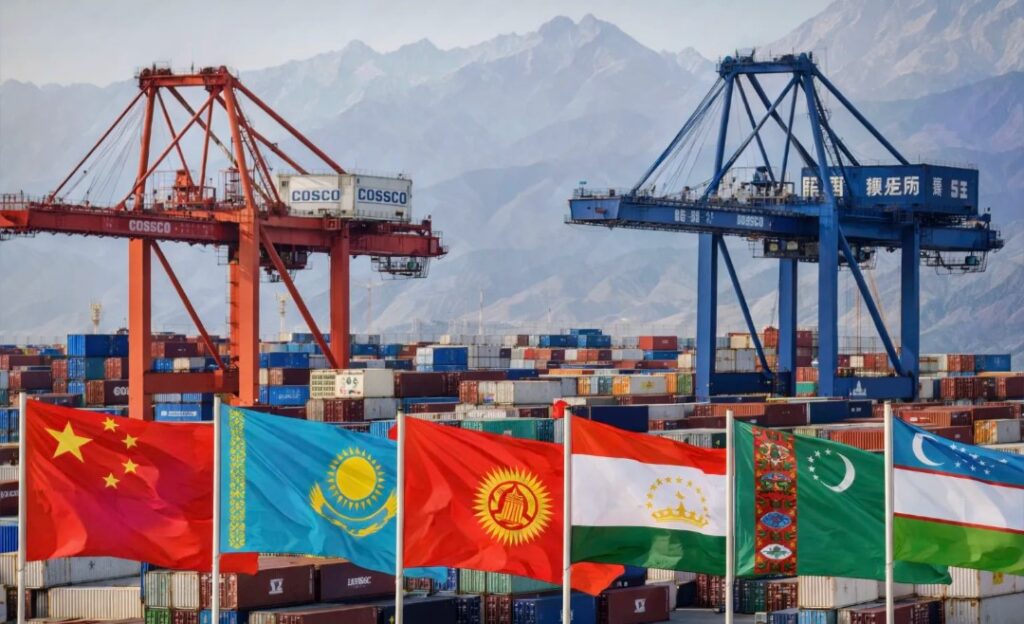
Trade between China and Central Asia increased to a record of more than $100 billion in 2025, despite challenges to global economic growth, the Chinese government said on Monday.  Citing data from China’s General Administration of Customs, Foreign Ministry spokesman Guo Jiakun said the trade structure with the Central Asian nations of Kazakhstan, Kyrgyzstan, Tajikistan, Turkmenistan and Uzbekistan had improved and that more high-end products were entering the Chinese market from the region.   “As global economic growth remains sluggish and the international trading system faces serious challenges, the economic and trade cooperation between China and Central Asian countries has withstood external headwinds, and the trade volume surpassed US$100 billion,” Guo said.  He attributed the increasing cooperation in part to a China-Central Asia summit in Astana, Kazakhstan last year that was attended by Chinese President Xi Jinping and the five Central Asian leaders.  China’s Belt and Road initiatives, which include the development of trade routes that pass through Central Asia and link up with Europe, are also making progress, according to the Chinese official.  Total trade between China and Central Asia was $106.3 billion in 2025, an increase of 12 percent over the previous year, China’s state-run Xinhua news agency reported. Chinese exports such as machinery, electronics and high-tech goods were $71.2 billion, an increase of 11 percent over the previous year. Imports from Central Asia amounted to $35.1 billion, a rise of 14 percent from 2024. China is involved in major projects in Central Asia, including the extraction of minerals used for “clean” technology, equipment manufacturing and the modernization of agriculture. China imports oil and natural gas as well as a growing number of other products from the region.  Russia was once the main trading partner of Central Asia after the fall of the Soviet Union, but China has the lead position now. The United States is also seeking to develop more trade with resource-rich Central Asia, which is diversifying its international partnerships.     

Uzbekistan Urges Diplomats to Actively Defend Citizens Abroad

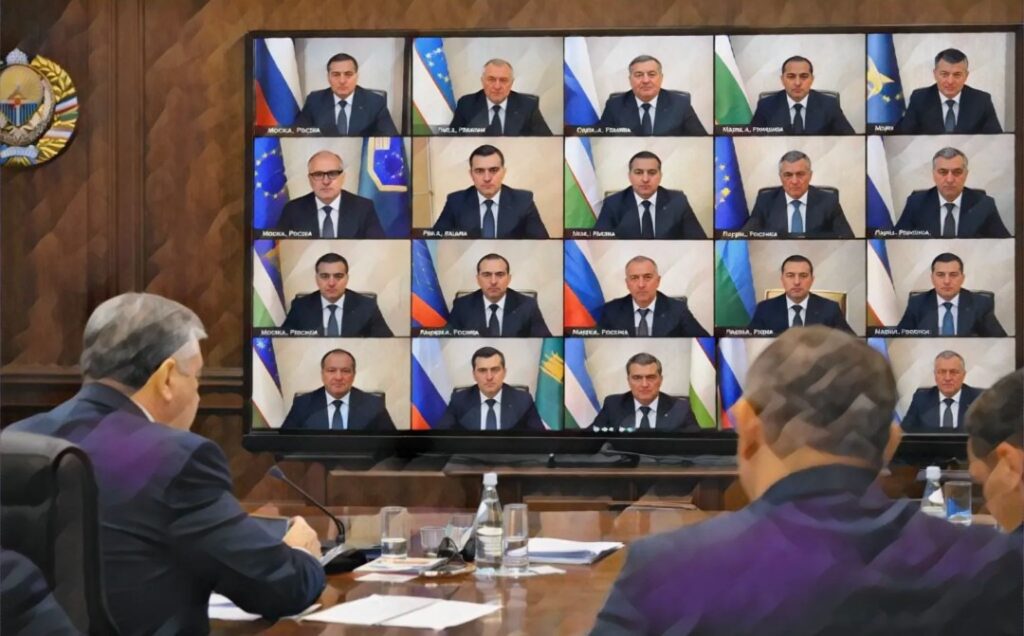
President Shavkat Mirziyoyev has directed Uzbekistan’s diplomats to take a more proactive role in protecting the rights of citizens living and working abroad, amid rising public concern over reported abuses during migration checks and raids in foreign countries. The issue was raised during a video conference chaired by Mirziyoyev on the performance of the Ministry of Foreign Affairs and the country's diplomatic missions overseas, according to the president’s press secretary. Mirziyoyev noted that the presence of Uzbek citizens residing abroad illegally remains a pressing issue for the state. In 2025, Uzbekistan secured a migration amnesty for more than 150,000 of its nationals in Russia. During the meeting, officials were instructed to intensify talks with other countries to facilitate legal employment pathways for Uzbek citizens, while also stressing that migrants must comply with the laws of their host countries. The president said that assisting labor migrants, particularly in countries experiencing rising inflows of Uzbek workers, must become a central responsibility of consular staff. Special attention was given to European states, where the number of Uzbek labor migrants has grown in recent years. He also called for the simplification of consular registration procedures and the elimination of excessive bureaucracy. Reports of rights violations during foreign law enforcement raids have triggered significant public backlash. Mirziyoyev criticized the Ministry of Foreign Affairs for often responding only with formal diplomatic notes, saying that ambassadors and consuls must provide qualified legal support and actively defend the interests of Uzbek citizens in such cases. The president also raised concerns about the risk of young people and students abroad being drawn into radical movements. He called on diplomats to abandon “cabinet diplomacy” and instead visit construction sites, dormitories, and classrooms to directly engage with citizens and address their needs. As part of the new measures, officials were instructed to establish a free call center for citizens abroad facing difficult situations, enabling rapid coordination with the relevant ministries. Separately, the Foreign Ministry has yet to confirm whether it has issued a diplomatic note in response to recent remarks by Russian propagandist Vladimir Solovyov, who suggested launching a “special military operation” in Central Asia. In an interview with Kun.uz, parliamentary deputy Bobur Bekmurodov said it may be premature to assess the ministry’s response but noted that Solovyov’s comments could warrant declaring him an undesirable person in Uzbekistan.