• KGS/USD = 0.01144 0%
  • KZT/USD = 0.00214 0%
  • TJS/USD = 0.10508 0.48%
  • UZS/USD = 0.00008 0%
  • TMT/USD = 0.28571 0%
  • KGS/USD = 0.01144 0%
  • KZT/USD = 0.00214 0%
  • TJS/USD = 0.10508 0.48%
  • UZS/USD = 0.00008 0%
  • TMT/USD = 0.28571 0%
  • KGS/USD = 0.01144 0%
  • KZT/USD = 0.00214 0%
  • TJS/USD = 0.10508 0.48%
  • UZS/USD = 0.00008 0%
  • TMT/USD = 0.28571 0%
  • KGS/USD = 0.01144 0%
  • KZT/USD = 0.00214 0%
  • TJS/USD = 0.10508 0.48%
  • UZS/USD = 0.00008 0%
  • TMT/USD = 0.28571 0%
  • KGS/USD = 0.01144 0%
  • KZT/USD = 0.00214 0%
  • TJS/USD = 0.10508 0.48%
  • UZS/USD = 0.00008 0%
  • TMT/USD = 0.28571 0%
  • KGS/USD = 0.01144 0%
  • KZT/USD = 0.00214 0%
  • TJS/USD = 0.10508 0.48%
  • UZS/USD = 0.00008 0%
  • TMT/USD = 0.28571 0%
  • KGS/USD = 0.01144 0%
  • KZT/USD = 0.00214 0%
  • TJS/USD = 0.10508 0.48%
  • UZS/USD = 0.00008 0%
  • TMT/USD = 0.28571 0%
  • KGS/USD = 0.01144 0%
  • KZT/USD = 0.00214 0%
  • TJS/USD = 0.10508 0.48%
  • UZS/USD = 0.00008 0%
  • TMT/USD = 0.28571 0%

Viewing results 511 - 516 of 1151

Uzbekistan and IAEA Agree on Roadmap for Peaceful Nuclear Cooperation

Uzbekistan and the International Atomic Energy Agency (IAEA) have agreed on a comprehensive roadmap to expand cooperation in peaceful nuclear development. The agreement was reached during the meeting on December 4 between Uzbekistan’s President Shavkat Mirziyoyev and IAEA Director General Rafael Grossi, where they discussed broadening bilateral cooperation and exploring new areas of practical partnership. A History of Collaboration Uzbekistan has been a member state of the IAEA since 1994. Over the past three decades, more than 40 joint projects have been implemented with the technical assistance of the agency. Currently, five active projects focus on strengthening Uzbekistan’s legal framework and institutional capacity, as well as advancing nuclear science, healthcare, and related sectors. Mirziyoyev praised the productive results of the IAEA delegation’s meetings with Uzbekistan’s ministries, agencies, and scientific organizations. He also welcomed the upcoming International Conference on Nuclear Energy, which will be held in Samarkand on December 5 with the participation of leading experts in the field. Priority Areas for Cooperation The meeting outlined several key priorities for Uzbekistan-IAEA cooperation, including: • Enhancing the capacity and competence of national agencies. • Preparing high-skilled personnel for nuclear-related fields. • Developing nuclear energy, agriculture, water use, healthcare, and ecological programs under the IAEA’s guidance. Adoption of a Joint Roadmap As a result of the meeting, Uzbekistan and the IAEA agreed to adopt a joint roadmap to strengthen multidimensional cooperation in peaceful nuclear development. Nuclear Power Plant Construction In related developments, The Times of Central Asia has previously reported that Russia’s Atomstroyexport and Uzbekistan’s Directorate for NPP Construction have signed a contract to build a small-capacity nuclear power plant (SCNPP) in the Jizzakh region. The plant will feature a Russian-designed ASMP with a total capacity of 330 MW, consisting of six 55 MW reactors. Rosatom will serve as the primary contractor, with contributions from local Uzbek companies. The collaboration between Uzbekistan and the IAEA, along with the planned nuclear power plant, highlights the country’s commitment to advancing nuclear technology for peaceful purposes while addressing energy and sustainability challenges.
U.S. Sanctions Former Uzbek Officials in Orphan Abuse Case

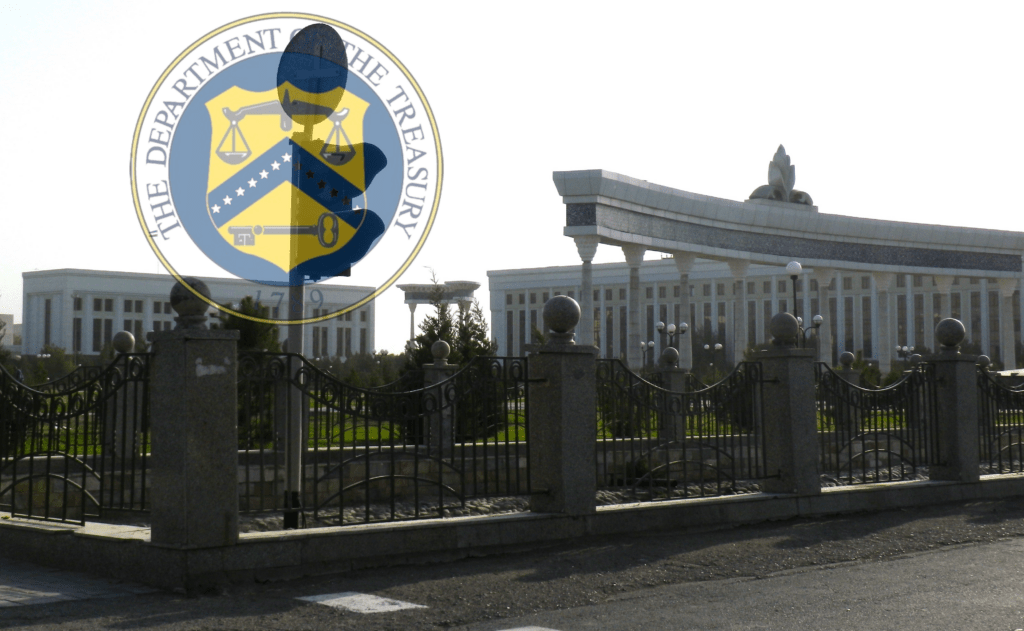
The United States has imposed sanctions on three former officials in Uzbekistan’s government who were involved in human trafficking as well as physical and sexual violence toward orphan children. The three people, who carried out the crimes during their tenure as government employees, are now ineligible for entry into the United States and any property or entities in the U.S. that they own are “blocked” in line with the sanctions, the U.S. Department of the Treasury said Monday. American citizens are also barred from doing any transactions related to the blocked assets, it said. The sanctioned individuals were identified as Yulduz Khudaiberganova, who was director of a state-run orphanage in Urgench, in Khorezm region, at the time of the abuses; Anvar Kuryazov, who was head of the Khorezm regional justice department; and Aybek Masharipov, who was head of the district emergency department. “For at least 10 months, Khudaiberganova forced at least three underage girls to engage in sexual acts with at least six different men in exchange for funds and goods,” said the Treasury statement, which was released on the International Day for the Abolition of Slavery. “Khudaiberganova used various coercive tactics to ensure the girls’ compliance, including physical beatings, threats, starvation, and isolation from their peers. Both Masharipov and Kuryazov demanded sexual access to orphans in compensation for ‘gifts’ they provided to the orphanage. Kuryazov and Masharipov repeatedly visited the orphanage in order to prey upon the young girls,” it said. Uzbek media have previously reported on the case, saying a district court in Khorezm sentenced Khudaiberganova to five and a half years in prison, while the two men were given one and a half years of partial house arrest that barred them from leaving their homes from 10 p.m. to 6 a.m. The sentences were handed down in 2022 but an appeals court took up the case in 2023 after Nemolchi.uz, a non-governmental group that campaigns against gender-based violence, publicized the light sentences, causing a public outcry. Kuryazov and Masharipov were subsequently sentenced to three years in prison. “This was the most severe punishment given the legislation in force at the time of the crime,” Nemolchi.uz said on Telegram after the U.S. sanctions announcement. The group has pushed for tougher laws in Uzbekistan to shield children from sexual abuse, and the government has taken steps to strengthen protections.

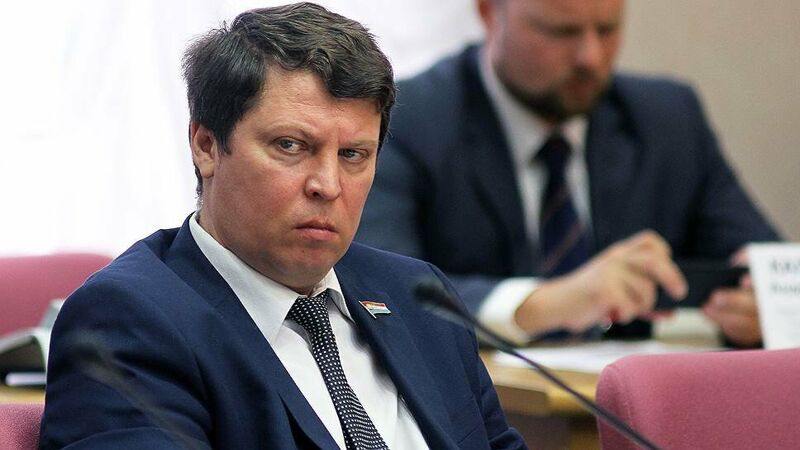
Russian MP Blames Central Asians for Ruble Depreciation

Mikhail Matveyev, a member of Russia’s State Duma, has attributed the depreciation of the Russian ruble in part to remittances by labor migrants from Central Asia and the Caucasus. In a statement on his Telegram channel, Matveyev argued that millions of migrants working in Russia transfer their earnings abroad, removing significant sums from the Russian economy. According to him, these remittances fuel demand for foreign currencies, such as the dollar, thereby weakening the ruble. Citing statistics, Matveyev claimed that in 2023, labor migrants sent $5.7 billion from Russia to Tajikistan - nearly half of Tajikistan’s GDP. Kyrgyzstan received remittances equal to about one-third of its GDP, while Uzbekistan received over $14.5 billion, accounting for 12-15% of its GDP. Other significant recipients included Georgia (over $2 billion), Armenia (over $3 billion), and Kazakhstan. Matveyev also criticized some of these countries for their stance on Western sanctions against Russia. He noted that several countries in the Eurasia region have joined sanctions targeting Russian banks and refuse to process transactions using the Russian Mir payment system. This, he said, forces migrants to withdraw cash dollars from Russia to transfer home, exacerbating the pressure on the ruble exchange rate. The MP’s remarks came amid a sharp drop in the ruble’s value against the dollar last week. For more than 30 years, millions of Central Asian citizens have migrated to Russia for work. However, recent trends indicate an increase in return migration, driven by Russia’s deteriorating economic conditions, stricter immigration rules, worsening attitudes toward Central Asian workers, and attempts by Russian authorities to recruit immigrants - both with and without Russian citizenship - for military service in Ukraine.

Justice for Veterans: U.S. Acknowledges Cancer Cases Tied to Service at Uzbekistan’s K2 Base

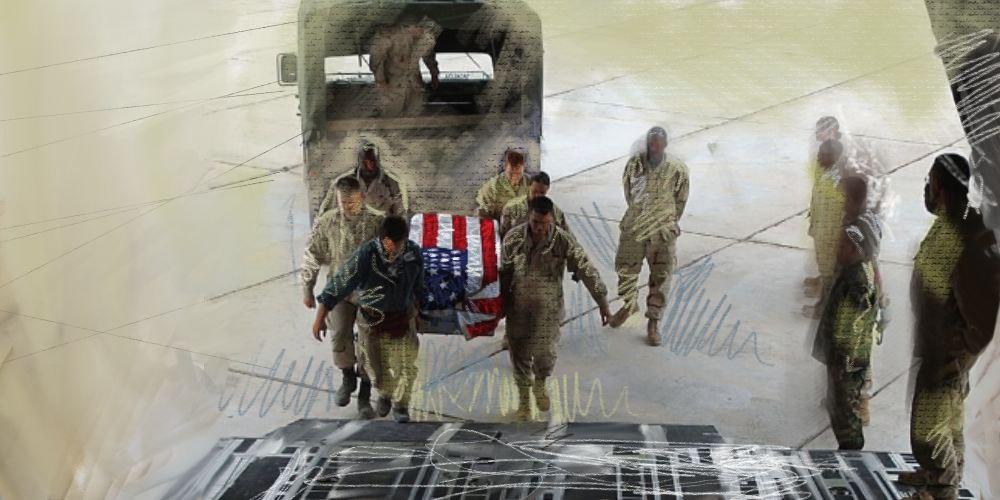
Thousands of American veterans who served at Uzbekistan’s K2 airbase have reported rare cancers and diseases - but only now, more than two decades later, is the U.S. government taking steps to address their dire situation. The U.S. Department of Veterans Affairs (VA) has announced plans to include bladder, urinary tract, and genitourinary cancers as conditions presumed to be linked to service at Uzbekistan’s Karshi-Khanabad airbase, known as K2. In 2001, the U.S. military moved into K2, a former Soviet airbase, to support a series of operations named “Enduring Freedom” which were purportedly aimed at tackling terrorism and Al-Qaeda in the wake of 9/11. However, in addition to the threat of terrorism, the troops faced another danger: the toxic environment. Reports from the base describe exposure to chemicals and radioactive materials. Soldiers recalled an underground “black bubble,” glowing lakes, and a chemical odor lingering in the air. [caption id="attachment_26149" align="aligncenter" width="634"] Image: Stronghold Freedom Foundation[/caption] The Karshi-Khanabad airbase was heavily used by the Soviet military during its operations in Afghanistan from 1979 to 1989, when it served as a site for producing, storing, and testing various weapons, including chemical weapons. The base also stored fuel, solvents, and other harmful substances. Additionally, it became a dumping ground for toxic waste, asbestos, enriched uranium, and other hazardous materials. Spills of these substances were frequent, leaving lasting environmental damage. Before the U.S. occupied K2, the destruction of Soviet-era missiles left some soil contaminated with low-level radioactive depleted uranium. The destruction of Soviet missiles was part of disarmament obligations under the 1987 Intermediate-Range Nuclear Forces (INF) Treaty. A 2001 survey found traces that could be harmful if inhaled, and a 2002 assessment confirmed small amounts of uranium, identified as non-U.S. depleted uranium, outside Camp Stronghold Freedom’s perimeter. The affected area was covered with clean soil, fenced off, and marked as off-limits in November 2001. Furthermore, approximately 392 chemical compounds were found at the K2 Air Base. Thousands of military personnel who served in K2 suffered from severe illnesses, including rare forms of cancer, associated with their time at the base. However, over the years, the U.S. government and the VA have delayed recognition of the link between service in K2 and these health issues, leaving many veterans without adequate support. [caption id="attachment_26150" align="aligncenter" width="1140"] Image: Stronghold Freedom Foundation[/caption] According to the Stronghold Freedom Foundation, K2 veterans are 500% more likely to get cancer than other veterans - 75% of U.S. service members deployed to Uzbekistan alone have developed at least one type of K2-related illness. On November 11, President Joe Biden announced an expansion of the PACT Act (Promise to Address Comprehensive Toxics Act), a law he signed in August 2022 to improve healthcare for veterans exposed to toxins. President Biden stated that the act has already helped over a million veterans and their families access benefits. Under new efforts, the VA will add bladder cancer, ureter cancer, multiple myeloma, and certain types of leukemia to the list of presumptive conditions. This expansion applies...

Russian Journalist Pivovarov Detained After Filming Cotton Fields in Karakalpakstan

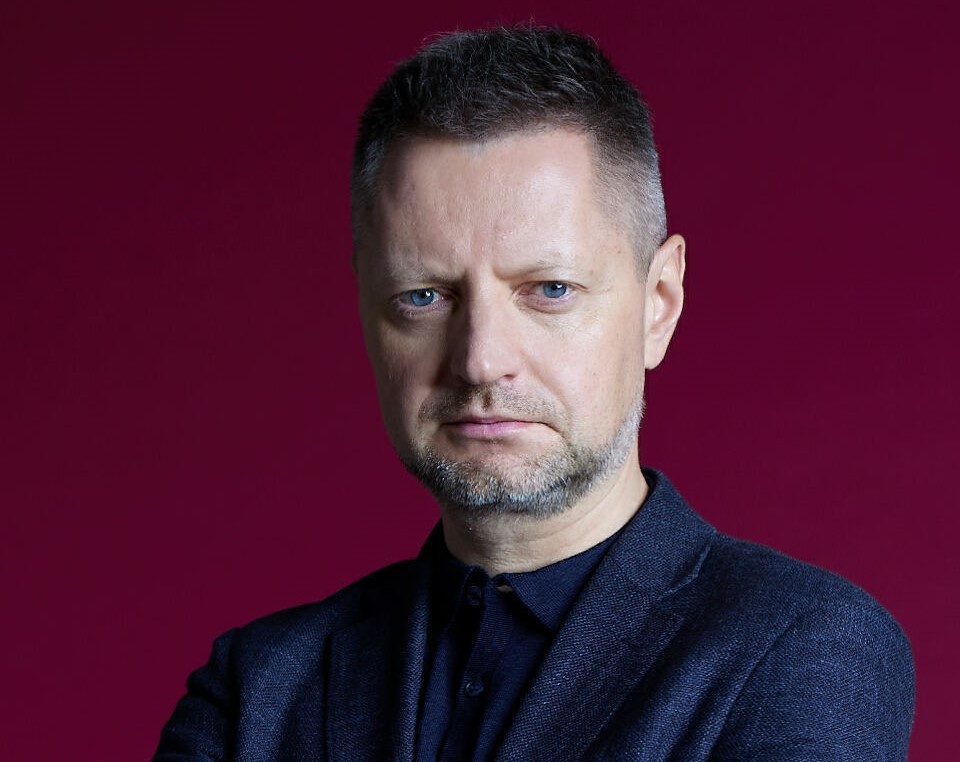
Alexey Pivovarov, a Russian journalist and YouTuber, was detained in Nukus, the capital of the autonomous Uzbek republic of Karakalpakstan. He was questioned by authorities along with the photography team for his project, Redaktsiya (Editorial), and Feride Makhsetova, a journalist from the local news portal Hook. Their arrest was initially reported by Hook. The journalists were detained "for an interview", supposedly following a complaint by an unidentified citizen. Authorities confiscated the visual material collected by the team, who, according to Pivovarov on his Telegram channel, had been filming in one of the region's cotton fields. The Karakalpakstan branch of the Agency for Information and Mass Communications claimed that the detentions occurred because the journalists were not accredited by the Ministry of Foreign Affairs. Later, Pivovarov, Makhsetova, and their team were released by the Nukus Department of Internal Affairs. They subsequently traveled to Tashkent without the materials they had filmed in Karakalpakstan. The Russian Embassy in Uzbekistan addressed the incident, stating that it had contacted Uzbekistan’s Ministry of Foreign Affairs and would provide support to the Russian citizens involved. In a message on his Telegram channel, Pivovarov described the officials in Nukus as “friendly and polite.”

Uzbekistan Completes Key Step in WTO Accession with China Agreement

Uzbekistan has successfully concluded bilateral negotiations with China regarding its accession to the World Trade Organization (WTO). Azizbek Urunov, Special Representative of the President for the WTO, announced this milestone in a LinkedIn post. “[It was a] very short but productive visit to Beijing! Yesterday, we completed bilateral negotiations on Uzbekistan’s accession to the WTO with the People’s Republic of China,” Urunov wrote. He expressed gratitude to China’s Ministry of Commerce, Deputy Minister Li Fei, Director Li Defeng, and their teams for their cooperation. “[It is] very important at [the] year-end to finish negotiations with the two biggest global trade players – the United States and China. Twenty-two countries are there, a few left!” The Times of Central Asia reported that this achievement follows Uzbekistan’s recent finalization of WTO accession negotiations with the United States, Uzbekistan’s WTO accession is a cornerstone of the country’s ongoing economic reforms, which aim to integrate its economy into the global trade system. Johanna Hill, WTO Deputy Director-General, praised Uzbekistan’s progress: “Uzbekistan has been one of the most active acceding governments of late. It has pushed ahead with economic reform in the strategic region of Central Asia, with WTO accession very high on the government’s agenda.” Hill referenced a WTO report indicating that countries implementing market reforms during WTO accession experience growth rates 1.5% higher than those without such reforms. With negotiations with major economies like the United States and China now complete, Uzbekistan is edging closer to its goal of WTO membership, a move poised to boost its global trade prospects and economic development.