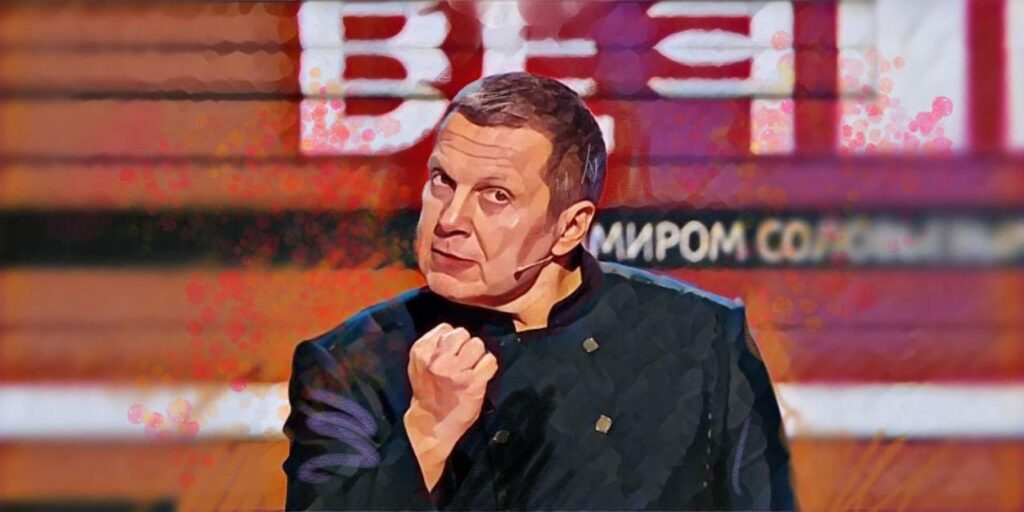
Russian TV Comments on Central Asia Trigger Strong Reaction from Uzbek Analysts
A recent broadcast on Russia’s state television channel Russia-1 has sparked strong backlash in Central Asia after inflammatory remarks aired on the political talk show Evening with Vladimir Solovyov questioned the independence and foreign policy choices of post-Soviet countries in Central Asia and the South Caucasus. The controversy began when political analyst Sergey Mikheyev, who served as a representative for President Vladimir Putin during Russia’s 2024 election campaign, criticized Moscow’s approach toward former Soviet republics, calling it “ineffective” and overly generous. “Our policy toward the post-Soviet space was not very effective,” Mikheyev said. “The situation where Russia owes everyone and no one owes Russia anything is a dead end. We solve many of their problems, labor migration, assistance, many other things and yet we are always the ones who must give.” He added, “We spoiled them. We spoiled them too much. We will not tolerate this anymore.” Program host Solovyov supported the tone of Mikheyev’s remarks, adding: “If I am forced to speak about you like this, then think about what you are doing wrong.” The broadcast quickly spread across social media platforms in Central Asia, prompting swift reactions from regional analysts, particularly in Uzbekistan, who criticized the rhetoric as imperial and patronizing. Uzbek political scientist and university professor Sherzodkhon Qudratkhodja called the discussion an emotional outburst rooted in nostalgia for a lost empire. “They spoke like sentinels, bitterly offended by the entire former Soviet Union,” he wrote on social media. He added that Mikheyev’s phrase “we spoiled them” infantilized independent states, framing them as unruly children rather than equal partners. “The logic is simple: if you don’t obey, you’re ‘nervous.’ If you want independence, you’re ‘spoiled.’ Their favorite phrase is that others ‘must know their place,’” Qudratkhodja wrote. He also rejected the idea that Central Asian countries are exploiting Russia or living at its expense. “No one is blackmailing anyone. No one owes us anything, and we owe no one anything,” he stated, emphasizing Uzbekistan’s commitment to “equal rights and mutual respect in international relations.” Another Uzbek analyst, G‘ayratxo‘ja Saydaliyev, argued that Mikheyev’s comments reflect a broader worldview within segments of the Russian political elite. “This is an open expression of a geopolitical mindset where Central Asia is not seen as a partner, but as a subordinate,” he wrote. “Independent foreign policy is treated not only as ingratitude but as illegitimate.” Saydaliyev noted Mikheyev’s additional remarks on Iran and Turkey, interpreting them as evidence of growing Russian anxiety over shifting alliances. He argued that Moscow views Iran as a counterbalance to the U.S. and Turkey, and fears that losing influence over Tehran could further weaken Russia’s position, potentially prompting it to exert more pressure on post-Soviet neighbors. Turkey’s rising role in Central Asia and the concept of a “Turkic world” were also framed by Mikheyev as a geopolitical threat. Saydaliyev concluded that deeper regional ties with Ankara are being viewed in Moscow not as legitimate foreign policy, but as a challenge to Russian dominance. “The biggest challenge for Central...