• KGS/USD = 0.01144 0%
  • KZT/USD = 0.00213 0%
  • TJS/USD = 0.10562 0%
  • UZS/USD = 0.00008 0%
  • TMT/USD = 0.28530 0%
  • KGS/USD = 0.01144 0%
  • KZT/USD = 0.00213 0%
  • TJS/USD = 0.10562 0%
  • UZS/USD = 0.00008 0%
  • TMT/USD = 0.28530 0%
  • KGS/USD = 0.01144 0%
  • KZT/USD = 0.00213 0%
  • TJS/USD = 0.10562 0%
  • UZS/USD = 0.00008 0%
  • TMT/USD = 0.28530 0%
  • KGS/USD = 0.01144 0%
  • KZT/USD = 0.00213 0%
  • TJS/USD = 0.10562 0%
  • UZS/USD = 0.00008 0%
  • TMT/USD = 0.28530 0%
  • KGS/USD = 0.01144 0%
  • KZT/USD = 0.00213 0%
  • TJS/USD = 0.10562 0%
  • UZS/USD = 0.00008 0%
  • TMT/USD = 0.28530 0%
  • KGS/USD = 0.01144 0%
  • KZT/USD = 0.00213 0%
  • TJS/USD = 0.10562 0%
  • UZS/USD = 0.00008 0%
  • TMT/USD = 0.28530 0%
  • KGS/USD = 0.01144 0%
  • KZT/USD = 0.00213 0%
  • TJS/USD = 0.10562 0%
  • UZS/USD = 0.00008 0%
  • TMT/USD = 0.28530 0%
  • KGS/USD = 0.01144 0%
  • KZT/USD = 0.00213 0%
  • TJS/USD = 0.10562 0%
  • UZS/USD = 0.00008 0%
  • TMT/USD = 0.28530 0%

Our People > Aliya Haidar

Aliya Haidar's Avatar

Aliya Haidar

Journalist

Aliya Haidar is a Kazakhstani journalist. She started her career in 1998, and has worked in the country's leading regional and national publications ever since.

Articles

Orthodox Christmas in Central Asia Highlights Faith, Tradition, and Tolerance

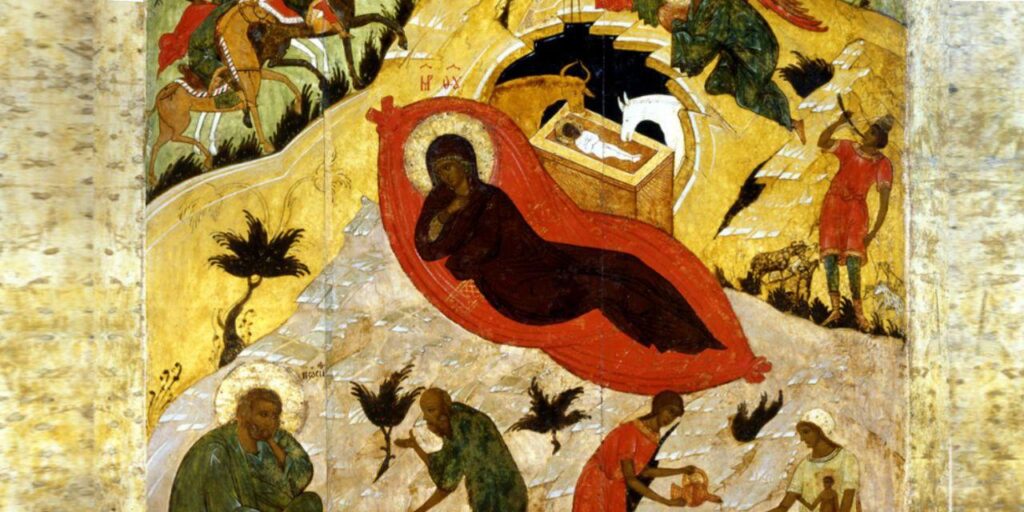
On January 7, Orthodox Christians in Central Asia and around the world celebrate Christmas. In the region, the holiday has become a symbol of religious and ethnic tolerance. Christmas is one of the most significant holidays for believers and is also cherished by many who are not religious. It is celebrated by billions globally. However, the majority of Orthodox Christians and Catholics do not observe Christmas on the same day. While Christmas falls on January 7 for millions of Orthodox Christians in Central Asia, the holiday is marked not only by church services but also by official recognition, public celebrations, and interfaith messages—underscoring the region’s emphasis on religious coexistence. In the early centuries of the Christian era, the Julian calendar was used universally, but, over time, astronomers found that the Julian calendar miscalculated the solar year’s length. As a result, it was replaced by the more accurate Gregorian calendar, which is now followed in most of the secular world. However, many Orthodox churches did not adopt the Gregorian reform. Consequently, many Orthodox Christians celebrate Christmas not on December 25, but 13 days later, on January 7. Some interpreters of church law argue that the Julian calendar is sanctified by centuries of tradition. The Russian Orthodox Church, in particular, maintains that transitioning to the Gregorian calendar would violate canonical norms. A Bright Holiday in Kazakhstan In Kazakhstan, the Ascension Cathedral in Almaty is filled with worshippers on Christmas Eve. The cathedral is a spiritual, historical, and cultural landmark of the country. [caption id="attachment_41873" align="aligncenter" width="1536"] The Zenkov (Ascension) Cathedral, Almaty; image: TCA, Stephen M. Bland[/caption] This year, Metropolitan Alexander, head of the Orthodox Church in Kazakhstan, conducted the divine liturgy at the cathedral, urging people to mark the holiday through acts of kindness. “It would be wrong to celebrate Christmas if we do not share this joy with our neighbors, especially those in need of comfort and support. Let us strive to make this festive season truly bright and solemn for all of us, through good deeds, words of comfort and encouragement, compassion, and mercy. Let us extend a helping hand to those who mourn, encourage those who are discouraged, visit those who are sick, and remember those who are lonely,” said Metropolitan Alexander of Astana and Kazakhstan. In Astana, Bishop Gennady of Kaskelen, administrator of the Metropolitan District, offered Christmas greetings and led a service at Uspensky Cathedral. Orthodox Christmas is a public holiday in Kazakhstan. Representatives of various faiths have emphasized that the day symbolizes peaceful coexistence among people of different nationalities and religions. Christmas Carols and Religious Freedom In Uzbekistan, Metropolitan Vikenty of Tashkent and Uzbekistan, head of the Central Asian Metropolitan District, led the Divine Liturgy at the Cathedral of the Assumption of the Blessed Virgin Mary in Tashkent. The Orthodox community in Uzbekistan is estimated to number between 600,000 and a million. Religious observers note that the public celebration of Orthodox Christmas across Central Asia increasingly reflects a broader emphasis on social stability, interfaith dialogue, and...

3 months ago

Beshbarmak, Pilaf, and Olivier Salad: What Will Be Served on New Year’s Eve Tables in Central Asia

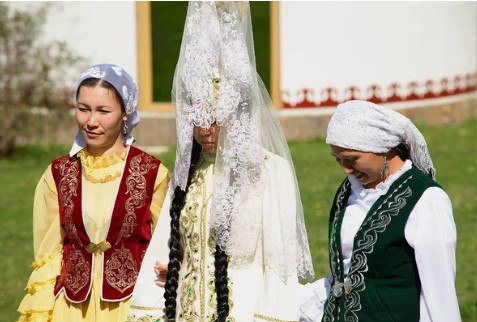
New Year remains one of the most significant holidays in Central Asia. While its scale and prominence have gradually declined due to rising religiosity, many residents still regard it as the foremost secular and ideology-free celebration of the year. Across the region, households prepare their most beloved dishes to ring in the occasion. No New Year Without Olivier Salad For many families, traditional fare is an essential part of New Year’s Eve. Olivier salad has long been a staple of the holiday table. Originally created in the 1860s by a French chef in Russia, the dish once featured ingredients such as hazel grouse and seafood. Over time, particularly during the Soviet era of shortages, the recipe evolved. Today, Olivier salad typically includes beef, chicken (or boiled sausage), potatoes, green peas, pickled cucumbers, and mayonnaise. It is usually prepared in large batches to ensure there is enough for all guests. Other popular salads include herring under a fur coat, vinaigrette, and “Tenderness”, hearty dishes that can leave guests too full for main courses. Even in modest households, red caviar often finds its way to the table, adding a touch of festivity and indulgence. Kazakhstan: Beshbarmak with a Twist In Kazakhstan, beshbarmak remains the centerpiece of the New Year’s feast, as it is for most major celebrations. Traditionally, the dish combines three cuts of horse meat, kazy, karta, and zhay, served with flat noodles and onions. However, some families are adapting their menus in line with the Chinese zodiac. As the Year of the Red Horse approaches, online advice has suggested avoiding horse meat out of respect for the symbolic animal. A vegan version of beshbarmak, featuring mushrooms and pumpkin, is gaining traction. Baked koktal fish is another showpiece dish, while kuydak (lamb with potatoes and onions) and khan syrbaz (a rich stew of lamb, vegetables, barley, and broth) are popular additions. Desserts often include traditional fermented milk products such as zhent, katyk, and irimshik, and the table is rarely without kumys, a fermented mare’s milk beverage. Uzbekistan: Pilaf Reigns Supreme In Uzbekistan, New Year is celebrated with great enthusiasm. According to folklore, Korbobo, a local version of Santa Claus, arrives on a donkey with his granddaughter Korgyz to distribute gifts to well-behaved children. Pilaf, or plov, is the dominant holiday dish. Made with rice, carrots, onions, meat, and spices, regional variations might include raisins or quince for added sweetness. Each area boasts its own version of the national favorite. Samsas, meat-filled pastries baked in a tandoor, are also served, as are manti, large, steamed dumplings filled with lamb, beef, or pumpkin. Other popular dishes include kazan-kabob (fried meat and potatoes). For dessert, chak-chak (fried dough with honey) and halva (made from sesame, semolina, or nuts) are perennial favorites. Kyrgyzstan: Boorsoki and Beshbarmak In Kyrgyzstan, beshbarmak, prepared with either horse meat or lamb, is also a central dish. Families commonly serve manti, baked chicken, and boorsoki (known in Kazakhstan as baursaki), fried dough balls that are a holiday staple. Other meat-based specialties...

4 months ago

Japan and Central Asia Enter a New Era of Strategic Partnership

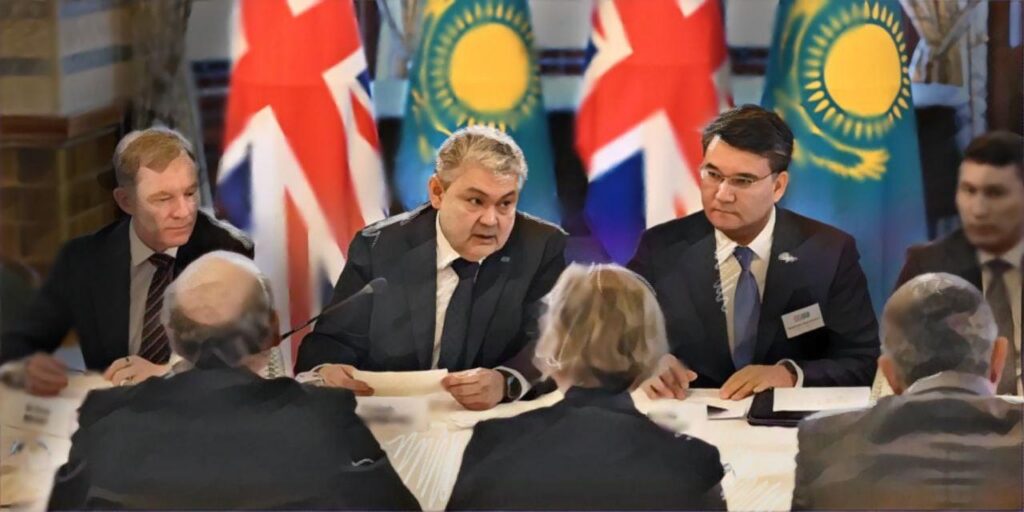
On December 20, the first summit of Central Asian and Japanese leaders (CA+JAD) was held in Tokyo. The Tokyo Declaration, an ambitious roadmap for future cooperation, was adopted during the summit. It aims to transform relations between Japan and the five Central Asian countries into a deep and multifaceted strategic partnership.  New Paths for the Region Japan intends to invest about $20 billion in business projects across Central Asia over the next five years. Priority areas for cooperation include environmental initiatives, and the transition to carbon neutrality in the energy sector. Additional areas include developing supply chains for key minerals, disaster risk reduction, and earthquake preparedness. Projects in agriculture and logistics, particularly improvements along the Trans-Caspian International Transport Route, were also discussed. Other topics covered included launching direct flights between Japan and Central Asia, advancing cooperation in digital technologies and artificial intelligence, and expanding scholarships and training programs.  Attendees included Japanese Prime Minister Sanae Takaichi; Kazakh President Kassym-Jomart Tokayev; Kyrgyz President Sadyr Japarov; Tajik President Emomali Rahmon; Turkmen President Serdar Berdimuhamedov; and Uzbek President Shavkat Mirziyoyev. The second Central Asia-Japan summit is scheduled to take place in Kazakhstan, in line with the agreed English alphabetical rotation. Turkmenistan: Petrochemical Cooperation President Serdar Berdymuhamedov met with representatives of major Japanese corporations, including Sumitomo, Toyo Engineering, Muroosystems, Itochu, Argonavt, Mitsubishi, Kawasaki Heavy Industries, and Tokyo Boeki Eurasia.  He cited several successful Japanese-led projects in Turkmenistan, such as waste processing plants, a wastewater treatment initiative for industrial reuse, PET plastic recycling, and e-waste processing to reduce hazardous materials. New memorandums were signed between Turkmen and Japanese entities. Key among them: an agreement involving the state-owned concern Turkmenhimiya, Mitsubishi Heavy Industries, Mitsubishi Corporation, and Gap Inşaat on building a urea plant in the Balkan region with a capacity of 1.155 million tons per year. Turkmenhimiya also signed an agreement with Kawasaki Heavy Industries to extend maintenance for the Akhal gas-to-gasoline plant. In addition, a cooperation deal was reached with Toyo Engineering and Turkey’s Rönesans Endüstri for the second phase of the Kiyanly polymer plant. Other memoranda included partnerships between the Ministry of Automobile Transport of Turkmenistan and Sumitomo Corporation, TurkmenGas and Sumitomo Europe, and the Ministry of Communications and Mitsubishi Corporation Machinery, focusing on artificial intelligence and digital technologies. Agreements were also signed with media outlets, banks, and universities. Diplomatic ties between Japan and Turkmenistan were established in 1992. The Japanese Embassy opened in Ashgabat in 2005, and the Turkmen Embassy in Tokyo followed in 2013. Japan also plays a vital role in Turkmenistan’s export of polypropylene. Japanese firms Kawasaki and Sojits helped construct a fertilizer complex in the town of Mary, while Itochu and Day Nippon were involved in modernizing the national railway’s IT systems. Kyrgyzstan: Energy and Education Ties President Sadyr Japarov oversaw the signing of bilateral agreements spanning exports, energy, healthcare, education, tourism, agribusiness, and digital development.  Agreements included a roadmap between Kyrgyzstan’s Ministry of Energy and MurooSystems for a small hydropower plant on the Chon-Kemin River and various education-related memorandums with...

4 months ago

The Contested Legacy of Kazakhstan’s Independence Day: From Sovereignty to Unrest and Reinvention

On December 16, 2025, Kazakhstan marks the 34th anniversary of its independence. The story of this national holiday mirrors the nation’s own complex path toward sovereignty and statehood. A Difficult Legacy On December 16, 1991, Kazakhstan adopted the Law “On State Independence of the Republic of Kazakhstan,” officially becoming the last Soviet republic to leave the USSR. The date came at the tail end of the so-called “parade of sovereignties,” when other republics had already declared independence. This delay led to a popular saying: “Kazakhstan turned off the lights in the USSR.” In the early years of independence, the holiday was celebrated widely, often with several days off. Yet the date also evokes painful memories. Just five years earlier, in December 1986, the capital city of Alma-Ata (now Almaty) witnessed what are now known as Jeltoqsan köterılısı - the December Events. On December 16, 1986, the Communist Party of Kazakhstan abruptly dismissed First Secretary Dinmukhamed Konaev and replaced him with Gennady Kolbin, a party official from the Russian city of Ulyanovsk with no ties to the republic. This Moscow-imposed decision sparked protests by students and young people that turned violent. While the full causes and consequences remain partially unexplored, the uprising is widely seen as an early expression of resistance to Soviet central control and the imposition of non-Kazakh leadership. The protests were brutally suppressed. For several days, unrest continued in the city, with some incidents fueled by ethnic tensions. In the years since, the December Events have become symbolic of both state repression and the early stirrings of Kazakh nationalism. Because of the proximity of dates, many citizens continue to conflate the date of independence with the December Events. For years, the national holiday was therefore overshadowed by grief and division. Unrest in the Oil Region Independence Day was further marred in 2011 by violent unrest in the oil-rich Mangistau region after months of unresolved labor disputes. On December 16 of that year, striking workers from the OzenMunaiGas company in the town of Zhanaozen clashed with police after demanding higher wages. The protests escalated into riots, with government buildings, hotels, and vehicles set ablaze. ATMs were looted, and a state of emergency was declared. Official figures state that about 20 people were killed and over 100 were injured. The Zhanaozen tragedy underscored deep socioeconomic disparities, particularly in regions rich in resources but lacking infrastructure and basic services. From Old to New Kazakhstan Over time, Independence Day became closely associated with unrest and national trauma. Analysts suggest that full investigations into the December 1986 and 2011 events were hindered by the political legacy of Nursultan Nazarbayev, Kazakhstan’s first president. Nazarbayev held senior posts during the Soviet period and later presided over the country during the Zhanaozen crackdown. In June 2019, Kassym-Jomart Tokayev succeeded Nazarbayev as president and launched a platform of gradual political reform. However, his efforts were reportedly obstructed by entrenched elites aligned with the Nazarbayev era, often referred to as “Old Kazakhstan.” Public discontent boiled over again in January...

4 months ago

Kazakhstan Looks to Reduce Dependence on Russian Oil Transit Routes

Escalating drone attacks on Russian infrastructure amid the ongoing war in Ukraine, including key facilities in Novorossiysk and the Orenburg region, are compelling Kazakhstan to accelerate its search for alternative oil export routes. In this context, the Caspian Pipeline Consortium (CPC), which transits Russian territory, is increasingly viewed as an unreliable option for transporting the country’s crude oil. In November, damage to the VPU-2 single-point mooring at the Yuzhnaya Ozereyevka terminal near Novorossiysk disrupted operations. Only VPU-1 remains functional, while VPU-3 is undergoing scheduled maintenance. As a result, CPC oil shipments have dropped. The pipeline accounts for over 80% of Kazakhstan’s oil exports, more than 1% of global production. The Kazakh Ministry of Energy clarified that exports were not fully halted and that efforts are underway to reroute shipments. First Kashagan Oil Shipment to China via Atasu-Alashankou On December 8, Reuters reported that Kazakhstan would begin exporting oil from the Kashagan field directly to China for the first time via the Atasu-Alashankou pipeline. The route, which leads to Xinjiang, has previously been used for other fields but not for Kashagan. According to the report, Kazakhstan plans to export 50,000 tons of crude oil through this channel. Of that, the Chinese oil company, China National Petroleum Corporation (CNPC), will receive approximately 30,000 tons, while Japan’s Inpex will take 20,000 tons. Although the pipeline’s annual capacity is around 10 million tons, it has been operating below capacity, averaging 85,000-86,000 tons per month. The Kazakh government had initially planned to ship 1 million tons via this pipeline in 2025, less than the 1.2 million tons exported in 2024. In the first ten months of 2025, shipments reached 858,000 tons, according to industry sources. Kashagan is among Kazakhstan’s most strategic assets and one of the largest oil and gas fields discovered globally in the past 40 years. Operated by the NCOC consortium, which includes ExxonMobil, Shell, TotalEnergies, CNPC, Inpex, and KazMunayGas, the field produces more than 15 million tons of oil annually. Until now, nearly all of this was transported via the CPC. Redirecting Oil Amid Infrastructure Damage On December 10, KazTransOil, the national oil pipeline operator, announced that it had redirected oil exports from the CPC system to alternative routes. In December 2025 alone, an additional 360,000 tons of oil are expected to be exported to Russia (via Samara), China, and across the Caspian Sea. Increases in exports from the original plan include: Atyrau-Samara pipeline: +232,000 tons; To China: +72,000 tons; and through the port of Aktau to the Baku-Tbilisi-Ceyhan (BTC) pipeline: +58,000 tons. KazTransOil has also stated it will allow oil companies to temporarily store oil at its tank farm. This would enable greater flexibility in shipment scheduling, optimize pipeline operations, and help maintain uninterrupted deliveries. Rail transport is also being considered to further diversify logistics. In 2024, Kazakhstan exported 54.9 million tons of oil through the CPC. Additional exports included 8.8 million tons via the Atyrau-Samara pipeline, 3.6 million tons via Aktau, and 1.2 million tons to China via Atasu-Alashankou. The BTC...

4 months ago