Kazakhstan Oil Exports: Talks With Azerbaijan on Higher BTC Shipments
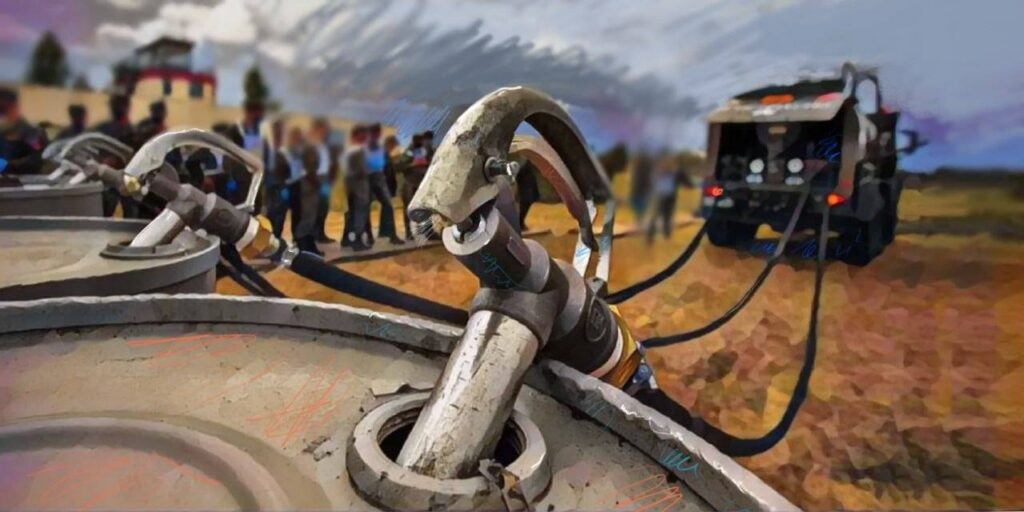
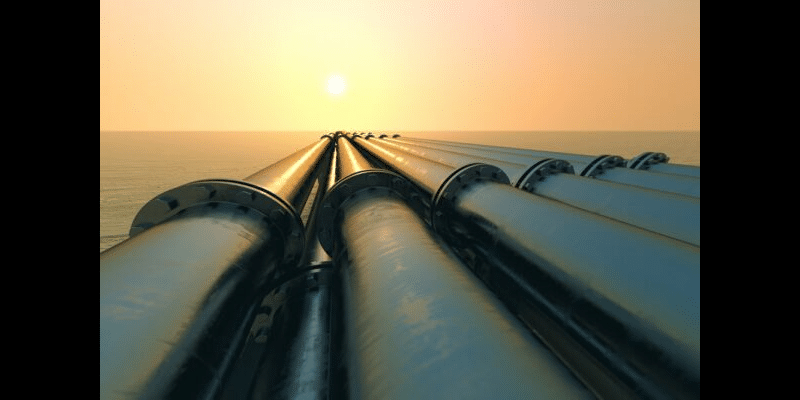
Kazakhstan and Azerbaijan are discussing ways to increase shipments of Kazakh oil across the Caspian Sea and through the Baku–Tbilisi–Ceyhan (BTC) pipeline. In the first nine months of 2026, shipments from Aktau through the pipeline rose 24% year on year to 1.16 million metric tons. At a meeting in Baku on November 3, Askhat Khassenov, chairman of the management board of KazMunayGas (KMG), and Rovshan Najaf, president of the State Oil Company of the Azerbaijan Republic (SOCAR), discussed increasing oil transit through Azerbaijan, according to SOCAR. KMG said the companies were studying geological data from prospective exploration areas in both countries and considering deploying Kazakhstan’s Satti drilling rig at offshore fields in Azerbaijan. The meeting followed another disruption to Kazakhstan’s oil exports through Russia. On November 2, a drone attack on the Samara production and dispatch facility forced a suspension of pumping through the Atyrau–Samara pipeline. Shipments resumed the following day. Earlier attacks had also affected infrastructure belonging to the Caspian Pipeline Consortium (CPC), which handles most of the country’s oil exports. In 2025, Kazakhstan exported 64.8 million metric tons of oil through the CPC and approximately 9.3 million metric tons through the Atyrau–Samara pipeline. Kazakh oil has been transported along the Aktau–Baku–Tbilisi–Ceyhan route since 2023. Tankers carry the crude across the Caspian Sea to Azerbaijan, where it enters the pipeline running to the Turkish Mediterranean port of Ceyhan, providing an export outlet that bypasses Russia’s pipeline network. In 2024, KMG and SOCAR agreed to gradually increase transit volumes to 2.2 million metric tons annually. Kazakhstan’s target for 2026 is 1.7 million metric tons. On October 1, Daulet Arykbayev, director of the Oil Transportation and Refining Department at Kazakhstan’s Ministry of Energy, told Platts that Azerbaijan was willing to raise annual transit volumes to 2.7 million metric tons. He said shipments could reach 7 million metric tons a year over the next few years. The BTC pipeline has a capacity of 1.2 million barrels of oil per day, according to Azerbaijan’s Ministry of Energy. Platts reported in October that it was carrying around 500,000–600,000 barrels a day. The spare capacity offers room for additional Kazakh shipments, although transporting crude across the Caspian Sea adds to the cost. In its 2025 Annual Report, KMG described negotiations with SOCAR over lower tariffs and efforts to assess how Kazakh crude affects the quality of the Azeri Light export blend. That year, shipments from Aktau to Baku were suspended from August to October because of technical restrictions related to oil contamination in the BTC system. According to KMG, 1.3 million metric tons were transported along the trans-Caspian route during the year, 7% less than in 2024. Azerbaijani statistics show that total oil shipments through the BTC pipeline fell 8.3% year on year to 18.86 million metric tons in January–September 2026, despite increased shipments of Kazakh crude.
4 hours ago