The House Foreign Affairs subcommittee chair invoked nearly $200 billion in U.S. support as attacks around Kazakhstan’s principal oil-export route forced production cuts and sharpened questions about Europe’s response.
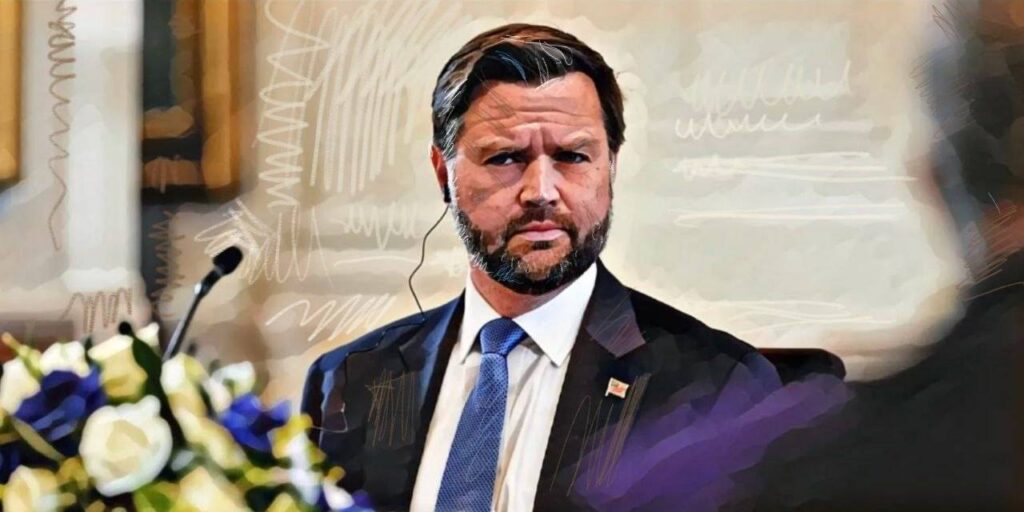
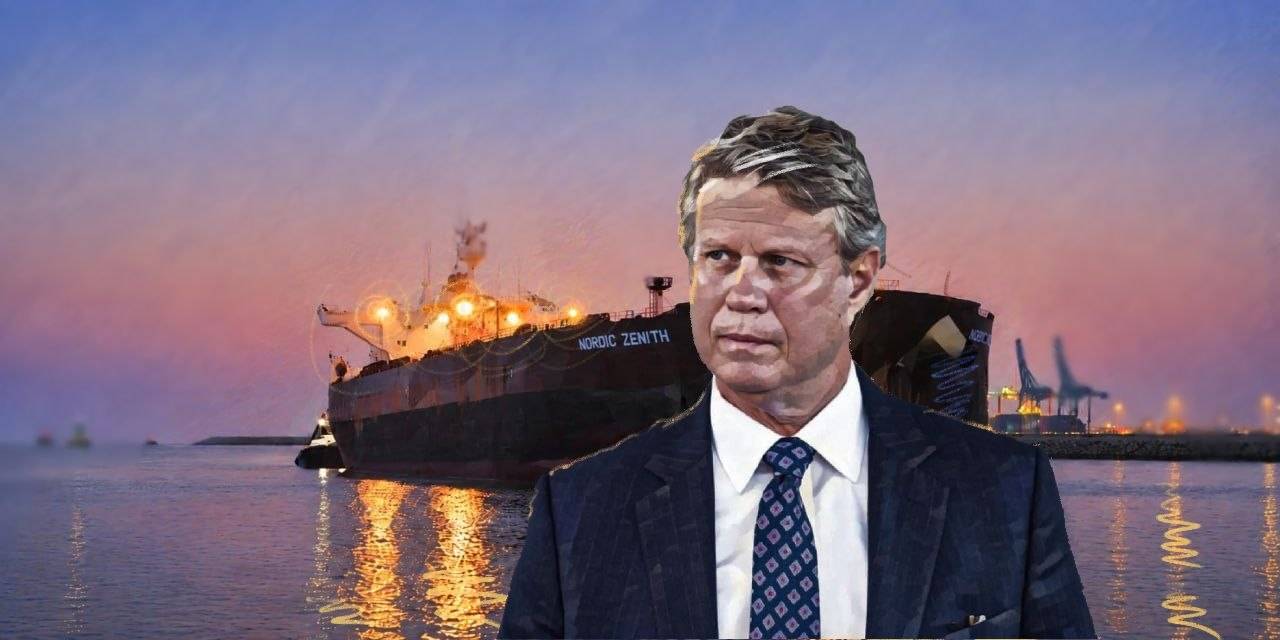
Representative Bill Huizenga has warned that further strikes affecting the Caspian Pipeline Consortium terminal will not be tolerated, explicitly linking Ukraine’s obligation to protect legitimate allied energy exports with the scale of American support for Kyiv.
Huizenga, a Michigan Republican who chairs the House Foreign Affairs Subcommittee on South and Central Asia, was asked by The Times of Central Asia what immediate diplomatic steps the administration should take to safeguard Kazakhstan’s principal oil-export route and civilian vessels carrying its crude.
He responded:
“The Administration must be clear with the Ukrainians: Targeting the CPC Terminal poses a risk not only to civilians, but also to US interests. Ukraine has an obligation to steer clear of any legitimate allied energy exports and infrastructure that contributes to global energy security and economic stability. The generosity of the American people, nearly $200 billion in direct support to the Government of Ukraine, is not charity. Further strikes will not be tolerated.”
Huizenga was warning that U.S. support for Ukraine is not unconditional. By linking American aid to Ukraine’s duty to avoid striking allied energy infrastructure, he signaled that further attacks on vital facilities like the CPC terminal could put that support at risk.
American support, as Huizenga framed it, comes with obligations. A government receiving aid on this scale cannot repeatedly disregard safeguards protecting U.S. interests, allied energy exports, and civilian shipping without jeopardizing that support. The U.S. Ukraine Oversight tracker currently lists total appropriations for Operation Atlantic Resolve and broader Ukraine assistance at $195 billion — a figure that includes military replenishment and other U.S. costs beyond direct transfers to Kyiv.
Washington Had Already Drawn the Boundary
Huizenga’s intervention follows two earlier warnings from the administration.
In February, Ukraine’s ambassador to the United States, Olha Stefanishyna, acknowledged that the State Department had delivered a formal démarche after a Ukrainian attack on Novorossiysk affected American and Kazakh economic interests.
Stefanishyna said the communication was directed at the harm caused to those interests rather than Ukraine’s campaign against Russian military and energy infrastructure more broadly. Ukraine, she said, had taken note of the message.
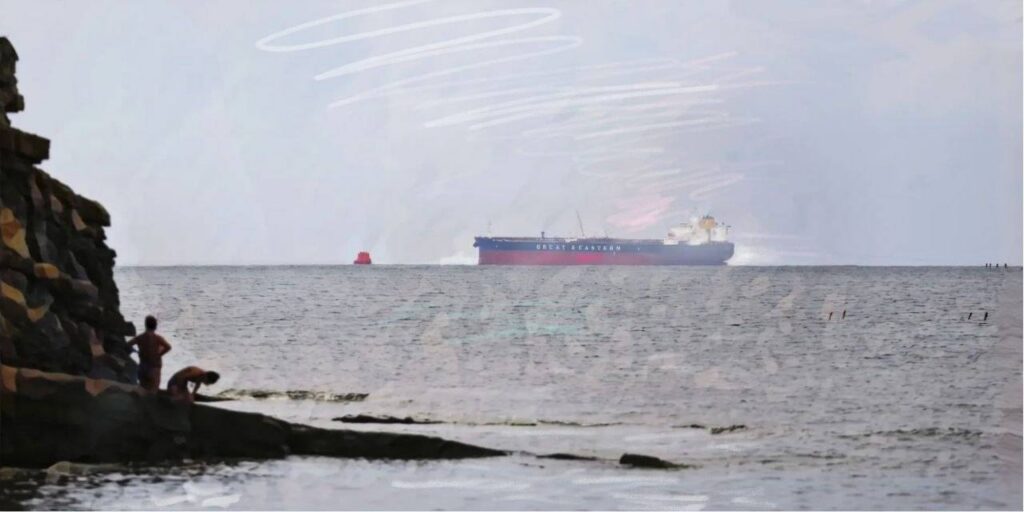
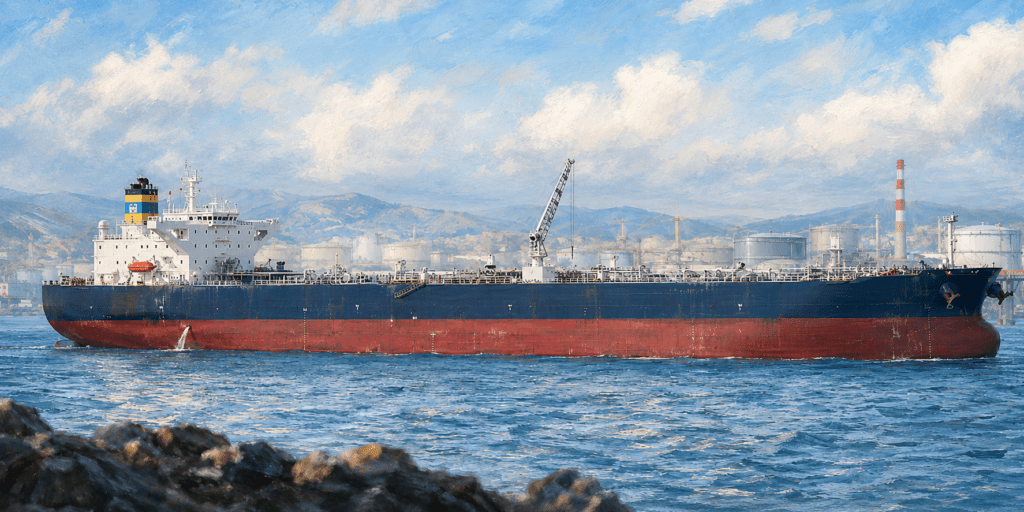
The same distinction emerged again on July 21. The Wall Street Journal reported that the Trump administration had urged Kyiv to curb attacks on non-Russian vessels following four strikes in four days on tankers serving the CPC terminal. The warning drew a boundary around foreign commercial shipping and third-country trade without calling on Ukraine to abandon its broader campaign against Russian targets.
Huizenga has now carried that position further. The State Department communicated the boundary privately in February, and the White House reiterated it in July. By invoking the scale of American assistance and warning that further strikes would not be tolerated, Huizenga made clear that continued violations could place U.S. support at risk.
The latest disruption also continued after the White House warning. By July 23, two additional tanker strikes had been reported near the terminal, following the four vessels struck between July 17 and 20. Repeated suspensions of loading operations eventually caused CPC to stop receiving oil from Kazakhstan as storage capacity filled.
Responsibility remains disputed. Ukraine’s ambassador to Kazakhstan denied Kyiv’s involvement. Ukraine’s General Staff separately said it had struck two unnamed oil tankers on July 19, but did not identify them or establish whether they were the vessels attacked while loading Kazakh crude.
Washington has nevertheless directed both its February and July warnings to Kyiv.
A U.S. Investment Relationship Since 1993
Huizenga’s reference to American interests rests on a commercial relationship extending back to the first years of Kazakhstan’s independence.
On April 6, 1993, Kazakhstan and Chevron formed Tengizchevroil to develop the giant Tengiz field. Chevron today holds 50% of the venture, while ExxonMobil holds 25%. Tengizchevroil says its direct financial payments to Kazakhstani entities since 1993 have reached approximately $214 billion, including taxes, royalties, payments to local employees and suppliers, fees to state-owned companies and distributions to Kazakhstan’s shareholder.
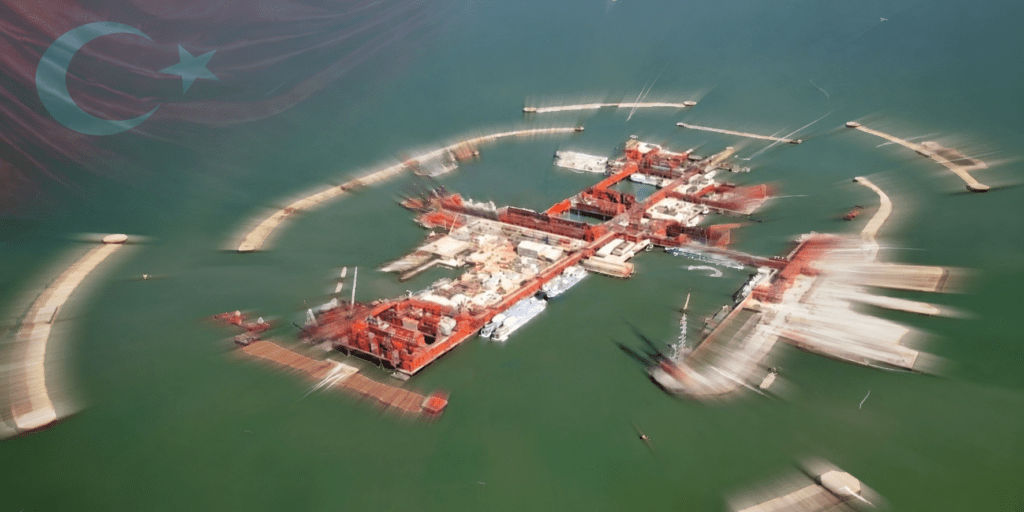
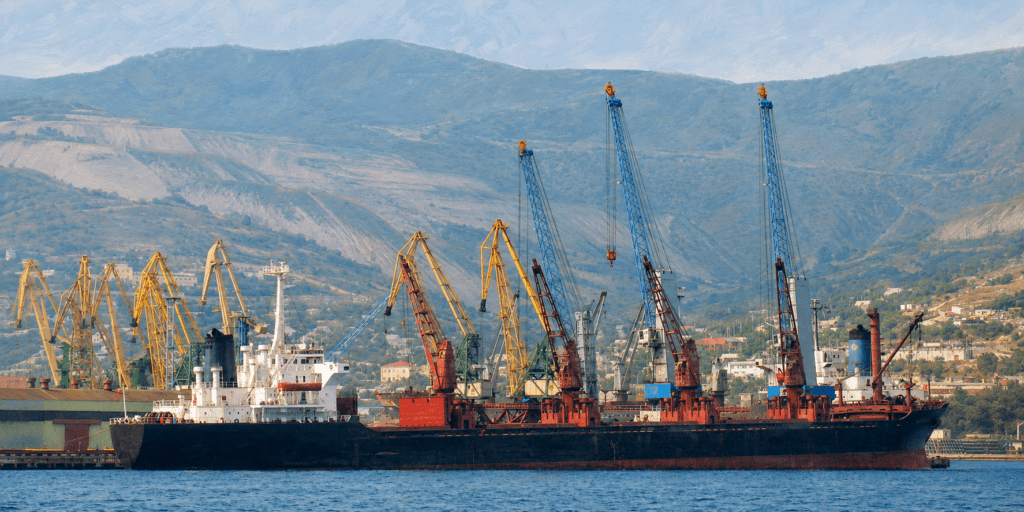
The CPC export route was developed separately but with equally significant American involvement. The pipeline began operating in 2001, connecting Tengiz and other Kazakh fields to tanker-loading facilities near Novorossiysk.
At its launch, the George W. Bush administration described CPC as a $2.6 billion project and the largest single U.S. investment in Russia. ChevronTexaco and ExxonMobil had supplied nearly half of the project’s investment, according to a White House fact sheet issued when the first tanker departed the terminal.
American companies remain directly invested in the route. Chevron holds a 15% interest in CPC, while ExxonMobil holds 7.5%, in addition to their much larger stakes in Tengizchevroil.
The terminal’s location on the Russian coast therefore tells only part of the story. CPC is a multinational export system carrying predominantly Kazakh-origin crude, serving fields developed with substantial American capital and partly owned by American companies.
That history explains why Washington has treated damage around CPC differently from attacks confined to Russian military or sanctioned energy interests. The route is connected geographically to Russia, but the oil, investments and economic consequences extend far beyond it.
The Disruption Reaches Kazakhstan’s Oilfields
Kazakhstan’s Foreign Ministry has said that a previously agreed mechanism for exchanging information about civilian vessels entering the Black Sea to load CPC crude was disregarded during the attacks. The arrangement was intended to identify legitimate civilian shipping and reduce the danger that vessels carrying third-country exports would be confused with Russian military or sanctioned commercial traffic.
The consequences of the disruption have now moved from the Black Sea terminal to Kazakhstan’s producing fields.
Kazakhstan’s Energy Ministry confirmed on July 23 that oil companies had temporarily reduced output because export constraints prevented CPC from receiving their crude. The reductions were intended to avoid overwhelming storage facilities while the government, producers, CPC and shipowners worked to restore stable exports.
Production at Tengiz, Kazakhstan’s largest field, fell from an average of approximately 925,000 barrels per day earlier in July to about 406,000 barrels per day on Wednesday, according to an industry source cited by Reuters. Kazakhstan’s overall oil and gas-condensate output dropped from a July average of 2.07 million barrels per day to 1.63 million.
The figures turn the dispute over tanker security into measurable economic damage. CPC carries roughly 80% of Kazakhstan’s oil exports. When the terminal cannot receive crude, production must eventually be reduced at fields more than 1,500 kilometers away.
The largest reported reduction occurred at the Chevron-led field. Huizenga’s warning that the attacks pose a risk to American interests is therefore literal rather than rhetorical.
Europe has an equally direct interest in the route.
In 2025, Kazakhstan supplied the European Union with 55.8 million tonnes of crude, accounting for 12.8% of EU imports by volume. It was the bloc’s second-largest supplier, narrowly ahead of Norway and behind only the United States.
Kazakhstan’s importance has grown as Europe has reduced its reliance on Russian oil. Russia’s share of EU crude imports fell from 25.8% in 2021 to 2.2% in 2025. The Council of the European Union says that decline was compensated principally by increased imports from the United States, Norway and Kazakhstan.
A prolonged CPC disruption would therefore constrain one of the principal non-Russian supply streams Europe developed after Russia’s full-scale invasion of Ukraine. The oil affected by the shutdown forms part of Europe’s diversification away from Moscow.
If Ukrainian forces are responsible for the attacks, the strategic contradiction is difficult to avoid. Operations intended to weaken Russia would also be reducing output in Kazakhstan, exposing American investments and interfering with oil supplies to European countries that have provided Ukraine with extensive political, military and financial support.
Washington has now publicly articulated the distinction three times, through the February démarche, the July White House warning and Huizenga’s statement to TCA. By the time of publication, TCA had not identified a comparably explicit public warning from EU institutions
The reason for Brussels’ restraint has not been stated publicly. The trade figures, however, leave little doubt about Europe’s exposure. European governments do not have to choose between supporting Ukraine and defending lawful Kazakh commerce. Both positions depend on maintaining a distinction between Russia’s war economy and the exports of a country that is not a party to the conflict.
Ukraine has a legitimate interest in weakening the infrastructure and revenues that sustain Russia’s war. Kazakhstan, however, is not a party to that war, and U.S. sanctions policy expressly distinguishes its crude from Russian oil.
The Treasury Department’s Office of Foreign Assets Control states that Executive Order 14066 does not prohibit dealings in Kazakh-origin crude transported through CPC, even though the oil passes through and departs from Russia. U.S. persons may rely on certificates confirming that the cargo is of Kazakh origin.
Tankers carrying those lawful exports should not be treated as Russian targets merely because they load from a terminal on Russia’s coast.
Huizenga did not specify the consequence or call explicitly for an aid cutoff, but his message was direct. American backing carries obligations, and further attacks affecting allied exports, civilian vessels and longstanding U.S. investments could put that backing at risk.
Europe benefits directly from the same route. It has yet to defend it as plainly.