• KGS/USD = 0.01144 0%
  • KZT/USD = 0.00212 0%
  • TJS/USD = 0.10543 -0.09%
  • UZS/USD = 0.00008 0%
  • TMT/USD = 0.28530 0%
  • KGS/USD = 0.01144 0%
  • KZT/USD = 0.00212 0%
  • TJS/USD = 0.10543 -0.09%
  • UZS/USD = 0.00008 0%
  • TMT/USD = 0.28530 0%
  • KGS/USD = 0.01144 0%
  • KZT/USD = 0.00212 0%
  • TJS/USD = 0.10543 -0.09%
  • UZS/USD = 0.00008 0%
  • TMT/USD = 0.28530 0%
  • KGS/USD = 0.01144 0%
  • KZT/USD = 0.00212 0%
  • TJS/USD = 0.10543 -0.09%
  • UZS/USD = 0.00008 0%
  • TMT/USD = 0.28530 0%
  • KGS/USD = 0.01144 0%
  • KZT/USD = 0.00212 0%
  • TJS/USD = 0.10543 -0.09%
  • UZS/USD = 0.00008 0%
  • TMT/USD = 0.28530 0%
  • KGS/USD = 0.01144 0%
  • KZT/USD = 0.00212 0%
  • TJS/USD = 0.10543 -0.09%
  • UZS/USD = 0.00008 0%
  • TMT/USD = 0.28530 0%
  • KGS/USD = 0.01144 0%
  • KZT/USD = 0.00212 0%
  • TJS/USD = 0.10543 -0.09%
  • UZS/USD = 0.00008 0%
  • TMT/USD = 0.28530 0%
  • KGS/USD = 0.01144 0%
  • KZT/USD = 0.00212 0%
  • TJS/USD = 0.10543 -0.09%
  • UZS/USD = 0.00008 0%
  • TMT/USD = 0.28530 0%

Viewing results 1 - 6 of 95

Kazakhstan: first automobile ferry sent from Kuryk port on Caspian coast

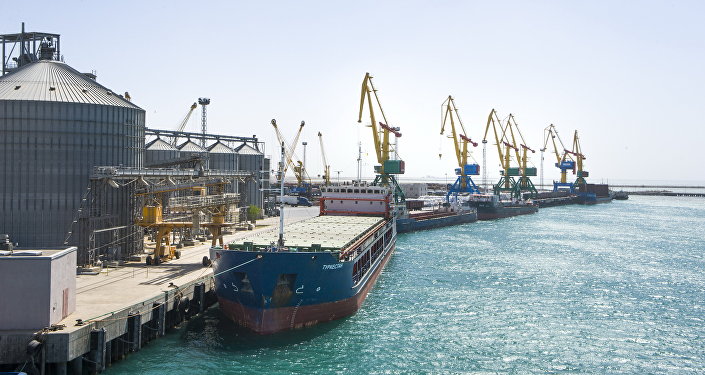
ASTANA (TCA) — The first automobile ferry with Kazakhstan and transit cargoes has been sent from the Kuryk ferry complex on Kazakhstan’s Caspian Sea coast, the press service of Kazakhstan’s national railways company Kazakhstan Temir Zholy (KTZ) said. Continue reading

Trans-Caspian Transport Route to launch regular container train from China to Turkey, Georgia

ASTANA (TCA) — Members of International Association "Trans-Caspian International Transport Route" (TITR) held a General Meeting in Astana, Kazakhstan on December 6 to discuss the development of container traffic along the TITR, the launch of a regular container train in 2018, and increasing the competitiveness of TITR tariff rates next year, the press-office of Kazakhstan’s national railways company Kazakhstan Temir Zholy (KTZ) said. Continue reading

Convention on legal status of Caspian Sea to be signed in first half of 2018

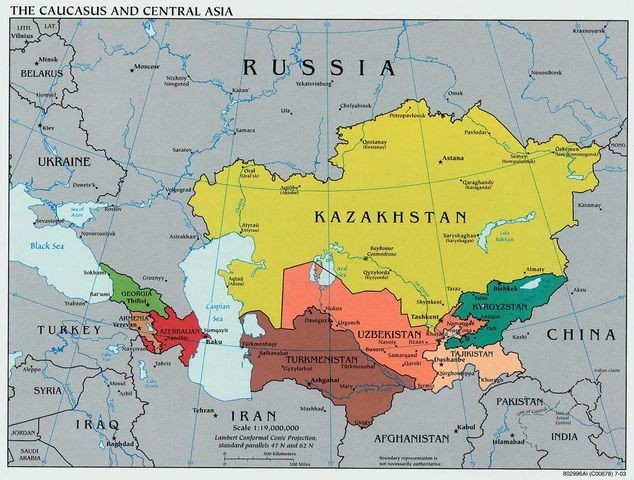
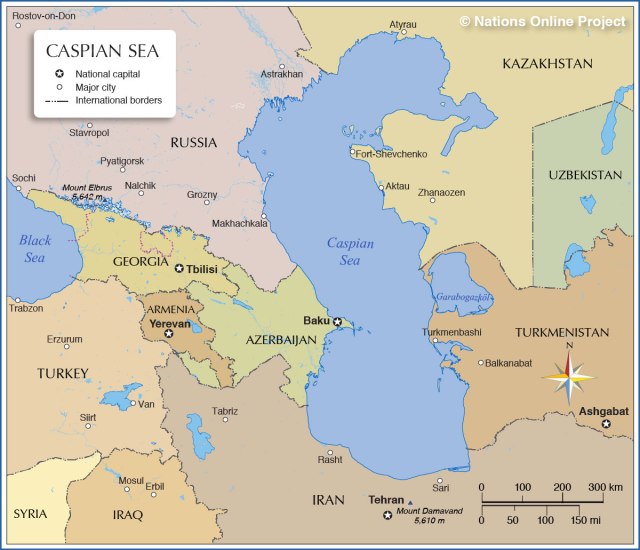
BISHKEK (TCA) — The five Caspian Sea littoral states — Azerbaijan, Iran, Kazakhstan, Russia, and Turkmenistan — have agreed on the draft Convention on the Legal Status of the Caspian Sea, which will be signed at the Fifth Caspian Summit to be held in Kazakhstan in the first half of next year, Russian Foreign Minister Sergey Lavrov said in a statement following the Meeting of the Caspian Littoral States' Foreign Ministers in Moscow on December 5. “We have agreed to continue to vigorously promote the implementation of new promising joint projects, especially in the transport sector with its various aspects – from infrastructure development and commercial navigation to improving navigation safety – and the deepening of economic cooperation between the Caspian Five,” Lavrov said. He also said that the foreign ministers “have positively evaluated the interaction between our defence ministries in the Caspian Sea,” adding that this year, almost all coastal states exchanged friendly visits by their Navy ships. Meanwhile, Azerbaijani Foreign Minister Elmar Mammadyarov said that there is "a need for maximum efforts to reach a consensus" on all remaining issues before the summit, RFE/RL reported. The foreign ministers did not say what the remaining sticking points were. The Caspian Sea is the largest inland body of water in the world, with huge hydrocarbon resources. Its legal regime has been under discussion since 1991, when Azerbaijan, Kazakhstan, and Turkmenistan gained independence following the collapse of the Soviet Union. If the Caspian is legally declared a sea, all five littoral countries would map out their territorial waters and exploit the resources as they see fit. If it is designated as a lake, all the resources of the Caspian, and profits from those resources, would be split equally among the five countries.

Trans-Caspian International Transport Route to increase cargo transportation

ASTANA (TCA) — On November 15, Azerbaijan’s capital Baku hosted the General Meeting of members of Trans-Caspian International Transport Route (TITR) International Association, which discussed increasing the volume of cargo transportation along this route and increasing its efficiency, the press office of Kazakhstan’s national railways company Kazakhstan Temir Zholy (KTZ) said. Continue reading

Kazakhstan sends millionth ton of cargo across Caspian from Kuryk port

ASTANA (TCA) — On October 19, the first million tons of cargo was sent to the Azerbaijani port of Baku from Kazakhstan’s port of Kuryk on the Caspian coast, said the press office of Kazakh national railway company Kazakhstan Temir Zholy (KTZ), which has constructed the Kuryk seaport. Continue reading

EBRD to fund Trans-Anatolian gas pipeline to supply Caspian gas to Europe

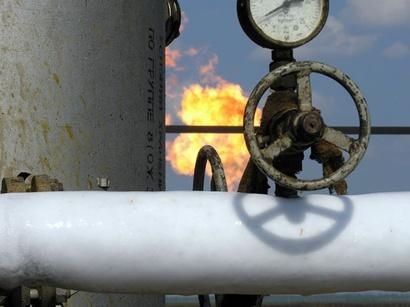
BISHKEK (TCA) — The European Bank for Reconstruction and Development (EBRD) on October 18 said its Board of Directors has approved a US $500 million regional project that will help finance the delivery of crucial energy supplies from the Caspian Sea to Europe along the Southern Gas Corridor (SGC). Potentially, Turkmenistan may join the project by transporting its natural gas across the Caspian Sea to Azerbaijan. The EBRD said its financing will fund the completion of the Trans-Anatolian Natural Gas Pipeline (TANAP) that passes through Turkey. TANAP is a key part of the SGC which will strengthen Europe’s energy security, promote interconnectivity and open gas markets. It will also help provide a better energy supply mix for consumers in the Balkans and south-eastern Europe as well as achieve significant CO2 reductions through the substitution of obsolete coal-fired power plants. The Bank’s engagement in the project will ensure adherence to the highest environmental standards and allow continuing extensive dialogue with all stakeholders of SGC. The Southern Gas Corridor includes gas infrastructure investments into a 3,500-kilometre pipeline running through six countries with a total cost of US $40 billion. The key components are the Shah Deniz offshore gas field in Azerbaijan, the Southern Caucasus Pipeline in Azerbaijan and Georgia, TANAP in Turkey and the Trans Adriatic Pipeline (TAP) through Greece, Albania and Italy. The initial annual throughput capacity will be up to 16 billion cubic metres, which is equivalent to the annual energy consumption of more than 10 million households in the region.