• KZT/USD = 0.00223
  • TJS/USD = 0.10810
  • UZS/USD = 0.00009
  • TMT/USD = 0.29850
  • KZT/USD = 0.00223
  • TJS/USD = 0.10810
  • UZS/USD = 0.00009
  • TMT/USD = 0.29850
  • KZT/USD = 0.00223
  • TJS/USD = 0.10810
  • UZS/USD = 0.00009
  • TMT/USD = 0.29850
  • KZT/USD = 0.00223
  • TJS/USD = 0.10810
  • UZS/USD = 0.00009
  • TMT/USD = 0.29850
  • KZT/USD = 0.00223
  • TJS/USD = 0.10810
  • UZS/USD = 0.00009
  • TMT/USD = 0.29850
  • KZT/USD = 0.00223
  • TJS/USD = 0.10810
  • UZS/USD = 0.00009
  • TMT/USD = 0.29850
  • KZT/USD = 0.00223
  • TJS/USD = 0.10810
  • UZS/USD = 0.00009
  • TMT/USD = 0.29850
  • KZT/USD = 0.00223
  • TJS/USD = 0.10810
  • UZS/USD = 0.00009
  • TMT/USD = 0.29850
23 September 2026

Viewing results 1 - 6 of 3

Water in Central Asia: Can the Five States Reach an Agreement?

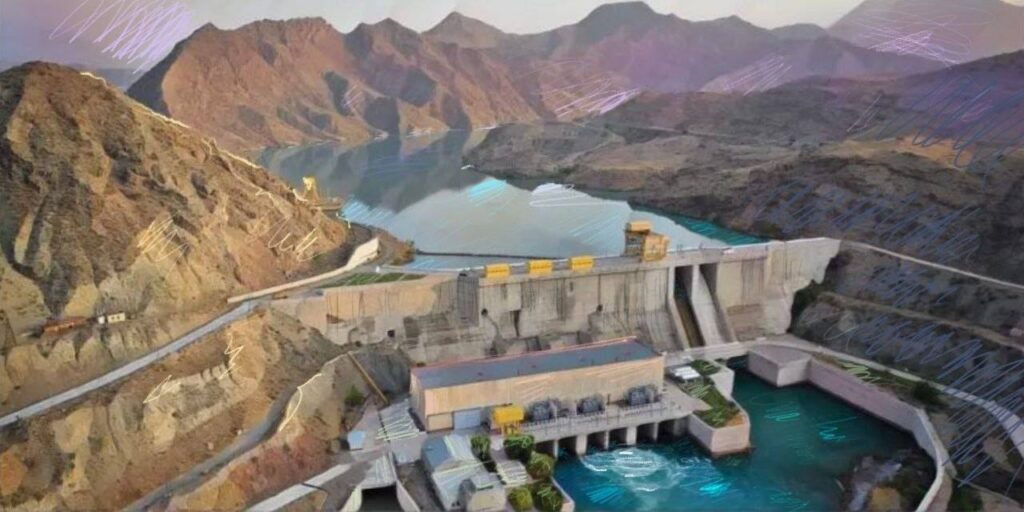
Central Asia is entering a period of growing water stress, as climate change makes supplies less predictable while demand continues to rise. Populations are growing, economies require new energy and industrial capacity, glaciers are shrinking, and agriculture continues to consume most of the available water. The region’s two main rivers – the Amu Darya and Syr Darya – cross national borders, making it impossible for any one country to solve the problem on its own. After decades of disputes, Central Asian states are increasingly trying to manage water jointly. In 2026, that cooperation has produced further practical steps, from plans for automated water accounting in the Syr Darya basin to new proposals for reforming regional mechanisms. The question now is whether the five countries can agree on rules when their water needs remain different. Water and Energy: An Old Conflict The structural conflict is rooted in the region’s geography. Kyrgyzstan and Tajikistan are upstream states and use water in part for hydropower generation, particularly in winter. Kazakhstan, Uzbekistan, and Turkmenistan are downstream and need large volumes in summer during the irrigation season. During the Soviet period, a centralized exchange system was in place: upstream republics stored water in winter and released it in summer, receiving energy resources in return. After the collapse of the Soviet Union, that unified mechanism disappeared. Interstate agreements preserved a degree of coordination but did not eliminate the tension between upstream energy needs and downstream agricultural interests. Climate change is now adding another layer to the problem. Retreating glaciers in the Pamir and Tien Shan mountains are altering the timing and reliability of river flows, while populations and consumption are increasing. Countries across the region are planning new power plants, industrial facilities, mining projects, and data centers, while agriculture remains the largest consumer of water. From Seasonal Quotas to Joint Management The main formal mechanism for coordinating river allocations remains the Interstate Commission for Water Coordination of Central Asia (ICWC), established in 1992. Through it, countries coordinate water withdrawal limits and reservoir operating regimes in the Amu Darya and Syr Darya basins. In late 2025, the countries agreed on water allocations for 2026: for the Amu Darya, the total withdrawal limit for the water-management year from October 2025 to October 2026 was around 55.4 billion cubic meters, while the Syr Darya allocation for the non-growing season was approximately 4.2 billion cubic meters. The five-state framework does not, however, cover every major user of the Amu Darya. Afghanistan is outside the regional allocation system, while its Qosh Tepa Canal, now under construction, has added another source of uncertainty over future downstream flows. Such agreements keep the shared system functioning, but many decisions are still made ahead of each new season. Climate change and rising demand require a longer-term model. In February of this year, Kazakhstan proposed developing a Central Asian Framework Convention on Water Use, while joint infrastructure projects, including Kyrgyzstan’s Kambarata-1 hydropower plant with the participation of Kazakhstan and Uzbekistan, are gradually adding shared economic interests...

Twenty-Five Years Ago, Karimov and Powell Opened a Humanitarian Lifeline. Today, Global Support Wanes

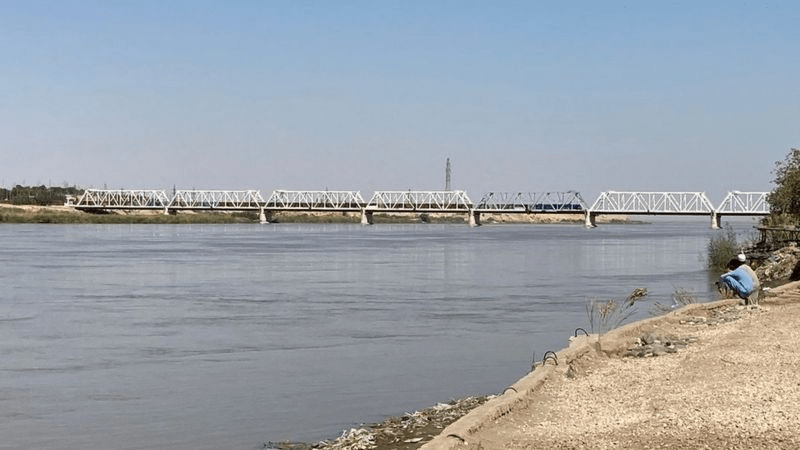
During the first week of June 2026, World Food Programme Afghanistan Country Director John Aylieff, Supply Chain Officer Shukhratmirzo Khodzhaev, and TCA’s Javier M Piedra visited the Termez–Hairatan border crossing and the Termez Free Economic Zone (TFEZ), a logistics hub between Uzbekistan and Afghanistan on the Amu Darya River. The trip was organized by the Institute for Strategic and Regional Studies (ISRS) in connection with Termez Dialogue 2026, a flagship Uzbekistan initiative designed to advance economic integration, trade, and cultural exchange across Central and South Asia. For 25 years, Uzbekistan has maintained the Termez crossing as a key humanitarian gateway, ensuring Afghanistan’s continued access to regional and global supply chains. [caption id="attachment_51321" align="aligncenter" width="850"] Geographical position of the Amu Darya; source: snipview.com/amudarya[/caption] A quarter-century on, the gateway that has saved millions of Afghans from famine remains open, but the funding that makes it so meaningful is on life support. While Central Asia has stepped up, its increased contributions only partially offset the huge shortfall left by wealthier countries. Termez, Uzbekistan Twenty-five years ago, with winter approaching, borders closed, logistics shattered, and five million Afghans in urgent need of food, WFP's Petar Bojilov and Tim Lavelle—on loan to USAID OFDA's DART from USUN Rome—took on an impossible mission: to open a lifeline and get emergency food aid across the Amu Darya River from Uzbekistan into Afghanistan. What began with one barge and a handful of hopelessly underequipped and understaffed personnel in 2001 has become one of the world's most consequential logistics hubs, through which WFP has delivered over 220,000 metric tons of food into Afghanistan in recent years. In 2026, the Bridge of Friendship Marks its 25th Anniversary Once a barely functional border crossing, Termez is now a Free Economic Zone (AIRITOM) with multimodal connectivity and extensive storage, providing WFP with what John Aylieff calls unmatched operational flexibility. “What makes the Termez hub today so strategically important is its reliability and versatility,” says Aylieff. “It offers dependable transshipment through multiple Afghan corridors—a vital lifeline where speed matters – as well as loading and storage. Given current geopolitical tensions, from the closure of the Pakistan–Afghanistan border to the spillover of the Middle East crisis, its role has become even more essential for humanitarian operations.” [caption id="attachment_51320" align="aligncenter" width="761"] John Aylieff and Javier Piedra, Termez (June 7th, 2026). Image: TCA[/caption] Since February 2026, violence along Afghanistan's 2,400-kilometre border with Pakistan has escalated sharply, triggering the displacement of approximately 20,000 families. With heightened instability along the Afghan-Pakistan border and in Iran, forced returns of Afghan refugees have increased sharply; the Termez transit corridor has become all the more critical as a channel for humanitarian food aid. Termez's value extends well beyond WFP's own operations. "The hub not only serves WFP in Afghanistan but also supports numerous humanitarian agencies in the country, including UNHCR, UNFPA, and UNICEF," says Aylieff. "It is the backbone of the northern corridor supply chain into Afghanistan, and more and more agencies are relying on WFP's logistics capabilities to bring their...

Tajikistan Warns of Mudslides as Central Asia Expands Flood Cooperation

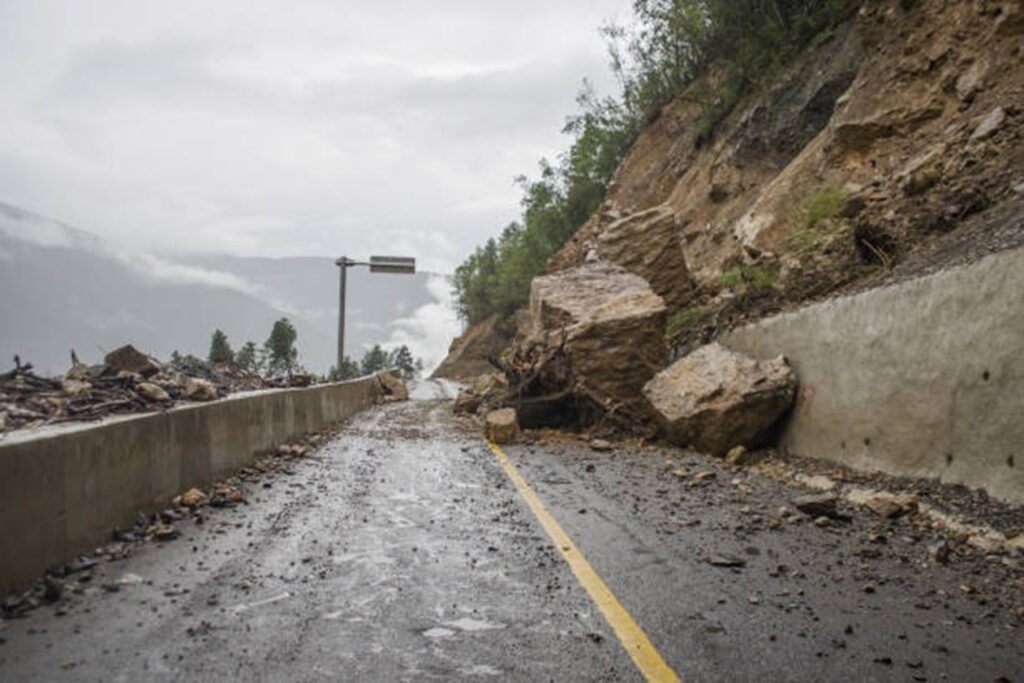
Authorities in Tajikistan say heavy rain could trigger mudslides in parts of the country in the coming days and have warned people to be extremely careful when traveling on roads near mountains and riverbanks. The warning was issued on Wednesday, days after government officials, scientists, and other delegates from across Central Asia met in Bishkek to discuss ways to address cross-border mudflows and floods. The three-day meeting, which ended on Friday, was organized by Kyrgyzstan’s Ministry of Emergency Situations and the Regional Environmental Center for Central Asia, a group that gets support from the World Bank and other international partners. Mudslides and flooding often hit parts of Central Asia in the spring and early summer, when rainfall, rising temperatures, snow and glacier melt, and increasing water levels threaten communities that scientists say are more vulnerable because of climate change. In the spring of 2024, flooding in Kazakhstan displaced thousands of people and damaged many homes and other buildings in what the government called the worst natural disaster in the country in 80 years. Central Asian governments are increasing cooperation on mitigation measures, including early warning systems, data sharing, and other projects to better protect their populations. As temperatures rise faster in Central Asia than the global average, Tajikistan is especially vulnerable because it is a mountainous country where glacier melt is a growing concern. Heavy rains and mudslides are possible through Friday, July 3, in mountainous and hilly areas across the country, as well as in Sughd Region in northwest Tajikistan, which borders Uzbekistan, and in Khatlon Region in the southwest, which borders Uzbekistan and Afghanistan, Tajikistan’s Ministry of Transport said. Citing meteorological experts, the ministry also warned of dust storms in Khatlon and the capital, Dushanbe, because of strong winds blowing from the south. “As a result of rising temperatures, glacier melt, and increasing water levels in the Panj, Vakhsh, Varzob, and Zeravshan rivers, there is a risk of mudflows in these areas,” the ministry said. It added that it had “instructed all road maintenance departments and institutions to monitor the condition of highways around the clock.” The possibility of flooding from glacier melt and rising river levels is not only a problem in mountainous areas in upstream countries such as Tajikistan and Kyrgyzstan, but also in downstream countries, including Kazakhstan, Uzbekistan and Turkmenistan, that rely on cross-border water supplies but are also vulnerable to natural disasters. Turkmenportal, an online news site, said the recent meeting in Kyrgyzstan on water cooperation in Central Asia was important to Turkmenistan because it “is located in the lower reaches of Central Asia's largest rivers and is directly dependent on the quality of transboundary cooperation in water management and flood risk reduction.”