Viewing results 1 - 6 of 42
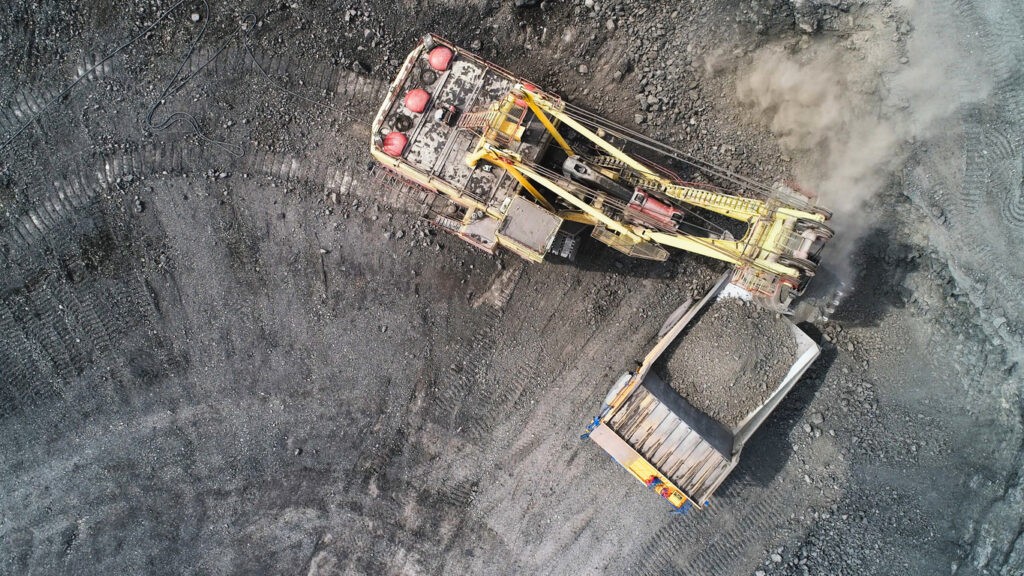
The Chinese company Henan intends to invest $400 million in developing coal deposits in Uzbekistan. There are also plans by the Turkish company Bab Energy ve Petrol Urunleri A.S. to establish facilities for the production of enriched kaolin. On July 9th, President of Uzbekistan Shavkat Mirziyoyev received a report on the work and progress of investment projects in the field of geology. According to the provided data, almost 3 million tons of coal have been extracted in the country over the last six months. There are plans for the production of more than 5 million tons of coal in the second half of the year. Overall, coal production is expected to increase by 1.4 million tons this year compared to last year, while imports are expected to decrease significantly. The coal industry is also implementing a number of investment projects. In particular, the Chinese company Henan plans to directly invest 400 million dollars towards the development of the Nishbash deposit. As a result of this project, up to 8 million tons of coal will be mined from underground and 5 million tons of coal per year will be enriched. In addition, there are plans to produce enriched kaolin from the "Apartak-3" deposit in the Tashkent region jointly with the Turkish company Bab Energy ve Petrol Urunleri A.S. As a result of this joint venture, 40 new jobs will be created, and 70 thousand tons of enriched kaolin will be produced per year.
According to data released by the Statistics Agency of Uzbekistan, from January – May, the country’s production of natural gas amounted to 18.8 billion cubic meters, one billion cubic meters less than in the same period last year. Natural gas production in Uzbekistan has seen a steady decline in recent years and from 2019-23, fell by 22.8 percent. In 2022, gas production decreased from 53.8 billion to 51.67 billion cubic meters, or 4%, and in 2023, from 51.67 billion to 46.71 billion cubic meters, or 9.6%. To compensate for the drop in domestic production, Uzbekistan has increased its import of natural gas from Turkmenistan and Russia. In the first 5 months of this year, Uzbekistan also saw a decrease in coal and oil production. Coal production fell by 73 thousand tons, to 1.9 million tons, and oil production, by 22 thousand tons, to 305 thousand tons.
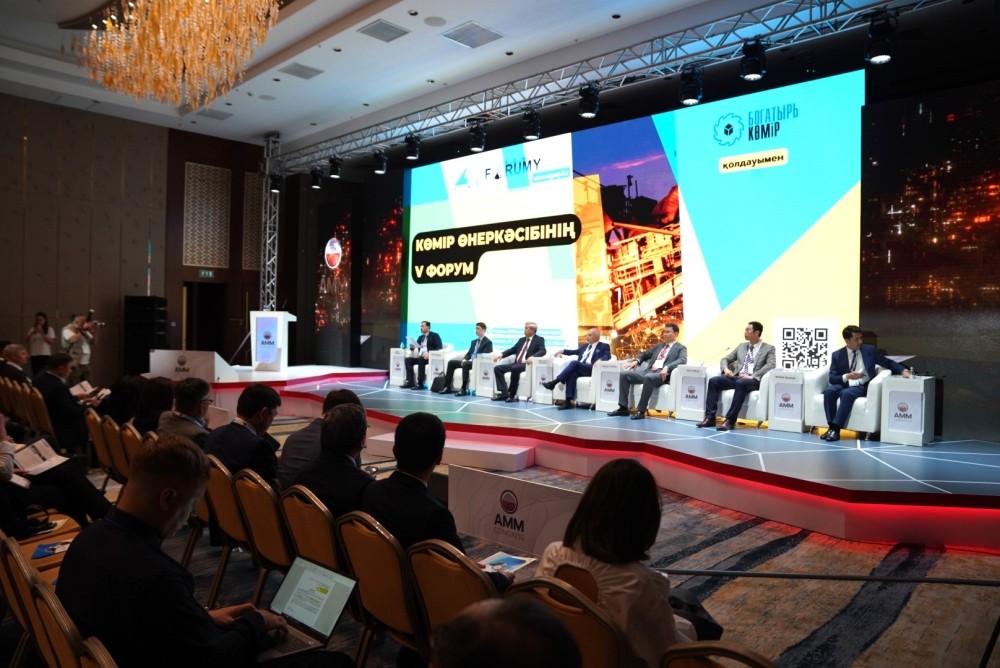
During the 5th Coal Industry Forum at the 14th International Mining and Metallurgical Congress on 6-7 June in Astana, Yerzhan Yelekeyev, Chairman of the Management Board of Kazakh Invest, presented new investment opportunities to produce high-tech goods from Kazakh coal. Substantiating his claim that the coal chemistry industry has the means to help grow Kazakhstan’s chemical industry and developments in manufacturing, Yelekeyev stated: "Having an extensive resource base and an advantageous geographical location, we must realize the potential of the coal chemical industry. In total, more than 400 different products can be obtained by processing coal, the cost of which is 20-25 times higher than the cost of coal itself. With the deep processing of coal, it is possible to obtain products that cost 25-30 times more than raw materials. Currently, the share of coal products in Kazakhstan is 3%; an indicator of the low level of development of coal chemistry. The price of coal is lower and more stable than that of gas and oil. According to preliminary calculations, the unused potential is worth $25 billion.” In his presentation on "Partnership of Kazakhstan and the European Union in the field of critical minerals,” Timur Izbasarov, Deputy Director of the Strategy Department at Kazakh Invest, added that according to the World Bank, Kazakhstan has over 5,000 undiscovered deposits valued at over 46 trillion US dollars, and hence, significant opportunities for investment and cooperation in the field waiting to be untapped.
On 13 May, Uzbekistan President Shavkat Mirziyoyev reported on government plans to increase the country’s coal production. The country’s coal reserves currently amount to almost 2 billion tons, and production continues to grow. In 2023, Uzbekistan produced 6.550 million tons of coal compared to less than 4 million tons in 2016. The target this year, is to increase coal production to 8 million tons, and by 2025, up to 10 million tons. As a result of an earlier drive by the government to attract investment in the industry from the private sector, 369 thousand tons of coal were produced in 2023 and this year, is expected to rise to 900 thousand tons. Geological exploration is currently underway at new coal deposits in the regions of Surkhandarya, Kashkadarya and Tashkent, and according to the report, coal production in these areas should begin next year.
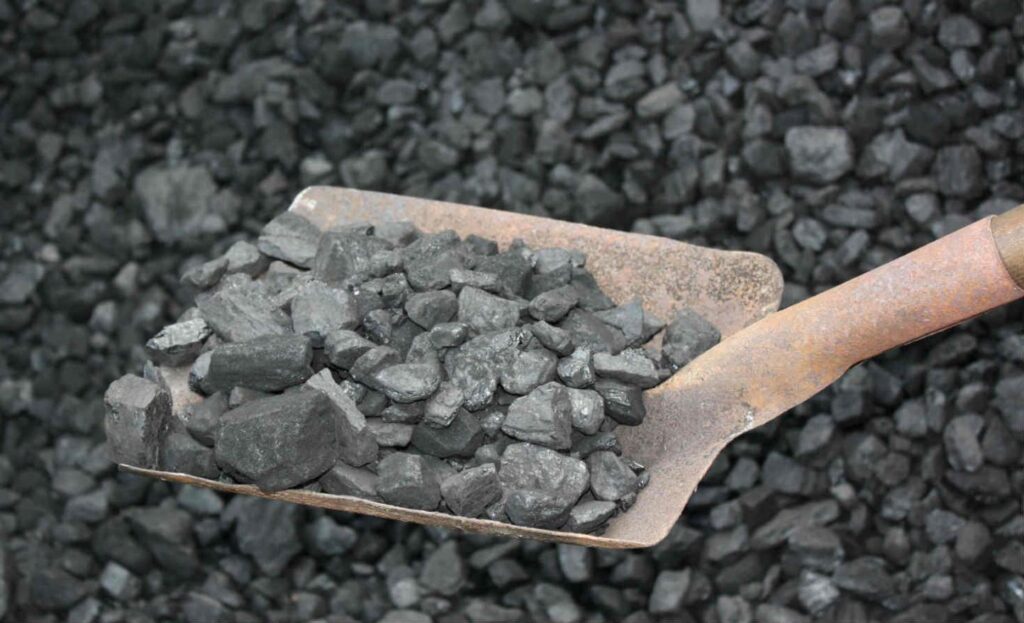
A decision to end Uzbekistan's price caps on coal has been made against the background of rising costs for electricity. To date, hard coal in the country is a social commodity, which is sold to the population at fixed prices. Currently, coal is sold under direct contracts to the population, state organizations and thermal power plants, and because it's included in the list of socially important goods, its price is regulated by the state. Wholesale and retail prices for coal are considered and approved by the Interdepartmental Commission on Tariffs at least once a year (valid through June 1). Retail coal is sold to the population through coal warehouses run by the state company "Kumir ta'minot". The Ministry of Energy, together with other agencies, has a mandate to make proposals for the formulation of wholesale and retail prices "based on market principles" within a month. In 2023 Uzbekistan's coal production rose to 6.19 million tons, up 15.5% from the previous year. However, imports also increased -- 3.1 million tons were purchased from Kazakhstan alone. At the beginning of this year, Uzbek president Shavkat Mirziyoyev instructed domestic mining companies to increase coal production by 22%, taking into account the needs of the population, social sphere and industries. According to experts, the potential of the coal industry is not being properly utilized. At the same time, coal combustion is the main air pollutant in Uzbekistan, especially in Tashkent, which has recently taken a leading position on the list of cities with the worst air quality. During the fall and winter period, greenhouses on the outskirts and industrial enterprises of the Uzbek capital massively use coal and fuel oil as heating and power generation fuel. This has led to a sharp deterioration of air quality indicators and an increase in respiratory diseases among citizens.
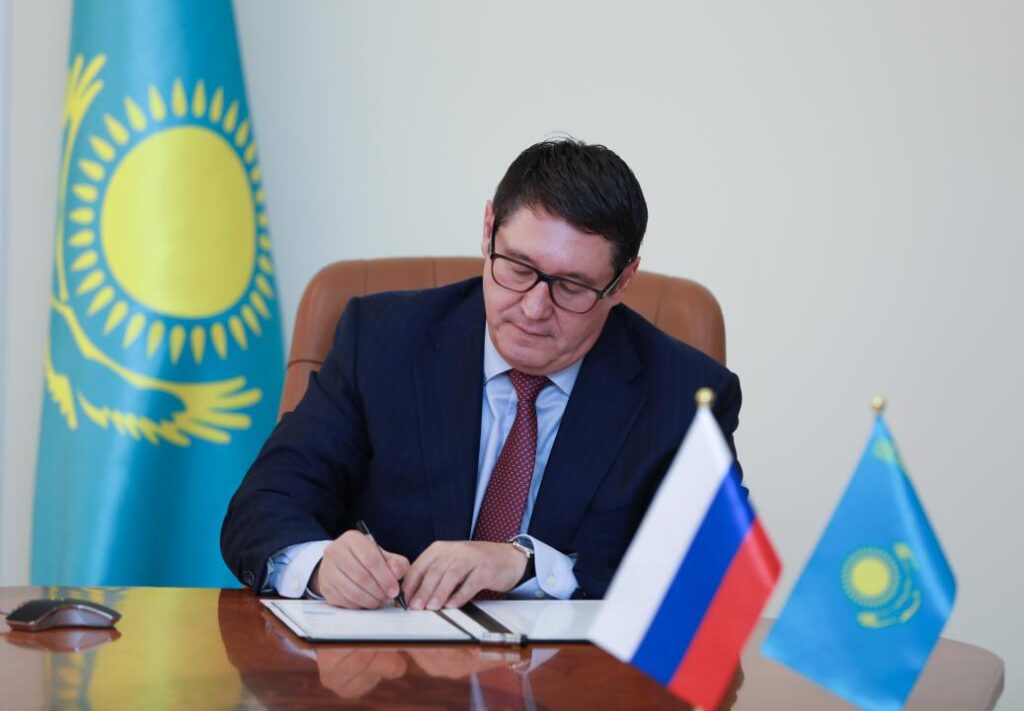
On April 17, the Minister of Energy of Kazakhstan Almasadam Satkaliev and the Minister of Energy of the Russian Federation Nikolay Shulginov signed an agreement on the construction of coal-fired thermal power plants in the Kazakh cities of Kokshetau, Semey, and Ust-Kamenogorsk. In welcoming the joint initiative, Minister Satkaliev stated that the construction of new thermal power plants will give powerful impetus to the future exploitation of the three regions' extensive coal reserves. With plans already in place, the construction of the first thermal power plant is scheduled to begin later this year.