• KGS/USD = 0.01144 0%
  • KZT/USD = 0.00203 0%
  • TJS/USD = 0.10731 0%
  • UZS/USD = 0.00008 0%
  • TMT/USD = 0.28490 0%
  • KGS/USD = 0.01144 0%
  • KZT/USD = 0.00203 0%
  • TJS/USD = 0.10731 0%
  • UZS/USD = 0.00008 0%
  • TMT/USD = 0.28490 0%
  • KGS/USD = 0.01144 0%
  • KZT/USD = 0.00203 0%
  • TJS/USD = 0.10731 0%
  • UZS/USD = 0.00008 0%
  • TMT/USD = 0.28490 0%
  • KGS/USD = 0.01144 0%
  • KZT/USD = 0.00203 0%
  • TJS/USD = 0.10731 0%
  • UZS/USD = 0.00008 0%
  • TMT/USD = 0.28490 0%
  • KGS/USD = 0.01144 0%
  • KZT/USD = 0.00203 0%
  • TJS/USD = 0.10731 0%
  • UZS/USD = 0.00008 0%
  • TMT/USD = 0.28490 0%
  • KGS/USD = 0.01144 0%
  • KZT/USD = 0.00203 0%
  • TJS/USD = 0.10731 0%
  • UZS/USD = 0.00008 0%
  • TMT/USD = 0.28490 0%
  • KGS/USD = 0.01144 0%
  • KZT/USD = 0.00203 0%
  • TJS/USD = 0.10731 0%
  • UZS/USD = 0.00008 0%
  • TMT/USD = 0.28490 0%
  • KGS/USD = 0.01144 0%
  • KZT/USD = 0.00203 0%
  • TJS/USD = 0.10731 0%
  • UZS/USD = 0.00008 0%
  • TMT/USD = 0.28490 0%

Viewing results 1 - 6 of 49

Kyrgyzstan Ready to Act as a ‘Gateway’ for Tajik Goods to EAEU and EU Markets

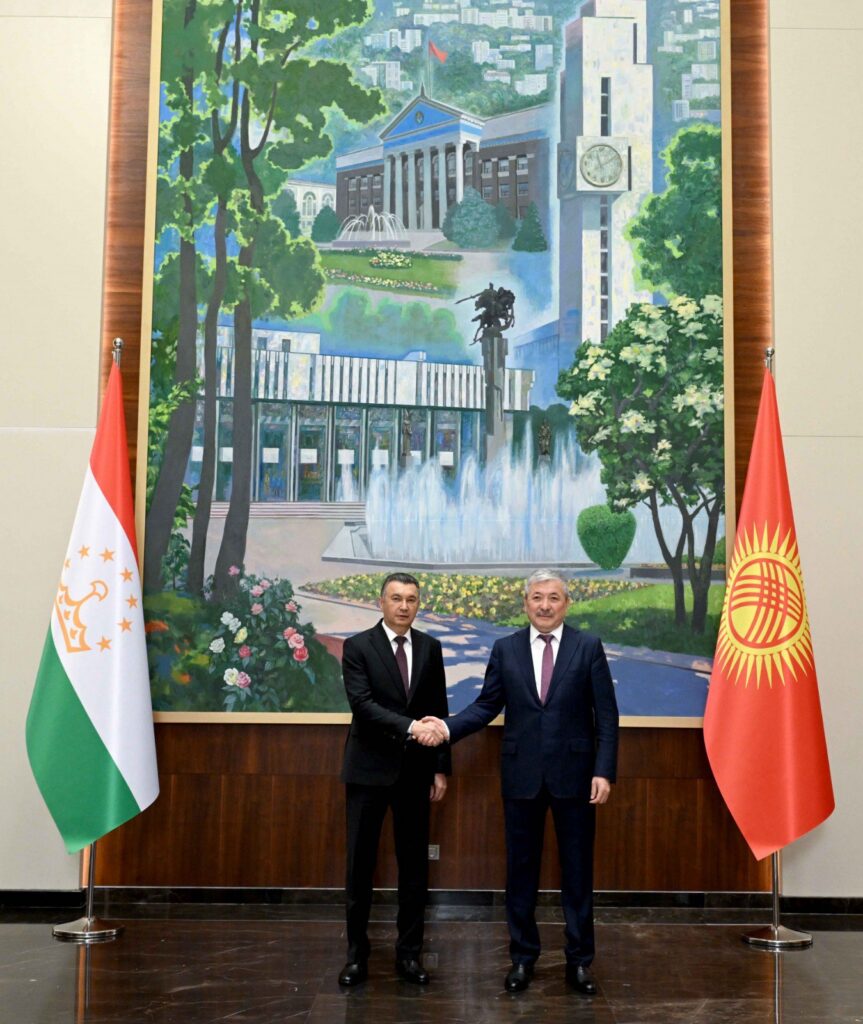
On February 13 in Bishkek, Chairman of the Cabinet of Ministers of Kyrgyzstan Adylbek Kasymaliev and Prime Minister of Tajikistan Kokhir Rasulzoda held the first meeting of the Kyrgyz-Tajik Intergovernmental Council. Opening the session, Kasymaliev said that 2025 marked a historic milestone in bilateral relations, citing the completion of the delimitation process of the Kyrgyz-Tajik border. He described the agreement as “a decisive factor in strengthening security and stability not only in our countries but also in the entire region.” Addressing trade and economic cooperation, Kasymaliev stated that Kyrgyzstan is ready to expand supplies of meat and dairy products, clothing and textiles, coal, glass, and sugar to Tajikistan. According to official figures, bilateral trade turnover reached $36 million in 2025, representing a nearly 24-fold increase compared to 2024. Both sides have set a target of increasing annual trade to $500 million. In the field of transport and logistics, Kasymaliev emphasized the need to improve border infrastructure and enhance the efficiency of checkpoints. Proposed measures include modernizing existing border crossings, expanding capacity, developing logistics and cargo terminals, and introducing digital solutions in customs and border administration. “Kyrgyzstan is ready to act as a trade gateway for Tajik goods to the markets of the Eurasian Economic Union (EAEU), as well as the European Union through the Generalised Scheme of Preferences Plus (GSP+),” Kasymaliev said. He also highlighted the strategic China-Kyrgyzstan-Uzbekistan railway project, which he said would significantly increase Kyrgyzstan’s transit potential and strengthen its role as a logistics hub in Eurasia. According to the Kyrgyz prime minister, the new transport corridor will create additional opportunities for Tajikistan. Kasymaliev further noted positive dynamics in tourism cooperation. In 2025, 86,000 tourists from Tajikistan visited Kyrgyzstan, a 12-fold increase compared to 2024. Kyrgyzstan reaffirmed its interest in developing joint tourism initiatives, including the possible introduction of a unified visa for third-country nationals traveling across Central Asia. Rasulzoda stated that Tajikistan places particular importance on good-neighborly relations and mutually beneficial cooperation with Kyrgyzstan, confirming readiness to further strengthen the partnership. As part of his visit to Bishkek, Rasulzoda toured a recently opened waste-to-energy plant constructed by a Chinese company. He described the facility as a promising example of modern waste recycling and expressed Tajikistan’s interest in implementing similar projects.

Kyrgyzstan Sues Russia at EAEU Court Over Migrant Families’ Health Insurance

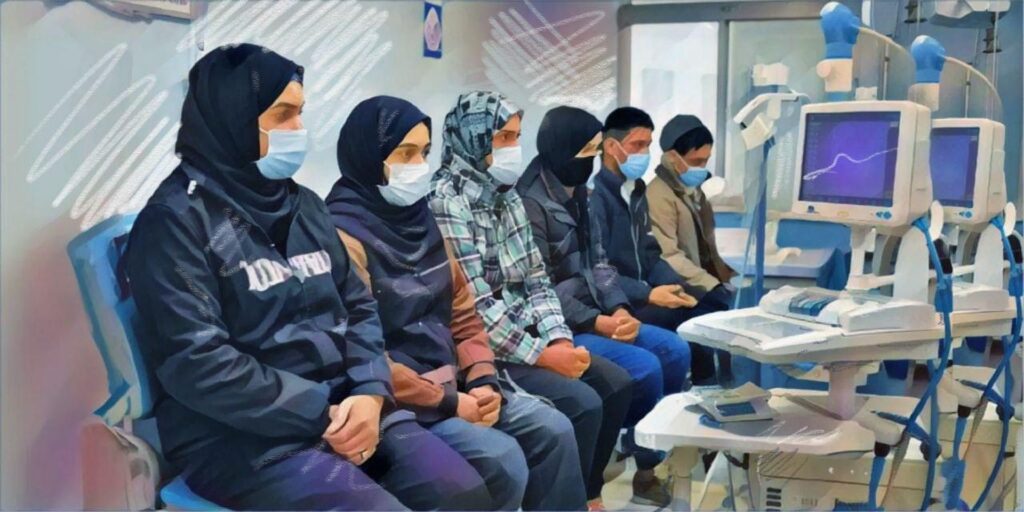
Kyrgyzstan has filed a legal claim against Russia at the Eurasian Economic Union Court over Moscow’s refusal to issue compulsory medical insurance cards to the family members of Kyrgyz labor migrants working in Russia. The case, lodged on January 27, centers on whether Russia is meeting its obligations under the EAEU’s labor-migration agreement. Kyrgyz officials say the refusal to issue insurance to dependents violates provisions on social protection for migrants and their families inside the union. The lawsuit was announced by Azamat Mukanov, chairman of Kyrgyzstan’s Mandatory Health Insurance Fund, at a meeting of the Jogorku Kenesh’s parliamentary committee on labor, healthcare, women’s affairs, and social issues. Mukanov said Russia is in breach of the EAEU agreement by denying required policies to family members, even though the pact covers migrant workers from all five EAEU members: Armenia, Belarus, Kazakhstan, Kyrgyzstan, and Russia. "In practice, this provision does not work," Mukanov stated. “Because of this, it was decided to apply to the EAEU court with a request to specify the provisions of the EAEU in this direction.” Mukanov said proceedings are already underway, and a decision is “expected within two weeks.” The dispute also surfaced during the recent visit of Russian Deputy Prime Minister Alexey Overchuk to Bishkek. Kyrgyz officials raised the issue in bilateral discussions but moved to litigation after limited progress through diplomatic channels. The complaint does not dispute Russia’s right to manage its health system. Rather, it turns on whether family members of migrant workers - spouses, children, and other dependents - should be eligible for free health insurance once their breadwinners are lawfully employed in Russia. Insurance of this kind, known locally as OMS, opens access to a broad range of state-funded medical services beyond emergency care. Without it, dependents may have to pay out of pocket or buy private coverage for non-urgent treatment. Under the EAEU’s social security provisions, the right to social protection and medical care for a worker and their family should be on the same terms and conditions as for citizens of the State of employment. That language appears in the union’s treaty and its annexes regulating labor and social rights. Kyrgyz officials argue that Russian practice undermines that principle when family members are excluded. Kyrgyzstan is one of Russia’s closest partners in Central Asia, bound by deep economic, security, and migration ties. Bishkek is a member of the Eurasian Economic Union and the Moscow-led Collective Security Treaty Organization, and has generally avoided direct public disputes with the Kremlin. Kyrgyz officials have typically sought to resolve migration-related frictions quietly through bilateral channels, making the decision to take Russia to a supranational court unusual. In April 2025, Kyrgyzstan’s Foreign Ministry summoned Russia’s ambassador after police reportedly used force against Kyrgyz nationals in a Moscow bathhouse raid, a rare diplomatic protest against Russia that underscored growing domestic concern over the treatment of migrant workers. The EAEU Court in Minsk adjudicates disputes over the interpretation of union law and ensures consistent application across member states. It...

Tokayev Sets Agenda for Kazakhstan’s 2026 EAEU Chairmanship

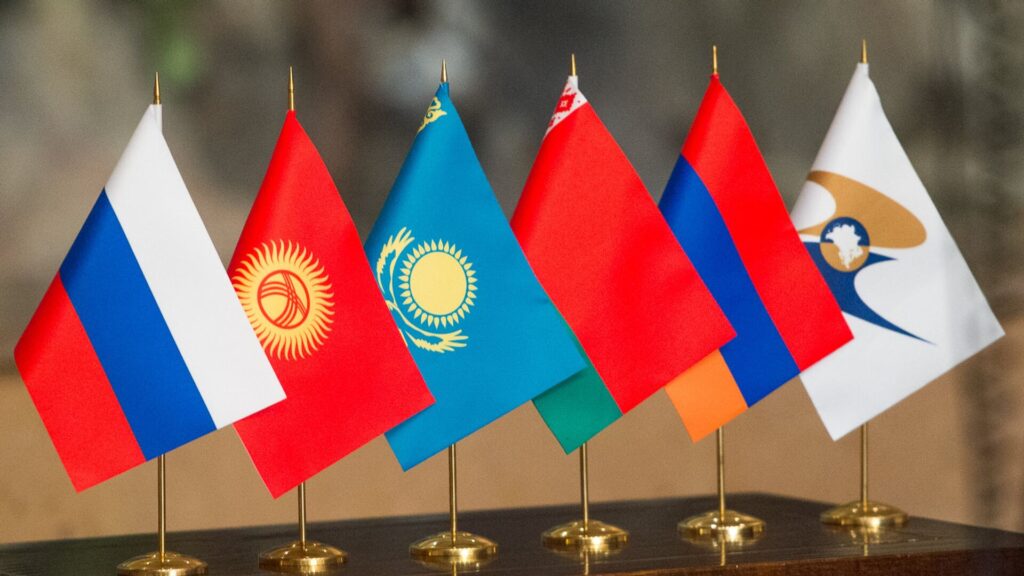
Kazakhstan has assumed the rotating chairmanship of the Eurasian Economic Union (EAEU) for 2026, pledging to focus on digital transformation, logistics integration, and the removal of internal trade barriers across the bloc. In a statement published on December 31, 2025, President Kassym-Jomart Tokayev outlined five key priorities for Kazakhstan’s EAEU presidency. The EAEU includes Armenia, Belarus, Kazakhstan, Kyrgyzstan, and Russia, and facilitates the free movement of goods, services, capital, and labor among its members. Artificial Intelligence and Economic Integration Tokayev identified artificial intelligence (AI) as a vital tool for deepening integration within the bloc. AI technologies, he said, are already being used to forecast trade flows and assess the impact of tariffs and trade agreements on member economies. Kazakhstan, which has set a national goal of becoming a digital nation, expressed readiness to share its expertise with other EAEU members in areas such as AI, digital regulation, and economic transformation. Tokayev proposed the adoption of a Joint Statement on the Responsible Development of Artificial Intelligence at the 2026 Eurasian Economic Forum in Astana. The document would define a new framework for digital cooperation within the bloc. Positioning the EAEU as a Eurasian Logistics Hub Highlighting the EAEU’s geographic position as a natural bridge between East and West, Tokayev called for transforming the bloc into a leading logistics hub for the Eurasian continent. He emphasized the need to modernize transport, customs, and logistics infrastructure, and to develop international transport corridors and multimodal transport solutions. He also proposed an integrated, AI-based cargo flow management system across the EAEU to reduce delivery times, cut costs, and enhance the bloc’s global competitiveness in logistics. Digitalizing Industry and Agriculture Calling industry and agriculture the economic foundation of the EAEU, Tokayev urged deeper cooperation to produce globally competitive products. While financial mechanisms for joint projects already exist, he argued that more emphasis should be placed on innovation-led initiatives. He proposed launching demonstration centers, automation startups, and competence hubs to drive digitalization at both enterprise and farm levels. Barrier-Free Trade as a Core Principle Tokayev stressed the elimination of administrative and regulatory barriers within the bloc as a central priority. He criticized artificial restrictions on trade, constraints on the movement of citizens, and long freight queues at borders. He also warned against the use of customs procedures and regulatory controls, including sanitary, veterinary, and phytosanitary measures, as tools of political or economic leverage. To address this, he proposed deploying AI to monitor legislative initiatives across the EAEU and flag potential internal trade barriers at an early stage. Expanding External Economic Ties Kazakhstan’s chairmanship will also focus on expanding the EAEU’s external partnerships. In 2025, the bloc signed Free Trade Area agreements with Mongolia and Indonesia and concluded an Economic Partnership Agreement with the United Arab Emirates. Tokayev said greater attention will be paid to building economic ties with countries in the Global South, the Arab world, Southeast Asia, Africa, and regional economic organizations. Macroeconomic Context Tokayev’s agenda is being launched against a backdrop of solid macroeconomic performance...

Alcohol and Tobacco Lead Kyrgyzstan’s Excise Tax Revenues

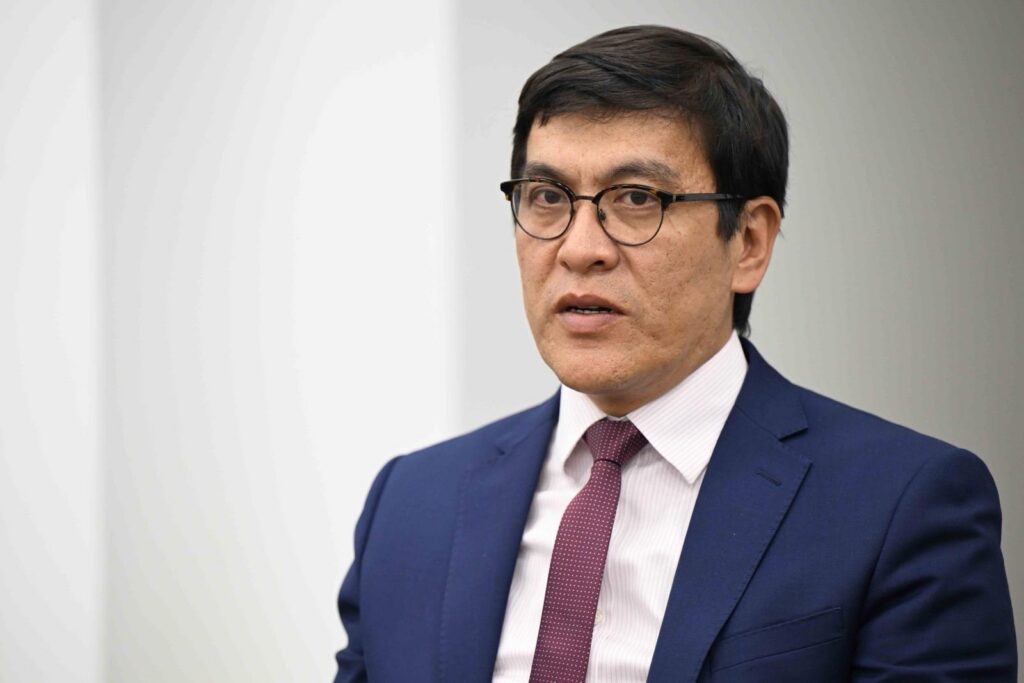
Alcohol and tobacco products continue to be the primary sources of excise tax revenue for Kyrgyzstan’s state budget, according to the Ministry of Finance’s final report on budget revenues for the first 11 months of 2025. The report highlights excise taxes as one of the most stable and predictable sources of state income. From January through November 2025, total excise tax revenues exceeded $222 million. Alcohol producers remain the top contributors. During the reporting period, they transferred $38 million to the budget. Vodka producers accounted for the largest share at $25.5 million, while breweries contributed approximately $9.4 million. Producers of brandy, wine, and other alcoholic beverages paid significantly less. As a result, the alcohol sector continues to lead all industries in excise tax contributions. Despite reduced domestic production, tobacco companies dominate excise revenues from imports. In the same period, excise taxes on tobacco products imported from Eurasian Economic Union (EAEU) countries brought in $101 million, with an additional $4.4 million from imports originating outside the EAEU. Revenue is no longer limited to traditional cigarettes. The report notes contributions from heated tobacco products and electronic cigarettes. While their current share remains modest, steady annual growth in excise payments for these categories points to shifting consumer habits. Kyrgyz authorities consider excise taxes on alcohol and tobacco not only a fiscal mechanism, but also a tool of social policy. Gradual increases in tax rates are intended to simultaneously boost revenue and, according to government projections, reduce consumption of harmful products. The state's role in the alcohol sector warrants particular attention. In early 2023, the country’s largest alcohol producer, Ayu, along with its distilleries and vodka factories, was voluntarily transferred to state ownership. Since then, smaller industry players have voiced concern that the government may incrementally tighten its grip on the sector and effectively establish a monopoly. Overall, the data confirm that so-called “harmful” goods, alcohol and tobacco, remain the most lucrative sources of excise tax revenue for the Kyrgyz budget.

From GDP to AI: EAEU Leaders Review Integration Milestones in St. Petersburg

The leaders of the Eurasian Economic Union (EAEU) gathered on December 21 at the Yeltsin Presidential Library in St. Petersburg, Russia, to assess the bloc’s progress and outline future integration priorities. The summit was attended by the leaders of EAEU member states, President of Russia, Vladimir Putin, President of Belarus, Aleksandr Lukashenko, Prime Minister of Armenia, Nikol Pashinyan, President of Kazakhstan, Kassym-Jomart Tokayev, President of Kyrgyzstan, Sadyr Zhaparov, and Chairman of the Board of the Eurasian Economic Commission, Bakytzhan Sagintayev. In an expanded format, representatives of Uzbekistan, Indonesia, Iran, and Cuba also participated. The meeting took place against the backdrop of continued global economic fragmentation, as the EAEU looks to position itself as a stable integration platform within an increasingly multipolar economic order. [caption id="attachment_41254" align="aligncenter" width="2560"] Image: Akorda[/caption] Opening the meeting, Vladimir Putin proposed a year-end review and highlighted key decisions aimed at deepening cooperation. He stated that the EAEU has solidified its position as an independent and self-sufficient center within the evolving multipolar world. Putin pointed to rising combined GDP figures and noted that EAEU membership has contributed to economic stability and improved living standards across member states. These assessments framed the EAEU not only as a regional trade bloc but as a long-term economic center adapting to shifting global alignments. [caption id="attachment_41258" align="aligncenter" width="2560"] Image: Akorda[/caption] Putin also cited progress in building the union’s payment infrastructure, removing trade barriers, and enhancing transport connectivity. Among individual economies, Kyrgyzstan stood out with a GDP growth rate of around 10%. Much of the focus, however, remained on translating macroeconomic gains into deeper market integration across energy, finance, and logistics. Belarusian President Alexander Lukashenko, addressing the summit as chair of the EAEU, called for renewed approaches to economic engagement with third countries over the next five years. He endorsed deeper ties with what he termed the “global majority,” while acknowledging existing challenges, such as delays in establishing unified energy markets and hesitancy among member states to form a common financial market. Nonetheless, he described the Union State of Russia and Belarus as the “locomotive of integration” in the post-Soviet region. The discussion highlighted a recurring tension for the bloc: expanding external partnerships while still completing core internal market harmonization. [caption id="attachment_41259" align="aligncenter" width="2560"] Image: Akorda[/caption] Kazakh President Kassym-Jomart Tokayev emphasized the EAEU's milestone year as it entered its second decade. He projected a 2% increase in the union’s combined GDP in 2025 and noted that intra-union direct investment had surpassed $20 billion. Kazakhstan alone saw a nearly sevenfold increase in EAEU-related investment from $600 million in 2015 to $4 billion in 2024. [caption id="attachment_41260" align="aligncenter" width="2560"] Image: Akorda[/caption] Tokayev also proposed the systematic integration of artificial intelligence technologies into EAEU operations, from trade forecasting to customs duties assessment. He highlighted the union’s potential as a global transport and logistics hub and advocated for the swift implementation of the Caspian Sea shipping agreement. Uzbek President Shavkat Mirziyoyev noted that Uzbekistan’s trade with EAEU countries had nearly doubled to $20 billion over its...

Turkmenistan Considers Cotton Exports to Kyrgyzstan

Turkmenistan is exploring the possibility of exporting cotton to Kyrgyzstan as part of a broader effort to jointly develop the textile industry, according to Danil Ibrayev, a member of the presidium of the Eurasian Economic Union (EAEU) Business Council and President of the Kyrgyz Union of Industrialists and Entrepreneurs. He shared the update during an interview with Birinchi Radio. Ibrayev noted that both countries are currently discussing practical mechanisms for supplying Turkmen cotton to Kyrgyz enterprises, where it would be processed into finished textile products. These products could then be sold domestically or exported, including to other EAEU member states. “Turkmenistan produces large volumes of cotton. We are now discussing how to organize its delivery to Kyrgyzstan and develop textile production here,” Ibrayev said. The initiative aligns with Kyrgyzstan’s strategy to revitalize its light industry by securing stable sources of raw materials. Turkmenistan, meanwhile, is seeking to diversify export routes for its agricultural commodities, with cotton remaining a vital component of its economy. Experts cited by local media suggest that such cooperation could deepen industrial integration within Central Asia and reduce dependence on textile imports from outside the region. With growing demand for locally produced goods and the expansion of import substitution policies, regional partnerships are gaining strategic significance. Last year, Kyrgyz officials emphasized the government's commitment to expanding domestic textile production and actively sourcing raw materials from neighboring states. Cotton processing was identified as one of the quickest pathways to job creation and increased exports through value-added manufacturing.