Viewing results 1 - 6 of 36
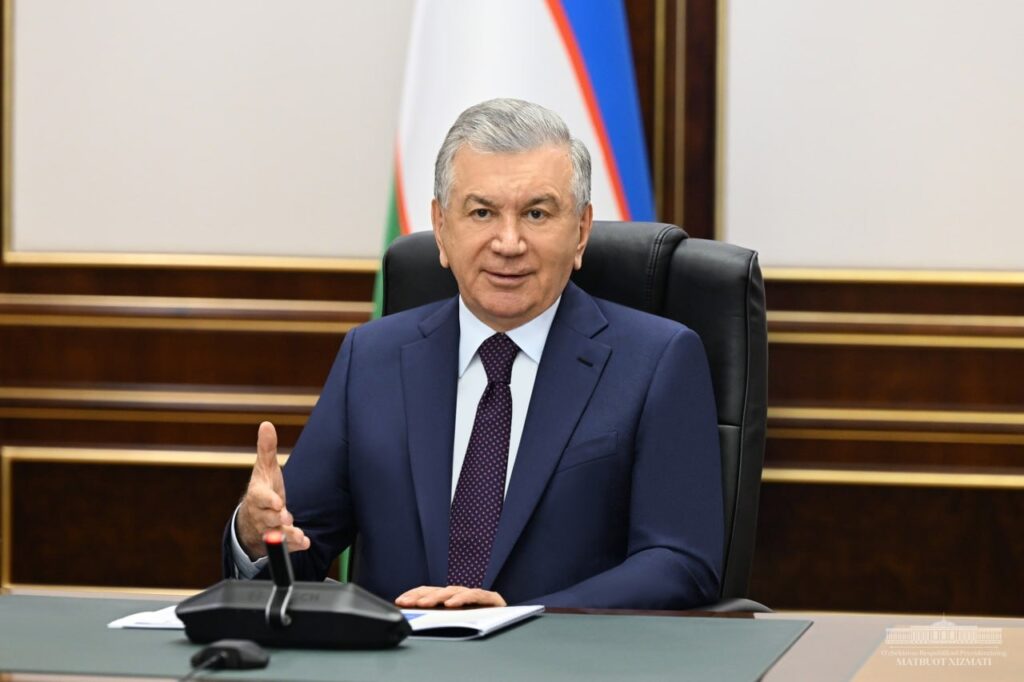
At a government meeting on June 19, plans to further develop Uzbekistan’s jewellery industry, support production and increase exports were presented to President Shavkat Mirziyoyev. Noting the country’s huge potential for increasing the production and export of jewellery, the president said that just 6 percent of the gold mined in Uzbekistan is processed, and exports of finished products from gold amount to only $78 million. He thus emphasized the importance of creating jewellery zones equipped to attract entrepreneurs, a review of supplies of raw materials to the industry, and training specialists in the field. With reference to the above, the head of state issued instructions for a program to be developed to enhance the domestic jewellery industry until 2027. The meeting also discussed piloting special jewellery centres with production, exhibition and trading areas in Tashkent and the Namangan region. The government is considering establishing, until October 1, 2026, a zero rate of customs duty and value added tax on equipment, packaging and labelling materials used, but not produced, in Uzbekistan in the jewellery industry. An additional proposal was mooted to establish a zero-customs duty rate for the export of Uzbek jewellery to the USA. In January-March 2024, Uzbekistan exported gold worth $2.66 billion. In the first quarter of the year, revenues from gold exports comprised 41.7% of the country’s total exports. In 2023, gold exports accounted for 33.4%, or $8.1 billion, of Uzbekistan’s total export volume.
Kazakhstan’s national railway company Kazakhstan Temir Zholy (KTZ) reports that from January-May 2024 it transported 102.4 million tons of cargo. Over 34.2 million tons of this cargo were exported by rail. During the first five months of the year, rail transportation of coal amounted to 40.6 million tons, including 30.3 million tons within the country. Over the same period, over 3.7 million tons of grain were transported by rail. Exports of oil by rail increased by 9.5% (2.3 million tons), ferrous metals by 5% (1.4 million tons), chemical fertilizers by 12% (over 550,000 tons), iron ore and manganese by 8.4% (4.7 million tons), and construction materials by 9% (142,000 tons). KTZ also reported that the Caspian port of Aktau handled over 5,100 shipping containers in May 2024, setting its own record for the monthly container handling volume. Over the five months of this year, 15,800 containers were handled, double the volume in the same period in 2023. “Since the beginning of the year, there has been a high growth in container traffic through the port of Aktau,” said the seaport’s chief dispatcher Vadim Novikov. “Container transit from China along the Trans-Caspian International Transport Route (TITR) accounted for the lion's share of the traffic, which has grown 10-fold due to the launch of the Kazakh-Chinese terminal in Xi'an.”
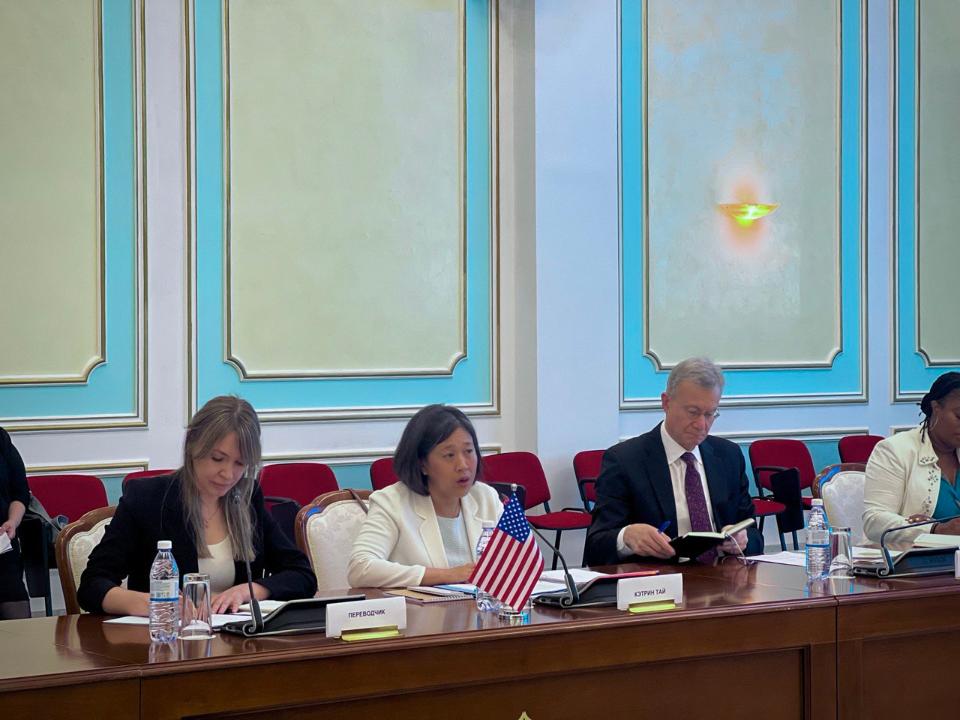
On 14 June, in Astana, Minister of Trade of Kazakhstan Arman Shakkaliev met U.S. Trade Representative Katherine Tai to discuss key areas of cooperation between the two countries. As reported by the Kazakh Ministry of Trade and Integration, the USA is among Kazakhstan’s ten largest trading partners. With bilateral trade turnover demonstrating a steady growth, Kazakhstan is ready to increase non-resource exports of 90 commodities worth over $770 million to the U.S. During the meeting, Kazakhstan's trade minister mooted cancelling the Jackson-Vanik amendment, which restricts trade relations between the two countries, and expressed hope for an imminent decision by the U.S. Congress on the issue. “We count on the soonest positive outcome of the work on the cancellation of the Jackson-Vanik amendment, which will give a new impetus to the development of trade and economic relations between our countries,” said Shakkaliev. He also noted the important role of the Generalized System of Preferences (GSP) of the United States in strengthening bilateral trade and economic relations. For its part, Kazakhstan is ready to undertake necessary work to resume the application of the USA GSP. Trade Representative Katherine Tai spoke optimistically on the development of trade relations and strengthening economic ties between the United States and Kazakhstan. After remarking that the extension of the USA GSP program will be considered by the US Congress next year, she confirmed her readiness to assist Kazakhstan in this matter.
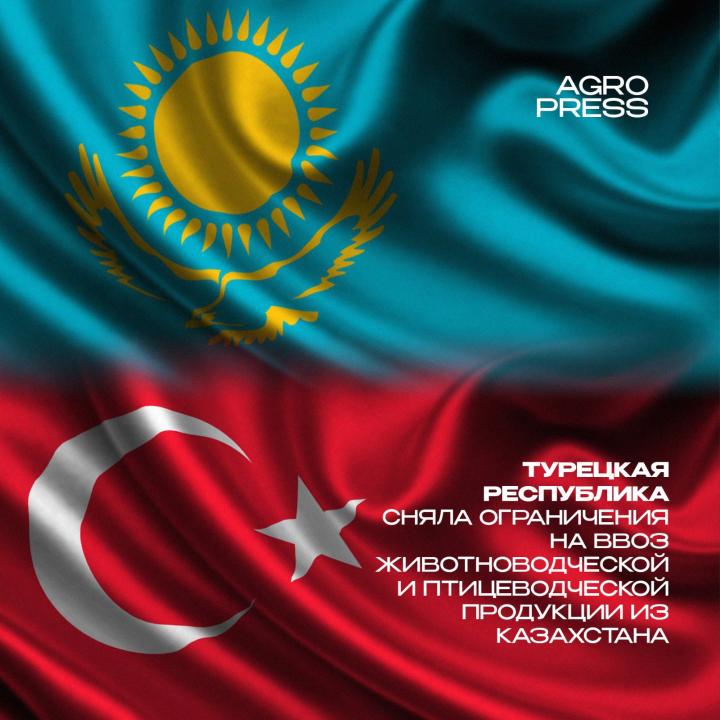
Kazakhstan’s Ministry of Agriculture has announced that from June 7, 2024, restrictions on the supply of Kazakh livestock and poultry products to the Turkish market have been lifted. The restrictions were originally made to prevent the spread of avian influenza, in 2005, foot-and-mouth disease, in 2016, and lumpy skin disease, in 2022. In March 2024, the Minister of Agriculture of Kazakhstan, Aidarbek Saparov, raised the issue of export barriers during the meeting of ministers of agriculture of the Organization of Turkic States in Taraz, Kazakhstan. At the time, Saparov explained that Kazakhstan was ready to supply high-quality meat products to Turkey as well as Turkmenistan and Hungary, but complained that the Turkish market was all but closed to Kazakh meat exporters due to veterinary concerns. Pleading his case, he continued, “This year, similar restrictions on Kazakhstan have been lifted by China and Russia. So, we believe it is now possible to revisit this issue with the Turkish side.” With the restrictions now lifted, the next step towards exporting Kazakhstan’s livestock products will involve the coordination of veterinary requirements with Turkish authorities. The issue will be addressed during Minister Saparov’s next visit to Turkey in August.
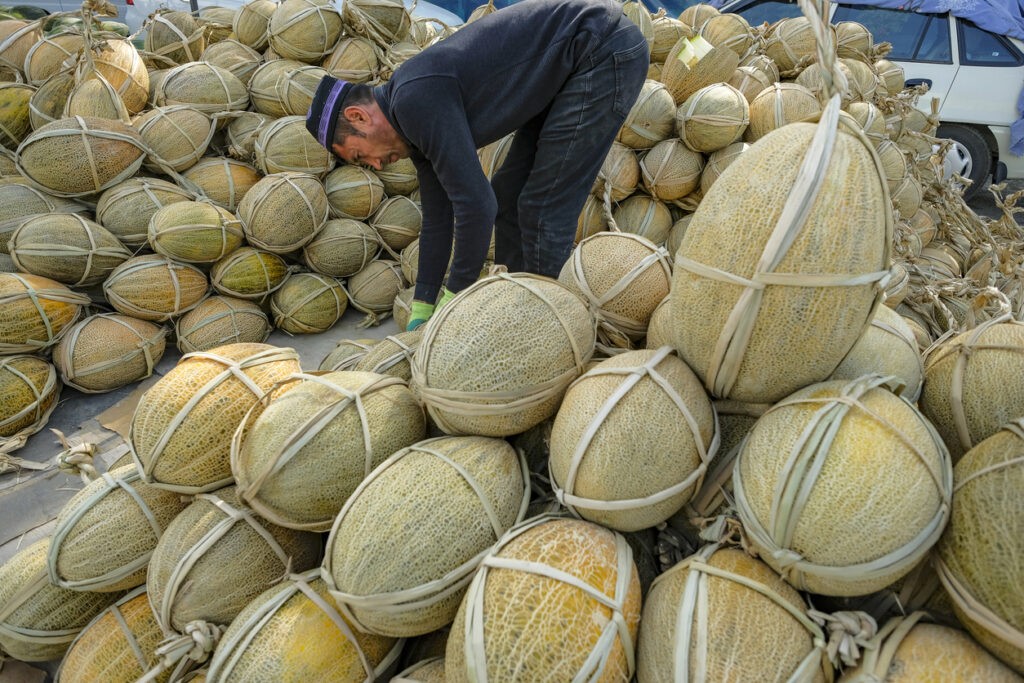
Uzbekistan's cabinet of ministers has introduced 'recommended' export prices for 60 types of fruits and vegetables, below which their distribution abroad is now prohibited. While this move is intended to support exporters, analysts from the agency EastFruit say that it will harm exports, risk long-term cooperation, and that the new measures will not increase tax revenues or improve currency control. A recent article by EastFruit states: “Notably, these prices are fixed for the produce irrespective of quality, variety, or other differentiating factors, which disregards the inherent diversity within the fruit and vegetable industry. Historical trends indicate that such regulatory decisions are detrimental across the board. They primarily affect producers and small-scale exporters by limiting their market opportunities. This restriction not only diminishes investment appeal in agricultural production but also detracts from Uzbekistan’s attractiveness as a trading partner for major, established importers. The introduction of such direct controls makes the prospect of long-term contractual partnerships exceedingly precarious”. Uzbek economist Otabek Bakirov described this decision as “another bureaucratic hurdle for exporters”. “These rules make doing business worse, so the new rules should come into force at least 3 months after they are announced. Or will the Government’s decision prevail over the Law once again?” wrote the economist on his Telegram channel. Analysts also note that Uzbekistan’s exports have stagnated due to Russia's ban on importing fruits and vegetables from most countries. Export figures have remained almost unchanged over the past five years, ranging from $700 million to $900 million. Russia (26.3%), Pakistan (24.2%), Kazakhstan (13%) and China (9.3%) are the main export markets for fruit and vegetable products.
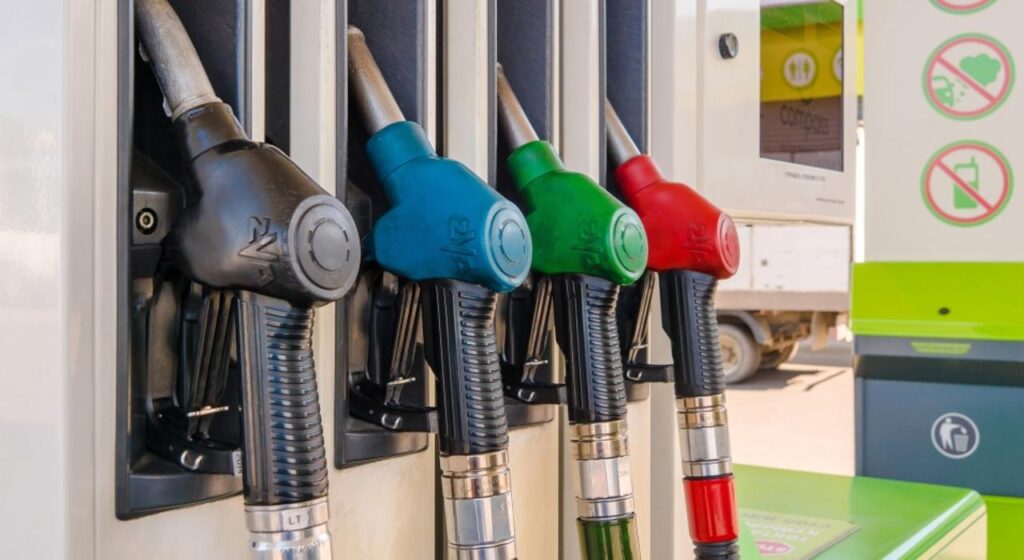
Speaking at a government meeting on May 28, Kazakhstan Energy Minister Almasadam Satkaliev announced a significant rise in the country’s supplies of fuel, raising the potential for its future export. During the first quarter of the year, oil refined in Kazakhstan amounted to 5.9 million tons; an increase of 5.4% compared to spring 2023. Production of fuel amounted to 4.28 million tons. To date, reserves of diesel fuel at refineries and oil depots have increased to 612 thousand tons, 38 days’ worth; AI-92 gasoline, to 352 thousand tons, 30 days’ worth, and AI-95 gasoline, to 86 thousand tons, 30 days’ worth. The depth of oil refining and consequently, the production of light oil products (gasoline) has increased from 85% to 87%. Kazakhstan plans to increase the production of motor fuel by expanding production at the Shymkent oil refinery from 6 to 12 million tons by 2030, at the Atyrau Oil Refinery from 5.5 to 6.7 million tons by 2027, and at the Pavlodar Petrochemical Plant from 5.5 to 8 million tons by 2030. According to the minister, the implementation of the above will not only satisfy the domestic market’s growing demands for fuel but also, allow its export to neighbouring countries.