• KGS/USD = 0.01144 0%
  • KZT/USD = 0.00211 0%
  • TJS/USD = 0.10802 -0.18%
  • UZS/USD = 0.00008 0%
  • TMT/USD = 0.28490 0%
  • KGS/USD = 0.01144 0%
  • KZT/USD = 0.00211 0%
  • TJS/USD = 0.10802 -0.18%
  • UZS/USD = 0.00008 0%
  • TMT/USD = 0.28490 0%
  • KGS/USD = 0.01144 0%
  • KZT/USD = 0.00211 0%
  • TJS/USD = 0.10802 -0.18%
  • UZS/USD = 0.00008 0%
  • TMT/USD = 0.28490 0%
  • KGS/USD = 0.01144 0%
  • KZT/USD = 0.00211 0%
  • TJS/USD = 0.10802 -0.18%
  • UZS/USD = 0.00008 0%
  • TMT/USD = 0.28490 0%
  • KGS/USD = 0.01144 0%
  • KZT/USD = 0.00211 0%
  • TJS/USD = 0.10802 -0.18%
  • UZS/USD = 0.00008 0%
  • TMT/USD = 0.28490 0%
  • KGS/USD = 0.01144 0%
  • KZT/USD = 0.00211 0%
  • TJS/USD = 0.10802 -0.18%
  • UZS/USD = 0.00008 0%
  • TMT/USD = 0.28490 0%
  • KGS/USD = 0.01144 0%
  • KZT/USD = 0.00211 0%
  • TJS/USD = 0.10802 -0.18%
  • UZS/USD = 0.00008 0%
  • TMT/USD = 0.28490 0%
  • KGS/USD = 0.01144 0%
  • KZT/USD = 0.00211 0%
  • TJS/USD = 0.10802 -0.18%
  • UZS/USD = 0.00008 0%
  • TMT/USD = 0.28490 0%

Viewing results 1 - 6 of 49

Kyrgyzstan’s Largest Hydropower Plant Boosts Generating Capacity

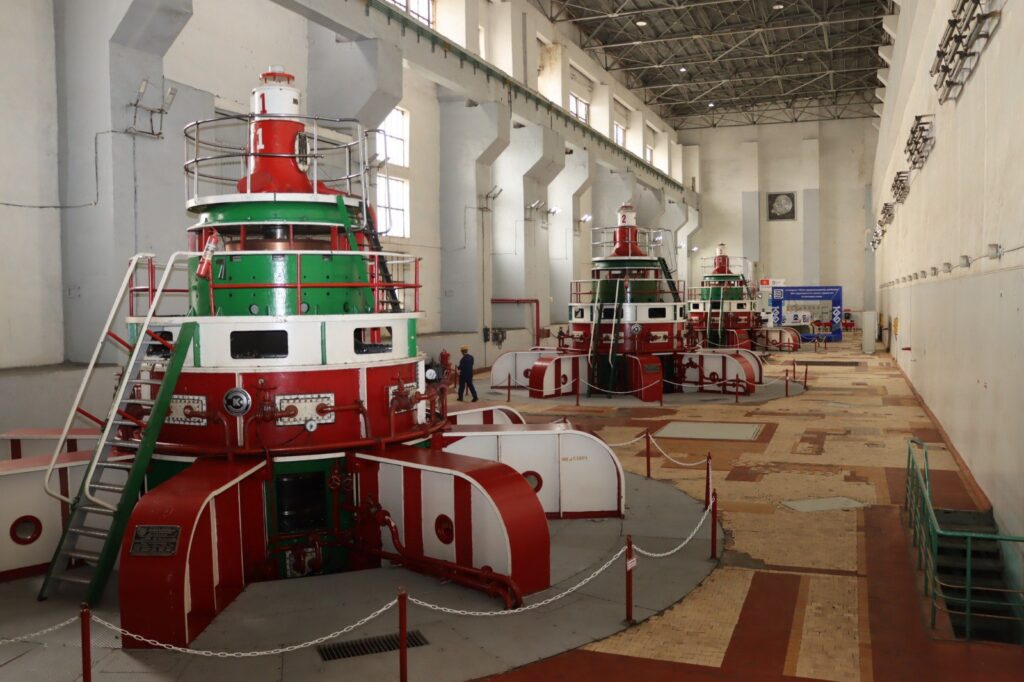
On November 19, Kyrgyzstan launched the modernized hydroelectric generating unit No. 1 at the Toktogul Hydroelectric Power Plant (HPP), the country’s largest power facility. Located on the Naryn River, the Toktogul HPP generates approximately 40% of Kyrgyzstan’s electricity. The modernization of hydroelectric unit No. 1 began in March 2024 and has increased its generating capacity by 60 MW. Prior to this upgrade, the Toktogul HPP had a total capacity of 1,200 MW, with each of its four units producing 300 MW. Two units had already been upgraded in previous phases, collectively adding 120 MW to the plant's total capacity. The reconstruction of the fourth and final hydroelectric unit is scheduled for 2025. Once the modernization project is complete, Toktogul HPP will gain an additional 240 MW of generating capacity, extending its service life by 25–30 years. The $210 million rehabilitation project is funded by a $110 million loan from the Asian Development Bank (ADB) and $100 million from the Eurasian Fund for Stabilization and Development (EFSD). With a total volume of 19.5 billion cubic meters, the Toktogul HPP reservoir plays a dual role in meeting Kyrgyzstan's energy demands and providing essential irrigation water to Kazakhstan and Uzbekistan. During the winter, increased water releases are used to generate electricity for Kyrgyzstan, while summer releases support irrigation for southern Kazakhstan’s dry regions. As of November 19, 2024, the Toktogul reservoir contained 12.991 billion cubic meters of water, compared to 11.694 billion cubic meters on the same date in 2023. The reservoir currently receives 246 cubic meters of water per second and releases 488 cubic meters per second. Despite this year’s higher water levels, Kyrgyzstan continues to face electricity shortages, according to Energy Minister Taalaibek Ibrayev. Toktogul HPP's modernization and efficient management of water resources remain critical to addressing these challenges and ensuring regional energy and water security.

Tajikistan Signs First Stage of $100 Million Contract with OPEC Fund for Rogun HPP

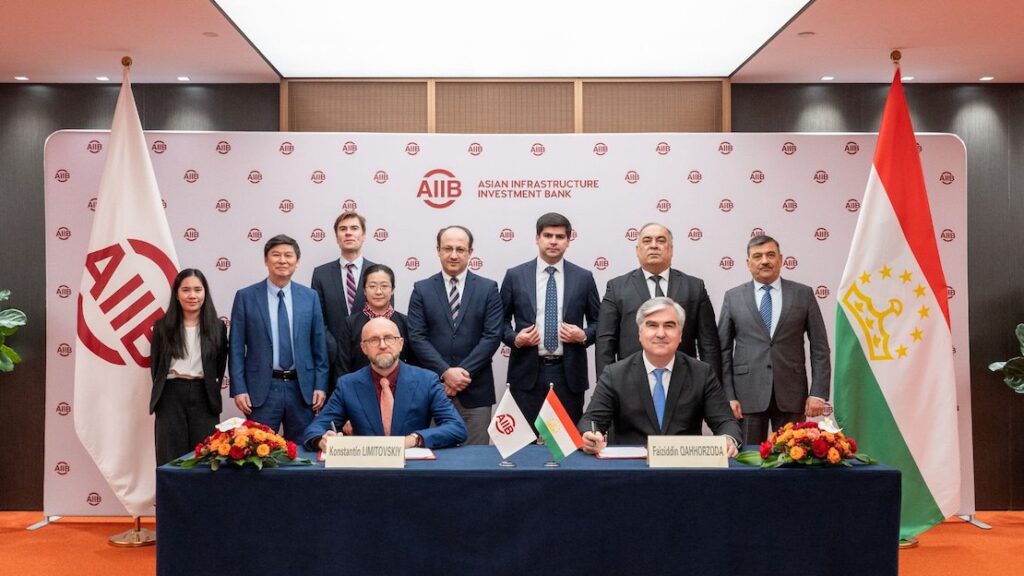
On October 10, during a visit to the headquarters of the OPEC Fund in Vienna, a delegation from the Republic of Tajikistan, led by Deputy Prime Minister Usmonali Usmonzoda, signed a contract marking the completion of the first stage of the Credit Agreement between the two parties to finance the Rogun HPP (Lot 4) project. The project aims to promote the republic's energy security and economic development by increasing the production of electricity to supply the domestic market and its export to the region's countries. A total of  $100 million allocated by the OPEC Fund for the project, will be implemented in four stages under separate agreements worth $25 million. The rating agency S&P has estimated the cost of completing the construction of the Rogun HPP in Tajikistan as $6.4 billion. According to S&P, the Rogun HPP currently produces electricity at 10-15% of its total capacity. In 2024-2035, income from electricity which is expected to reach $1.1 billion, will be invested in further construction of hydroelectric power plants. On September 17, during the summit of the Central Asian countries and Germany, in Astana, President of Tajikistan, Emomali Rahmon, invited German Chancellor Olaf Scholz to cooperate on the Rogun HPP. Since then, The Times of Central Asia has been reporting on loans allocated for the plant’s construction.

Central Asia to Forecast Energy Risks

On August 6, Astana hosted the first meeting of energy ministers of Central Asian states, chaired by Kazakhstan’s Minister of Energy Almasadam Satkaliyev. Noting the considerable potential for developing energy cooperation between the five Central Asian countries, Minister Satkaliyev stated that today, the challenges faced by the Central Asian countries include global disruptions of the stability of energy supplies and fluctuations in oil and gas prices. "To ensure the reliability of energy supplies, it is necessary to develop mechanisms for forecasting and managing these challenges and to strengthen cooperation between our countries," ventured Satkaliyev. Calling on his colleagues to strengthen cooperation in energy trade, speed up low-carbon development, and move towards achieving carbon neutrality, the minister stressed, "An important factor in the development of regional cooperation is the comprehensive attraction of investments and the implementation of large joint technological projects in the energy sector to stimulate the development of modern energy infrastructure in Central Asian countries." Satkaliyev added that Kazakhstan is currently progressing the implementation of a large-scale project in the development and transmission of green energy with Azerbaijan and Uzbekistan, as well as continuing discussions on the planned construction of a central hydroelectric power plant, Kambarata HPP-1, with Kyrgyzstan and Uzbekistan. Following the meeting, the Central Asian energy ministers signed a communiqué, laying the foundation for further cooperation in all key energy areas between the countries.

Construction Starts on Kyrgyzstan’s Latest Hydropower Plant

On June 29, Chairman of the Cabinet of Ministers of the Kyrgyz Republic, Akylbek Japarov, attended the opening ceremony of the construction of a small hydroelectric power plant at the Orto-Tokoy reservoir in the Issyk-Kul region. Constructed by the China National Machinery Industry Corporation, the new plant will have a capacity of 21 MW and provide electricity to more than 14 thousand consumers of the city of Balykchy. In his address at the launch, the president referencing the recent launch of the Bala-Saruu hydroelectric power plant and the imminent construction of a hydro power plant on the Papan reservoir, announced: “We are taking confident steps towards energy independence. The national project of Kambarata HPP-1 is gaining momentum, with a committee of representatives of international organizations and financial institutions created [for its construction]. The implementation of these projects will provide an opportunity for Kyrgyzstan to become a major hydropower nation.”

Construction of HPP in Talas region of Kyrgyzstan Allocated $32.6 Million

The amount it will cost to build the Bala-Saruu HPP in the Talas region of Kyrgyzstan has been announced, 24.kg reports. Ulan Astarkulov, Director of Chakan HPP, told Birinchi Radio that the Ministry of Finance of the Kyrgyz Republic has allocated a budget loan of 2 billion som ($22.7 million). Later, the Russian-Kyrgyz Development Fund allocated an additional 882 million som. According to Astarkulov, the production capacity of the HPP will cover 60-70% of the electricity demand in the Talas region. A presidential order on the construction of the HPP was signed on July 2, 2021. The Bala-Saruu HPP construction project involves the construction of a HPP with three generators with a total capacity of 25 megawatts and an average annual electricity production of 92 million kWh. The operation mode of the HPP will be regulated under the irrigation regime and water flow from the Kirov Reservoir. The feasibility study of the project was developed by a Norwegian company. Equipment has been imported from Austria, Russia, and Uzbekistan.

Chinese Company To Build Four Power Plants in Kyrgyzstan

Kyrgyzstan's Ministry of Energy and the China National Electric Engineering Co. Ltd. (CNEEC) have signed a memorandum of cooperation. The document provides for the construction of the Suusamyr-Kokomeren cascade of hydroelectric power plants and Kara-Keche thermal power plant, the ministry announced on January 24th.  The Suusamyr-Kokomeren hydropower cascade will consist of three hydroelectric power plants with a total capacity of 1,305 MW and an annual electricity generation of 3.3 billion kilowatt-hours. These are the Karakol hydroelectric power plant (33 MW), Kokomeren HPP-1 (360 MW), and Kokomeren HPP-2 (912 MW).  The Kara-Keche thermal power plant, which will be built at the Kara-Keche coal deposit in the country’s Naryn region, will have a capacity of 600 MW, the ministry said. In recent years Kyrgyzstan has been looking for foreign investment to build new power generation facilities. Kyrgyzstan has for years experienced chronic power shortages, especially in the cold winter months, and has to import electricity from neighboring Kazakhstan, Uzbekistan, and Turkmenistan to meet its growing power needs.