• KGS/USD = 0.01144 0%
  • KZT/USD = 0.00205 0%
  • TJS/USD = 0.10784 0%
  • UZS/USD = 0.00008 0%
  • TMT/USD = 0.28490 0%
  • KGS/USD = 0.01144 0%
  • KZT/USD = 0.00205 0%
  • TJS/USD = 0.10784 0%
  • UZS/USD = 0.00008 0%
  • TMT/USD = 0.28490 0%
  • KGS/USD = 0.01144 0%
  • KZT/USD = 0.00205 0%
  • TJS/USD = 0.10784 0%
  • UZS/USD = 0.00008 0%
  • TMT/USD = 0.28490 0%
  • KGS/USD = 0.01144 0%
  • KZT/USD = 0.00205 0%
  • TJS/USD = 0.10784 0%
  • UZS/USD = 0.00008 0%
  • TMT/USD = 0.28490 0%
  • KGS/USD = 0.01144 0%
  • KZT/USD = 0.00205 0%
  • TJS/USD = 0.10784 0%
  • UZS/USD = 0.00008 0%
  • TMT/USD = 0.28490 0%
  • KGS/USD = 0.01144 0%
  • KZT/USD = 0.00205 0%
  • TJS/USD = 0.10784 0%
  • UZS/USD = 0.00008 0%
  • TMT/USD = 0.28490 0%
  • KGS/USD = 0.01144 0%
  • KZT/USD = 0.00205 0%
  • TJS/USD = 0.10784 0%
  • UZS/USD = 0.00008 0%
  • TMT/USD = 0.28490 0%
  • KGS/USD = 0.01144 0%
  • KZT/USD = 0.00205 0%
  • TJS/USD = 0.10784 0%
  • UZS/USD = 0.00008 0%
  • TMT/USD = 0.28490 0%

Viewing results 1 - 6 of 199

Uzbekistan and Afghanistan To Work Together on Mining Projects

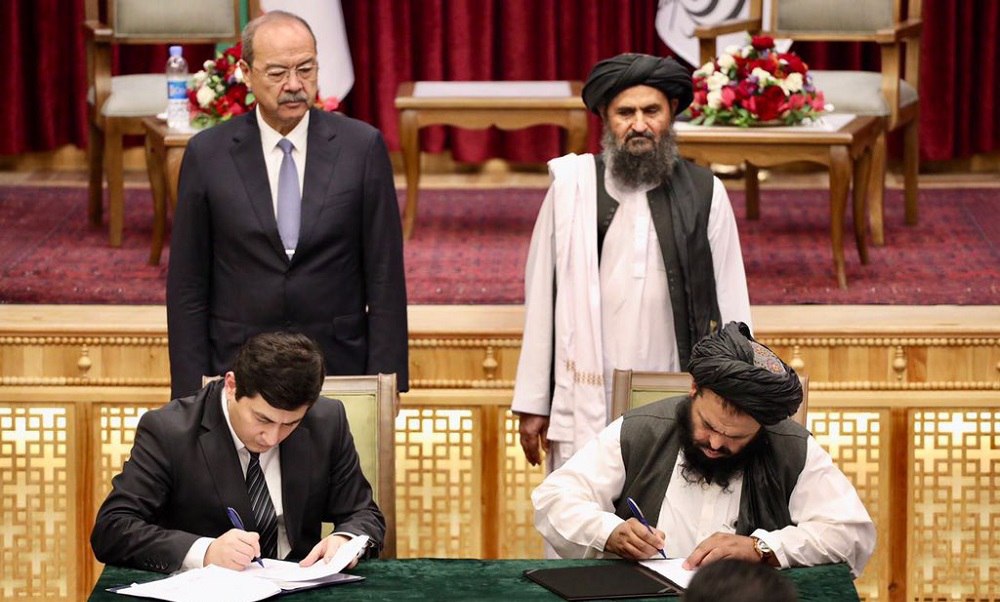
Afghanistan and Uzbekistan have signed five agreements related to mining projects in Afghanistan. The agreements are for the exploration of hydrocarbon fields in the Afghan-Tajik oil and gas basin, the development of copper and gold deposits in the Qandaran district of Zabul province, iron extraction in the Hesh district of Bamyan province, and hydrocarbon resources in the Tuti-Maidan district of Faryab province. There are also plans to build a 120-megawatt gas-fired power plant in Faryab province. These agreements, totaling $1.15 billion, were part of a more comprehensive package of 35 agreements and memorandums of understanding signed between the two countries. These agreements amount to an Uzbek investment in Afghanistan of over $2.5 billion. The latest round of cooperation points to the strengthening of economic ties between Tashkent and Kabul, which is especially important given the region's current geopolitical challenges and financial instability. These agreements can also significantly impact Afghanistan's economic development by providing needed resources and creating jobs in crucial regions of the country.
S&P Estimates That Rogun Hydroelectric Power Plant Will Cost Over $6 Billion To Finish

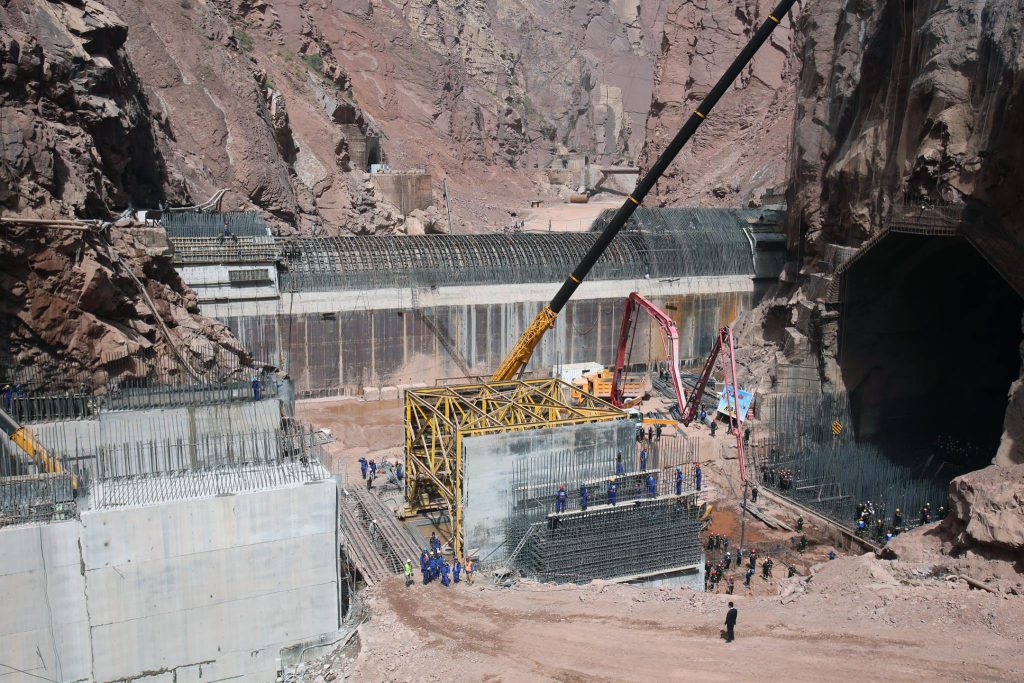
The ratings agency S&P has estimated the cost of completing the construction of the Rogun hrydroelectric power plant in Tajikistan at $6.4 billion. The Tajik government is negotiating with a consortium of multilateral and bilateral creditors to provide a financing package covering about 50% of these costs. The other half of the financing is expected to come from the state budget and revenues from the plant. S&P analysts said the initial external financing package includes $1.73 billion in semi-concessional loans, $850 million in grants, and $390 million in soft loans. According to S&P, the Rogun hydroelectric power plant (HPP) already produces electricity at 10-15% of its total capacity. In 2024-2035, the income from electricity is expected to be $1.1 billion, which will be invested in further construction of hydroelectric power plants. In 2016, during the international tender to select the main contractor for the dam's construction, the plant's value was announced as $3.9 billion. In 2022, the Tajik Ministry of Energy announced that more than $5 billion would be required to complete the project. In February 2023 the ministry estimated that the plant would cost $6.2 billion to complete. Then, more than $4 billion were allocated, including through the sale of shares of Rogun HPP OJSC (890 million TJS), Eurobonds ($500 million) and the remaining part from the state budget. The Times of Central Asia has been reporting on the loans allocated for the plant's construction.

Uzbekistan to Start Industrial Production of Hydrogen

Sanoat Energetika Guruhi (Saneg), one of the largest private oil and gas companies in Uzbekistan, announced on August 21 that the Ferghana Oil Refinery is to produce industrial hydrogen by transferring its related assets to Air Products, a world-leading industrial gases company. The Ferghana Refinery is currently undergoing comprehensive modernization to both enhance its output and help the government of Uzbekistan diversify energy sources by industrializing hydrogen production. Saneg's operations at the refinery currently account for about 80% of the country’s oil production and 22% of its proven gas reserves and the acquisition its industrial hydrogen assets for $140 million by Air Products, promises to widen the commercial use of the product in Uzbekistan. Saneg's founder Bakhtiyor Fazilov commented: "This agreement with Air Products represents another significant step forward in our long-term modernization plans for the Ferghana Refinery with the world leader in hydrogen production… and contribute to one of the Uzbekistan government’s main priorities, strengthening our nation’s energy security by increasing domestic hydrogen supplies." Reporting on the transaction, Seifi Ghasemi, Chairman, President, and CEO at Air Products, stated: "As the world’s largest hydrogen supplier and a leader in hydrogen fueling infrastructure, Air Products’ solutions bring safe and reliable hydrogen to hydrogen-powered applications worldwide. Our advanced technology and expertise in hydrogen production will enhance the refinery's capabilities and support the growth of Central Asia's oil and gas industry. This will also aid Uzbekistan in achieving more sustainable and energy-independent operations, contributing to a cleaner future for the Republic."

Kyrgyzstan Lacks Cement Amid Booming Construction

Kyrgyzstan is experiencing a cement shortage as new high-rise residential buildings and thousands of one- and two-story houses are being erected nationwide. This booming construction requires a large amount of cement, which has caused huge demand for the product. Local media quoted Syrgak Omorov, a representative of the Anti-monopoly Regulation Service, as saying that domestic producers are not capable of meeting the growing need. The Kant cement plant, the country’s largest cement producer, typically produces 600,000 tons of cement annually, but this year the production volume has already exceeded a million tons. According to Omorov, the Kant cement plant can produce up to 4,000 tons daily, but market demand is 5,000 tons. The official attributes the shortage to the unprecedented scale construction of housing and social facilities, such as schools. Earlier this month, the Chairman of the Cabinet of Ministers of the Kyrgyz Republic, Akylbek Japarov, announced that the number of new schools and residential buildings constructed in Kyrgyzstan has exceeded Soviet-era figures. Japarov cited data from the National Statistical Committee, saying that 1.560 million square meters of residential housing were built in Kyrgyzstan when it was part of the Soviet Union in 1990. In 2023, independent Kyrgyzstan constructed 1.587 million square meters of housing. The highest numbers of secondary schools were built in 1968 and 1987 — 50 in each of those years, while in 2023, Kyrgyzstan built 105 new schools. Last week, TCA reported that Kyrgyzstan is also suffering from a shortage of laborers, with the head of the construction agency in the Kyrgyz Republic stating that the construction industry alone urgently needs at least 10,000 workers.

Tajikistan Intends To Expand Production of Armored Vehicles and Special Equipment

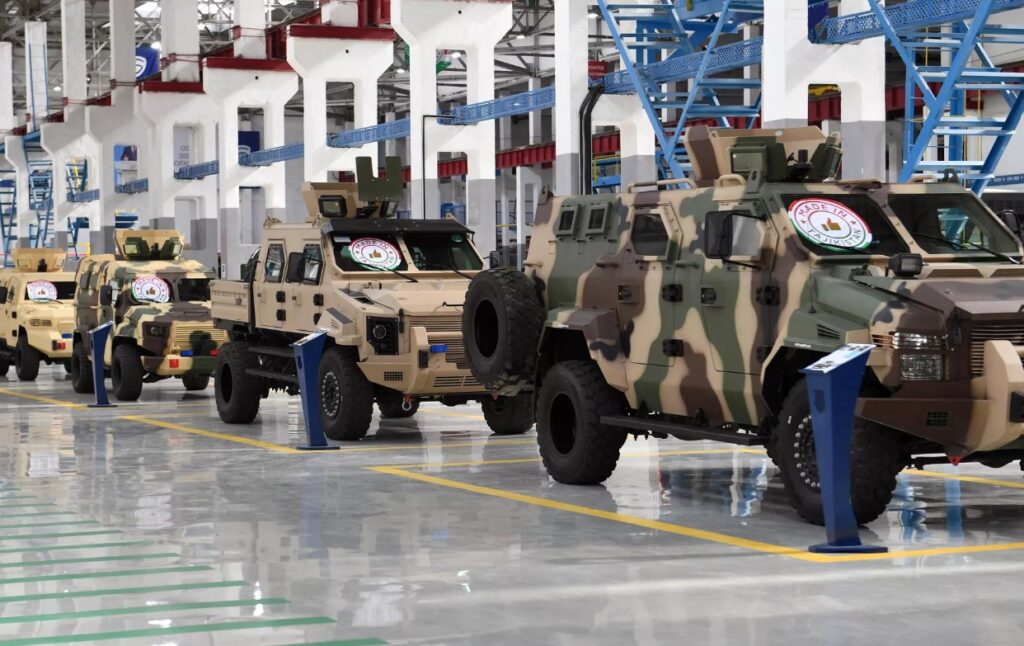
Tajikistan's Sipar Group plans to significantly expand the production of armored vehicles and special equipment at its plant in the city of Tursunzade. The project is being implemented with a foreign investment of $15 million, allowing the company to produce 17 types of special vehicles. The plant is already actively developing its production capacity. The enterprise assembles military and civilian vehicles using components from the United Arab Emirates. Tajikistan's Minister of Industry and New Technologies, Sherali Kabir, said that armored vehicles in Tursunzade are manufactured using Canadian technologies; therefore, they are in no way inferior to their counterparts produced in other Central Asian countries. So far, the plant has produced a limited volume of vehicles, but given the demand, it plans to increase its production capacity significantly in the coming years. The project will also create more than a hundred new jobs, which will make an important contribution to the region's economic development. The plant's products are aimed not only at the domestic market, but also with the possibility of exporting to other Central Asian countries in mind, which would allow Tajikistan to strengthen its position in the international arena in the defense industry.

World Bank Considers Loan for Tajikistan’s Rogun Hydropower Plant

Tajikistan's Deputy Minister for Finance, Yusuf Majidi, has announced that the World Bank will consider financing the development of the Rogun hydroelectric power plant. According to him, the bank can allocate $650 million for this project in September this year. $250 million has been allocated as preferential loans; starting in 2025, the station's construction will be financed by other investments. Majidi specified that the construction of the hydroelectric power plant (HPP) is also financed by the Islamic Development Bank and Arab funds; according to preliminary data, this is about $550 million. When the Rogun HPP reaches full capacity, about 70% of the electricity produced will be exported to other Central Asian countries. According to the Eurasian Fund for Stabilization and Development (EFSD), financing the Rogun HPP is one of the main risks to Tajikistan’s budget and debt sustainability. The EFSD notes that a possible increase in the cost of hydropower construction could reduce funding for other critical infrastructure projects and social spending. Rogun is located 110km from Dushanbe on the Vakhsh River, and is the largest in the region. Its construction began in 1976, but it was destroyed after the collapse of the USSR. Later, Tajikistan continued work on the construction of hydroelectric power plants at its own expense and with the help of international funds and organizations, and so far, two of the six units with a capacity of 600 MW provided for in the project have been put into operation. The third is scheduled for 2025.